
Govt technocrats welcome Makerere study on PDM to strengthen poverty, jobs fight
Stephen Ekudu, Principal Policy Analyst from the Office of the President, said the study would give Government a clearer picture of what is working and what needs to be improved in the implementation of PDM.
Stephen Ekudu, Principal Policy Analyst from the Office of the President addressing participants during an inception meeting for the study held at the College of Business and Management Studies (COBAMS), Makerere University, Kampala. (Photo by John Odyek)
__________________
Government technocrats have welcomed a Makerere University study assessing the effectiveness of the Parish Development Model (PDM), saying its findings will help identify gaps in the programme and strengthen efforts to reduce poverty and create jobs.
Stephen Ekudu, Principal Policy Analyst from the Office of the President, said the study would give Government a clearer picture of what is working and what needs to be improved in the implementation of PDM.
Ekudu commended the university researchers for undertaking the study, saying universities hold a wealth of information that can help Government refine its programmes.
“We can take the findings further. There is a lot of information available in universities that can help improve Government programmes such as the PDM,” Ekudu said.
He made the remarks during an inception meeting for the study held at the College of Business and Management Studies (COBAMS), Makerere University, Kampala, on Friday, July 24, 2026.
The study, titled “Assessing the Effectiveness of Uganda’s Parish Development Model (PDM) in Poverty Reduction and Job Creation,” is funded by the Makerere University Research and Innovations Fund (Mak-RIF).
Ekudu explained that the Office of the President is responsible for monitoring and evaluating PDM but does not implement the programme. He said PDM is a whole-of-Government approach built around seven pillars, adding that ministries, departments, agencies and local governments were still coming to terms with the fact that the programme was not designed to come with separate funds for every activity.
Dr Peter Babyenda, a lecturer at the School of Economics, Makerere University and co-principal investigator of the study, described PDM as a flagship Government initiative aimed at moving households from subsistence farming into the money economy.
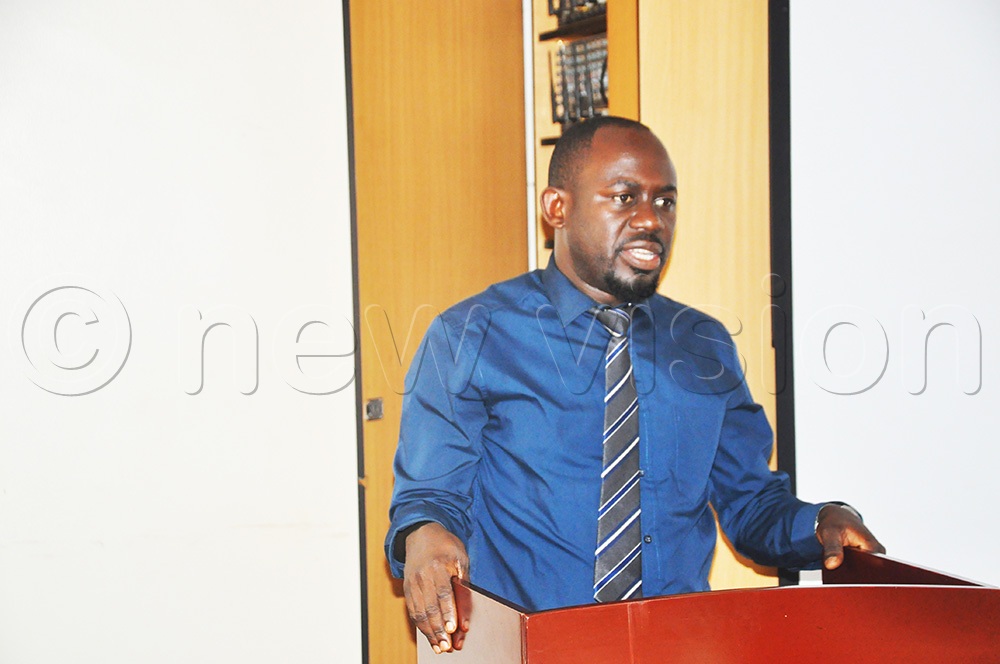
Babyenda discussing the plans of the study during an inception meeting for the study held at the College of Business and Management Studies (COBAMS), Makerere University, Kampala. (Photo by John Odyek)
“By channelling startup capital and services directly to parishes, the lowest level of Government service delivery, the programme aims to reduce poverty, create jobs and improve livelihoods,” Babyenda said. However, Babyenda said questions remained over whether PDM would succeed where previous Government programmes had struggled.
“Despite the Government’s provision of the necessary resources for the PDM, there are fears among stakeholders that PDM, just like the previous schemes, might not transform subsistence households into the money economy,” he said.
The study team is led by lecturers from COBAMS, with Dr John Bbaale as the principal investigator. Other members include Dr John Mutenyo and Rose Nakimu from Makerere University.
The researchers will assess whether PDM is delivering on its promise by examining community attitudes, stakeholder engagement and implementation challenges. They will draw lessons from previous programmes such as Entandikwa, the Youth Livelihood Fund and Emyooga, which faced challenges linked to poor coordination and perceptions that Government funds were political handouts.
Bbaale said the study seeks to assess PDM’s effectiveness in service delivery, poverty reduction and job creation. The research will pay particular attention to vulnerable households, women, youth and persons with disabilities, as well as policymakers seeking to avoid mistakes that affected previous programmes.
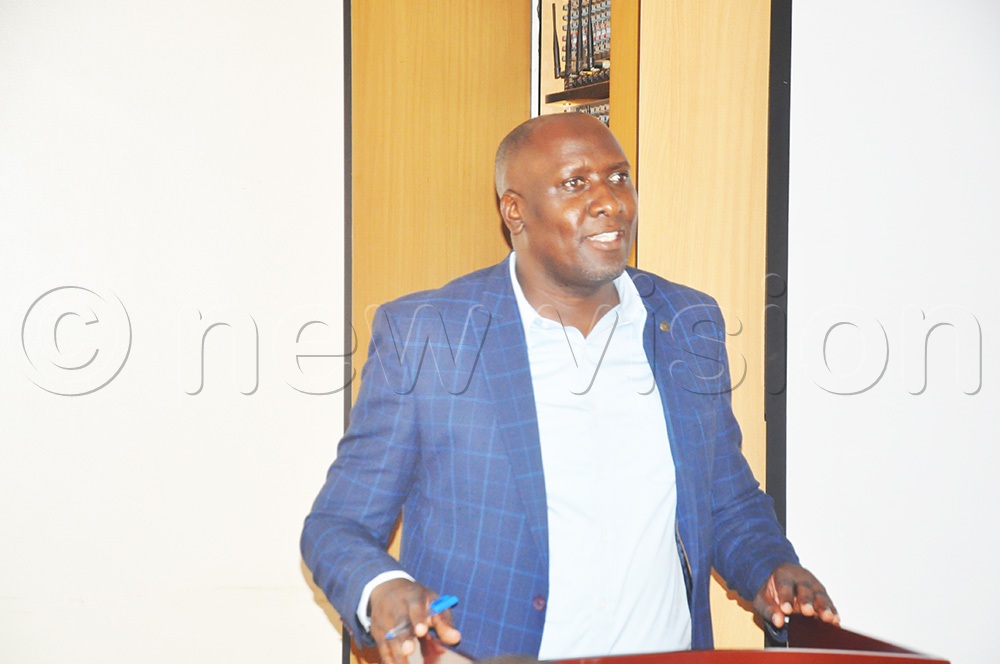
Dr John Bbaale, lectuerer at the College of Business and Management Studies, Makerere University presenting on the plans of the study during an inception meeting for the study held at the College of Business and Management Studies (COBAMS), Makerere University, Kampala. (Photo by John Odyek)
The researchers will use questionnaires, focus group discussions and key informant interviews involving programme implementers, local councils, parish development committees and beneficiaries.
Bbaale said the study would focus on community perceptions and stakeholder buy-in, which he described as critical drivers of the programme’s success. “The expected impact of the study will be evidence-based recommendations to strengthen PDM, ensure sustainability and align it with Uganda’s Vision 2040 and the Sustainable Development Goals,” Bbaale said.
“The findings will provide recommendations to ensure funds are used effectively, households are empowered and Uganda achieves inclusive, sustainable growth,” he added. Juliet Nabirye, a monitoring and evaluation officer at Mak-RIF, commended the researchers for undertaking the study and urged them to prioritise the local dissemination of their findings.
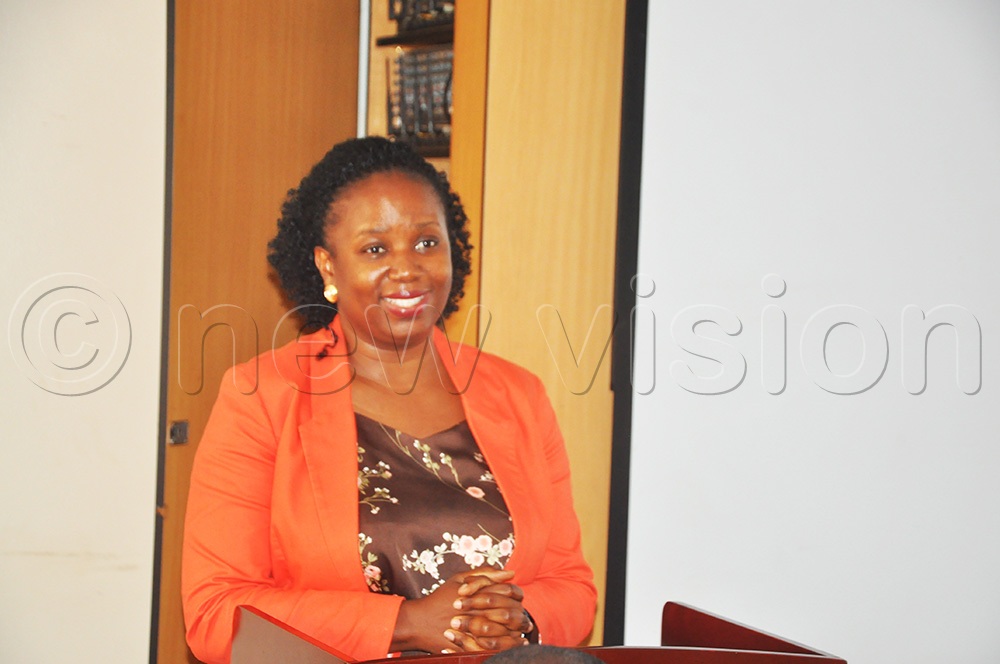
Juliet Nabirye, a monitoring and evaluation officer at Mak-RIF talking to participants during an inception meeting for the study held at the College of Business and Management Studies (COBAMS), Makerere University, Kampala. Photo by John Odyek
Nabirye said each of the four districts selected for the research has unique challenges, requiring the researchers to return to the communities and explain the findings in a language and manner that ordinary people can understand.
“We have to explain to the person at the lowest level the findings and what they mean. Some people may not understand what is happening about Government programmes and, in this context, what is happening with PDM,” Nabirye said.
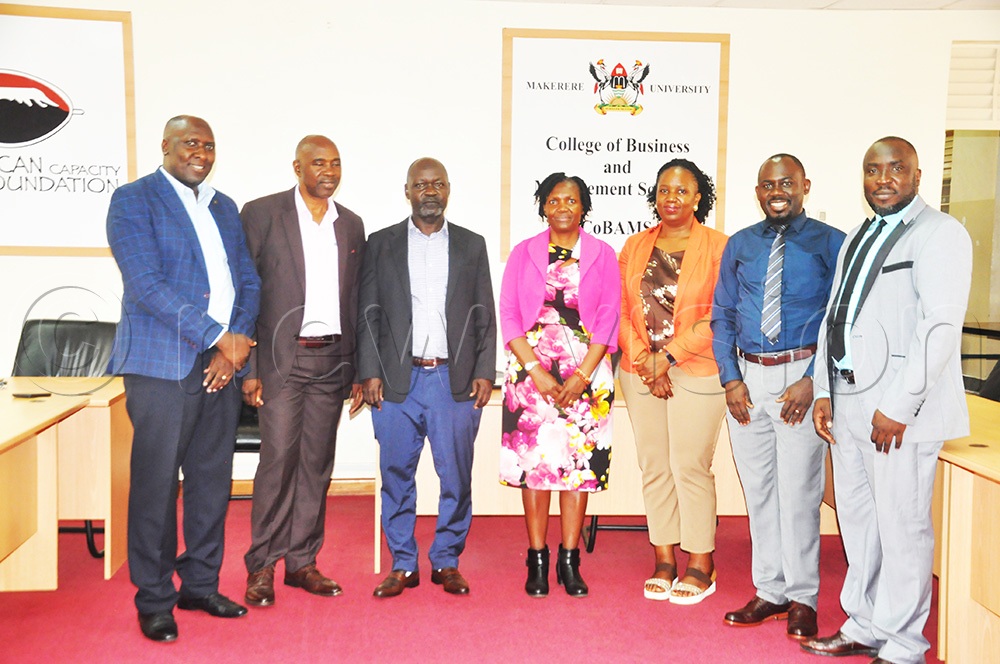
R-L: Ekudu, Babyenda, Nabirye and Bbaale (First left) and other lecturers pose for a photo during an inception meeting for the study held at the College of Business and Management Studies (COBAMS), Makerere University, Kampala. (Photo by John Odyek)
She urged the researchers to take the findings beyond academic circles and ensure the study reflects the university’s contribution to solving challenges affecting communities. “Go out there and represent the university well,” Nabirye told the researchers.