
Cultural leaders in Acholi push for conflict resolution at workplaces
Ogik made the call during the belated International Labour Day celebrations held on Thursday at Kitgum Public Playground in Kitgum Municipality under the theme, “Ensuring a Healthy Psychological Working Environment.”
Cultural Leaders in Kitgum District have called on employers to strengthen workplace conflict resolution mechanisms amid growing concerns over mental health challenges affecting workers across the Acholi sub-region. (Photo by Christopher Nyeko)
________________
Rwot Jude Ogik, the cultural chief of Okol Chiefdom in Acholi, has asked employers to strengthen workplace conflict resolution mechanisms amid growing concerns over mental health challenges affecting workers across the Acholi sub-region.
Ogik made the call during the belated International Labour Day celebrations held on Thursday at Kitgum Public Playground in Kitgum Municipality under the theme, “Ensuring a Healthy Psychological Working Environment.”
Addressing workers, civil servants, and local leaders, Rwot Ogik warned that many workplaces have become toxic due to unresolved conflicts, humiliation of workers, and a lack of proper support systems.
According to the cultural leader, the Acholi sub-region continues to suffer the psychological effects of the Lord’s Resistance Army insurgency, with many people still battling post-traumatic stress disorder (PTSD).
“Workers perform better when they feel respected, safe, valued, listened to, and supported at the workplace,” Ogik said.
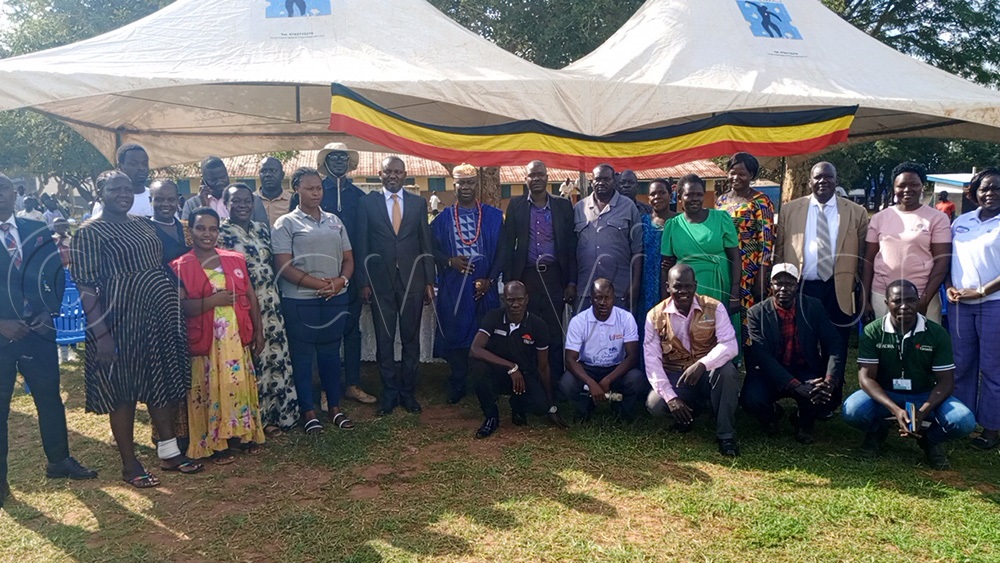
Cultural and local leaders in Kitgum District pose for a photo during the celebration of the belated International Labour Day celebrations held at Kitgum Public Playground in Kitgum Municipality. (Photo by Christopher Nyeko)
The lawyer by profession urged employers to adopt a caring and supportive leadership style instead of intimidating workers through insults, pressure, and humiliation.
“You can provide someone with food, but if you overwork them, humiliate them, and make them work under pressure, they will ultimately avoid you. Let them work without humiliation or insult,” he added.
Rwot Ogik emphasised that Acholi culture promotes teamwork, cooperation, and collective problem-solving, values he said should be embraced in workplaces through counselling, dialogue, and mutual support.
He also cautioned employers against nepotism in recruitment, saying hiring relatives and close associates often weakens accountability and productivity within institutions.
The cultural chief further raised concerns over absenteeism and dishonesty among workers, urging employees to uphold discipline, integrity, teamwork, and accountability.
To improve mental well-being at workplaces, Ogik recommended normalising counselling services, creating spaces for dialogue and prayer, and allowing workers adequate time to rest.
Okidi welcomed the proposal to establish conflict resolution initiatives at workplaces, noting that low morale among workers has negatively affected service delivery. He proposed counselling, mediation, and the establishment of mental health units to help workers cope with stress and improve productivity.
Kitgum District Deputy Chief Administrative Officer Sam Odong revealed that the district currently employs 1,570 workers and reaffirmed the district’s commitment to staff development and equal opportunities.
Odong urged workers to uphold professionalism, integrity, and proper conduct, emphasising that accountability and quality service delivery remain key pillars in public service.
Meanwhile, Kitgum Resident District Commissioner Jimmy Ssegawa Ebil assured workers that the government remains committed to improving the welfare of employees in both formal and informal sectors.
Ssegawa highlighted government livelihood programmes such as Emyooga and the Parish Development Model (PDM), saying they continue to support economic empowerment within communities.
He also pledged support for salary enhancement for civil servants, especially arts teachers, while condemning child labour and exploitation in informal sectors.