Byabakama warns registration is mandatory for LC voters, candidates
“I appeal to all people to embrace this exercise. But if you are not registered as a resident, you will not be allowed to vote on July 28, 2026, for the position of LC chairperson,” Byabakama noted.
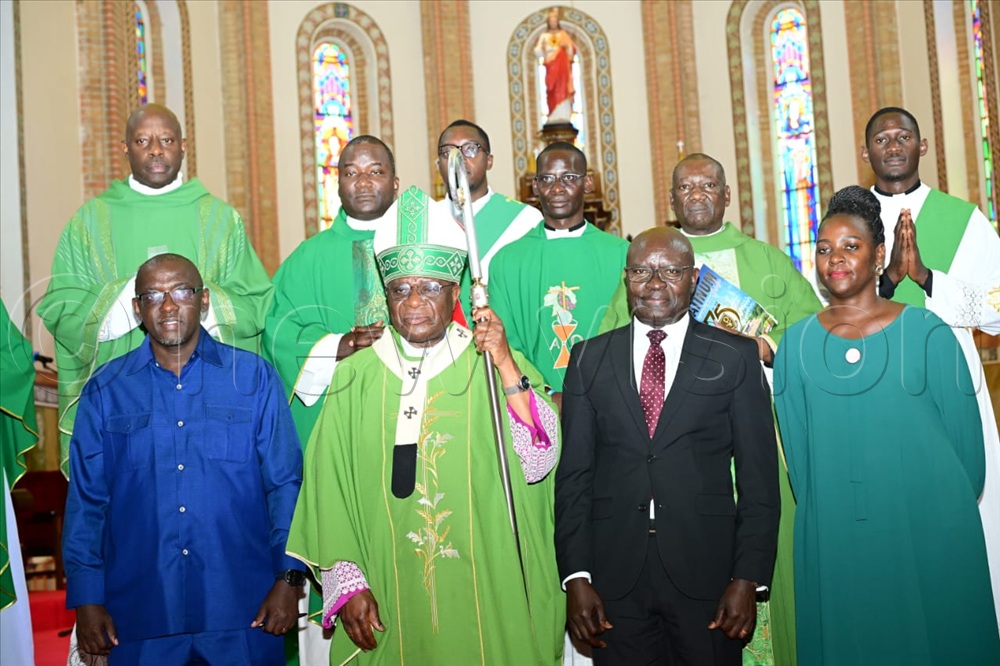
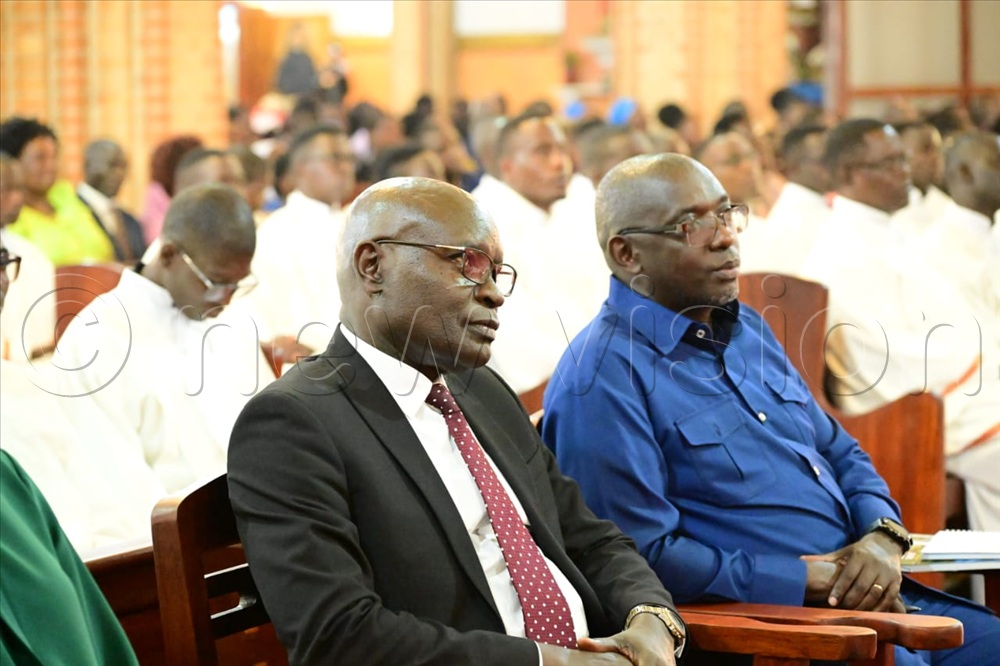
Electoral Commission (EC) chairperson Justice Simon Byabakama addressing Christians during a mass on Sunday (July 5) at St Mary's Cathedral, Lubaga. (Photos by Eddie Ssejjoba)
________________
Electoral Commission (EC) chairperson Justice Simon Byabakama has appealed to Ugandans to participate in the upcoming village registration exercise ahead of the Local Council elections.
“I appeal to all people to embrace this exercise. But if you are not registered as a resident, you will not be allowed to vote on July 28, 2026, for the position of LC chairperson,” Byabakama noted.
“You will also not be allowed to contest or stand for the position of chairperson or be appointed for any position on the village committee or be allowed to take part in the village meetings in future,” he explained.
He added, “I therefore appeal to people, please participate in this exercise. Use these days, beginning from tomorrow (Monday, July 6, 2026), go to the registration centre in your village and be registered,” he said, adding that the exercise will be conducted in all 71,214 villages across the country over five days.
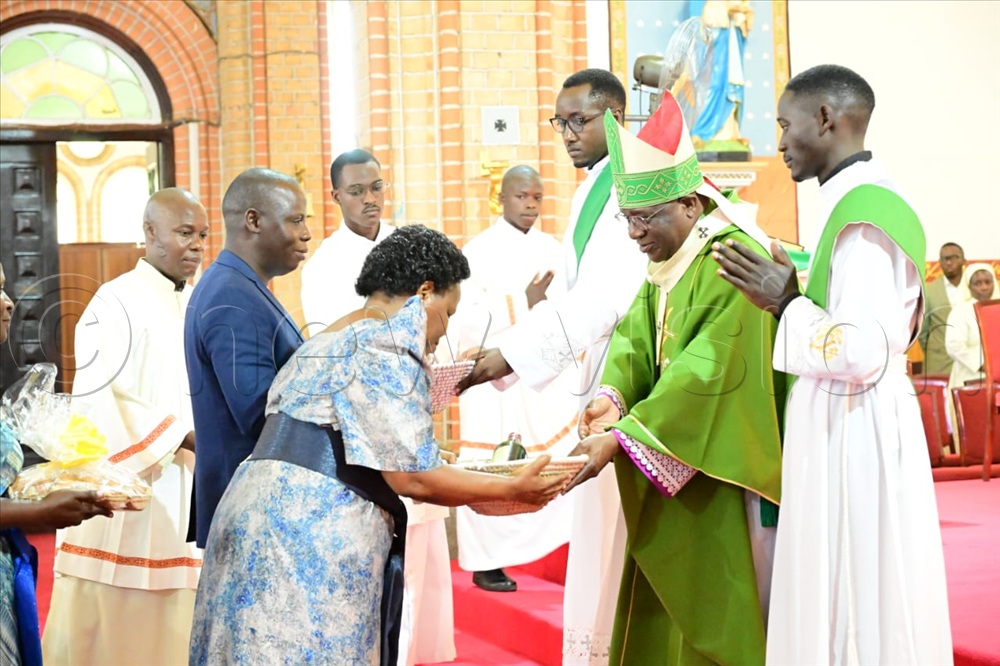
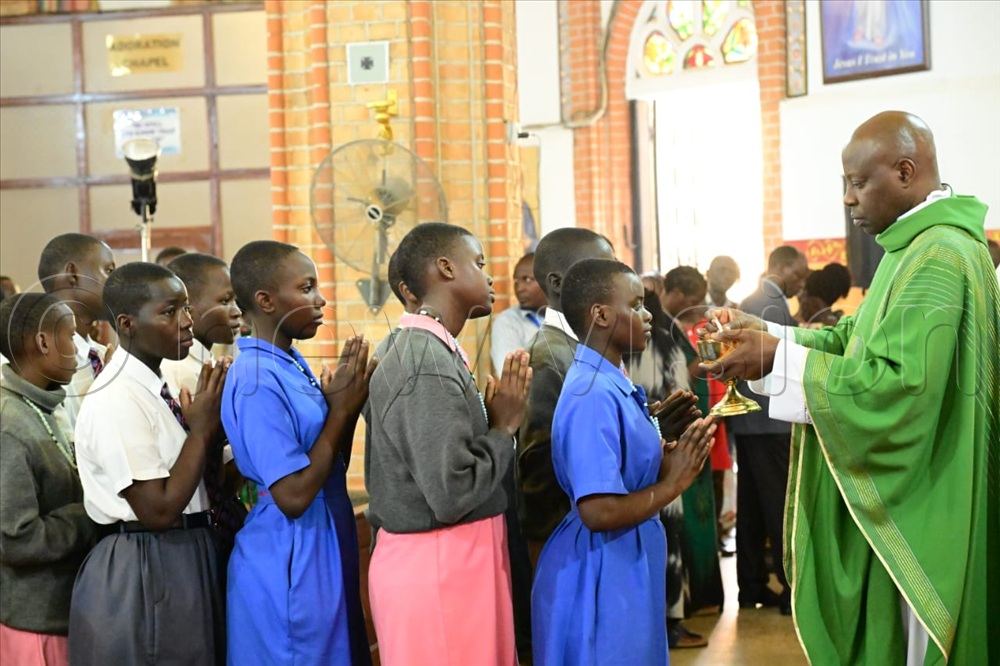
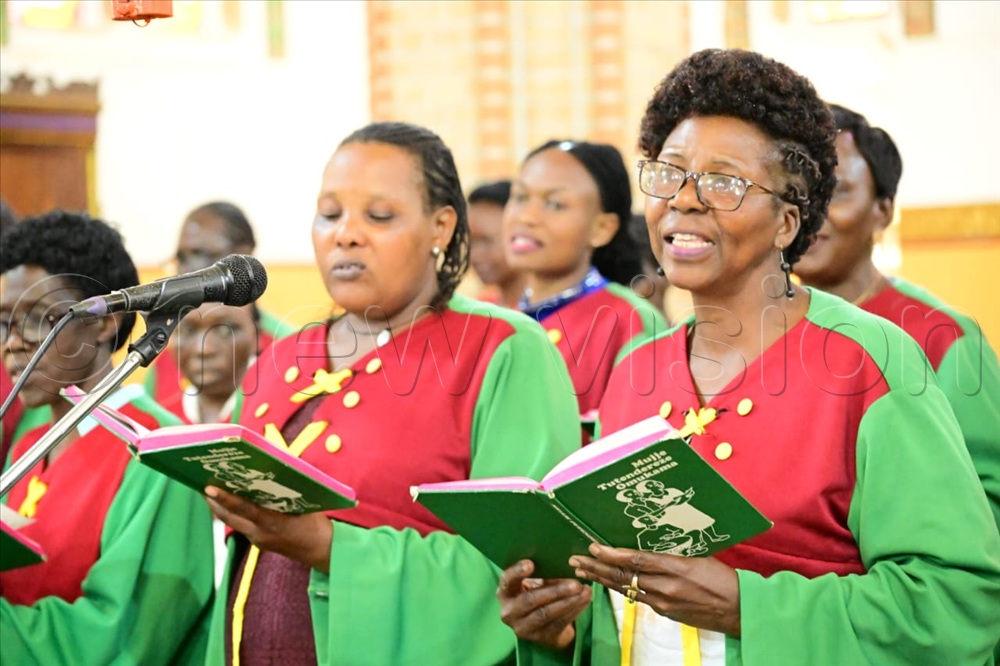
Byabakama made the appeal on Sunday (July 5) at St Mary's Cathedral, Lubaga, after the 10:00 am Mass led by the Archbishop of Kampala, Paul Ssemwogerere. He was accompanied by EC spokesperson Julius Mucunguzi and Lubaga division registrar Grace Najjoba.
“I would like to thank the archbishop for having given me an opportunity, on behalf of the EC, to address Christians about the programme for forthcoming Local Council 1, Local Council 2, Women Councils and Committee elections,” he noted.
Byabakama emphasised that the committees play an important role because, under the Local Government Act, Local Council committees are mandated to monitor government programmes within their respective jurisdictions, vet and recommend individuals for recruitment into the security services, among other responsibilities.
“The village councils are also supposed to be a communication channel between the government and the people, and in addition, they are supposed to do all things concerning the people,” he told the congregation.
He added that the councils are also expected to discuss issues affecting their communities, make decisions and communicate matters requiring action to higher authorities, including the chief administrative officer, district chairperson and other relevant officials.