
African security forum charts new pathways to continental peace
The high-level assembly that kicked off on Friday has established a progressive framework for sustainable peace across the continent by linking national security directly to economic sovereignty and geopolitical transformation.
PM Abiy Ahmed welcomes the guests to Bahir Dar and to the 12th Tana Forum
______________
BAHIR DAR - The 12th Tana High-Level Forum on Security in Africa is on its third and final day in Ethiopia's lakeside city of Bahir Dar.
The high-level assembly that kicked off on Friday has established a progressive framework for sustainable peace across the continent by linking national security directly to economic sovereignty and geopolitical transformation.
Present are African heads of state and government, ministers, and key security stakeholders, addressing resource governance, digital infrastructure, and institutional independence.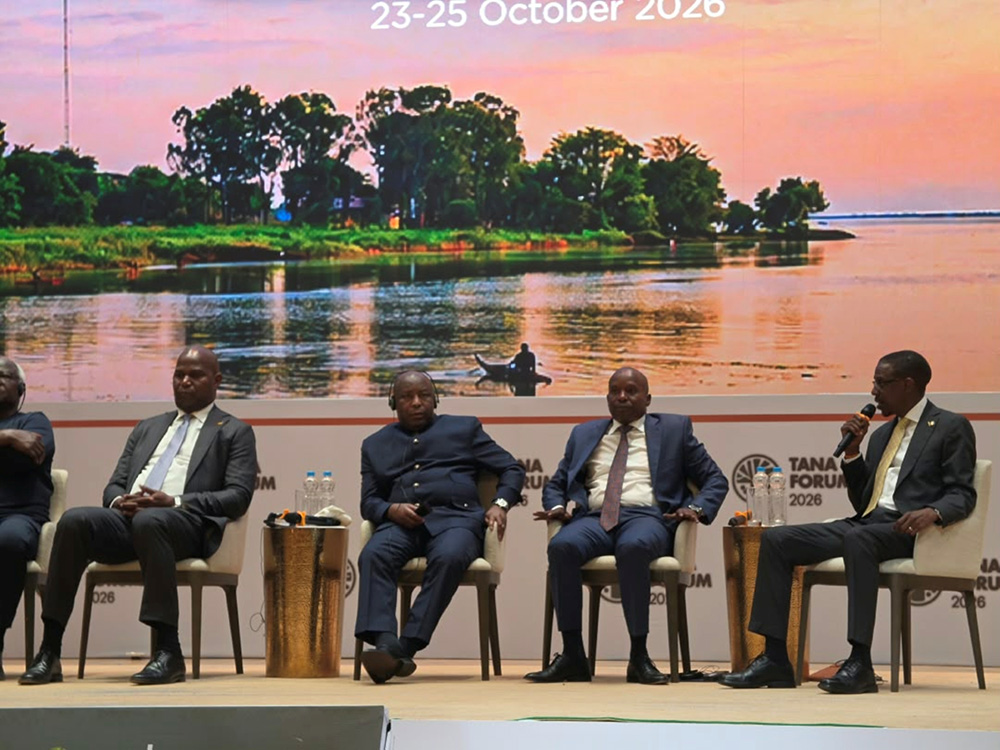
The forum began with an official welcome from Ethiopian Prime Minister Abiy Ahmed, according to a press statement from Uganda's foreign affairs ministry.
He framed the assembly as a critical opportunity to confront external global choices, such as fluctuating freight and fuel prices, that impact daily African lives.
"African ownership means having the authority, responsibility, and predictable funding for continental initiatives," he said.
"We must build resilience and secure a stronger voice for Africa in shaping global rules, ensuring that our local administrations remain firmly focused on delivering essential services to families in need."
Highlighting Ethiopia's own models for regional cooperation, the Prime Minister pointed to the nation's energy advancements, including the Grand Ethiopian Renaissance Dam and active electricity exports to Kenya, Sudan, Djibouti, and Tanzania.
He further outlined Ethiopia's strategic steps toward true economic and technological sovereignty, detailing the country's multi-billion-dollar gold sector, the establishment of a domestic precious metal refinery to halt value flight, the "Digital Ethiopia" fibre infrastructure push, and the development of the McDonnell University of Artificial Intelligence to train pan-African talent.
Abiy also emphasised environmental security, referencing the Green Legacy Initiative's 56 billion planted trees, and looked ahead to Ethiopia hosting the upcoming COP event to forge a unified African climate agenda.
Framed around the traditional African proverb and metaphor that "there are multiple routes to the market," the Tana Forum emphasised that lasting peace cannot be achieved through a single approach.
Over the course of the summit, security experts and state leaders argued that economic policy and peace policy must no longer be treated as separate agendas, but rather as mutually reinforcing fields.
Deliberations highlighted how external dependencies, debt vulnerabilities, and global value chain imbalances act as direct structural drivers of conflict by undermining state legitimacy and public welfare.
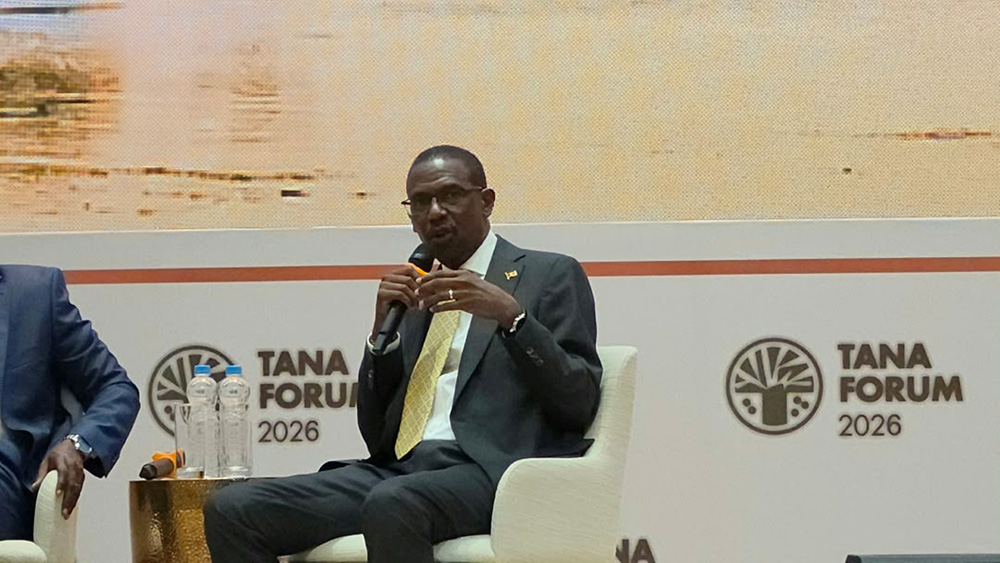
On Saturday, Uganda's defence minister Kiryowa Kiwanuka, representing President Yoweri Kaguta Museveni, featured on a high-level panel on building an African model for peace and sovereignty in an age of geopolitical rivalry.
- Évariste Ndayishimiye, President of Burundi
- Daniel Francisco Chapo, President of Mozambique
- Prof. Kithure Kindiki, Deputy President of Kenya
- Ernest Bai Koroma, Former President of Sierra Leone
The panellists also debated methods to build an integrated continental market and digital ecosystem capable of expanding local opportunities while shielding African nations from external technological dependence, cyber threats, and cross-border illicit economies.
During the panel, Kiwanuka addressed critical strategies for aligning the evolution of African militaries with continental priorities to safeguard economic agency.
"Development must lead to individual wealth creation, not just infrastructure," he said.
The Ugandan minister strongly advocated for patriotism and keeping Africa’s wealth at home to serve local needs rather than global markets.
"We must prioritise local value addition and stop the loss of value through raw material exports," he urged, citing, as an example, the historical inefficiency of Uganda’s copper industry, which exported raw materials only to re-import them for domestic use.
"Africa's internal markets are sufficient to absorb its resources. Retaining and processing these resources within the continent is crucial for translating development into real wealth for our citizens and reducing dependency on external markets."
Reflecting on Uganda's strategic shift, the panel concluded that national resource policies must be reinforced by synchronised regional interventions to achieve a lasting continental impact.
As global rivalries intensify, the 12th Tana Forum grounds the continent’s leaders and policy influencers with a unified call to reinforce regional integration and strengthen the financial and operational autonomy of African institutions, ensuring the continent shapes its own sovereign and peaceful future.