
Viable partnership: Leaders caution youth on marriage choices at Makerere fireside chat
“Before you say yes to someone, it is important to check their commitment to their faith,” Rev. Kitayimbwa advised.
The fireside conversation drew a diverse crowd of students eager for guidance amid the complexities of 21st-century courtship. (Courtesy photos)
________________
In a gathering under the stars at Makerere University’s Central Teaching Facility (CTF) II Auditorium Parking Lot, leaders from Uganda Christian University (UCU) shared insights into the intricacies of relationships, challenging young attendees to reconsider what truly constitutes a viable partnership.
The event, part of the Emerging Leaders Programme themed: Why I Would Never Let You Date or Marry My Child, featured UCU deputy vice chancellor for academic affairs Prof. John Kitayimbwa and his wife, the Rev. Dr. Lidy Kitayimbwa, the Chaplain at St Francis Chapel, Makerere.
Held on October 25, 2025, at 6:30pm, the fireside conversation drew a diverse crowd of students eager for guidance amid the complexities of 21st-century courtship.
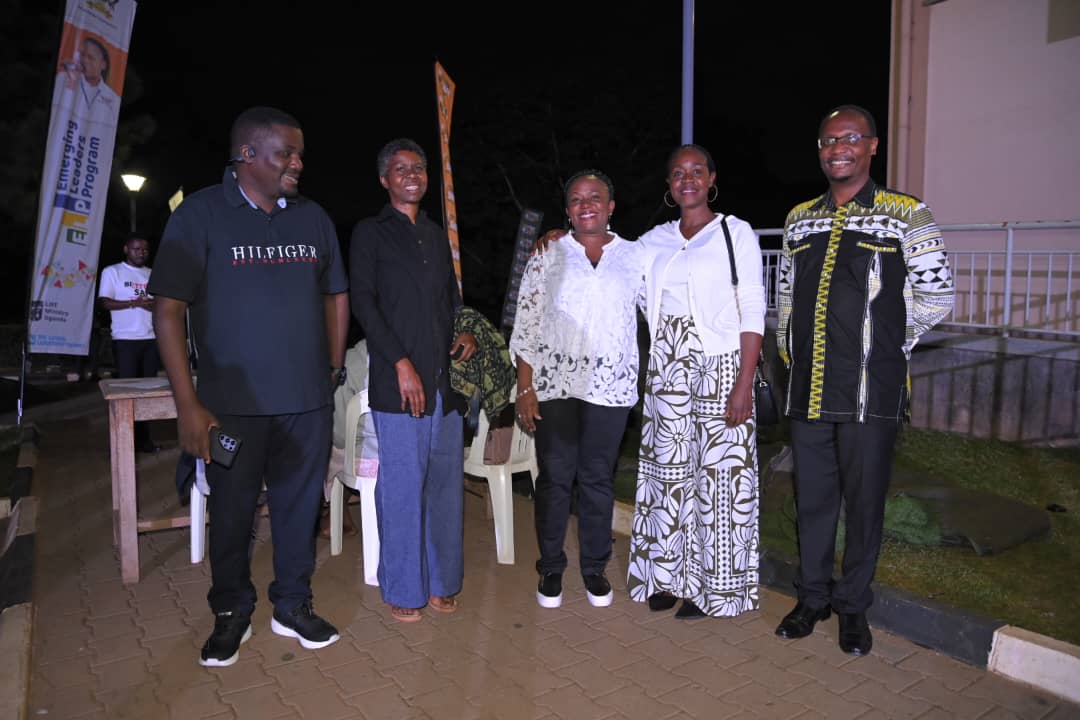

The session kicked off with applause for the Makerere's dean of students Dr Winifred Namuwonge Kabumbuli, who underscored the university’s commitment to holistic student development.
“The university is not only committed to your academic achievement but also to wholistic development and experience at the university,” she said.
Emphasising the topic’s relevance, she added, “I believe the topic is very important because as a parent and an educator, I believe it’s important to have honest conversations about relationships, especially that you students are here at the university and relationships add another layer of complexities. So, it's important for you to be aware about yourselves and about creating healthy and respectful relationships.”
Kabumbuli praised the Emerging Leaders Programme, noting, “I acknowledge and appreciate the Emerging Leaders Programme. Your initiative is commendable. We are looking forward to the impact the programme will make in our university.”
Her words set a tone that framed the discussion as an essential extension of campus life beyond lectures and exams.
Dramatisation
The evening started with an engaging skit performed by students, illustrating generational clashes in partner selection.
In the dramatisation, a mother pressured her son to marry Sandra, the daughter of a wealthy chief, influenced by a friend Phily, who prioritised status and wealth.
The son, however, was drawn to Nichole, a choice his parents rejected upon meeting her. They criticised her dress code and demeanour, scolding the son and insisting on Sandra as the ideal match.
The skit highlighted themes of parental expectations versus personal choice, sparking immediate reflection among the audience on societal pressures in marriage decisions.
As the conversation deepened, speakers referenced sobering statistics, noting that researchers have found that 42 per cent of first marriages end in divorce, often due to unresolved conflicts.
This data underscored the urgency of the topic, prompting attendees to question superficial attractions in favour of enduring qualities.
Lidy Kitayimbwa opened with a personal anecdote, emphasising the irreplaceable role of parental involvement in romantic decisions.
“I didn’t know that my parents’ opinion about the man I was going to get married to mattered until I took John to my father,” she shared.
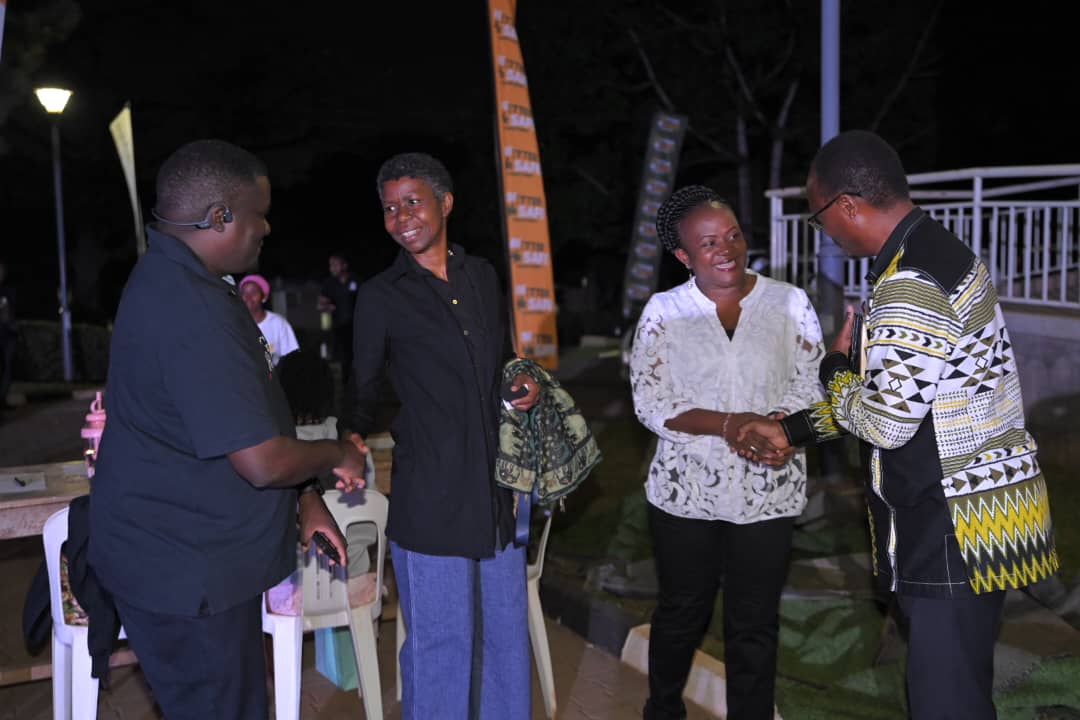

Her father’s affirming statement dispelled her doubts, leading to a 17-year (soon to be) happy marriage.
She urged the youth, “Please do not underestimate the statements or the opinions or the ideas or the suggestions from your parents.”
Drawing from Luganda proverb, she explained that elders’ “dark spot” – their seasoned perspective – reveals red flags obscured by infatuation's butterflies and dramatic declarations of eternal love.
Rev. Kitayimbwa framed the discussion through a biblical lens, reading from Proverbs Chapter 2, which calls for seeking wisdom like hidden treasure: My son or daughter, if you accept my words and store up my commands within you, turning your ear to wisdom and applying your heart to understanding. She highlighting how wisdom guards against wicked paths and wayward influences.
While acknowledging the conversation’s Christian perspective, she welcomed all faiths, stressing that scriptural principles on discretion and purity transcend denominations.
Addressing student queries on the relevance of African courtships in the 21st century, she affirmed the timeless value of intentionality over impulsivity.
One student invoked Bakiga traditions, where admirers would abduct a girl en route to fetch water, presenting her to the boy’s family before formal negotiations.
Rev. Kitayimbwa implied such practices, while culturally rooted, must evolve to prioritise consent and respect, aligning with modern ethical standards without discarding communal wisdom.
She warned against societal deceptions, particularly the pressure to compromise purity. Recounting conversations with students from diverse backgrounds – Muslims, Catholics, Adventists, and Pentecostals – she highlighted terms like “assurers,” slang for easily accessible partners.
“Assure is someone who you can easily get at any time you want,” one student clarified. Rev. Kitayimbwa cautioned, “Please don't become assured,” countering myths like “virginity is not dignity, but it”s a lack of opportunity.”
Instead, she proclaimed, “God still honours purity. Virginity is dignity. Blessed are the pure in heart, for they will see God.”
Her criteria for a suitable partner centred on three pillars: commitment to faith, character, and consistency.
“Before you say yes to someone, it is important to check their commitment to their faith,” she advised.
Shared beliefs and faith
“If you are Muslim, please go with a fellow Muslim,” she suggested practically, noting potential tensions otherwise.
Character, she stressed, outlasts gifts or beauty. “Your gift will open doors for you, but your character will keep you there,” she noted.
She said a partner must be a person of their word, avoiding infidelity's pain. She decried the normalisation of secondary roles in relationships, urging self-worth.
Regarding consistency, she said this involves accountability, and having mentors who can rebuke inconsistencies.
“If no one can correct that guy or that sister that you have, please run for your life,” she warned, as unyielding pride foreshadows abuse.
Get out of hiding
Rev. Kitayimbwa also touched on purpose, encouraging visibility and joy.
“Some of you hide yourselves in your rooms... Be involved,” she said.
She shared parenting insights, preparing her 14-year-old daughter for age-appropriate discussions on sex, countering media influences.
On rejecting despair over breakups, she affirmed, “If someone leaves you and they’ve gone for your best friend, just know God has saved you from a monster... Do not commit suicide because the guy or the lady has left you.”
Prof. John Kitayimbwa complemented his wife’s insights with a focus on relational sustainability. Protective of their three biological children – and many “adopted” university students – he clarified the topic's intent: not rejection, but aspiration.
“This topic tonight is not to say that you are not good enough. This topic tonight is not to discourage you. Actually, this topic is an invitation for all of us to become the kind of person that is safe, stable, and flourishing,” he said.
Reflecting on their courtship, he recounted wedding preparations disrupted by housing woes, resolved through university intervention.
“Love costs money,” he quipped, advising realism: “If you have invested near your boyfriend... stand to him and say, but are you ready?"
He challenged misconceptions of love as mere physical attraction, prevalent on social media. “In this generation, when you say, ‘I love you,’ it is another way of saying, ‘I want to have sex with you’... But love is not about having sex. Love is not about sleeping with someone's son or daughter.’
Prof. Kitayimbwa envisioned long-term commitment, urging youth to picture decades with a partner amid life’s changes – potbellies, aging, and children demanding space.
Degrees, money and marriage
Responding to queries like whether degrees and money guarantee marital success, Prof. Kitayimbwa asserted no.
He said external achievements pale against internal traits.
“Parents hesitation stems not from elitism but foresight: Envisioning a son- or daughter-in-law's impact on family legacy,” he noted.
He praised Makerere’s potential to mould leaders, urging early parental involvement over post-proposal rubber-stamping.