
WHO, Africa CDC hail Uganda's Ebola response, warn against complacency
While commending Uganda's swift response that interrupted transmission, the two leaders stressed that the country's achievement must not lead to complacency as Ebola continues to spread across the border.
WHO, Africa CDC hail Uganda's Ebola response, warn against complacency
___________________
Africa's two leading public health institutions have warned that Uganda cannot afford to lower its guard, less than a week after the country declared an end to its latest Ebola outbreak, saying the escalating outbreak in neighbouring Democratic Republic of the Congo (DRC) continues to pose a serious threat to regional health security.
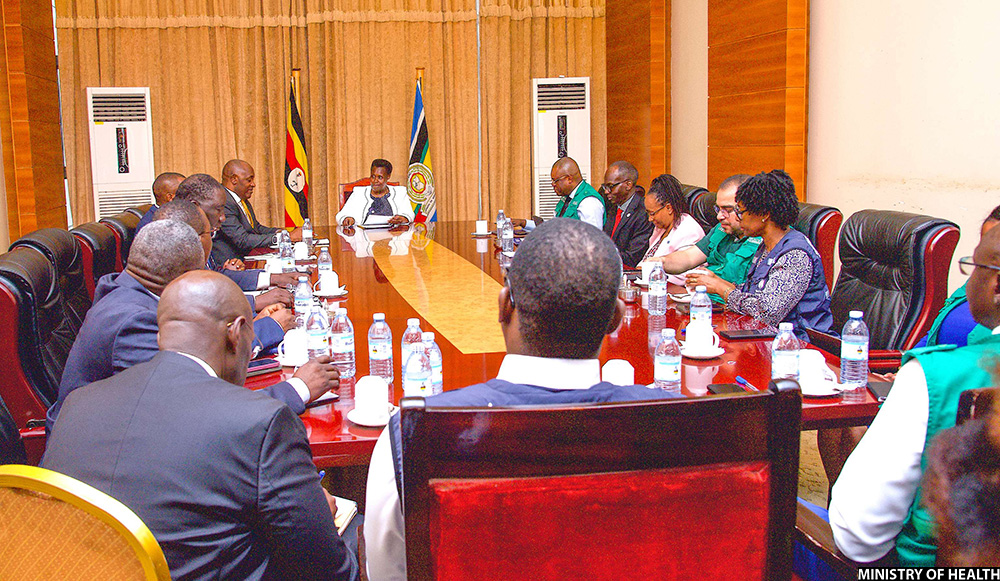
The caution was delivered on August 3, 2026, during a high-level joint mission to Kampala by the World Health Organization (WHO) regional director for Africa, Prof. Mohamed Yakub Janabi, and Africa CDC director general Dr Jean Kaseya, who met Vice President Jessica Alupo and health ministry officials to review lessons from Uganda's successful containment of the Bundibugyo Ebola outbreak and discuss strengthening regional preparedness.
While commending Uganda's swift response that interrupted transmission, the two leaders stressed that the country's achievement must not lead to complacency as Ebola continues to spread across the border.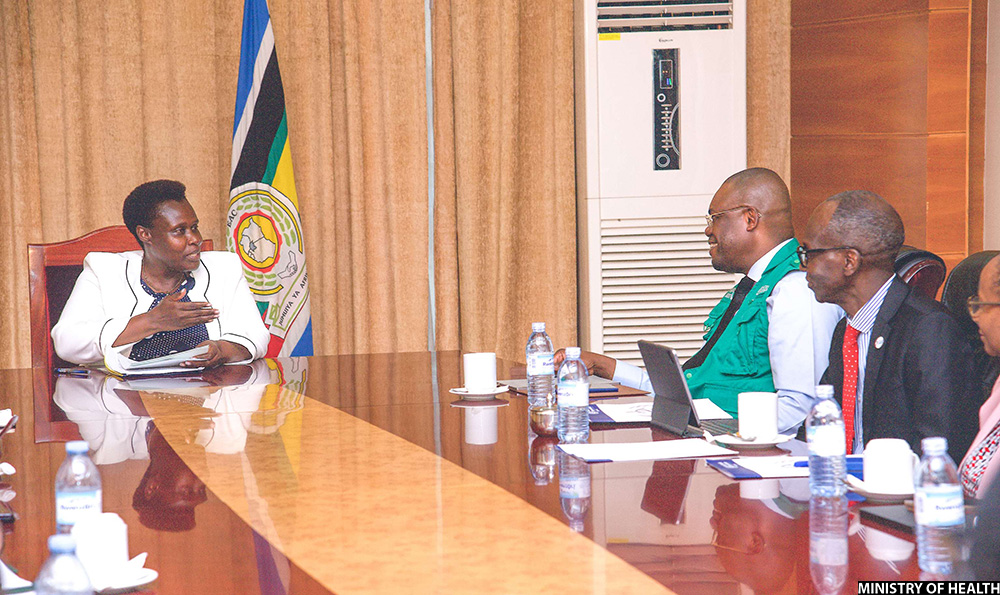
"Uganda has shown what decisive leadership, strong preparedness and community trust can achieve," Kaseya said.
But Kaseya cautioned that the gains remain at risk, especially with rising case numbers in neighbouring DRC.
"We commended Uganda for successfully containing the Ebola outbreak through strong national leadership and coordinated action. This progress must be protected. Sustained preparedness, vigilant surveillance and strong cross-border coordination remain essential to prevent further transmission and strengthen health security across the region," he said.
Prof. Janabi echoed the warning, saying Uganda's proximity to the ongoing outbreak in eastern DRC means the risk of imported infections remains high despite the country's Ebola-free status.
"We commended the country's leadership in containing the Ebola outbreak and recognised the dedication of health workers, communities and partners whose efforts helped interrupt transmission," Janabi said.
"With the outbreak continuing in neighbouring DRC, Uganda is still at risk. Sustained surveillance, readiness and cross-border coordination will be essential to detect and respond rapidly to any new cases," he added.
The two leaders reaffirmed the commitment of WHO and Africa CDC to continue supporting Uganda in strengthening its health system, improving emergency preparedness and promoting regional collaboration to prevent future outbreaks.
The outbreak, caused by the Bundibugyo strain of the Ebola virus, was contained through rapid case detection, extensive contact tracing, laboratory testing, treatment of confirmed cases, infection prevention measures and intensive community engagement.
Uganda also strengthened surveillance at border points and activated emergency response teams across high-risk districts to minimise the risk of further spread.
The response has since attracted regional recognition, with health experts describing it as an example of how early intervention and coordinated leadership can successfully contain deadly infectious disease outbreaks.
Uganda has also extended its expertise beyond its borders. Following a request from Africa CDC and WHO, Uganda recently deployed more than 80 health professionals to eastern DRC to support efforts to contain the ongoing Ebola outbreak there.
Despite Uganda's success, the two African health chiefs said the situation in DRC underscores why preparedness cannot be relaxed. DRC is battling the largest recorded Bundibugyo Ebola outbreak, with 3,748 confirmed cases and 1,657 deaths as of August 1.