
Uganda receives first 19,200 doses of Lenacapavir
Late last year, the United States Embassy in Uganda said the introduction of lenacapavir would significantly strengthen Uganda’s HIV response, particularly among vulnerable groups such as pregnant and breastfeeding women.
Lanacapavir. (Courtesy)
_______________
Uganda has received its first consignment of 19,200 doses of lenacapavir, a long-acting injectable drug that prevents HIV infection among people for six months, marking a milestone in the country’s HIV prevention efforts.
The Ministry of Health spokesperson, Emmanuel Ainebyona, confirmed that the shipment arrived on Tuesday (February 24) with funding from the Global Fund. In a statement posted on the ministry’s official X platform.
“The initial consignment of 19,200 doses of Lanacapavir from the Global Fund has arrived in Uganda. The drug is administered every six months to prevent HIV among persons with substantial risk of acquiring HIV. They will be distributed to high-burden and high-incidence districts effective March 2026.” The Health Ministry posted on official X.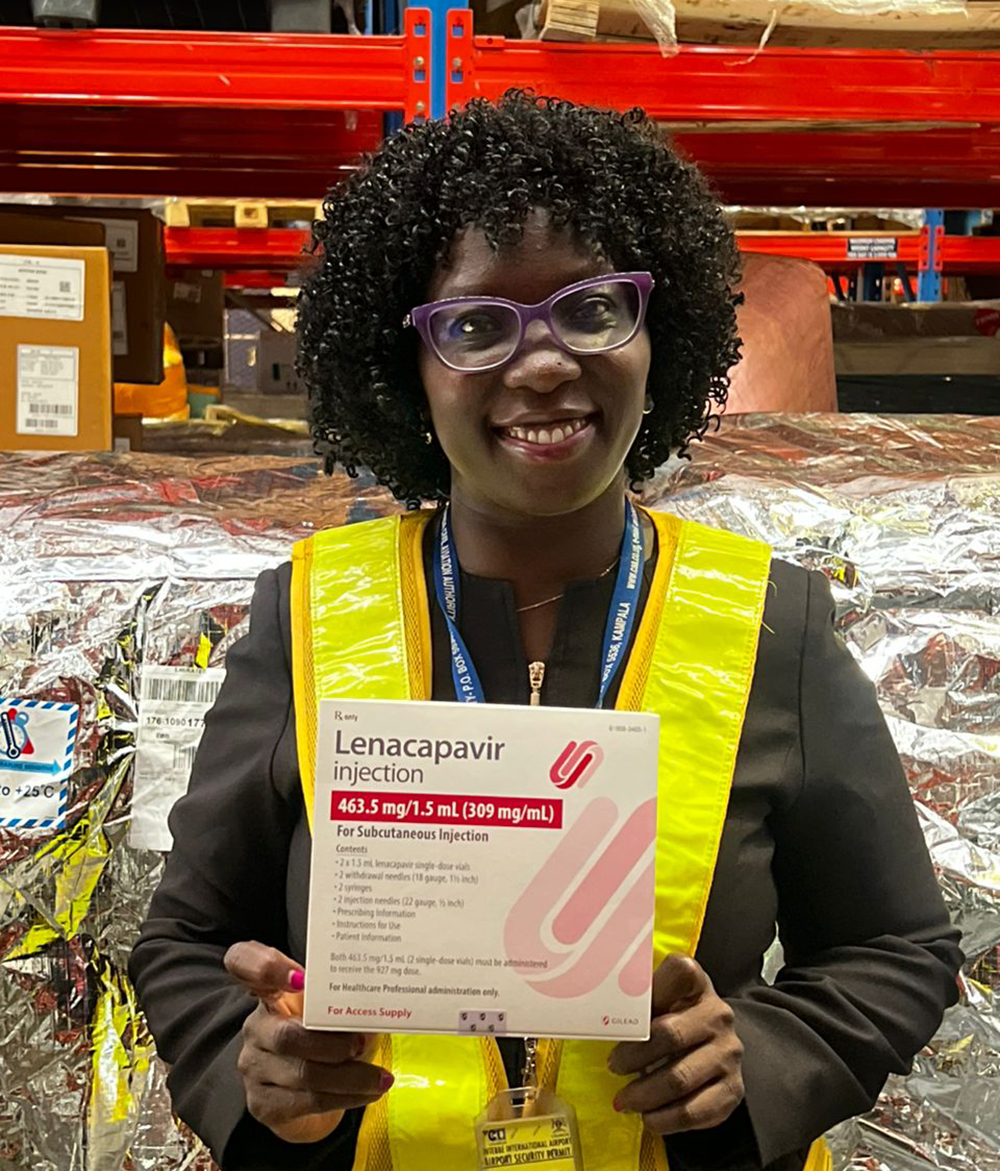
(Courtesy)
Uganda’s principal investigator for the trials, Dr Flavia Kiweewa Matovu, said that due to limited initial supplies, priority groups have already been identified. These include adolescent girls and young women, truck drivers, pregnant and breastfeeding mothers, and key populations at the highest risk of HIV infection.
The facilities expected to offer lenacapavir will mirror those currently providing two-month injectable PrEP. These include MAPI, Mukono General Health Centre, Bugembe Health Centre IV, Kichwamba Health Centre III, Kyenjojo General Hospital, Hoima Regional Referral Hospital, Mityana General Hospital, Dokolo Health Centre IV, and selected facilities in Arua and Apac districts.
“We are all equally excited. If we can scale this up, the impact on HIV prevention in Uganda could be substantial.” Dr Kiweewa said recently in an interview with New Vision.
Late last year, the United States Embassy in Uganda said the introduction of lenacapavir would significantly strengthen Uganda’s HIV response, particularly among vulnerable groups such as pregnant and breastfeeding women.
The embassy noted that the US government and the Global Fund are co-funding an advanced market commitment to purchase lenacapavir for up to two million people by 2028 in countries with the largest HIV epidemics. It added that Gilead Sciences, the manufacturer of the drug, has agreed to provide it at cost and to share its intellectual property with generic manufacturers to enable large-scale production and long-term affordability for low- and middle-income countries.
Lenacapavir is administered as an injection once every six months, offering a major advantage over daily oral pre-exposure prophylaxis (PrEP) pills and even the two-month injectable PrEP currently available in some facilities. By requiring only two doses a year, health experts said the drug could significantly improve adherence, particularly among vulnerable populations who struggle with daily medication.
Clinical trials of lenacapavir conducted in Uganda and South Africa showed high levels of protection against HIV acquisition, especially among women and adolescent girls who remain disproportionately affected by new infections. Researchers involved in the trials reported that the long-acting nature of the drug addressed common barriers such as stigma, pill fatigue, and inconsistent access to health facilities.
As of late 2025, Uganda had over 1.4 to 1.5 million people living with HIV (PLHIV), with adult prevalence at approximately 5.1%. While new infections have dropped to around 37,000 annually and AIDS deaths have fallen significantly, the country faces challenges with rising new infections among young women and high transmission rates in young people.