
Uganda rallies for a malaria-free future as leaders demand more local funding
Tayebwa challenged African governments to stop relying heavily on donors and instead prioritise malaria financing in national budgets.
eputy Speaker of Parliament Thomas Tayebwa speaking during the conference at Speke Resort Munyonyo in Kampala city on February 24, 2026. (Courtesy photos)
________________
Uganda has renewed its commitment to eliminate malaria, with government officials calling for stronger domestic financing, regional co-operation and intensified community action to defeat one of the country’s deadliest diseases.
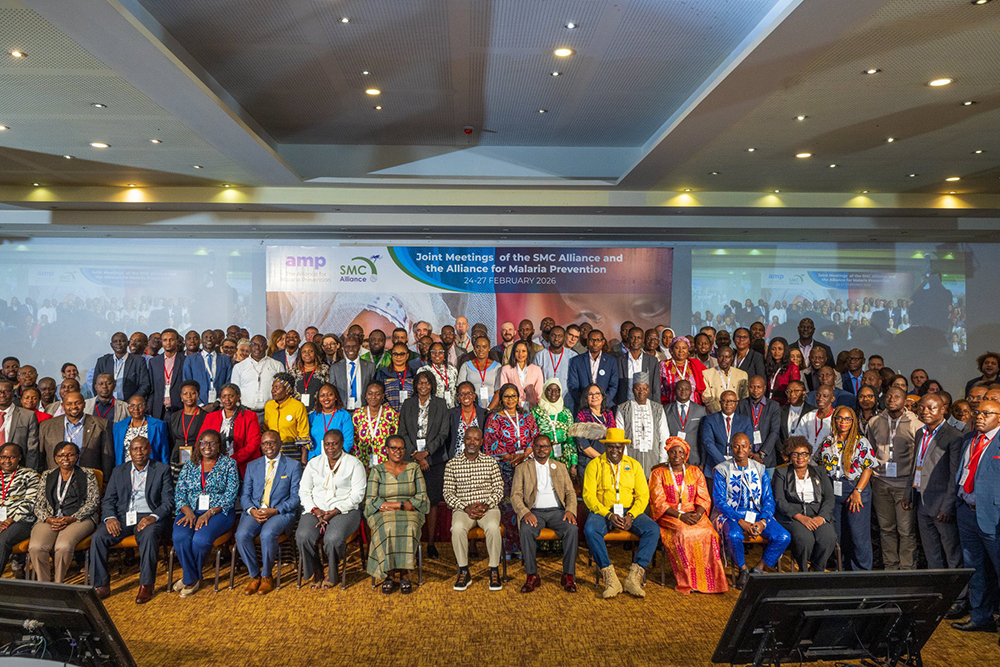
The renewed push was announced during the ongoing Conference on Integrated Chemoprevention for Malaria, convened by the health ministry at Speke Resort Munyonyo in Kampala city on February 24, 2026.
Speaking at the conference, Deputy Speaker of Parliament Thomas Tayebwa delivered an emotional appeal, reminding participants that malaria is not just a statistic but a lived reality for many African families.
“Some of us grew up in villages where we lost siblings and neighbours to malaria. It would be a huge mistake to leave this fight only to health professionals and partners,” Tayebwa said.
He challenged African governments to stop relying heavily on donors and instead prioritise malaria financing in national budgets.
“When donors reduce funding, we should not say the fight is over. We must match our commitment with resources. We cannot afford to fund allowances and fail to fund the fight against a disease that is killing our people,” he added.
“If one country eliminates malaria and its neighbour does not, cross-border transmission will continue. We must act together as a continent,” he said, pledging to raise the matter at upcoming African, Caribbean and Pacific parliamentary engagements.
Uganda remains among the highest malaria-burdened countries globally. Primary health care state minister Margaret Muhanga said the disease continues to strain the country’s health system and economy.
“Malaria accounts for between 30 to 50 per cent of outpatient visits and about 20 per cent of hospital admissions. It remains a significant public health challenge, especially among children under five,” Muhanga noted.
“Delivering medicines is not enough. Communities must understand, accept and demand the services we provide. Prevention must be owned at the household and community level,” she said.
Muhanga urged families to properly use mosquito-treated nets, maintain hygiene around homes and eliminate mosquito breeding grounds such as stagnant water and overgrown bushes.
The conference also highlighted advances in preventive interventions. Health ministry's director public health Dr Daniel Kyabayinza said Uganda is expanding seasonal malaria chemoprevention in high-transmission areas such as Karamoja, where children are given preventive medicines before peak malaria seasons.
“We started with children under five, and we have now expanded to include those up to 10 years in high-risk areas. This is a preventive tool designed to protect children before the outbreak season,” he said.
Kyabayinza also pointed to the malaria vaccine introduced in Uganda last year, now being rolled out in 107 high-burden districts targeting children below two years.
“The vaccine is given in four doses starting at six months. It is an addition to existing interventions and will significantly reduce malaria deaths,” he said.
The three-day conference, running from Tuesday to Thursday, brings together policymakers, health experts, development partners and civil society actors to align strategies under Uganda’s Malaria Elimination Strategic Plan 2026–2030.