
Uganda plots to eliminate neglected tropical diseases by 2030
The health ministry says it has been successful in eliminating most of the NTDs, but trachoma, river blindness, lymphatic filariasis, and visceral leishmaniasis, remain burdensome for the country.
With more than two billion people globally affected by NTDs, the Kampala conference is seen as a major opportunity to align strategies, renew commitments, and accelerate progress towards the 2030 elimination goals. (Courtesy photos)
________________
Uganda is plotting to eliminate four neglected tropical diseases (NTDs) by 2030, New Vision Online has learnt.
The health ministry says it has been successful in eliminating most of the NTDs, but trachoma, river blindness, lymphatic filariasis, and visceral leishmaniasis, remain burdensome for the country.
The revelations were made yesterday, September 30, 2025, as Uganda for the first time hosted the global community of health experts, scientists, policymakers and NGOs [non-governmental organisations] working to end NTDs.
NTDs are a diverse group of conditions caused by a variety of pathogens, including viruses, bacteria, parasites, fungi and toxins and associated with devastating health, social and economic consequences.
NTDs are mainly prevalent among impoverished communities in tropical areas, although some have a much larger geographical distribution.
It is estimated that NTDs affect over one billion people, while the number of people requiring NTD interventions (both preventive and curative) is 1.495 billion.
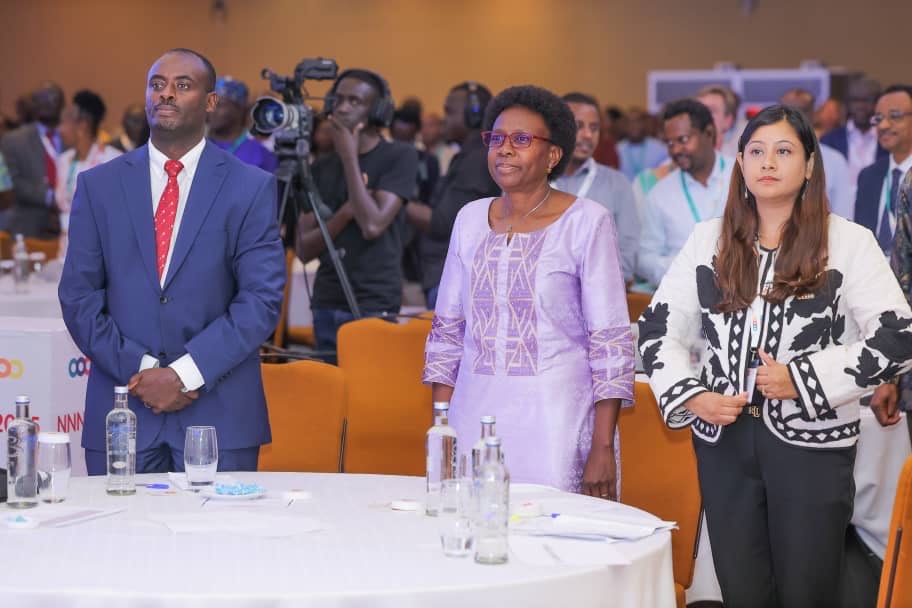
As the three-day 16th Annual Neglected Tropical Disease NGO Network (NNN) Conference opened on September 30, at Speke Resort Munyonyo in Kampala city, hundreds of delegates from around the world were present.
The conference is running under the theme: Sustainable Innovations for Impact, Transforming the Fight Against NTDs.
In her keynote address, Uganda’s health minister Dr Jane Ruth Aceng, welcomed delegates and hailed the conference as a milestone in the country’s fight against diseases that have long crippled vulnerable communities.
“We are thrilled to host the largest global forum dedicated to NGO collaboration in advancing the control, elimination and management of NTDs, all in alignment with the World Health Organisation’s NTD Roadmap 2021 to 2030,” Aceng said.
She outlined Uganda’s progress, highlighting the elimination of Guinea worm disease in 2009 and Human African Trypanosomiasis (gambiense form) in 2022, while reaffirming that the country is on track to eliminate trachoma, river blindness, lymphatic filariasis, and visceral leishmaniasis by 2030 as public health problems.
“As government makes investments in these NTDs, I implore partners to continue the support to these programmes to the finish line so that we can gather here in such a huge number to celebrate this quadruple success, while being presented with four certificates,” she added.
The minister pointed to Uganda’s NTD Master Plan 2023–2027 and sustainability plans, which bring together multiple sectors and partners to strengthen health systems.
The strategy emphasises digitisation of health records, improved supply chain systems, and the expansion of community-based health services through the introduction of Community Health Extension Workers (CHEWs).
She also paid special tribute to the late US President Jimmy Carter and The Carter Centre for decades of support.
“With his support, Uganda was certified free of Guinea worm in 2009. Significant trachoma surgeries were performed between 2014 and 2017, and Uganda is now in the last mile of eliminating transmission of river blindness,” Aceng said, noting that in 2025 The Carter Centre has extended support to Uganda’s mental health programme in recognition of the psychological toll of NTDs.
Addressing the delegates, Dr Gilbert Bayenda, the chairperson of the Neglected Tropical Diseases NGO Network, praised Uganda’s remarkable achievements and reaffirmed the importance of global solidarity.
“The neglected tropical diseases are 21 in total, and the most common ones here in Uganda include bilharzia, onchocerciasis (river blindness), lymphatic filariasis, intestinal worms, snake bites, and visceral leishmaniasis,” Bayenda said.
"This year, we are in Uganda for the first time ever because the country has made great progress in fighting NTDs. Cases of lymphatic filariasis that were once common in Teso and northern Uganda, and river blindness that was prevalent in Kasese and Madi, have drastically reduced. Uganda is now on track to eliminate four NTDs before 2030,” he added.
“We must prioritise elimination of these disabling diseases because they take away education and productivity opportunities. Uganda needs more trained health workers, accurate surveillance and reporting systems, and better community sensitisation to counter myths that NTDs are caused by curses or witchcraft,” he said.
Bayenda further noted that NTDs are diseases of poverty, driven by lack of safe water and worsened by climate change.
“While one part of the country may be experiencing flooding, another part may be experiencing drought. These conditions increase vulnerability to infections. Medicines are donated free of charge, but what remains is ensuring people access them, use them correctly, and prevent behaviours that predispose them to infection,” he emphasised.
Uganda's targets
From the health ministry Dr Alfred Mubangizi, the acting assistant commissioner for vector-borne and NTDs, outlined Uganda’s targets.
“By 2030, we should have eliminated all the tropical diseases, and in Uganda, we are not doing badly. We had 19 neglected tropical diseases, and we have so far eliminated three. We have also controlled most, like trachoma and elephantiasis, but we are still grappling with bilharzia,” Mubangizi said.
Mubangizi stressed that political commitment, technical expertise and donor support will be crucial if Uganda is to meet its elimination targets.
Conference objectives
The conference will feature plenary sessions, workshops and discussions focused on innovation, sustainability, and inclusion. Both Aceng and Bayenda emphasised the principle of “Nothing About Us Without Us,” recognising the leadership and voices of persons affected by NTDs in shaping effective interventions.
“Together, let us champion sustainable, community centred solutions. Let us build resilient systems, forge stronger partnerships, and harness innovation to consign NTDs to history,” Aceng said as she officially declared the conference open.
With more than two billion people globally affected by NTDs, the Kampala conference is seen as a major opportunity to align strategies, renew commitments, and accelerate progress towards the 2030 elimination goals.
For Uganda, hosting the NNN conference for the first time serves as both recognition of progress made and a reminder of the unfinished business in stamping out diseases that disproportionately affect the poorest and most marginalised communities.