
Over 5 million Ugandans to benefit from international eye summit initiative
The commitment was announced at the inaugural Global Summit for Eye Health held at St John’s, Antigua and Barbuda on November 2, 2026.
Peter Holland, the IAPB chief executive officer, said governments and the private sector need to work together to expand access to sight-saving care, particularly for populations that are often underserved. (Courtesy photo)
________________
Uganda is set to receive sh22b in health investments aimed at expanding access to quality and equitable eye care for more than five million people by 2031.
The commitment was announced at the inaugural Global Summit for Eye Health held at St John’s, Antigua and Barbuda on November 2, 2026.
The summit was co-hosted by the governments of Bangladesh, Guyana, Ireland and Nigeria, in collaboration with the World Health Organisation (WHO) and convened by the International Agency for the Prevention of Blindness (IAPB).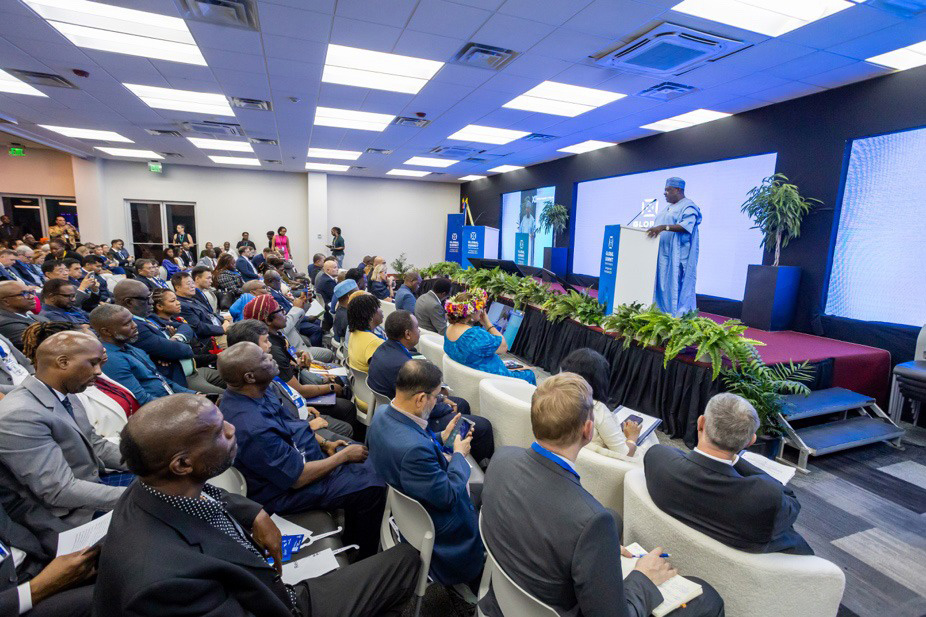
The inaugural Global Summit for Eye Health held at St John’s, Antigua and Barbuda on November 2, 2026. (Courtesy photo)
It brought together governments, multilateral agencies, civil society, private sector players and other partners to accelerate progress towards universal access to eye health services.
Peter Holland, the IAPB chief executive officer, said governments and the private sector need to work together to expand access to sight-saving care, particularly for populations that are often underserved.
“This summit sought to improve lives of many people and help them study, work, care for families and participate fully in society,” Holland said.
He said the growing investment in eye health demonstrates recognition that improving vision is not only a health intervention, but also an investment in human potential, economic growth and sustainable development.
For Uganda, the investment will support tele-ophthalmology, research partnerships and stronger coordination among different sectors and in public hospitals to implement the country's National Eye Health Strategic Plan.
Economic returns
The commitment comes against the backdrop of new evidence from IAPB's Value of Vision analysis, which highlights the economic and social benefits of investing in eye health in Uganda.
"The investment is expected to contribute to improved educational outcomes, reduce depression associated with vision impairment, prevent traffic-related injuries and save lives," Holland said.
Under the commitment, Uganda will strengthen and expand its eye health workforce, scale up community and school-based vision screening programmes and increase access to services for refractive errors and diabetic retinopathy.
The country will also integrate eye health indicators into national health information systems and increase domestic financing for eye health by 20 per cent.
Julius Mujuni, the country lead at VisionSpring Uganda, said stronger partnerships are needed to extend vision services to vulnerable groups, particularly agricultural workers and artisans.
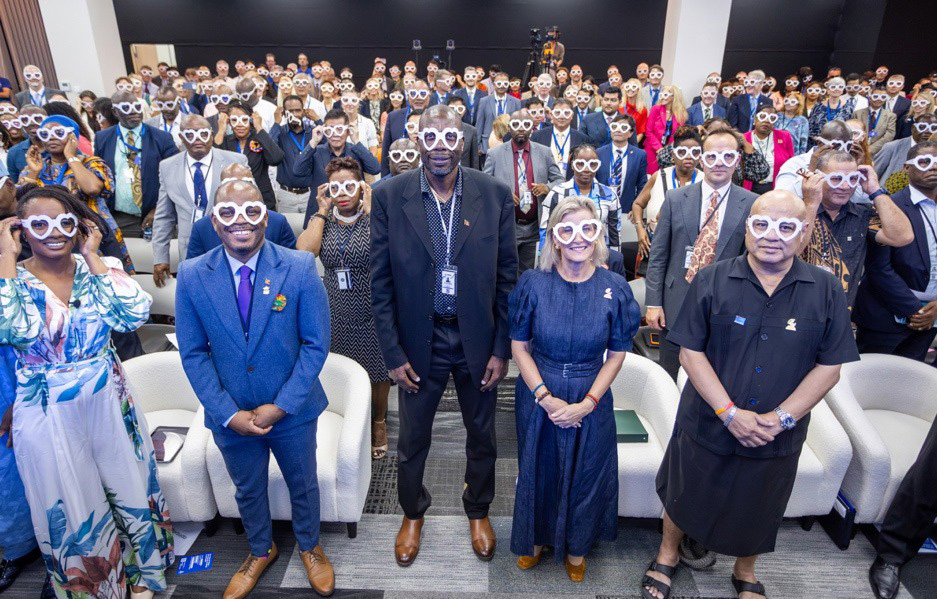
The inaugural Global Summit for Eye Health held at St John’s, Antigua and Barbuda on November 2, 2026. (Courtesy photo)
“Our commitment to correct the vision of 750,000 people in Uganda with eyeglasses by 2030 contributes to the global commitment to reach 20 million more people,” Mujuni said.
He called for increased training and technical assistance to improve demand-generation strategies and ensure the supply of affordable, appropriate eyeglasses.
Mujuni said they would work with partners to strengthen the workforce and service delivery as part of efforts to close the country's vision gap.
National targets
Uganda's commitment is anchored in three national targets to be achieved by 2031.
The first is to integrate a nationally defined package of essential eye care services into 72 per cent of general hospitals and Health Centre IVs.
The second is to increase the national cataract surgical rate from 250 to 800 operations per million people annually, while achieving a 30 per cent increase in effective cataract surgical coverage.
The third target is to increase effective refractive error coverage by 40 percent and establish a sustainable national system that ensures affordable access to eyeglasses.
The targets are intended to expand access to eye care while reducing the number of Ugandans whose education, livelihoods and participation in society are affected by avoidable vision impairment.