
New cancer diagnostic and oncology centre to be set up in Mbarara
UCI leadership said the centre is expected to improve early cancer detection, treatment outcomes, and access to specialised oncology services for patients who currently travel long distances to Kampala for care.
The agreement, signed on May 7 between the Uganda Cancer Institute (UCI) and French healthcare company Tyllium SAS at the French Embassy in Kampala, marked a significant step in Uganda’s efforts to decentralise specialised cancer care and reduce pressure on existing treatment facilities in the capital.
MBARARA - Uganda and France have signed an agreement to establish a modern Diagnostic and Oncology Centre in Mbarara, aiming at expanding cancer treatment services beyond Kampala.
The agreement, signed on May 7 between the Uganda Cancer Institute (UCI) and French healthcare company Tyllium SAS at the French Embassy in Kampala, marked a significant step in Uganda’s efforts to decentralise specialised cancer care and reduce pressure on existing treatment facilities in the capital.
The project, backed by the French government, will see the design, construction, and equipping of a state-of-the-art cancer diagnosis and treatment facility in Mbarara city.
UCI leadership said the centre is expected to improve early cancer detection, treatment outcomes, and access to specialised oncology services for patients who currently travel long distances to Kampala for care.
Dr. Jackson Orem, the Executive Director of the Uganda Cancer Institute, described the project as a transformative step in ensuring equitable access to cancer treatment across the country.
“By establishing a regional centre in Mbarara, we are strengthening early diagnosis, improving treatment outcomes, and ensuring that no Ugandan is left behind in the fight against cancer,” Orem said during the signing ceremony.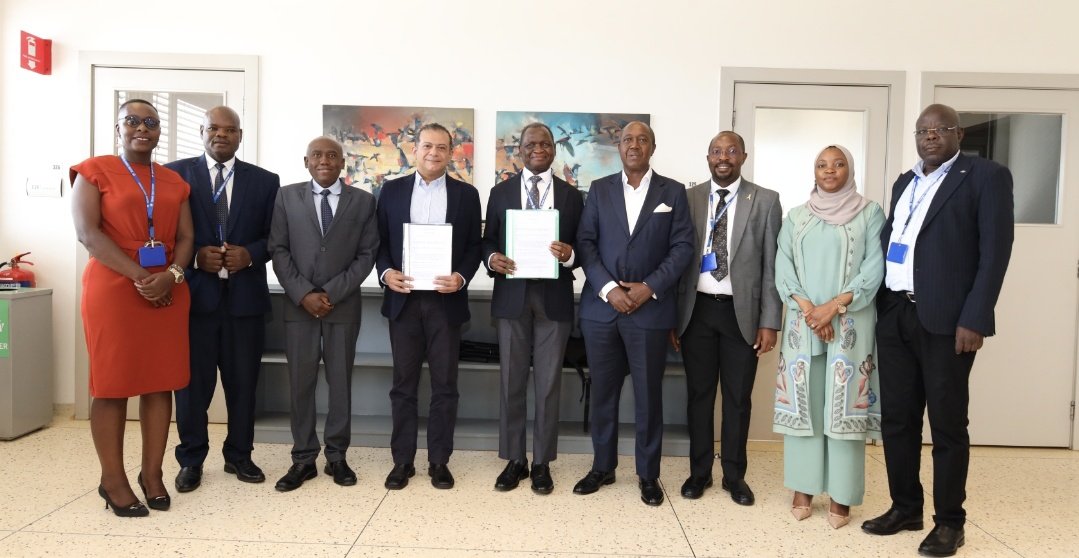
“Currently, the incidence of cancer stands at a staggering 37,000 new cases, and that is just the tip of the iceberg,” Orem said.
“Most of the affected Ugandans are in the countryside, do not have access to care, and they cannot reach where care is being delivered,” he added.
According to Orem, the Mbarara facility will form part of a broader national strategy to decentralise oncology services and bring treatment closer to communities across Uganda.
“What has been lacking is support for that type of plan for decentralisation of our services, and that is exactly what this support is going to give us,” he said.
French Ambassador to Uganda Virginie Leroy said the partnership reflects growing cooperation between Uganda and France in strengthening healthcare systems and improving health outcomes.
“By setting a new oncology centre in Mbarara, we will allow people from the western region and also from neighbouring countries to come and be treated,” Leroy said.
She revealed that the project would also involve collaboration with Gustave Roussy, one of Europe’s leading cancer research institutes, to support access to advanced treatment methods and the latest cancer research developments.
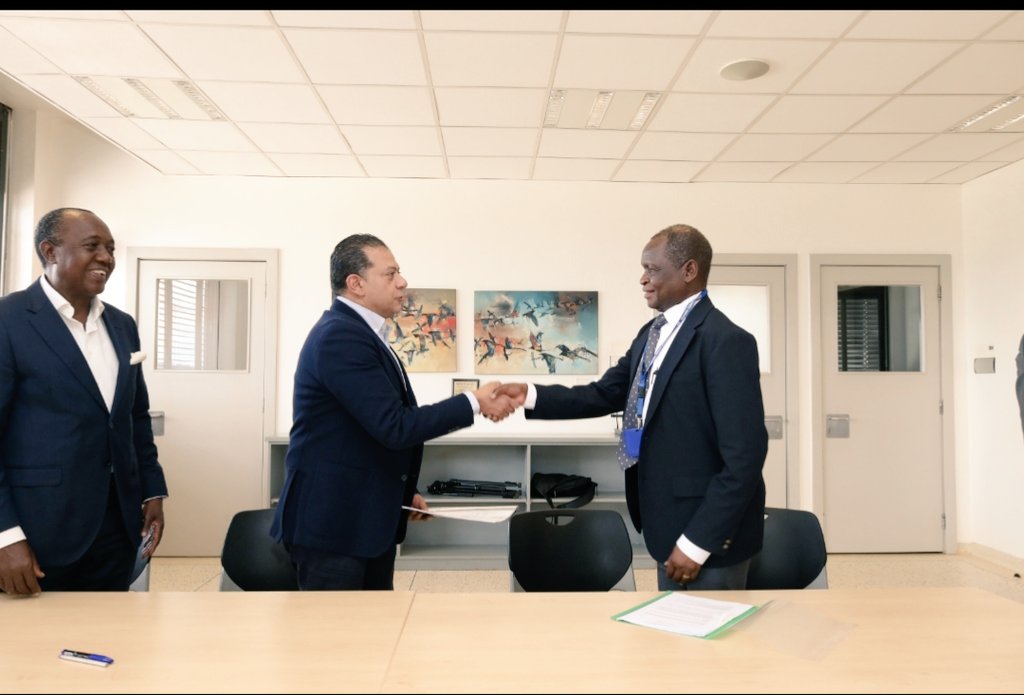
According to Orem, the Mbarara facility will form part of a broader national strategy to decentralise oncology services and bring treatment closer to communities across Uganda.
“You know in cancerology things are moving very fast with very good progress on some treatments, and this partnership will enable Uganda to not be left behind but to benefit from the latest research,” Leroy said.
The signing ceremony took place on the sidelines of a preparatory breakfast meeting hosted by the French Embassy ahead of the Africa Forward Summit talks.
The meeting brought together representatives from the French Chamber of Commerce and Uganda’s Minister of State for Foreign Affairs in charge of Regional Cooperation, Gen. Odongo Jeje Abubakhar.
In a statement, the Ministry of Foreign Affairs said the establishment of the Mbarara Diagnostic and Oncology Centre would significantly reduce the burden of travel for patients seeking specialised cancer treatment.
“The establishment of the Mbarara Centre is a strategic step toward decentralised oncology services, reducing patient travel burdens and improving timely access to life-saving care for communities in Western Uganda and surrounding regions,” the statement noted.
The Government of France reaffirmed its commitment to supporting Uganda’s health sector, describing the project as a reflection of growing bilateral cooperation focused on strengthening resilient health systems.
Once completed, the Mbarara Diagnostic and Oncology Centre is expected to ease congestion at existing treatment facilities and strengthen Uganda’s capacity to manage cancer cases, while positioning the country as a regional hub for specialised oncology services in East Africa.
In 2025, the country recorded an estimated 35,968 new cancer cases and more than 20,000 deaths annually, many linked to late diagnosis and limited access to treatment. Cervical, breast, and prostate cancers remain the most common, with nearly 80% of patients dying within the first year of diagnosis.