
Nearly 90% of Ugandan children face food poverty, UNICEF warns
According to UNICEF, the majority of Ugandan children are affected by what is described as 'child food poverty', a situation where children do not consume a variety of foods essential for healthy growth and development.
Government data shows that 26% of children under five in Uganda are stunted, while 4% are wasted, meaning they are too thin for their height and at immediate risk of death if untreated. An estimated two million children are affected by chronic malnutrition. (Credit: Miriam Namutebi)
KAMPALA - Nearly nine in ten children in Uganda are not getting the diverse and nutritious diets they need to grow, learn and thrive, UNICEF Uganda has warned, raising fresh concern about the country’s deepening nutrition crisis.
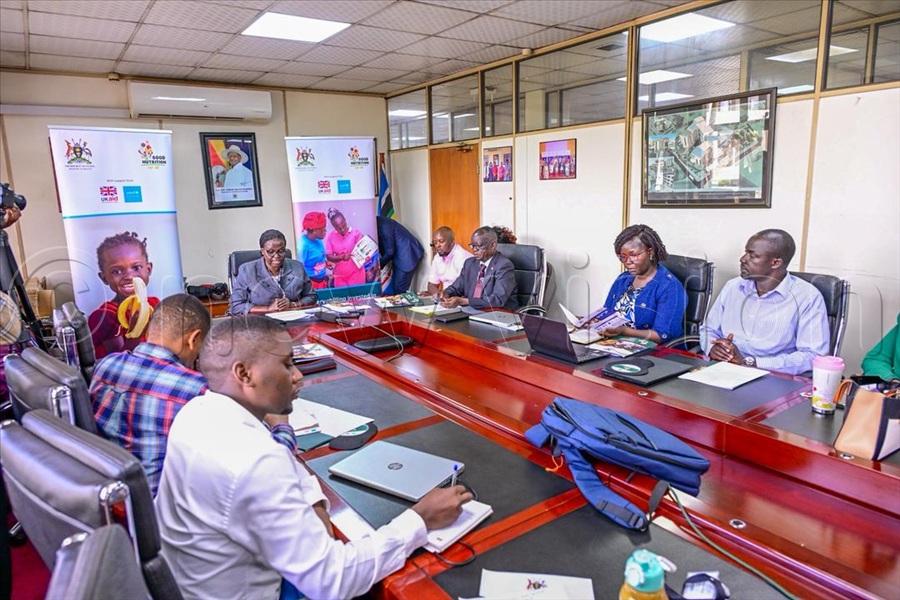
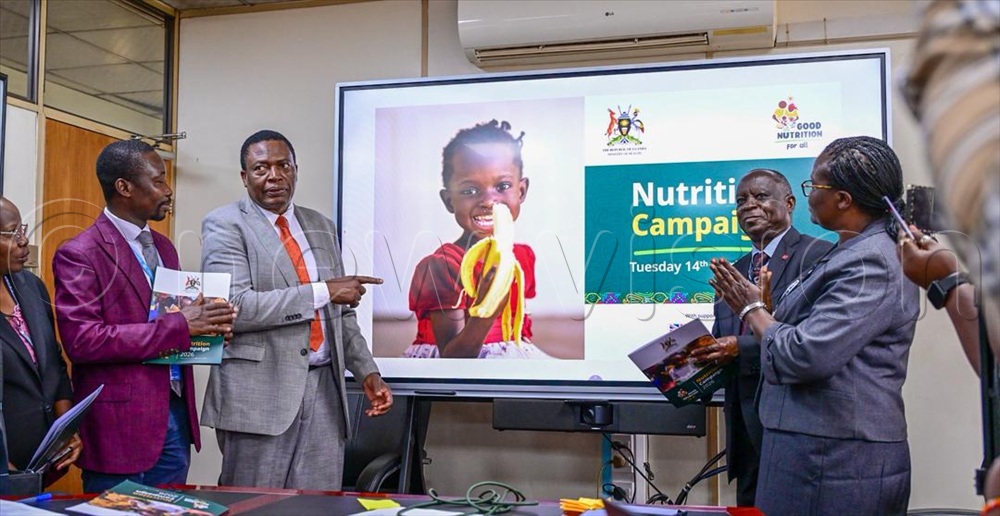
The warning comes as the government, in partnership with UNICEF, launched a new national campaign dubbed “Nutrition for All” at the Ministry of Health headquarters on April 14, 3036, aimed at tackling malnutrition through behaviour change, awareness and stronger community engagement.
According to UNICEF, the majority of Ugandan children are affected by what is described as 'child food poverty', a situation where children do not consume a variety of foods essential for healthy growth and development.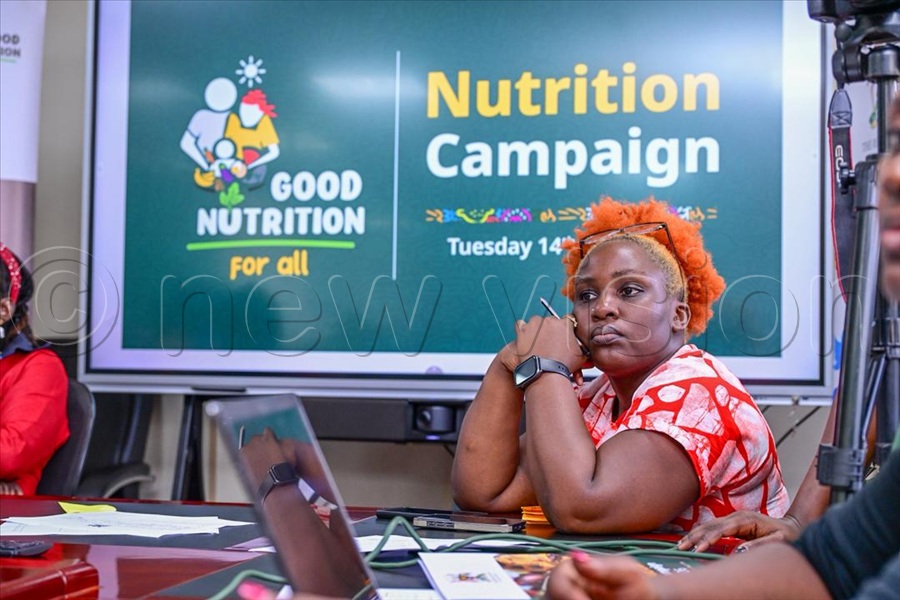
Experts warned that malnutrition in all its forms is driven by poor feeding practices, rising food prices, climate shocks and limited awareness at the household level. (All Photos by Miriam Namutebi)
“In many households, children are not eating the right foods. They may have something to eat, but it is not balanced or nutritious, so this campaign, which will take a first copilot of one month, will help us understand, and then we can scale it up for a year or more,” said Zakaria Fusheini, nutrition manager at UNICEF Uganda.
He explained that while Uganda is often considered food-secure, many families rely heavily on starchy foods such as matooke and cassava, with limited intake of proteins, fruits and other essential nutrients.
Nutrition experts said the consequences are far-reaching.
Poor nutrition in early childhood is linked to stunting, impaired brain development, poor school performance and reduced productivity later in life. It also weakens immunity, increasing vulnerability to disease and death.
Government data shows that 26% of children under five in Uganda are stunted, while 4% are wasted, meaning they are too thin for their height and at immediate risk of death if untreated. An estimated two million children are affected by chronic malnutrition.
According to the Uganda Demographic and Health Survey (UDHS 2022), about 26% (over two million) children under five are chronically malnourished or stunted, while 3% (about 230,000) are wasted and in urgent need of care.
At the same time, another 3% of children are overweight, highlighting a growing but often overlooked challenge.
Beyond this, many children suffer from deficiencies in essential vitamins and minerals such as iron, iodine, zinc and vitamin A, largely due to poor dietary diversity, especially in the critical first 1,000 days of life.
Experts warned that malnutrition in all its forms is driven by poor feeding practices, rising food prices, climate shocks and limited awareness at the household level.
The consequences are severe and include stunting, which causes irreversible physical and cognitive damage, while wasting can be fatal if untreated, and being overweight increases the risk of noncommunicable diseases later in life.
Regions such as Karamoja, Toro and refugee-hosting districts remain the hardest hit due to persistent food insecurity and disease burden.
Ministry of Health officials said the problem is not just about the quantity of food but also its quality.
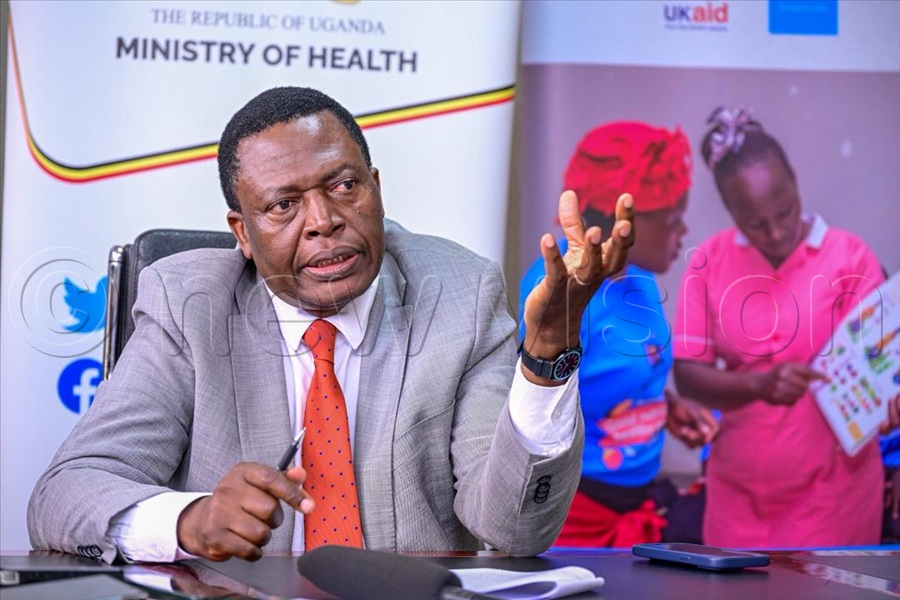
“As we launch this campaign, we must ensure that every child has a healthy start to life. You can have food on your plate and still be malnourished. What matters is dietary diversity,” said Dr Charles Olaro, Director General of Health Services.
The director general called on families, communities, policymakers and the media to support the campaign and drive lasting change in feeding practices.
The newly launched campaign seeks to address these gaps by promoting better feeding practices, particularly during the first 1,000 days of life from pregnancy to a child’s second birthday, when nutrition is most critical.

Zakaria Fusheini, Nutrition Manager UNICEF Uganda.
Assistant commissioner for nutrition Dr Samalie Namukose said the initiative will focus on increasing awareness at the household level, encouraging parents and carers to make better food choices using locally available resources.
“We want communities to understand that good nutrition is everyone’s responsibility. It starts at home,” she said.
The campaign will use radio, television, print media and community outreach programmes to deliver nutrition messages, especially in high-burden regions such as Karamoja, Toro and refugee-hosting districts.
The UNICEF nutrition manager said the campaign also aims to shift the country’s approach from treating malnutrition to preventing it by addressing underlying causes such as poor feeding practices, limited awareness and inadequate access to diverse foods.
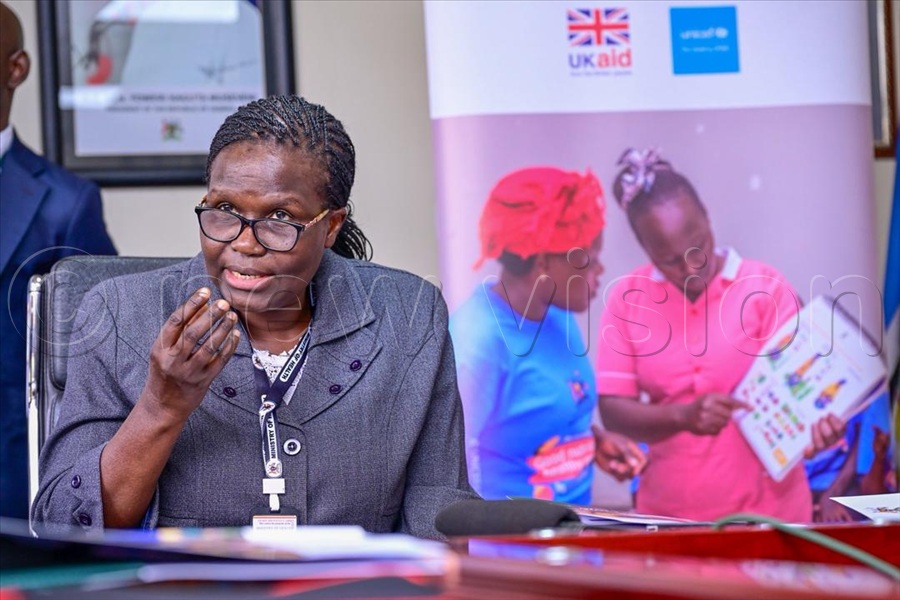
Dr.Samalie Namukose, Assistant Commissioner Nutrition.
Beyond health, officials emphasised that nutrition is a key driver of national development.
“Children who are not well nourished cannot learn well, cannot grow well and cannot contribute to the economy in the future,” Fusheini said.
He added that investing in nutrition is one of the most cost-effective strategies a country can adopt, with global evidence showing that every dollar invested can yield up to $23 in returns through improved health, education and productivity.
Despite progress in recent years, Uganda remains off track in reducing stunting at the pace required to meet global targets, underscoring the need for renewed efforts.