
Kampala unveils plan to boost vaccinations uptake
Prof. Charles Olaro, the Director General of Health Services, said the introduction of CHEWs in Kampala would strengthen the delivery of essential health services at the community level.
According to the leaders and experts, Kampala presents a different challenge from rural areas where community health workers have traditionally played a major role in connecting households to health services.
KAMPALA - Kampala is set to deploy Community Health Extension Workers (CHEWs) to take primary healthcare services closer to households, with the new workforce expected to help identify children who have missed routine vaccinations.
Prof. Charles Olaro, the Director General of Health Services, said the introduction of CHEWs in Kampala would strengthen the delivery of essential health services at the community level.
The rollout, he added, will strengthen access to essential health services, including routine immunisation, as the government seeks to ensure that no child is left behind.
“A healthy population is the foundation for lifting communities out of poverty. Rolling out CHEWs in Kampala will strengthen access to essential health services, including routine immunisation, ensuring that no child is left behind,” Prof. Olaro said.
On August 7th, during the Kampala Capital City Authority (KCCA) health department at City Hall.
According to the leaders and experts, Kampala presents a different challenge from rural areas where community health workers have traditionally played a major role in connecting households to health services.
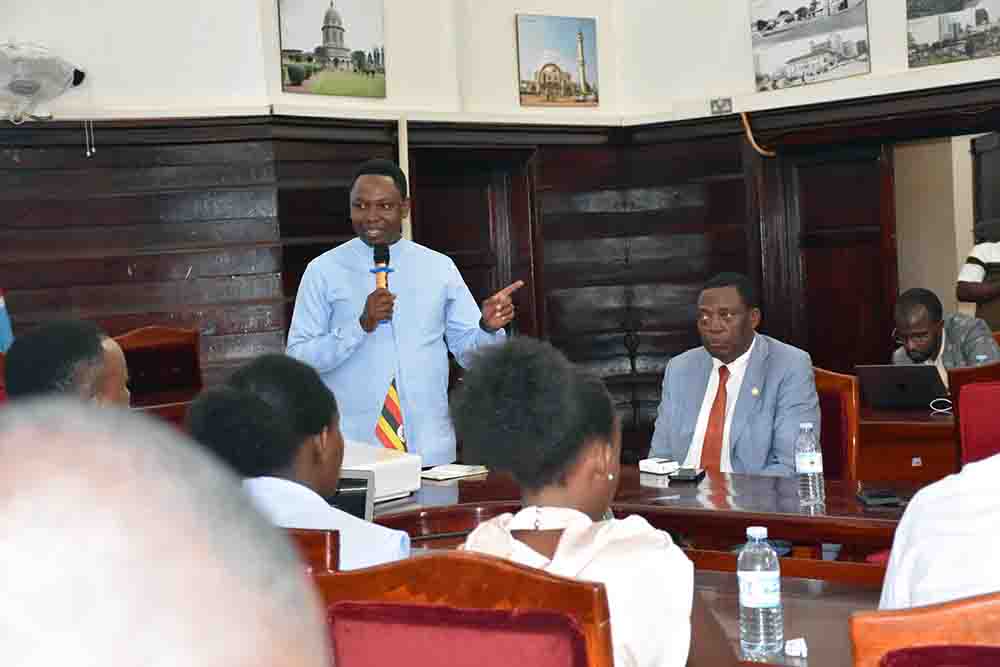
Prof. Charles Olaro, the Director General of Health Services, said the introduction of CHEWs in Kampala would strengthen the delivery of essential health services at the community level.
The city has also registered low levels of vaccination uptake, a challenge that the Ministry of Health wants to address with this rollout.
Dr. Richard Kabanda, the commissioner for health promotion, education, and strategic communication at the Ministry of Health, said Kampala provides an opportunity to understand how community health services can be delivered in a fully urban setting.
“The CHEWs program is a good entry point for us to understand the dynamics of delivering community health services in an urban environment,” he said.
The CHEWs will work at the parish and village level where they are expected to help identify health needs within communities and link residents to appropriate services.
Dr. Kabanda said for immunisation, their role will include helping communities access routine vaccination services and identifying children who may have missed vaccines.
He urged implementing partners to work with existing community health structures rather than creating parallel systems.
Dr. Sarah Zalwango, the Director of Public Health, said the start of CHEW training and implementation in Kampala marked a significant milestone in strengthening primary healthcare in the capital but clarified that the new workers will, however, not replace Village Health Teams (VHTs).
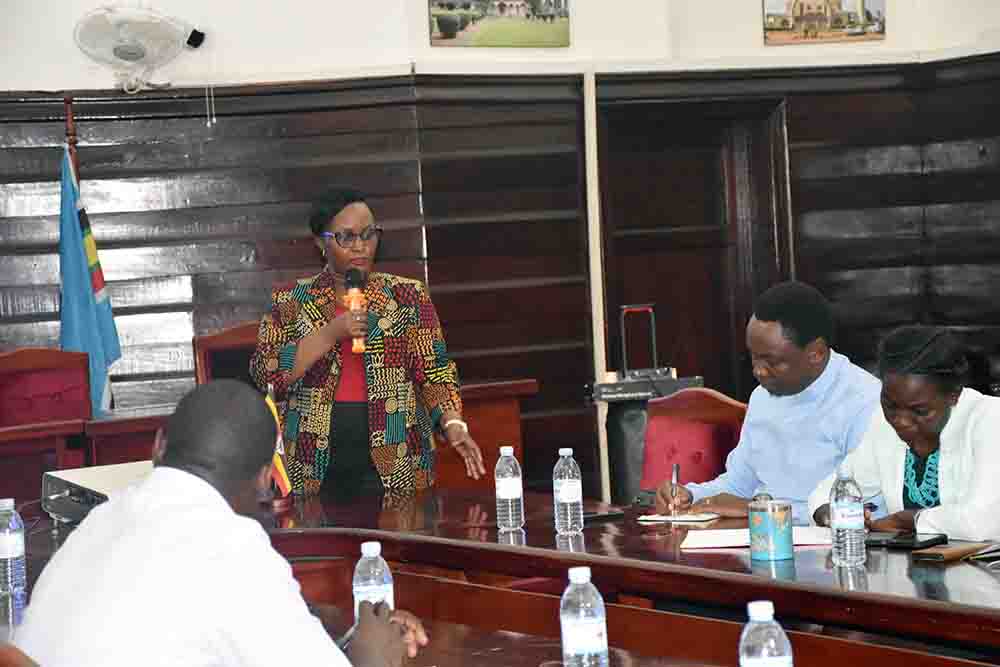
“Health is made at home and only repaired at the health facility. We are now training and equipping a formal community health workforce to strengthen primary health care at the grassroots,” she said.
The Kampala rollout is supported by the US government through the Infectious Diseases Institute at Makerere University, and these are selected through a community-led process at the parish or ward level.
Assistant Commissioner Dr. Ronald Miria Ocaatre said the workers would receive a monthly stipend after satisfactory submission of their reports, with the reporting system intended to support accountability and sustained service delivery.
Uganda has so far rolled out CHEWs in 69 districts and cities, with a total of 8,904 workers deployed to provide essential health services closer to communities.
According to the Ministry of Health, the general vaccine uptake across Uganda in 2026 shows strong overall administrative coverage in routine immunisations (averaging 80% to over 90% for core antigens), though regional disparities and dropout rates persist.
High-performing districts are concentrated in parts of the Central, Bugisu, and Bukedi regions, while remote, rural, or rapidly expanding peri-urban settings (such as parts of Wakiso and Karamoja) report immunity gaps and localised outbreaks.