
IDI urges sustained HIV care systems as Uganda transitions to domesticated model
“Our concern is that HIV care is not just about dispensing ARVs. It is about the support systems that keep patients engaged in treatment, prevent dropouts, and ultimately stop new infections," said Dr Andrew Kambugu, the executive director of IDI.
The event called for collective action to safeguard Uganda’s progress in reducing new HIV infections and improving the quality of life for people living with HIV. (Credit: Juliet Lukwago)
Dr Shaban Mugerwa, the Equity Plan Coordinator at the Uganda AIDS Commission, hands over a copy of the book titled Building a Brighter Future to IDI Director Dr. Andrew Kambugu during World AIDS Day at the IDI offices in Mulago. (Credit: Juliet Waiswa)
As Uganda turns to a domesticated HIV response programme, the Infectious Diseases Institute (IDI) has welcomed the move but cautioned against potential disruptions.
The institute has called for sustained HIV care systems during this transition.
These systems include counselling, patient follow-up, and adherence support, and are crucial to maintaining viral suppression rates and preventing new infections and drug resistance.
“Our concern is that HIV care is not just about dispensing ARVs. It is about the support systems that keep patients engaged in treatment, prevent dropouts, and ultimately stop new infections," said Dr Andrew Kambugu, the executive director of IDI.
He said institute must maintain these structures amid strengthening of local ownership.
IDI emphasises the need to move forward with the domestic programme without undermining the hard-won gains achieved over the past two decades.
Kambugu made the comments during IDI's celebration of World AIDS Day at the IDI Mulago campus in Kampala.
This year, the global theme for the commemoration was 'Overcoming disruption, transforming the AIDS response'.
The transition to a country-led HIV response model was driven by shifting global funding priorities.
This means the Ugandan government of Uganda taking full ownership and financing of its national HIV response, moving away from a heavy reliance on external donor funding like PEPFAR (US President's Emergency Plan for AIDS Relief).
The move emphasises local empowerment and sustainability, though it comes with challenges in maintaining proven care systems.
IDI said it has anticipated this, viewing it as a vital step toward local sustainability but also recognises the need to maintain essential services and human connections that ensure patient engagement and viral suppression.
"We have been carrying out scenery planning for the institute as part of strategic plans," said Kambugu.
IDI has had to reduce the number of its staff because there are areas of support that have been withdrawn.
“There are programmes like voluntary medical male circumcision (VMMC) which has seen millions circumcised in two regions of the country carrying out work. This funding has stopped because of there are no resources,” said the institute's head.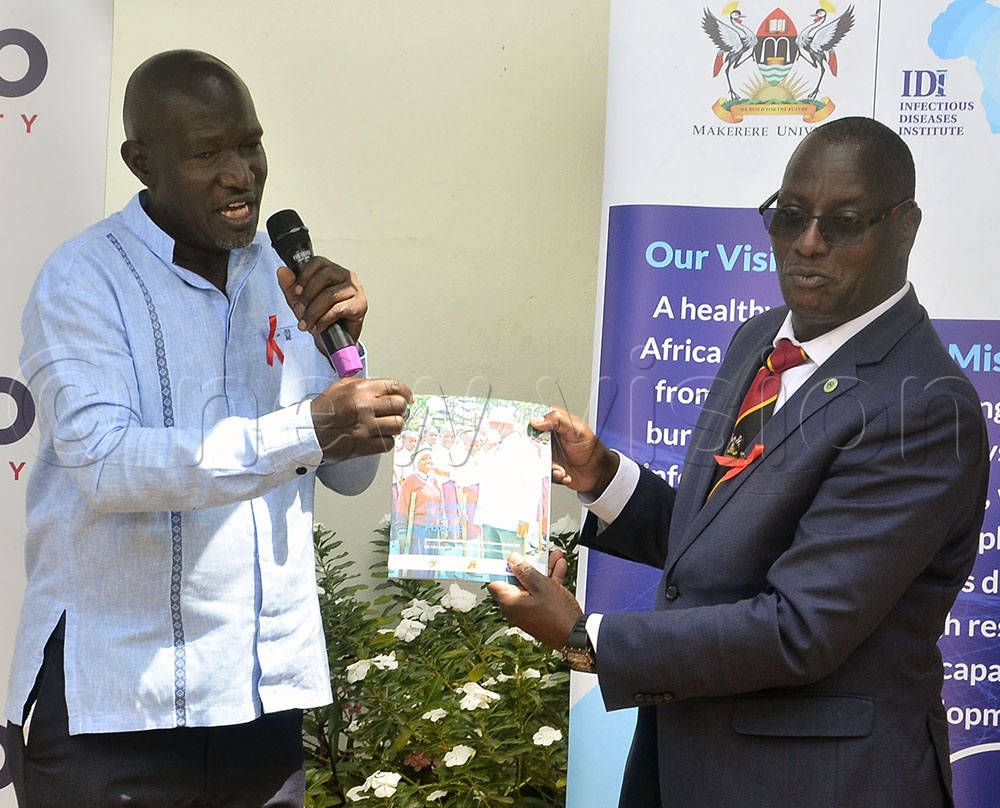
'Collaboration and innovation'
The funding plug was also pulled on a programme (DREAMS - Determined, Resilient, Empowered, AIDS-free, Mentored, and Safe) that supported young, vulnerable adolescents who had acquired HIV.
As a result, all the human resource that has been handling this programme was also laid off.
"Currently, we have diversification of funds from foundations like the MasterCard, Gates, others are from Europe and Asia, plus other private sector," said Kambugu.
“We are looking at government to enrol doctors, nurses and counsellors into the government facilities. Since they have been counselling HIV patients, they can also counsel other patients with other illnesses."
The commemoration brought together policymakers, health professionals, patients, and partners to reflect on the future of HIV care in Uganda.
“We are committed to collaboration and innovation, but we must make sure that systems developed over the years, like community follow-up and adherence support, are maintained within the new framework,” said Dr Ahmed Ddungu, the programmes director at IDI.
Representing health ministry permanent secretary Dr Diana Atwine, Dr Susan Wandera Kayizzi reaffirmed the government’s commitment to a patient-centred and evidence-based HIV response.
“The Ministry of Health values the contribution of institutions like IDI and other partners who have supported Uganda’s HIV fight. As we transition to a homegrown model, we shall ensure these support systems are upheld," she said.
Flavia Kyomukama, the executive director of the National Forum of People Living with HIV/AIDS Networks Uganda (NAFOPHANU), shared a personal testimony on the importance of continued community support and counselling.
“Without follow-up and guidance, it’s easy to lose track of treatment. The support I received at IDI has kept me healthy and hopeful,” she said,
The event called for collective action to safeguard Uganda’s progress in reducing new HIV infections and improving the quality of life for people living with HIV.