
NDA moves to rein in unlicensed herbalists in Teso
“Locally made herbal products dominate the market compared to imported ones. However, most of these medicines have not been notified to the NDA,” said Dr Michael Mutyaba, the manager for traditional and complementary medicine at the authority.
Dr Michael Mutyaba, the manager for Traditional and Complementary Medicine iterects with Dr Jennifer Aujo and Emmanuel Ekodeu the Soroti district drug inspector. (Credit: Godfrey Ojore)
TESO - The growing number of herbalists in the Teso sub-region has raised concern among regulators, with the National Drug Authority (NDA) warning that many practitioners are operating without licences and selling unverified products.
Herbal medicine has become increasingly popular across the country as many people turn to traditional remedies for treatment. However, health professionals say the safety and quality of some of these medicines remain uncertain.
Officials from the NDA, the body mandated to ensure access to safe, effective and quality human and veterinary medicines, have raised a red flag over the failure by many herbalists in Teso to comply with regulatory guidelines.
“Locally made herbal products dominate the market compared to imported ones. However, most of these medicines have not been notified to the NDA,” said Dr Michael Mutyaba, the manager for traditional and complementary medicine at the authority.
Product notification is a process through which herbal medicines are assessed for safety and quality. It is also a requirement for obtaining authorisation to advertise such products.
According to Saidi Waiswa, the coordinator of herbalists in Teso, the region has about 1,500 practitioners registered under the Uganda Herbalists and Cultural Association of Uganda.
However, many of them have not yet obtained licences from the NDA, making their operations illegal.
“It is true that some of our members are not yet licensed, but we are working with the NDA to ensure they regularise their operations,” Waiswa said.
Dr Jennifer Aujo, the NDA regional manager for the East and North, said the situation remains a major concern in the region.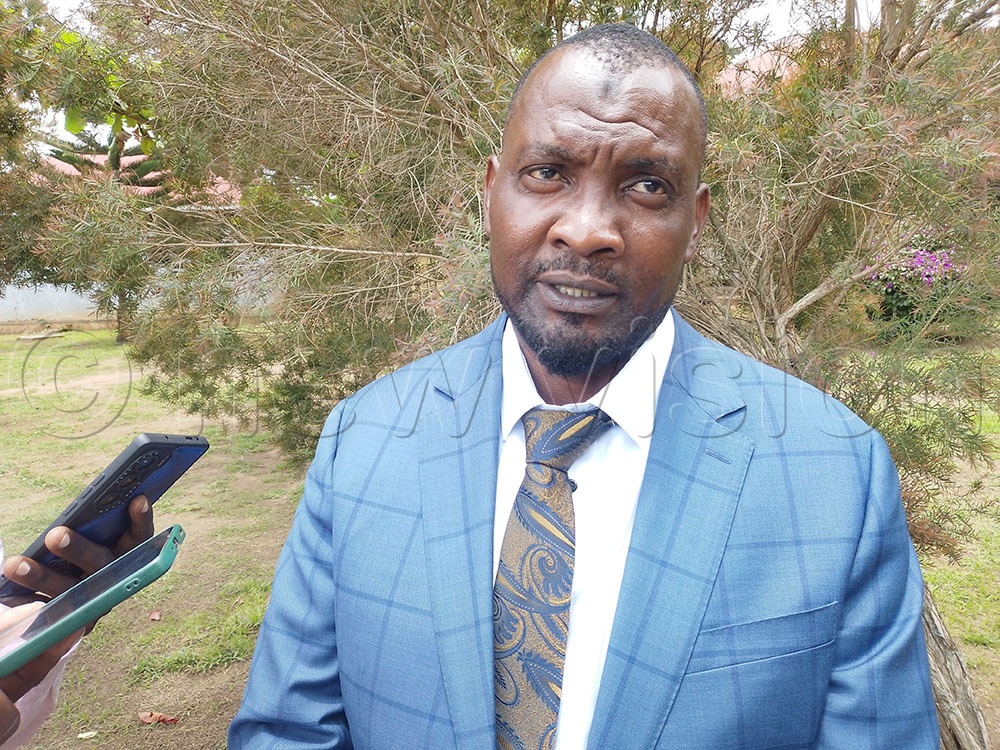
Saidi Waiswa, the coordinator of herbalists in Teso speaking to the media after the meeting with the NDA. (Credit: Godfrey Ojore)
“That is why we invited them for a sensitisation meeting to understand the importance of notifying and licensing their products,” Dr Aujo said during a half-day engagement with herbalists in Soroti city on Tuesday (March 10).
She explained that failure to follow the required standards could deny local herbalists opportunities to expand their businesses beyond Uganda.
“Some of you operate in places with poor hygiene and weak structures. Medicines should be prepared in permanent premises, and children should not be allowed to play where drugs are prepared because they can contaminate them,” she advised.
Emmanuel Ekodeu, the Soroti district drug inspector, said only two herbalists in the area are currently registered with the NDA despite the large number operating in the region.
Meanwhile, herbalists defended their work and sought to distance themselves from witchdoctors, saying their practice is based purely on herbal medicine.
“We are often associated with witchcraft, which is not true. We do not keep shrines in our homes, and we practise openly using herbal medicines,” said Margaret Amunot, one of the practitioners.
On the issue of hawking herbal drugs, Daniel Omoding said some practitioners move around communities to reach patients who cannot afford transport to town.
“We rent places where we sell our products, but we also reach out to our clients in the villages so we can serve them more easily. However, since the NDA has advised against hawking, we shall comply,” Omoding said.
The NDA regulates the importation, manufacture, exportation, distribution and registration of pharmaceuticals and medical devices in Uganda.
Officials hope that increased sensitisation and compliance with guidelines will improve the safety and quality of herbal medicines used by the public.