
Govt expands newborn care as Uganda battles premature births
The units, commissioned on November 13, 2026, by Dr Richard Mugahi, the commissioner for reproductive and infant health, are part of government efforts to improve the survival of premature and critically ill newborns.
The government has expanded specialised newborn care services in eastern Uganda, with new neonatal care units commissioned at health centre IVs in Pallisa, Butebo and Kibuku districts. (Courtesy photo)
_________________
The government has expanded specialised newborn care services in eastern Uganda, with new neonatal care units commissioned at health centre IVs in Pallisa, Butebo and Kibuku districts, as the country grapples with up to 150,000 premature births annually.
The units, commissioned on November 13, 2026, by Dr Richard Mugahi, the commissioner for reproductive and infant health, are part of government efforts to improve the survival of premature and critically ill newborns.
The development follows similar investments in the three districts, aimed at bringing specialised newborn care closer to families and reducing deaths among babies who require immediate medical attention after birth.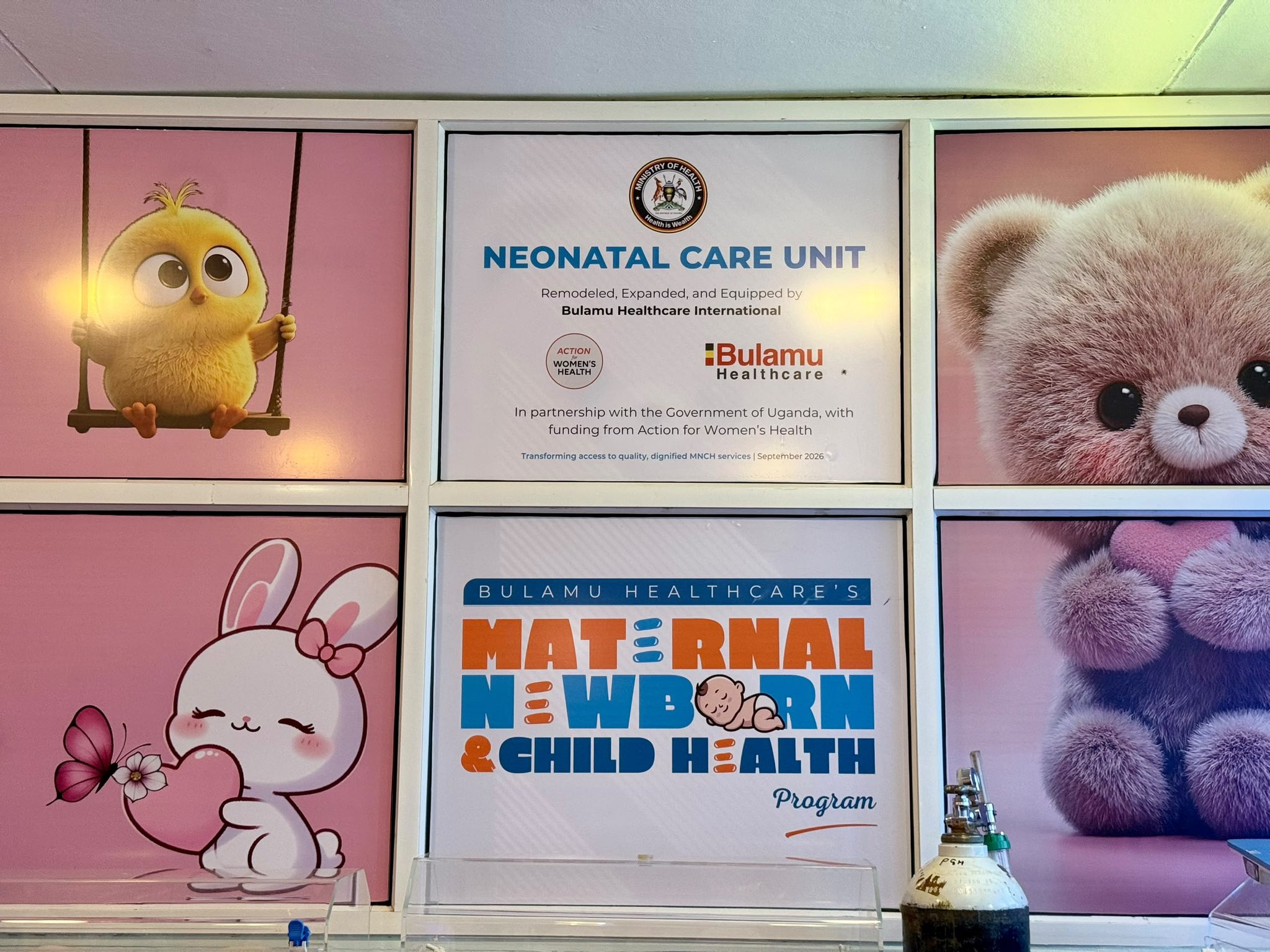
The government has expanded specialised newborn care services in eastern Uganda, with new neonatal care units commissioned at health centre IVs in Pallisa, Butebo and Kibuku districts. (Courtesy photo)
The expansion comes as Uganda continues to grapple with newborn mortality, which declined from 27 deaths per 1,000 live births in 2016 to 22 in 2022, despite a 44% reduction in maternal deaths over the same period.
With about two million births recorded annually, the country faces a substantial burden of premature deliveries. Babies born before 37 weeks of pregnancy are particularly vulnerable to breathing difficulties, infections and feeding complications.
Speaking ahead of the World Prematurity Day commemoration in Kampala, Dr Mugahi said strengthening newborn care infrastructure was critical to improving survival.
According to the Ministry of Health, of the 83 health centre IVs expected to provide newborn care, only 45 have functional units, leaving 38 without operational services. The shortage of essential medicines further threatens the survival of premature babies.
The government is procuring about 4,000 doses of caffeine citrate against an estimated annual requirement of 25,000 doses. The medicine is used to treat apnoea of prematurity, a condition in which babies experience repeated pauses in breathing.
Another critical medicine, surfactant, which helps premature babies breathe by improving lung function, costs between sh800,000 and sh900,000 per dose, making access difficult for families unable to afford private treatment, according to Mugahi.
Training neonatal specialists
Uganda is also developing its neonatology workforce through a two-year fellowship programme accredited by Makerere University, targeting at least 40 specialists by 2030. About 15 doctors are currently in the programme or training pipeline.
The country, however, still lacks a level-four specialised newborn care unit, which provides the highest level of neonatal care.
Primary health care state minister Charles Ayume said improving newborn survival required investment not only in facilities and equipment but also in skilled personnel and reliable services.
He called for better coordination between midwives, obstetricians and paediatricians to ensure babies with complications receive timely attention when transferred from labour wards to newborn units.
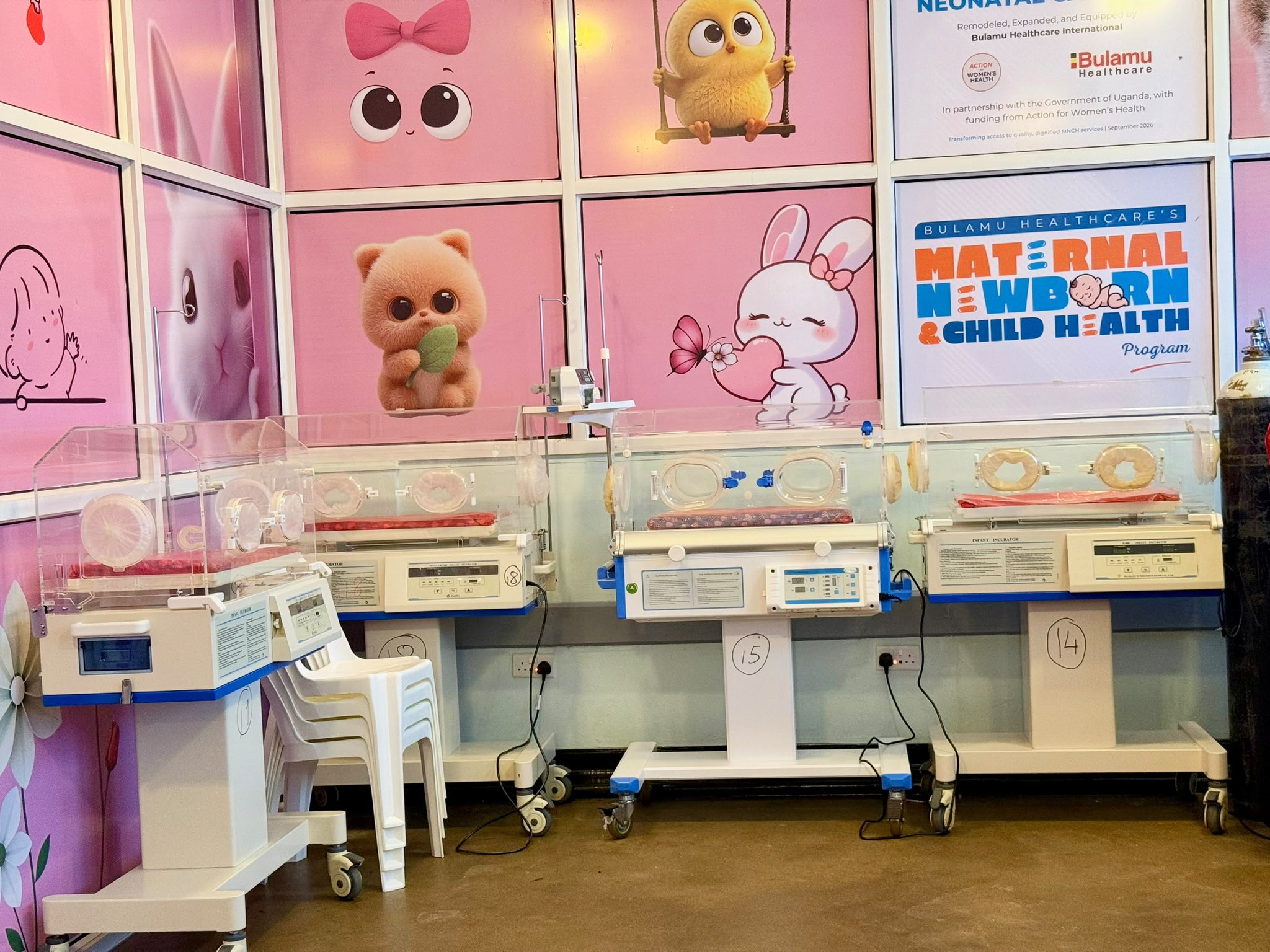
The government has expanded specialised newborn care services in eastern Uganda, with new neonatal care units commissioned at health centre IVs in Pallisa, Butebo and Kibuku districts. (Courtesy photo)
The ministry is implementing the Accelerated Newborn Implementation Plan to strengthen care across different levels of the health system, from basic newborn services at lower-level facilities to intensive care at referral hospitals.
Ministry data presented at the briefing showed that correct use of the partograph, a tool for monitoring labour and identifying complications, was reported at 86% in lower-level facilities, compared with 34% in regional referral hospitals.
Birth asphyxia, which occurs when a baby does not receive enough oxygen before, during or immediately after birth, remains one of the leading causes of newborn deaths. Health officials reported that its contribution to newborn deaths had declined from a peak of 60 per cent in 2022–23 to 46% in the latest figures.
However, infections, particularly sepsis, are emerging as another major threat, highlighting the need for stronger infection prevention and prompt treatment in health facilities.
The Ministry also reported that 52% of recorded perinatal deaths involved babies born at normal birth weight, suggesting that newborn deaths are not limited to premature or underweight babies. The quality and timeliness of care during and after delivery also matter.
Prof. Charles Olaro, the director general of health services, said the first hours and days after birth were particularly critical, requiring health workers to identify complications early and intervene before a baby's condition deteriorates.
World Prematurity Day, observed annually on November 17, raises awareness about premature births and the challenges faced by babies born too early and their families. Uganda held its national commemoration in Pallisa on November 13.