
Experts warn delayed sickle cell diagnosis fuels preventable child deaths
Speaking during the launch of the Continental Plan for Sickle Cell Disease and Other Hereditary Blood Disorders in Kampala on May 13, 2026, Dr Kasonde Mwinga, the World Health Organisation representative in Uganda, warned that many children across Africa are only diagnosed after severe complications emerge.
The Minister of State for Health (Primary Health Care), Margaret Muhanga, said Uganda is now developing a national strategy aimed at strengthening early diagnosis and treatment of sickle cell disease. (Courtesy photo)
________________
Thousands of African children born with sickle cell disease are still being diagnosed too late, a delay health leaders say is contributing to preventable deaths, repeated hospital admissions and lifelong suffering for families.
Speaking during the launch of the Continental Plan for Sickle Cell Disease and Other Hereditary Blood Disorders in Kampala on May 13, 2026, Dr Kasonde Mwinga, the World Health Organisation representative in Uganda, warned that many children across Africa are only diagnosed after severe complications emerge.
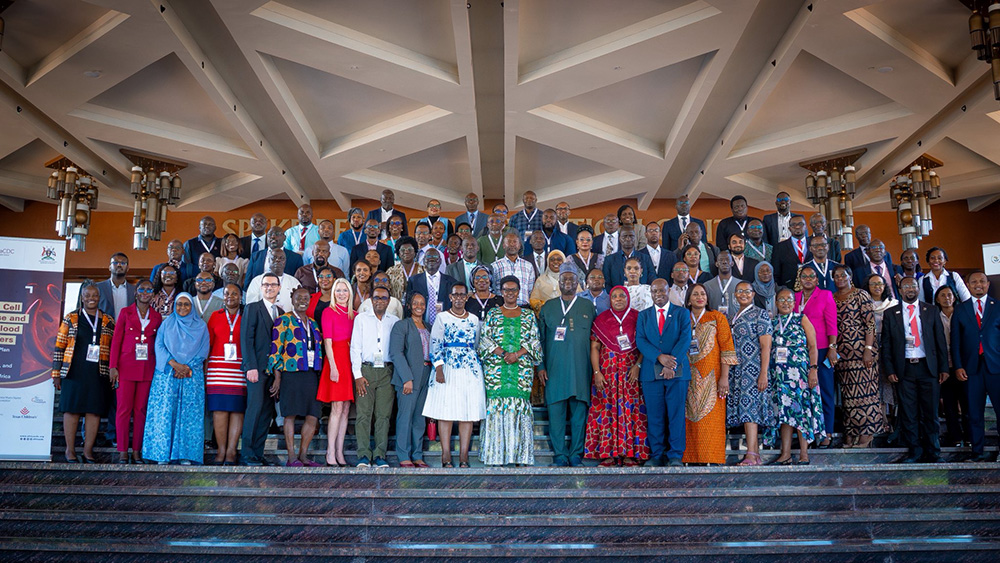
The three-day meeting, held at Speke Resort Munyonyo, brought together more than 176 delegates from 44 African countries, the United States and Denmark to discuss ways of strengthening screening, treatment and prevention of hereditary blood disorders.
“Africa bears over 80% of the global burden of sickle cell disease. Having cared for children in pain during my clinical days, this issue has remained close to my heart. Sickle cell disease is preventable, and we can change this trajectory together.” Dr Mwinga said.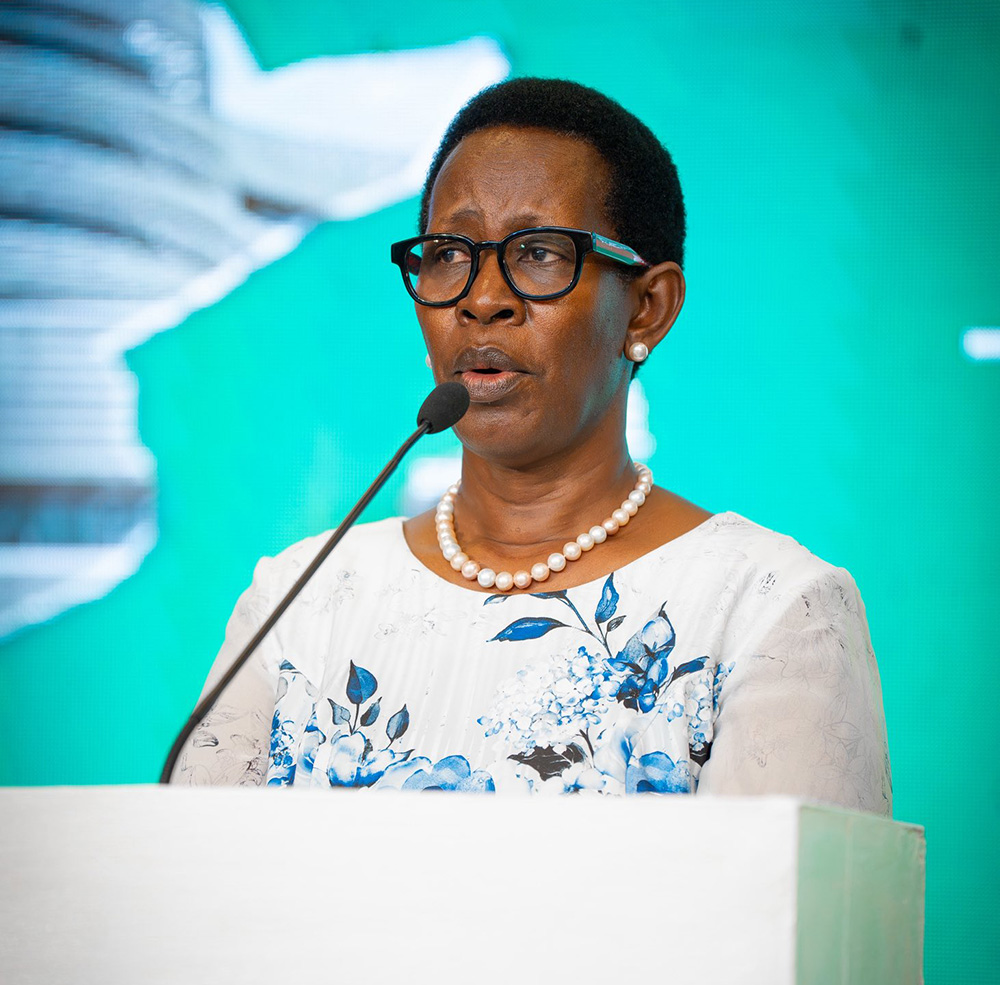
Diana Atwine, Permanent Secretary in the Ministry of Health, said families living with sickle cell disease have continued to suffer silently. (Courtesy photo)
Dr Mwinga said many hereditary blood disorders across Africa remain undiagnosed until children develop severe pain crises, infections, strokes or organ complications.
She pledged that the World Health Organisation would continue supporting African countries to integrate sickle cell services into primary health care systems, strengthen laboratory services and expand access to lifesaving treatment.
Sickle cell disease is an inherited blood disorder that affects the shape and function of red blood cells, reducing oxygen flow in the body and causing chronic pain, anaemia and organ damage.
In Uganda, the disease remains one of the major contributors to under-five mortality, with about 20,000 children born with the condition every year.
Diana Atwine, Permanent Secretary in the Ministry of Health, said families living with sickle cell disease have continued to suffer silently despite the emotional and economic burden associated with the condition.
“While diseases like HIV attracted major global support and investment, many families affected by sickle cell disease have continued to suffer silently despite the enormous emotional, social and economic burden,” Dr Atwine said.
“Any parent understands the pain of seeing a child sick, but families living with sickle cell disease endure this pain repeatedly and for a lifetime,” she added.
Dr Atwine noted that many parents only discover their children have sickle cell disease after repeated hospital admissions and worsening health conditions, something she said highlights the urgent need for community awareness and early screening.
She said the Ministry of Health is now prioritising newborn screening, premarital counselling and public education campaigns to help reduce the burden of the disease, adding that the government plans to make hydroxyurea more accessible in public health facilities through the essential medicines list.
The Minister of State for Health (Primary Health Care), Margaret Muhanga, said Uganda is now developing a national strategy aimed at strengthening early diagnosis and treatment of sickle cell disease.
“We must act decisively to prevent avoidable deaths through early detection and strong primary health care,” Muhanga said, adding that Uganda’s national strategy on sickle cell disease will be ready within the next 12 months.
Muhanga said Uganda’s integration of sickle cell screening into early infant diagnosis platforms demonstrates that early detection can be scaled even in resource-limited settings.
She also highlighted Uganda’s local production of diagnostic kits as a major breakthrough that could improve access to testing and reduce delays in diagnosis.
According to the Ministry of Health, delayed diagnosis remains one of the biggest challenges facing sickle cell patients, especially in rural communities where access to specialised screening services is still limited.
Health leaders attending the conference also called for improved access to hydroxyurea, a medicine used to reduce painful crises and complications among sickle cell patients.