
Communities equipped to survive after foreign aid cuts
The cuts have also affected beneficiaries who relied on aid to meet their basic needs, including refugees, persons with disabilities (PWDs), youth, children and pregnant women.
Some of the stakeholders who attended the convention. (Photos by Maureen Nakatudde)
________________
Since the second inauguration of President Donald Trump in January 2025, foreign aid to African countries, including Uganda, has dwindled, forcing some non-governmental organisations to close while others struggle to survive.
The cuts have also affected beneficiaries who relied on aid to meet their basic needs, including refugees, persons with disabilities (PWDs), youth, children and pregnant women.
According to the Mo Ibrahim Foundation’s August 2025 report, only 891 (14%) of the 6,256 USAID programmes operating in January remained by May 2025. Their value had fallen to $69 billion, from $120 billion on January 20, 2025. Other countries, including Germany and the United Kingdom, have also reduced foreign aid.
David Gergaim Robin, Acting Head of Cooperation, French Embassy. 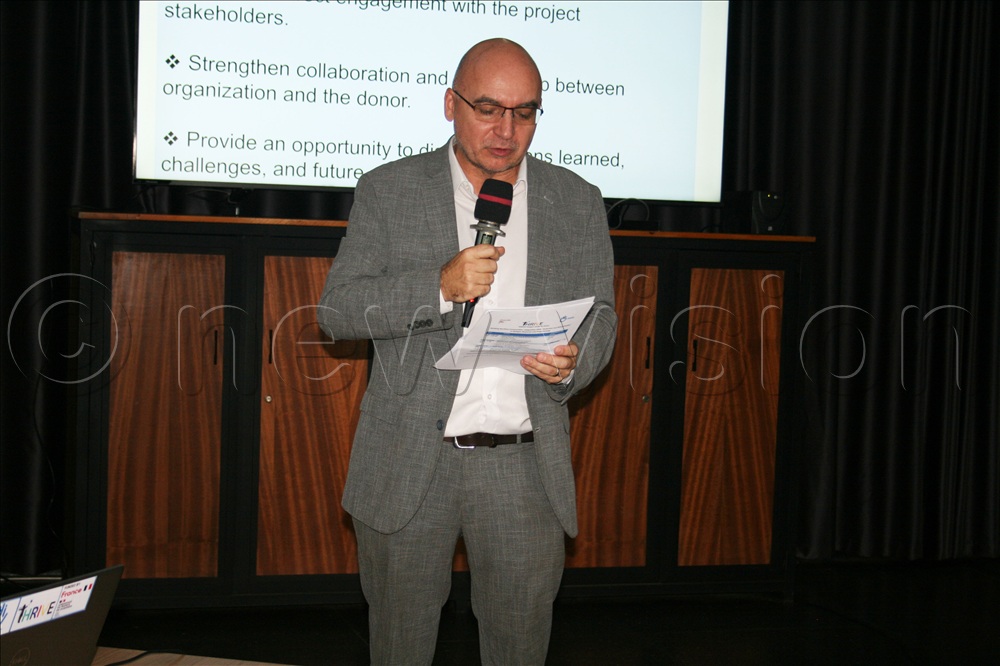
As the one-year Tackling Health and Rehabilitation Needs for Inclusiveness (THRIVE) project at Nakivale Refugee Camp in Isingiro District came to an end, stakeholders met on August 25, 2026, at Fairway Hotel to discuss how programmes supporting vulnerable communities could continue without relying heavily on foreign aid.
David Gergaim Robin, Acting Head of Cooperation at the French Embassy in Uganda and guest of honour, said France remained committed to supporting Uganda’s progressive refugee policy.
“A policy based on inclusion, protection, on access to services for refugees and host communities,” Robin said.
He said that although the THRIVE project had ended, France hoped the government would continue integrating refugee services into the country’s broader public services.
Robin also revealed that the French Development Agency, in coordination with the National Water and Sewerage Corporation, was working on a project to supply water to Nakivale Refugee Camp.
Integrating services
“We do not want segregation,” Ngobi said. “We want to make sure that everyone is included in our plans.”
He said one way of improving access to quality, integrated sexual and reproductive health and rights (SRHR) services was to strengthen rehabilitation, particularly through community-based approaches.
Martin Ssennoga, a programme manager at the National Union of Disabled Persons of Uganda (NUDIPU), said training health workers in sign language would improve access to health services for deaf people.
Dr Aggrey Ngobi from the office of the Prime Minister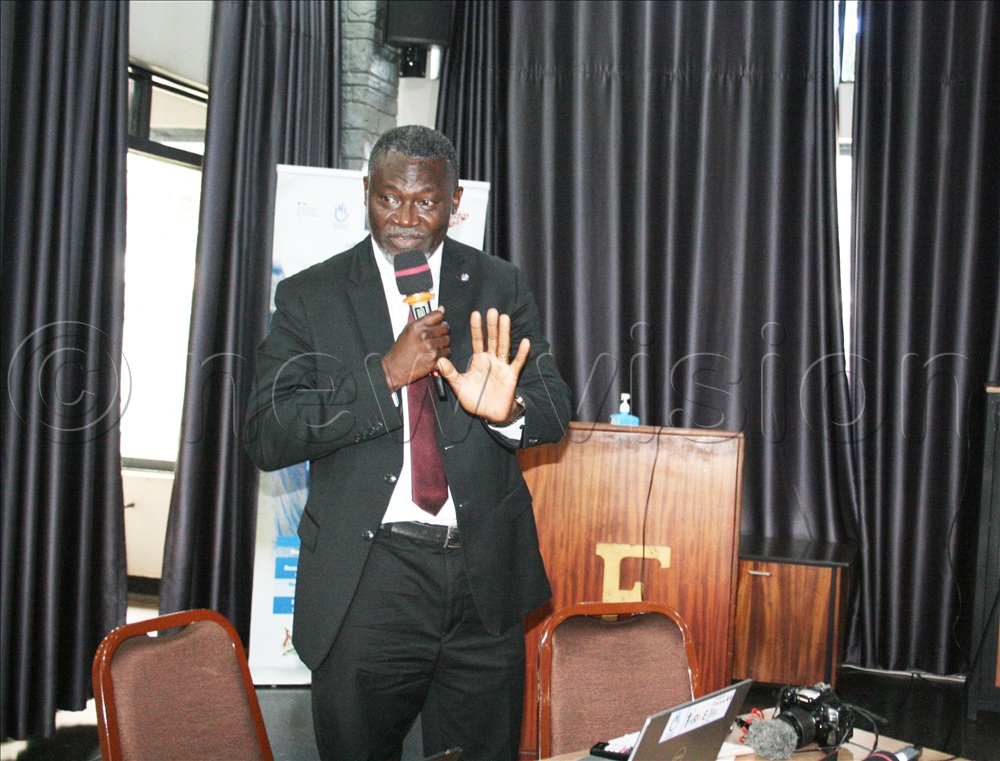
“If a person with a disability came to a health centre to access family planning services, they should get the physiotherapy services, mental health support and any kind of support they require based on the assessment,” he said.
Rita Ntegyereize, a senior technical specialist, said the THRIVE project had reached 835 community members through social and behaviour change sessions and 1,789 people through inclusive SRHR campaigns.
The project also provided 158 PWDs with assistive devices, including wheelchairs, prostheses and orthoses, as well as postural support services.
Building self-reliance
Dr John Kenneth Ssembuze of Medical Teams International in Isingiro said communities needed to be empowered to protect themselves from preventable diseases, especially as resources for food and other refugee support decline.
“Projects should focus on empowering the Village Health Teams (VHTs) such that even when outside aid has come to an end, these will support the community to deal with challenging issues,” Ssembuze said. “And once we deal with that problem, we reduce incidences of contracting diseases that would lead to constant need for seeking [help].”
Ssembuze said early and consistent antenatal care could also help prevent some conditions associated with disabilities.
“Advising mothers, even those with special needs, to receive antenatal care during the entire course of the pregnancy can reduce the number of children born with special needs,” he said.
Beyond health services, stakeholders said PWDs need opportunities to earn a living and reduce dependence on aid.
Ntegyereize said the THRIVE project had trained some economic partners in disability inclusion and provided PWDs with start-up capital for income-generating activities.
“These can sustain them in the absence of help,” she said.
Ngobi said partners such as THRIVE were supplementing government efforts to address disease and poverty among vulnerable groups, but warned that dependence on aid was no longer sustainable.
“As we implement these projects, we should build the capacity of the local people, so that even beyond the project life, these new and good practices can be upheld by the community and the refugees themselves,” he said. “This includes making them more involved in designing these projects.”
He said PWDs should not be viewed only as beneficiaries but also as people with skills and talents that can contribute to their communities.
“And it is our duty as a government, as implementing partners, as agencies, to handle each individual in a way that brings out their talent very well,” Ngobi said.
“If these skills are well built, this person can even be sustainable, even if he is disabled, so that he reduces the socioeconomic burden of the donors, of the government, and he can be sustainable and stand on his own. So, disability is not an inability.”
Ngobi also urged communities to reject stigma against PWDs and treat them as equal members of society.
He said the government, host communities and implementing partners should support PWDs to develop their talents, earn livelihoods and contribute to the development of their communities.
The discussions underscored a growing need to shift from aid-dependent programmes to approaches that strengthen local capacity, integrate services and equip vulnerable communities to sustain themselves after external funding ends.