
Alcoholism overwhelms Kigezi hospitals, leaders demand tougher laws
The urgent call was made during a press briefing held at the Interns’ Hall of Kabale Regional Referral Hospital in Kabale Municipality. The briefing served as a precursor to the fourth Annual Kigezi Regional Health Sector Joint Performance Review Mission (JRM).
Health experts and regional leaders from the Kigezi sub-region. (Photo by Nelson Ahimbisibwe)
________________
Health experts and regional leaders in the Kigezi sub-region have raised a red flag over skyrocketing rates of excessive alcohol consumption, naming it the single largest driver of avoidable medical expenses and prolonged hospital admissions across the region.
The medical community is now demanding immediate and aggressive intervention from political authorities, cultural leaders and law enforcement agencies to sensitise communities and enact strict regulatory frameworks to curb the vice before it completely overwhelms the region’s healthcare infrastructure.
The urgent call was made during a press briefing held at the Interns’ Hall of Kabale Regional Referral Hospital in Kabale Municipality. The briefing served as a precursor to the fourth Annual Kigezi Regional Health Sector Joint Performance Review Mission (JRM), scheduled to take place from September 1 to 2, 2026, in Rubanda district.
Convened by Kabale Regional Referral Hospital in close partnership with the Ministry of Health, Kigezi district local governments, regional health departments and various development partners, the two-day mission will bring together key health stakeholders from the six districts of Kabale, Kanungu, Kisoro, Rubanda, Rukiga and Rukungiri.
The intensive review aims to critically evaluate health service delivery, assess individual district performance, identify structural challenges and formulate practical solutions for the region.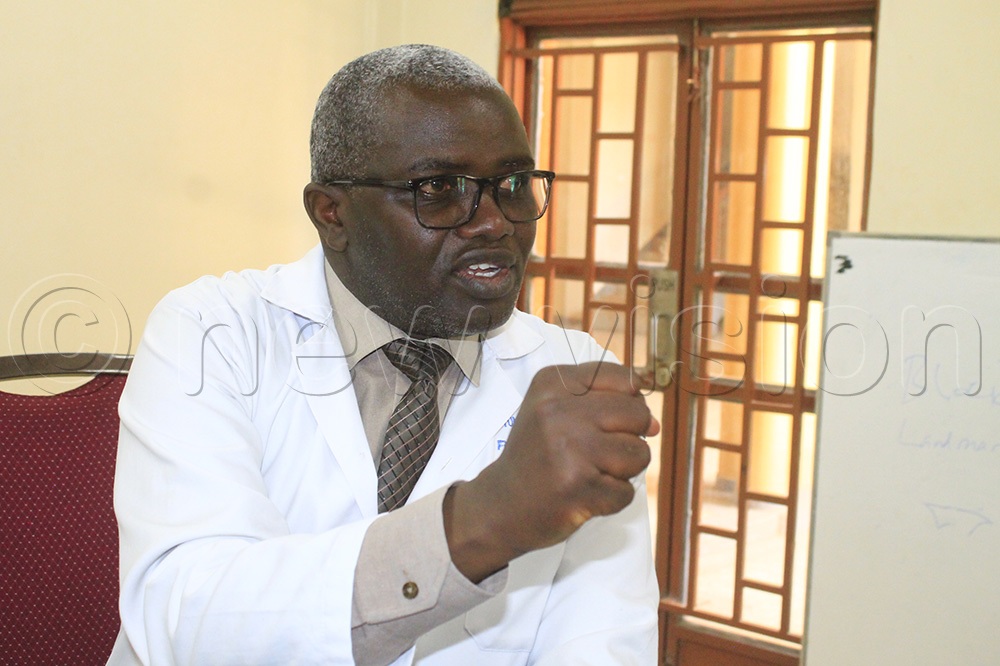
Dr Bitungwa Johnson, the Principal Psychiatric Officer at Kabale Regional Referral Hospital. (Photo by Nelson Ahimbisibwe)
Rubanda District Local Government will host this year’s JRM under the theme: “The Role of Governance, Leadership and Partnership in Strengthening Client-Centred Health Services in Kigezi.”
The forum will systematically audit health sector performance for the concluded 2025/2026 financial year while devising actionable regional strategies. Health minister Dr Chris Baryomunsi is expected to grace the event as the guest of honour.
A natural paradise plagued by addiction
Speaking during the press briefing, Dr Anne Marion Namutebi, the medical administrator at Kabale Regional Referral Hospital, painted a paradoxical picture of the Kigezi sub-region.
She noted that while nature has spared Kigezi from high burdens of tropical diseases such as severe malaria and genetic conditions such as sickle cell anaemia, human behaviour has counteracted these natural advantages.
“We are wrestling with severe mental health disorders, clinical mental illnesses, chronic liver disease, drug-induced diabetes, acute pancreatitis, profound malnutrition, HIV risks driven by impaired judgment, and catastrophic physical injuries from alcohol-fuelled violence and accidents.”
Dr Namutebi emphasised that the financial and logistical strain of managing alcohol-related ailments is severely bleeding the hospital’s resources.
Unlike other common infections that can be resolved quickly, alcohol-driven organ damage and psychiatric conditions require specialised, long-term care. Patients routinely occupy scarce hospital beds not just for days, but for weeks and months, driving medical expenses to unsustainable levels for both families and the government.
Rubanda at the epicentre
The host district, Rubanda, has unfortunately found itself at the epicentre of the regional substance abuse crisis.
The Rubanda district health officer (DHO), Dr David Mporampora, candidly admitted that statistical indicators place Rubanda among the leading districts in alcohol consumption within the Kigezi bloc.
Corroborating these concerns, Dr Abdon Birungi, the executive consultant at Muko General Hospital, noted with deep regret that alcoholism was flagged as a severe impediment during the previous Joint Performance Review Mission, yet little progress has been registered on the ground.
Dr Birungi drew a direct scientific link between the region’s high alcohol consumption and its stubborn rates of malnutrition. He explained that chronic alcoholics routinely neglect their dietary needs, spending meagre household incomes on locally brewed potent gins instead of purchasing nutrient-rich food for their households, thereby triggering a vicious cycle of poverty and physical wasting.
"Our core mandate in this upcoming JRM is to scrutinise the quality of health services. We expect and desire that the citizens we serve receive top-tier, client-centred care. However, we cannot claim success until we get direct, honest feedback from the communities," Dr Birungi stated, urging the public to utilise the review mission to voice their healthcare experiences.
Mental health toll
From a psychiatric standpoint, the situation is growing increasingly unmanageable.
Dr Bitungwa Johnson, the principal psychiatric officer at Kabale Regional Referral Hospital, disclosed that his department is recording unprecedentedly high numbers of psychiatric morbidities, directly tied to local alcohol manufacturing.
Leaders demand strict by-laws
Faced with these medical testimonies, local government leaders are shifting their focus towards legislative remedies.
Representing the Rubanda district LC5 chairperson, Steven Ampaire Kastaba, the LC5 male councillor for Bubaare subcounty and town council, who also doubles as the district secretary for social services (Health and Education), Obed Mutatina Kitabutuka, asserted that public sensitisation alone is no longer sufficient to break the habit.
Kitabutuka called for the urgent formulation and uncompromising enforcement of strict alcohol control laws at every tier of society, from grassroots village councils to national legislative levels.
“We need strict laws to curb this destructive habit of unregulated, round-the-clock alcoholism,” Kitabutuka demanded passionately. “People are drinking away their productive hours, leaving fields uncultivated and households abandoned. We must enforce regulated drinking hours and ban illicit, toxic brews so our people can return to meaningful work, earn incomes, and improve their household standards of living.”
Kitabutuka noted that, as the secretary for Social Services, he watches educational standards and primary healthcare gains collapse because household heads prioritise alcohol over school fees and basic sanitation.
He believes that a robust legislative stick, combined with medical sensitisation, is the only way to rescue Kigezi’s workforce.
The road ahead
As stakeholders converge on Rubanda district for the two-day review mission, the focus will extend beyond routine balance sheets and statistical data entry.
The annual forum offers a rare and vital window for regional health teams to share raw experiences, track actual progress against national targets and identify systemic gaps requiring urgent ministerial funding and development partner intervention.
With Dr Chris Baryomunsi presiding over the event, Kigezi’s healthcare leadership plans to present a united front, petitioning the Ministry of Health and central government to back local governments by enforcing by-laws targeting illicit alcohol production and unregulated consumption.
The consensus from the pre-briefing remains absolute: unless political authorities step out of their comfort zones to confront the cultural normalisation of excessive drinking in Kigezi, the regional healthcare system will continue to spend its entire budget treating preventable, self-inflicted behavioural illnesses at the expense of primary healthcare advancement.