
MPs urge government to recruit specialists for Uganda's elderly
“The elderly people face numerous challenges, including chronic illnesses, but sadly, at many hospitals and health centres, they do not get the necessary attention due to lack of specialised personnel. This complicates their situation,” he said last Saturday in Jinja City.
MPs urge government to recruit specialists for Uganda's elderly
Ugandan Members of Parliament have urged the government to prioritise training and recruitment of medical personnel specialised in treating illnesses related to old age as part of efforts to improve care for the elderly.
They say this will make them far less vulnerable.
Rukiga County MP Patrick Kiconco Katabazi said that because the elderly are sickly most of the time, they spend a greater portion of their monthly sh25,000 social assistance grant for empowerment (SAGE) on treatment.
“The elderly people face numerous challenges, including chronic illnesses, but sadly, at many hospitals and health centres, they do not get the necessary attention due to lack of specialised personnel. This complicates their situation,” he said last Saturday in Jinja City.
This was during an induction for the Uganda Parliamentary Forum on Social Protection organised by the Ministry of Gender Labour and Social Development at Nile Resort Hotel.
During the two-day engagement, MPs voiced the need to lower the age for SAGE eligibility from the current 80 years to at least 65 or the retirement age of 60 years, saying many elders below 80 suffer without any assistance
They also want the package increased from the current sh25,000 a month, which they say is too little considering the high cost of living.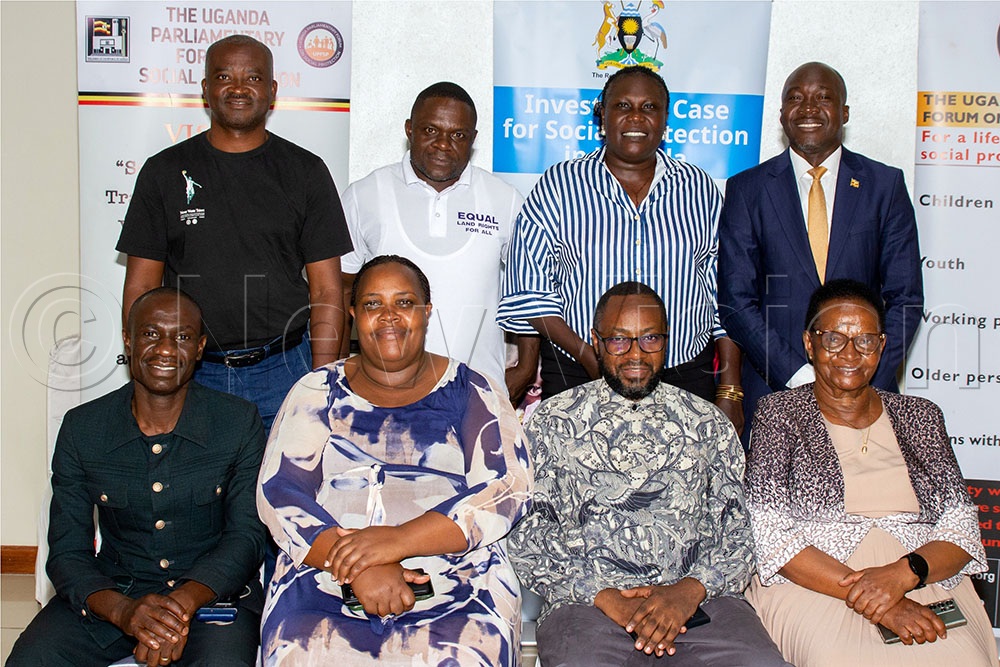
During the two-day engagement, MPs voiced the need to lower the age for SAGE eligibility from the current 80 years to at least 65 or the retirement age of 60 years, saying many elders below 80 suffer without any assistance. (Credit: Charles Kakamwa)
“Elders are not new in society. They have always been there. I have not participated much in developing a deliberate policy for them. I think it is high time we do so,” he said at the time
Museveni said support for older persons should be built around three traditional pillars that have historically defined their place in Ugandan society—family, wealth and a home.
Meanwhile, during the workshop in Jinja, Peggy Waako, the MP representing the elderly, said the 11th Parliament had resolved to have the SAGE monthly amount increased to sh35,000 and the eligibility age reduced to 65.
She said the decision was adopted by the Cabinet but then dropped by the finance ministry during the budgeting process.
Patrick Obura, the MP for Oyam South called for a holistic empowerment grants programme that includes all categories of vulnerable groups, including unemployed young people.
In reality, the government runs a range of key empowerment programmes to support youth, women, the elderly and vulnerable communities.
They include;
▪️Youth Livelihood Programme
▪️Parish Development Model (PDM)
▪️Uganda Women Entrepreneurship Programme
▪️Emyooga
▪️Social Assistance Grants for Empowerment (SAGE)
▪️Presidential Zonal Industrial and Skilling Hubs
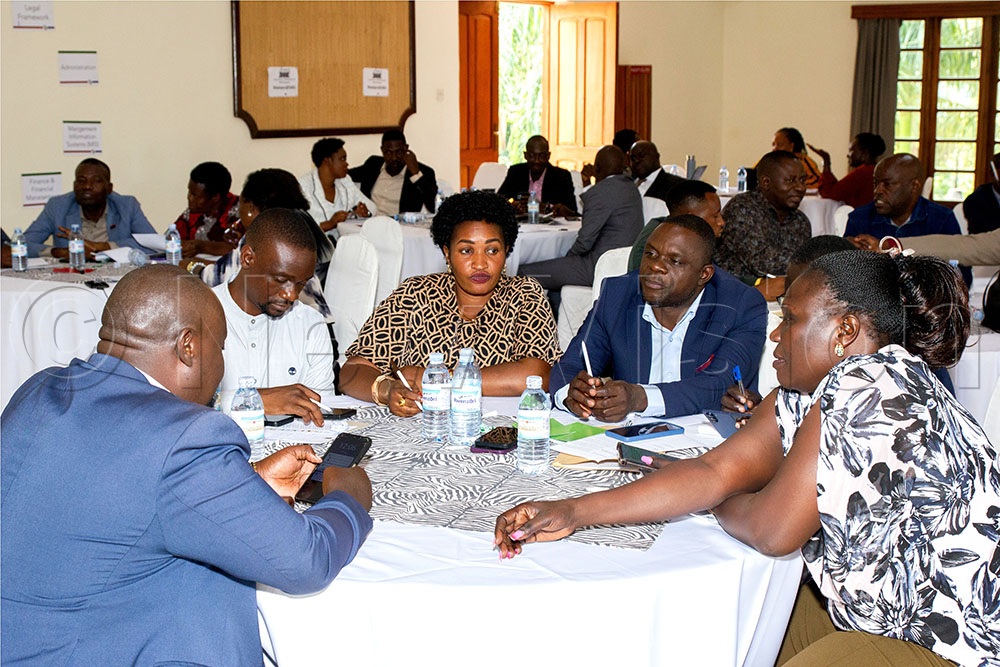
The legislators also asked the gender ministry to come up with better means of disbursing the SAGE funds to the recipients. (Credit: Charles Kakamwa)
The legislators also asked the gender ministry to come up with better means of disbursing the SAGE funds to the recipients. They say some give up having to wait for hours while others are cheated by people they trust to pick the money.
“The current mode of payment is not friendly to the elderly, especially given that the amount is too small,” said Rose Obigah, the Woman MP for Terego and vice-chairperson of the Parliamentary Social Protection Forum.
Stephen Kasaija, the head of expanding social protection progamme management unit at the gender ministry, said despite failure by the finance ministry for capture resolutions to improve the SAGE and lower the eligibility age, efforts are being made to have the matter concluded this year.
He said that despite some challenges, SAGE, which started as a pilot scheme with 15 districts in 2011, has been rolled out to cover the entire country.
“Beneficiaries receive sh75,000 after every three months, which helps recipients access basic requirements. Some have even invested it in income-generating projects like poultry, which has helped improve their lives,” he said.