
MPs tasked to make children’s rights a budget, legislative priority
According to Wamara, inadequate financing affects a range of services intended to protect children and enable them to enjoy their rights, from health and education to birth registration, justice and social protection.
MPs and child rights advocates during a retreat organised for members of the Uganda Parliamentary Forum for Children, which concluded in Entebbe on Wednesday, September 2, 2026. (Photo by Nelson Kiva).
________________ Mercy Faith Lakisa during a retreat organised for members of the Uganda Parliamentary Forum for Children at Imperial Golf View Hotel in Entebbe on Wednesday, September 2, 2026. (Photo by Nelson Kiva).
Members of Parliament have been challenged to make children’s rights a central priority in legislation, budgeting and oversight.
The appeal by youth and children affairs state minister Mercy Faith Lakisa comes amid concerns that weak implementation and inadequate financing continue to undermine the wellbeing of millions of children in Uganda and across the globe.
The minister made the remarks while officiating at the closure of a two-day retreat organised for members of the Uganda Parliamentary Forum for Children at Imperial Golf View Hotel in Entebbe on September 2, 2026.
The engagement sought to orient legislators on their role in advancing child wellbeing through legislation, oversight, advocacy and child-responsive budgeting.
Uganda has one of the youngest populations in the world, with children aged 0–17 accounting for about 23 million of the country’s estimated 45.9 million people, according to the 2024 Uganda Population and Housing Census.
However, child rights advocates say the country’s youthful population is accompanied by persistent challenges that threaten children’s survival, development and protection.
These include malnutrition, school dropout, teenage pregnancy, child marriage, child labour, violence, inadequate access to healthcare, limited birth registration and the exclusion of children with disabilities and other vulnerable groups.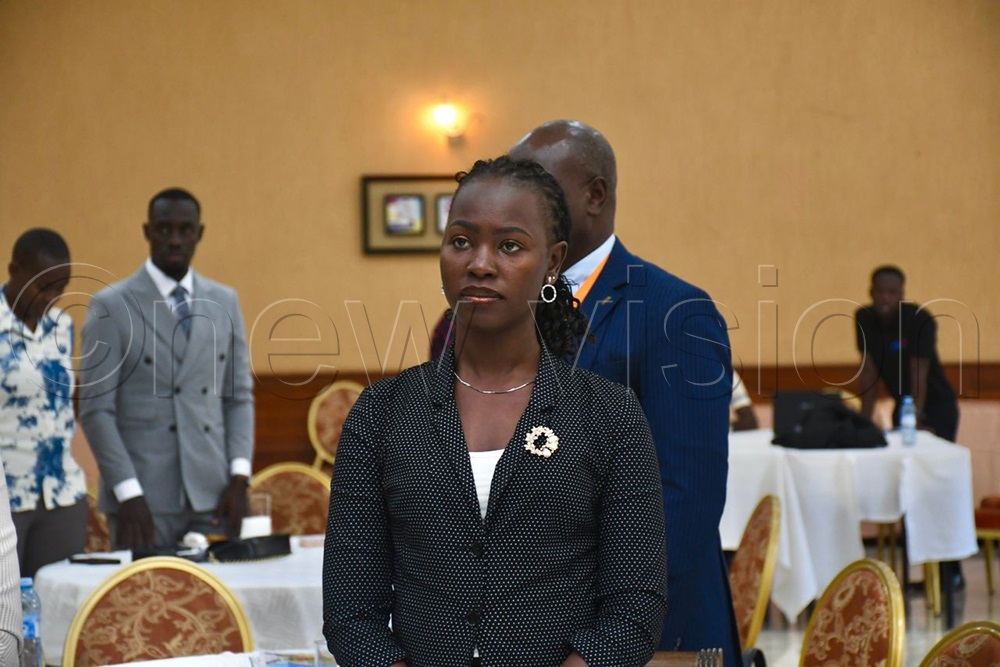
Lakisa urged legislators to look beyond the legal definition of a child and understand the realities and vulnerabilities children face in their communities.
She reminded parliamentarians that protecting children requires more than simply recognising their age.
The minister challenged policymakers to consider children’s experiences and ensure that their views and interests are reflected in decisions affecting them.
“The question we should be asking ourselves is: “Why is that child in the street?’’
Lakisa said previous attempts to remove children from the streets had often provided only temporary solutions, while the underlying causes remained unresolved.
“This is actually a business for some people. It’s a business. It’s a racket,” Lakisa said.
Lakisa called for a more comprehensive response to child vulnerability, beginning with families and parenting and extending to communities, government institutions and Parliament.
“The approach needs to be extremely holistic, starting from parenting, because they are under the care of parents,” she said.
For child rights organisations, however, the challenge goes beyond family circumstances to the way Uganda finances and implements its child-related laws and policies.
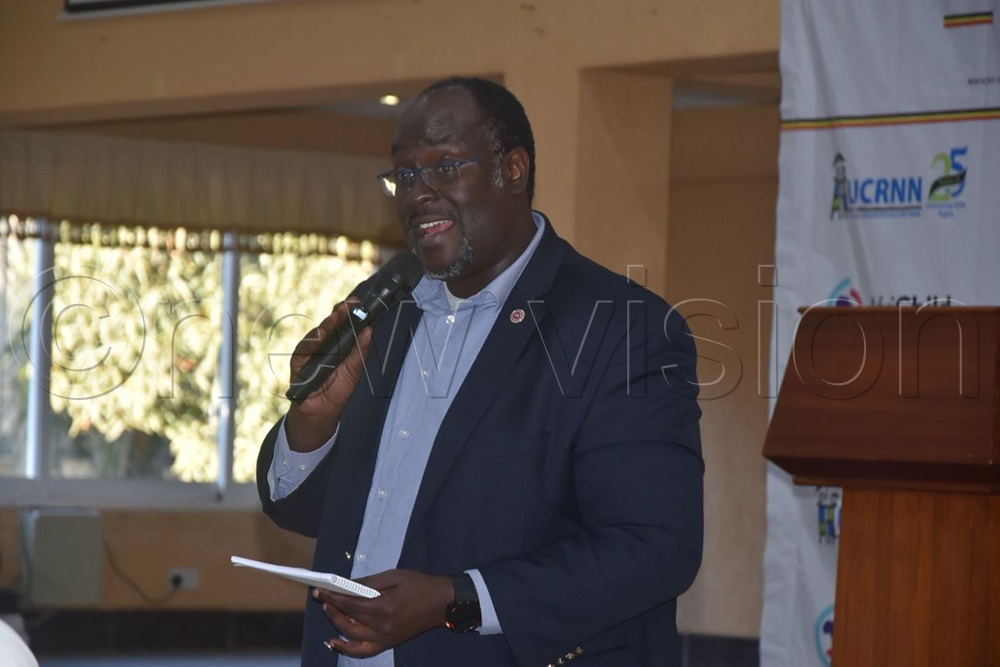
Damon Wamara, Executive Director of the Uganda Child Rights NGO Network, addresses MPs in Entebbe on Wednesday, September 2, 2026. (Photo by Nelson Kiva).
Damon Wamara, executive director of the Uganda Child Rights NGO Network, said the retreat was intended to equip newly elected MPs with a clearer understanding of child rights concerns and the challenges they will need to address during their five-year term.
Wamara said Uganda already has a substantial body of legislation and policies aimed at protecting children, but implementation remains a major challenge, particularly because of inadequate financing.
“We continue to see that the situation of the child in Uganda is still in a dire state,” Wamara said.
He said Uganda’s large child population makes investment in children an essential component of the country’s development, but child-focused social services remain inadequately funded.
“The issues of children are not a funding priority for the country,” he said.
He cited hunger as one of the factors affecting children’s participation and performance in school.
“We continue to see that children are abandoning schools because they are not able to feed at school,” he said.
The child rights advocates also stressed the importance of birth registration, describing legal identity as an important gateway through which children can access services and protection as they grow into adulthood.
The chairperson of the Parliamentary Forum for Children and Woman Member of Parliament for Otuke, Susan Jolly Abeja, said Parliament has a particularly important role in closing the gap between Uganda’s child rights commitments and the reality experienced by children.
“As Members of Parliament, you are the strongest voice children have. The laws and budgets you approve directly determine their future,” Abeja said.
Abeja added that child protection should not be left to the ministry responsible for children alone, arguing that the issue affects the country’s entire development agenda.
“Child protection is not a ministry issue. It is a national development issue,” Abeja said.
She called for increased and dedicated funding for child welfare services, social workers and district probation and social welfare officers.
Abeja also urged the government to strengthen implementation of the Children’s Act and other child-related laws, saying good legislation has limited impact when enforcement at local government level remains weak.
The MP further called for stronger implementation of the National Child Policy and Alternative Care Framework to reduce unnecessary institutionalisation and promote family-based care.
She also urged the government to recruit, train and facilitate social workers and para-social workers while strengthening child protection data and reporting systems to enable timely responses to abuse and neglect.
The 2023/2024 Uganda Demographic and Health Survey indicates that about 23% of children under five are stunted, while adolescent pregnancy remains a significant concern, with about one in four girls aged 15–19 having begun childbearing.