
Lamwo NGOs form coalition to tackle rising gender-based violence
The meeting chairperson, Esther Musenero, said the alliance of non-governmental and civil society organisations seeks to sensitise communities on the dangers of GBV while strengthening response and referral systems for survivors.
Some of the Development partners during the meeting in Palabek, Lamwo district. (Photos by Claude Omona)
Lamwo NGOs form coalition to tackle rising gender-based violence
By Claude Omona
About 40 humanitarian organisations operating in the Palabek refugee settlement in Uganda's northern district of Lamwo have formed a joint coalition to intensify the fight against gender-based violence (GBV).
The development comes as the world marks the 16 Days of Activism Against Gender-Based Violence, which has started today (November 25) until December 10.
Uganda is marking this year's edition under the global theme: “Unite to end violence against women and girls: Ensure justice, protect survivors, end impunity.”
Meeting every week at the International Rescue Committee (IRC) offices in Palabek, the partners have been pooling financial and logistical resources to fund and coordinate the district launch.
Speaking during a preparatory meeting earlier in November, Flavia Aketowanga, a representative from Thrive Gulu, said that while domestic violence remains widespread across the settlement, a large number of cases go unreported.
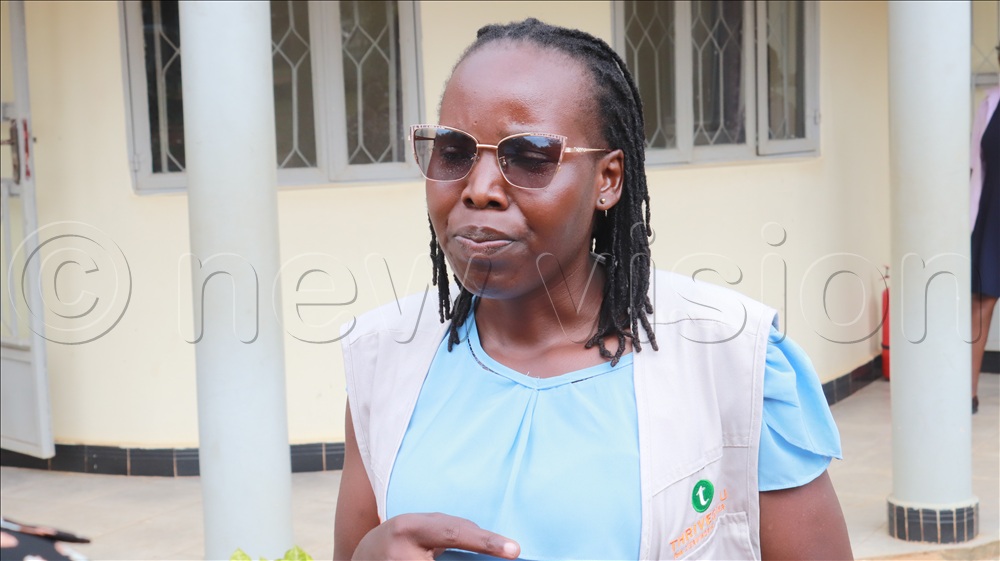
Flavia Aketowanga, a representative from Thrive Gulu
She attributed the surge in domestic tensions largely to acute food insecurity caused by prolonged drought and scorching heat that devastated local crop yields, leaving many households struggling to survive.
Joint intervention hailed
The meeting chairperson, Esther Musenero, said the alliance of non-governmental and civil society organisations seeks to sensitise communities on the dangers of GBV while strengthening response and referral systems for survivors.
As part of the 16-day campaign, the coalition has lined up radio talk shows, school outreaches, and community dialogues targeting men and local leaders to address cultural norms that fuel abuse and discourage victims from speaking out.
Local leaders and residents in both the refugee settlement and surrounding host villages have welcomed the coordinated approach, saying economic hardship has strained family stability.
Grace Ayoo, a resident of Zone 4 in Palabek settlement, said many women suffer in silence because they depend entirely on their spouses for survival and fear being abandoned if they report abuse.
"When the crops dried up this season, tempers flared in almost every home. Having all these organisations come together gives us hope that women will finally have somewhere safe to turn without fear," she said.
Simon Okello, another community member of Palabek Ogili sub-county, noted that involving men and traditional leaders in the dialogues is critical to changing mindsets.
"Previously, different organisations would come with separate messages, and people did not take them seriously," he said.
"A united voice, especially one that brings men into the conversation rather than just blaming them, will help us resolve conflicts peacefully."