
Cultural leaders demand tougher controls to curb alcohol abuse
Cultural leaders have warned that excessive alcohol consumption is tearing families apart, fuelling domestic violence, increasing poverty and eroding community livelihoods. They are calling on the Government to tighten alcohol regulation, crack down on adulterated drinks and strengthen enforcement of existing laws.
A section of delegates attending the launch of the alcohol report at Makerere University on November 25, 2026. Photo by Wilfred Sanya.
___________________ A section of guests attending the launch of the alcohol report at Makerere University on November 25, 2026. (Photo by Wilfred Sanya).
Cultural leaders have warned that excessive alcohol consumption is tearing families apart, fuelling domestic violence and eroding community livelihoods.
The leaders are calling on the government to tighten regulation of alcohol sales and crack down on adulterated drinks.
They said the growing problem, particularly among young people, was taking a toll on marriages, mental health, household incomes and community safety.
They were speaking at the Fifth Uganda Alcohol Policy Conference at Makerere University School of Public Health on November 25, 2026, where stakeholders gathered to review progress in alcohol control and discuss gaps in enforcement and public awareness.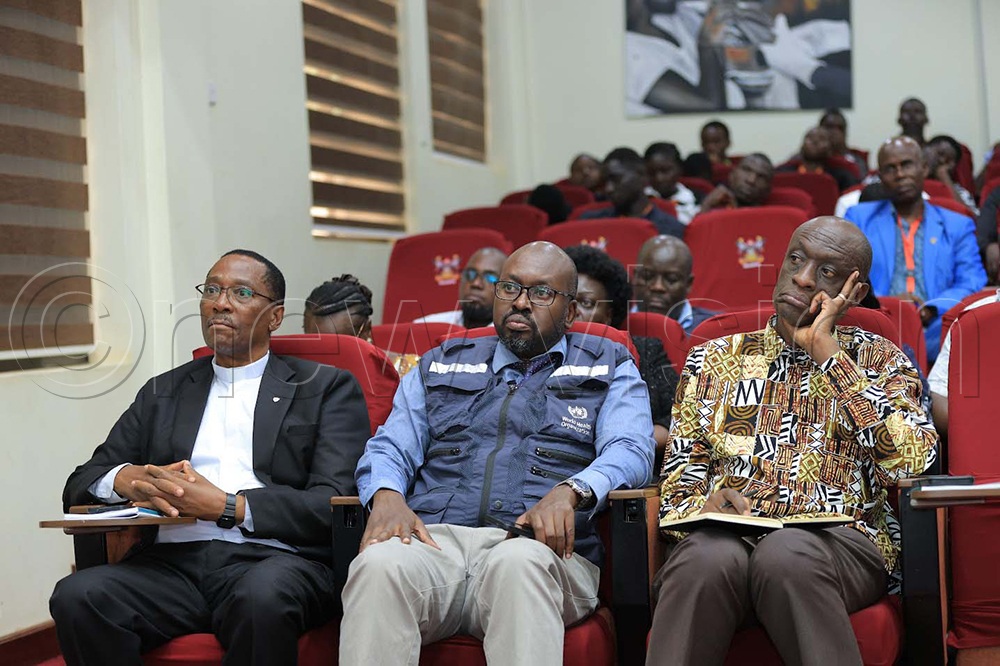
Uganda's alcohol consumption stands at an estimated 12.5 litres of pure alcohol per person annually, compared with the global average of between 5.5 and 6.2 litres, according to figures cited at the conference. The World Health Organisation warns that excessive alcohol consumption increases the risk of several diseases, including cancer.
John Paul Lugai, the Rwot of Paluo chiefdom in Pader district, said alcohol abuse was increasingly affecting young people in northern Uganda, particularly in Acholi, where it was undermining marriage and family life.
“To make matters worse, our young men are no longer marrying women. In Acholi, we are saying our young men have died the first death because of alcohol consumption. When they get a woman, they live with her like a sister because alcohol has killed them. We are now waiting for the second death,” he said.
Lugai said alcohol abuse had also contributed to domestic violence, mental health challenges, poverty and crime.
He said traditional leaders in the area had introduced community bylaws, known as Chik Pakala, to address the problem, with support from former chief justice Alfonse Chigamoy Owiny-Dollo and former diplomat Olara Otunnu.
The chiefdom has developed 23 bylaws, he said, adding that cultural leaders were well placed to influence behaviour because of their roles in clan meetings, family mediation, ceremonies and other community activities.
“If all traditional leaders sensitise their subjects every day on the effects of alcohol and substance abuse, it would have a lot of impact on behavioural change,” Lugai said.
He called for closer cooperation between cultural institutions and other stakeholders to help communities change their attitudes towards alcohol consumption.
“We need to collaborate so that, at the end of the day, our community changes,” he said.
Simon Peter Nangiro, chairman of the Karamoja Elders Association, said the problem had escalated since the early 1990s, when bottled alcoholic drinks began gaining popularity in the region.
“We just used to take alcohol for ceremonial purposes. We never knew bottled beers. That was until about 1992. That is when we saw a change from traditional brew to all these bottled brews,” he said.
Nangiro blamed the growing alcohol problem partly on mineral discoveries in the region, which he said could have increased disposable incomes for some people but also fuelled drinking.
He said some alcohol was transported into Karamoja from as far as Jinja, despite government efforts to restrict the movement of illicit local brew.
He cited cases of people becoming seriously ill, losing livestock and selling land to sustain their drinking habits.
“People are selling land and some cows to drink. People even exchange animals for alcohol,” he said.
Nangiro questioned the effectiveness of roadblocks targeting alcohol transporters, saying some illicit products continued to reach communities.
“We don't know if the roadblocks are effective anymore. It is sad,” he said.
He urged the government to go beyond collecting taxes from alcohol and prioritise protecting communities from its social and health consequences.
“Many of our communities are now vulnerable. We should bring these vulnerable people to know that they are facing a danger,” he said.
Busoga Kingdom said it was also grappling with alcohol production and consumption, partly because of the region's abundant sugarcane.
Gerald Paul Munaba, the kingdom's minister of general duties, said falling prices of sugarcane grown for industrial sugar production had prompted some farmers to divert the crop into alcohol production.
He said the kingdom had introduced measures to regulate drinking, including a rule prohibiting people who drink on one side of the Jinja-Kampala highway from crossing to the other side after consuming alcohol, in a bid to reduce accidents and disorder associated with drunkenness.
“As a kingdom, we have tried to advise, but in vain,” Munaba said.
Speaking on behalf of the Katikkiro of Buganda, Charles Peter Mayiga, Noah Kiyimba, the kingdom's minister in charge of cabinet affairs, said alcohol-related harm was affecting families, livelihoods, education and public safety.
He called for stronger cooperation between cultural institutions, government, religious leaders and civil society to address the problem.
“The well-being of our people, the stability of families and the prospects of young generations must remain central to every development agenda,” he said.
Mayiga said cultural institutions had a responsibility to shape values and influence behaviour, particularly among young people, warning that cultural celebrations should not compromise children's safety or family stability.
He cautioned adults against exposing children to alcohol or involving them in its purchase, sale and distribution, urging parents, traders, teachers and community leaders to protect children from alcohol-related harm.
The Katikkiro also called for greater investment in young people through education, vocational training, mentorship, recreation and employment, saying awareness campaigns alone could not address the problem without opportunities for young people to build productive lives.
He urged families to practise responsible parenting, manage household resources carefully and maintain open communication to prevent alcohol abuse.
Mayiga said people struggling with alcohol dependence should be helped to access professional treatment without discrimination, urging cultural and religious leaders to support affected families and fight the stigma associated with addiction.
He also called for stronger enforcement of alcohol-control laws and raised concern about counterfeit, adulterated and unregistered alcoholic products on the market.
He urged regulatory authorities to act against dangerous products and establish accessible channels for members of the public to report suspected cases.
Mayiga proposed four areas for collaboration: integrating alcohol-harm prevention into community leadership engagements, strengthening child protection, linking affected people to treatment and family support services, and maintaining structured dialogue between cultural institutions, government, religious leaders and civil society.
He said conference resolutions should translate into measurable action rather than remain declarations made at meetings.
“Leadership earns confidence when its public declarations are matched by visible conduct and dependable follow-through,” he said.
Mayiga said efforts to curb alcohol abuse should also support Buganda's wider development priorities in education, health, agriculture, enterprise and cultural advancement.
He said preserving cultural heritage required protecting the health and well-being of the people expected to pass it on to future generations.