
Family & Parenting
10 years on, Fr John Scalabrini's legacy lives on in thousands of Ugandans
Kampala Lord Mayor, Eng. Ronald Nsubuga Balimwezo, was among the guests who paid tribute to the late priest, describing him as a mentor whose investment in people continues to produce results.
According to Rev. Fr Fred Kasereka, the school chaplain and trustee, Scalabrini's vision was built around three major areas: education, healthcare and charity.
By: Richard Ategeka, Journalist @New Vision
KAMPALA - Ten years after the death of Italian missionary Fr John Scalabrini, thousands of students, former beneficiaries and institutions he helped establish are keeping his vision of education, service and compassion alive.
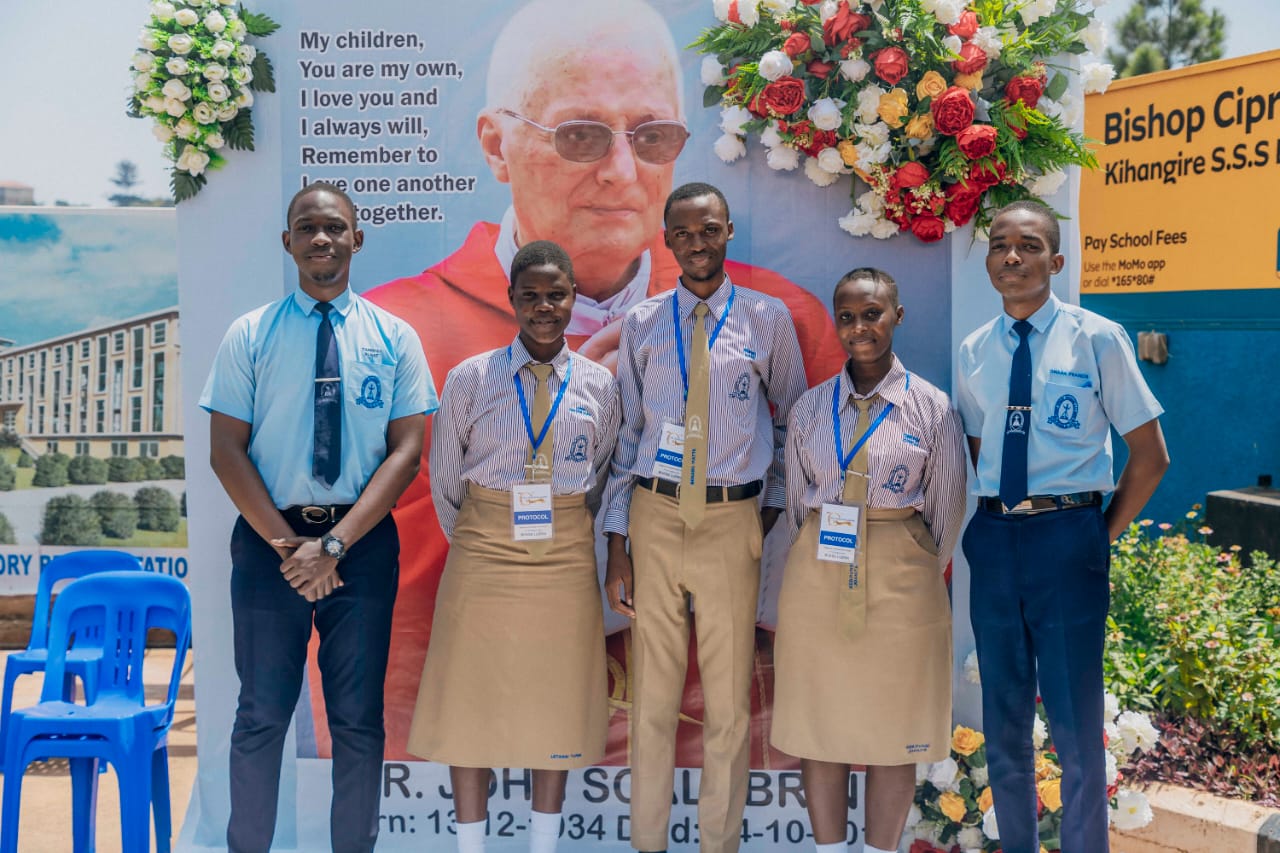
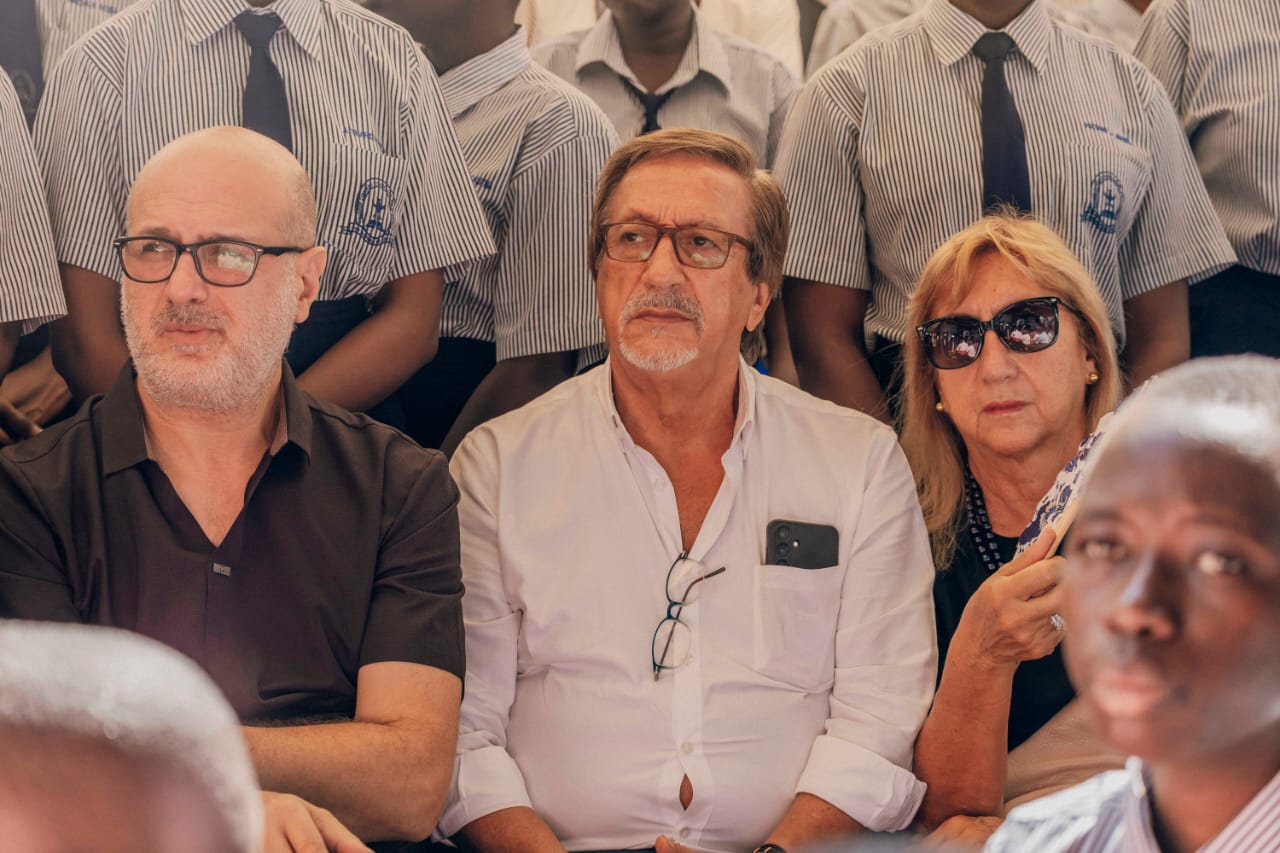
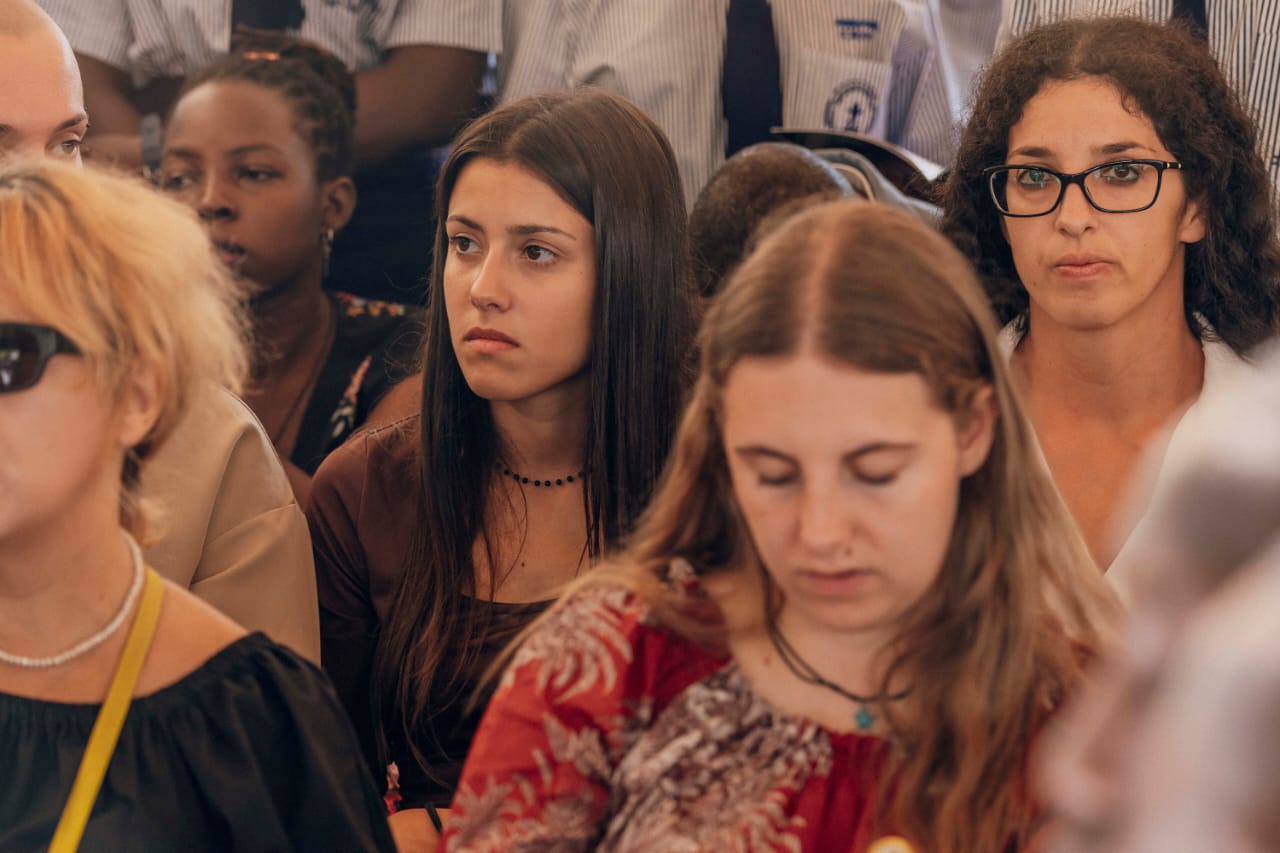
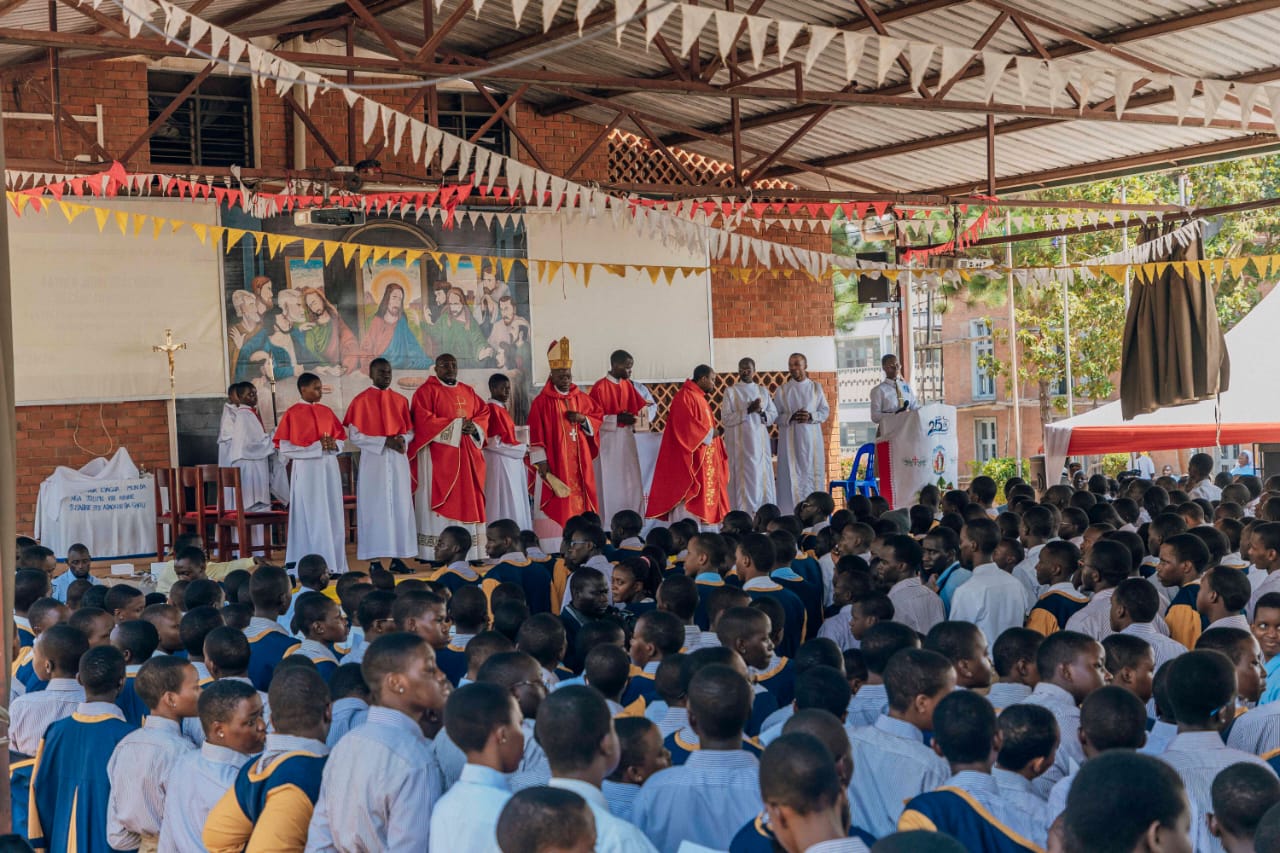
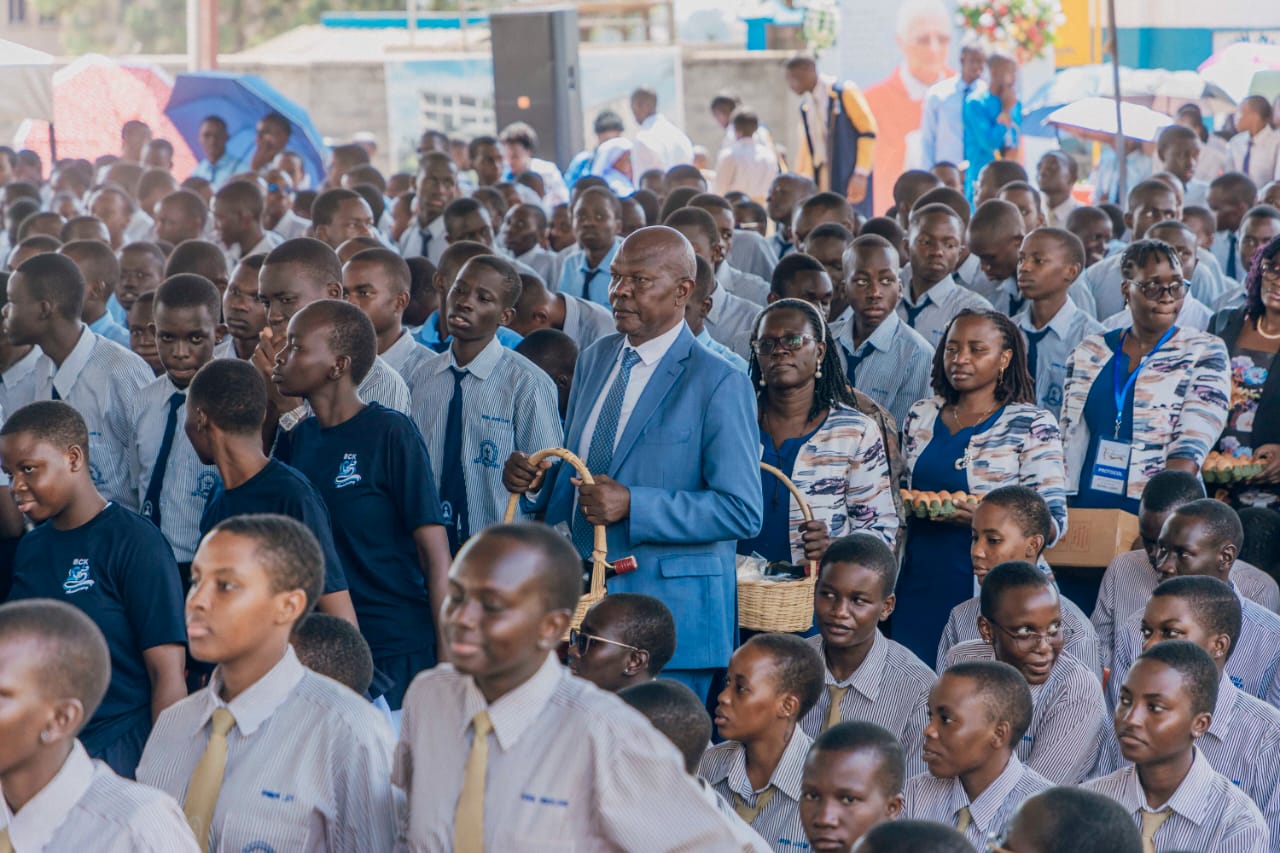
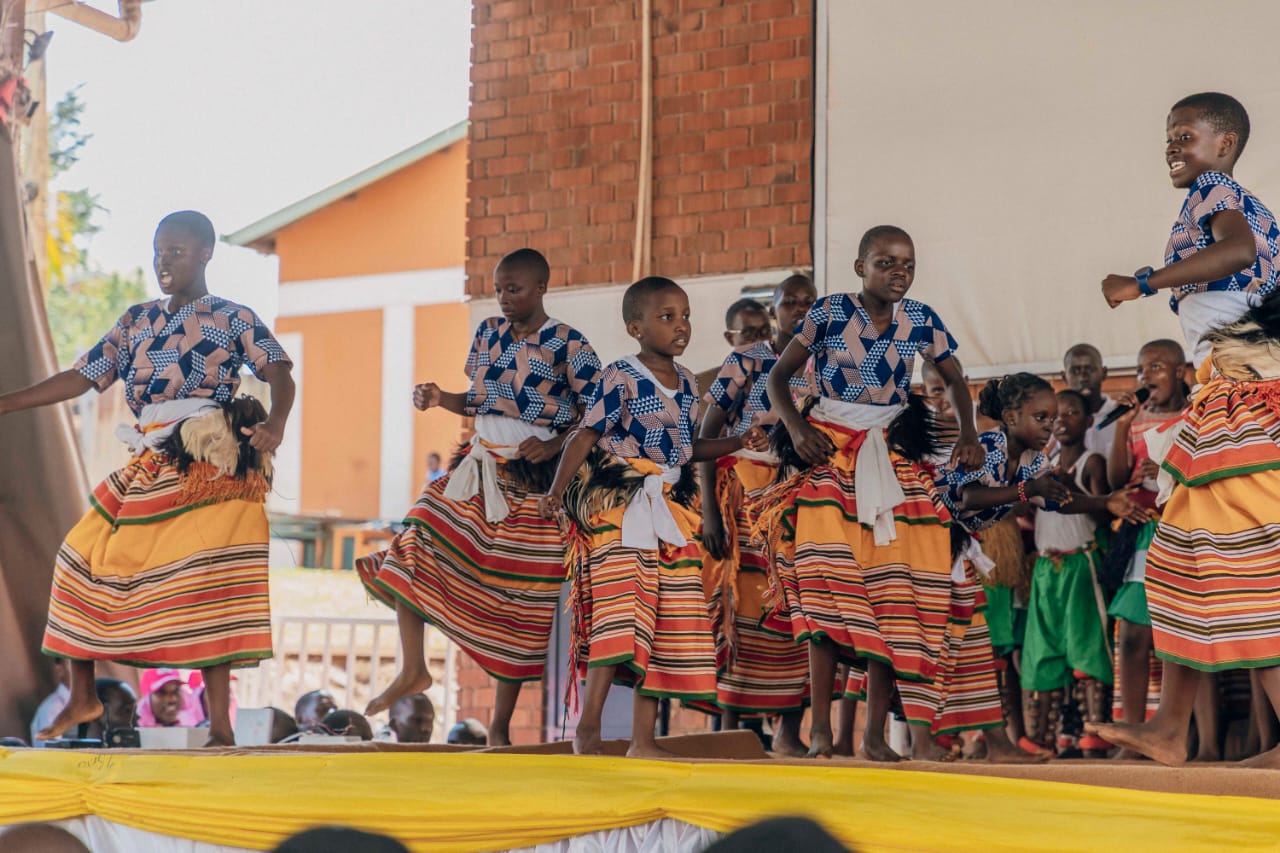
The legacy was celebrated on October 4, 2026, at Bishop Cipriano Kihangire Secondary School in Bbiina, Kampala, where thousands gathered for a memorial Mass marking a decade since Scalabrini's death.
Kampala Lord Mayor, Eng. Ronald Nsubuga Balimwezo, was among the guests who paid tribute to the late priest, describing him as a mentor whose investment in people continues to produce results.
Balimwezo said Scalabrini's contribution went beyond establishing schools. (Courtesy Photos)
“At one time I was a fisherman. Today, I am the Lord Mayor because of education,” Balimwezo said, linking his own journey to the power of education and the opportunities created by people such as Scalabrini.
He said Scalabrini's contribution went beyond establishing schools.
“He no longer lives, but we see a multitude of students in a school that he started.”
“It is not how many years you have been on earth, but what you have done and how many lives you have touched.”
The priest dedicated his life to education, evangelisation, healthcare and community development, including Bishop Cipriano Kihangire Secondary and Primary School.
His vision also led to the establishment of Radio Maria Uganda, Bbiina Catholic Parish, Benedict Medical Centre, chapels at Kyambogo and Makerere University Business School, as well as several vocational and technical training facilities.
A legacy measured in lives
For former students, Scalabrini's legacy is not an abstract memory. It is deeply personal.
Vanessa Namaseruka, who joined the school in 2015, said the late priest personally followed the progress of students and made sure vulnerable children were supported.
“I am proud to be part of this school. Father held students’ hands at all levels, checked report cards and made sure they were all okay. Without him, I don’t think I would be here today,” she said.
Namaseruka said she had little hope of continuing with school because of her family background until she became one of the beneficiaries of Scalabrini's support after performing well academically.
Today, she works as a supervisor at a four-star hotel.
Another former student, Emmanuel Brian Ocheng, said he first approached Scalabrini for help in 2012.
“I met him in early 2012, went to him asking for help, and I turned to be the person I am today because of him,” Ocheng said.
He started in the primary section before joining the secondary school and said the education he received eventually enabled him to support his own family and manage a company.
From education to healthcare and charity
According to Rev. Fr Fred Kasereka, the school chaplain and trustee, Scalabrini's vision was built around three major areas: education, healthcare and charity.
Through institutions associated with his work, he sought to tackle what he considered some of Africa's greatest challenges, particularly ignorance, poverty and preventable illness.
He cited Scalabrini's establishment of schools and healthcare services as part of a broader effort to ensure that vulnerable people could access education and treatment.
Kasereka said education became particularly important to Scalabrini because it offered a long-term solution to poverty and ignorance.
“Among his visions, it was education that he looked up to be the most important,” he said.
The legacy is still expanding
At Bishop Cipriano Kihangire Secondary School, that vision is visible in the growing student population, newly constructed school buildings and a modern football stadium that was officially launched during the celebrations.
Headteacher Okello Victor Nam said the school currently has about 3,000 students, with more than 1,600 in boarding and about 1,300 in the day section.
The school has maintained strong academic performance while expanding its facilities.
Among the developments are expanded dormitories for Senior One and Senior Two, an enlarged main hall and a new sports stadium with facilities for football, basketball, netball and volleyball.
About sh8.5 billion has been invested in the new facilities, according to Okello.
“The new building was necessary because there was limited accommodation for the students,” he said.
The school is also preparing for its next major development, a science block that will include classrooms, laboratories and a library, with construction expected to begin in 2028.
Okello said the school hopes the expansion will help reduce congestion, with a target of about 50 students per stream compared with the current figure of roughly 90.
A legacy inspiring a new generation
For current students, Scalabrini is not simply the name behind buildings and institutions.
Blaise Taremwa, a Senior Four student, said he joined the school in 2023 but has a particularly personal connection with the late priest, who baptised him when he was a child.
“Taking the image of Christ as a leader in service is one thing that every man has to carry,” Taremwa said.
He said Scalabrini's decision to leave Italy and dedicate himself to vulnerable people in Uganda had inspired him to embrace service and humility.
“I have a passion as well to serve like he served, to live as giving himself, because every man ought to give himself,” he said.
Senior Five student Gracia Ingabire said the school's identity remains closely connected to Scalabrini's concern for children and vulnerable people.
“He was a person who cared for the children, loved them so much, and to that he had to put up a school so that he could educate us,” she said.
For Nicolle Uwase Akiteng, another student, the story of a man leaving his homeland to serve people he did not know is a lesson in compassion.
“It teaches you kindness,” she said. “Because of his kindness, very many people have benefited. It teaches you basically life, love and faith.”
The challenge of preserving the vision
While celebrating the growth of the school, administrators acknowledge that maintaining the expanding infrastructure is becoming increasingly costly.
Okello said the school faces high maintenance costs for hostels, water systems, smart boards and projectors, as well as rising staffing costs.
For Kasereka, however, the responsibility goes beyond maintaining buildings.
He said the Church has a duty to preserve Scalabrini's institutions so that future generations can continue benefiting from them.
“We are supposed to carry on so that these institutions may never die, and that we hand them over to the next generation,” he said.
Ten years after his death, Scalabrini's most enduring monument may therefore not be a building, stadium or school, but the people.
Students receiving an education, former beneficiaries building careers, families accessing healthcare and communities receiving support all form part of a legacy that continues to evolve.
A legacy inspiring a new generation
For current students, Scalabrini is not simply the name behind buildings and institutions.
Blaise Taremwa, a Senior Four student, said he joined the school in 2023 but has a particularly personal connection with the late priest, who baptised him when he was a child.
“Taking the image of Christ as a leader in service is one thing that every man has to carry,” Taremwa said.
He said Scalabrini's decision to leave Italy and dedicate himself to vulnerable people in Uganda had inspired him to embrace service and humility.
“I have a passion as well to serve like he served, to live as giving himself, because every man ought to give himself,” he said.
Senior Five student Gracia Ingabire said the school's identity remains closely connected to Scalabrini's concern for children and vulnerable people.
“He was a person who cared for the children, loved them so much, and to that he had to put up a school so that he could educate us,” she said.
For Nicolle Uwase Akiteng, another student, the story of a man leaving his homeland to serve people he did not know is a lesson in compassion.
“It teaches you kindness,” she said. “Because of his kindness, very many people have benefited. It teaches you basically life, love and faith.”
The challenge of preserving the vision
While celebrating the growth of the school, administrators acknowledge that maintaining the expanding infrastructure is becoming increasingly costly.
Okello said the school faces high maintenance costs for hostels, water systems, smart boards and projectors, as well as rising staffing costs.
For Kasereka, however, the responsibility goes beyond maintaining buildings.
He said the Church has a duty to preserve Scalabrini's institutions so that future generations can continue benefiting from them.
“We are supposed to carry on so that these institutions may never die, and that we hand them over to the next generation,” he said.
Ten years after his death, Scalabrini's most enduring monument may therefore not be a building, stadium or school, but the people.
Students receiving an education, former beneficiaries building careers, families accessing healthcare and communities receiving support all form part of a legacy that continues to evolve.