
Moses Matovu: The Simba Kali of Ugandan Rumba
It was in 2016 that I finally got to talk to Matovu for the first time. Together with my French friend cinematographer Cyril Ducottet, I had embarked on a documentary project called Bwana Jogoo, which would focus on the tragic death of an old friend of Matovu, the bass player Jessy Gitta Kasirivu.
Moses Matovu: The Simba Kali of Ugandan Rumba
Throughout the 25 years I lived in Uganda, Moses Matovu always hovered above the music fraternity as the number one living legend. For a long time, he seemed untouchable, someone whom you only saw passing by but never got the chance to chat with. At most you could get a handshake.
I vividly remember the first time I went to see the Afrigo band in the early 2000s when Club Obligato was situated in the industrial area, Kampala. That white-walled compound venue where they performed looked like a fortress from the outside. In front stood majestic palm trees swaying in the wind. For me the combination of those trees, a warm evening breeze, beautiful people within its secured walls and the irresistible sound of Afrigo’s blend of rumba was soothing to my muzungu ears and dancing feet. I knew I had made the right choice, coming to live in the pearl of Africa.
In those days I was shyer than today and easily impressed by music royalty. So, I gazed upon Moses Matovu with awe when he first got on stage, comparing him to other out-of-this-world African greats that I had seen performing in The Netherlands, like Franco, Youssou N’Dour and Salif Keita. At that time I didn’t know that he himself was also a rather shy guy. I guess he loved the limelight on stage, but offstage it was quite the contrary, as I found out.
It was through my close friendship with Mike Musoke, of Percussion Discussion Africa, that I started penetrating the periphery of the Afrigo bastion of legends. Through Musoke I became pretty close to Afrigo members Herman Ssewanyana and Saidi Kasule, and they would sometimes give me the latest juicy wolokoso about Matovu and others in his orbit. But they also proudly bragged about his managerial qualities, which ensured that a great bunch of talented musicians had an income and stayed disciplined. I was impressed by him keeping the show going with such a big Afrigo crew to care for.
It was in 2016 that I finally got to talk to Matovu for the first time. Together with my French friend cinematographer Cyril Ducottet, I had embarked on a documentary project called Bwana Jogoo, which would focus on the tragic death of an old friend of Matovu, the bass player Jessy Gitta Kasirivu.
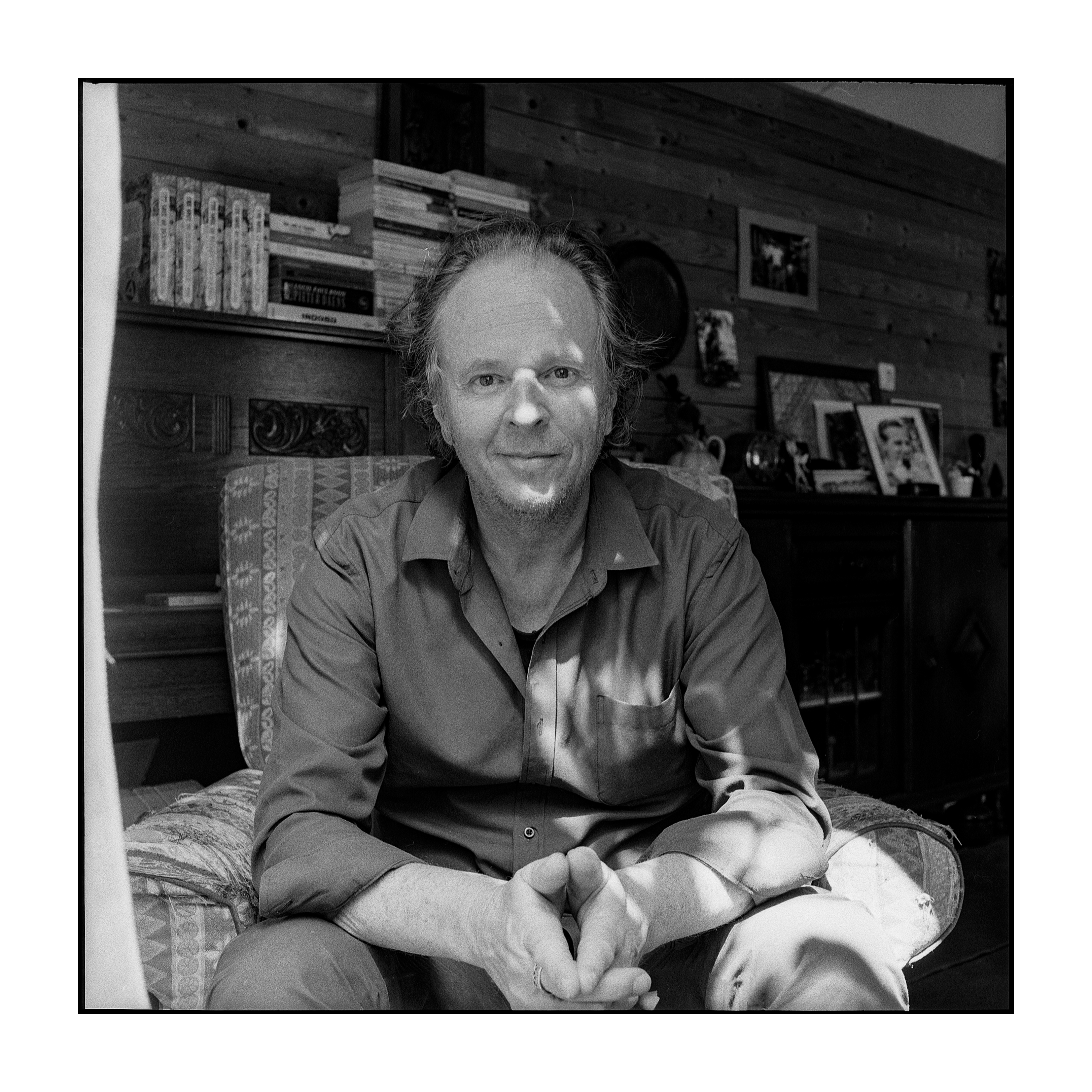
The writer Michael van Oosterhout fondly remembers times with Moses Matovu. Courtesy Photo
Before Moses established Afrego Black Power in 1975 (later renamed Afrigo) they had played together in the Cranes Band. I remember going to Matovu’s studio in Kibuli to explain about the documentary and do a preliminary interview with him. Good enough, he had heard about my plans through former Cranes and Afrigo guitarist Tony Senkebejje and both Kasule and Ssewanyana, so he was very accommodative. I realised how painful the topic was, but I think he also saw the potential to let a Dutchman who had lived in Uganda for 16 years make a statement about grief, love and state brutality during the reign of Idi Amin.
So he opened up about Jessy’s death and how it had led to the demise of the Cranes band and brought fear that Amin’s reprisal would also reach the other musicians. (Happily, it didn’t.)
On another occasion, when doing research for my book The Soul of Uganda Through Song, Matovu told me a riveting anecdote about Idi Amin and his special affection for Afrigo. Besides financial gratifications, there were downsides to being ‘friendly’ with a moody dictator.
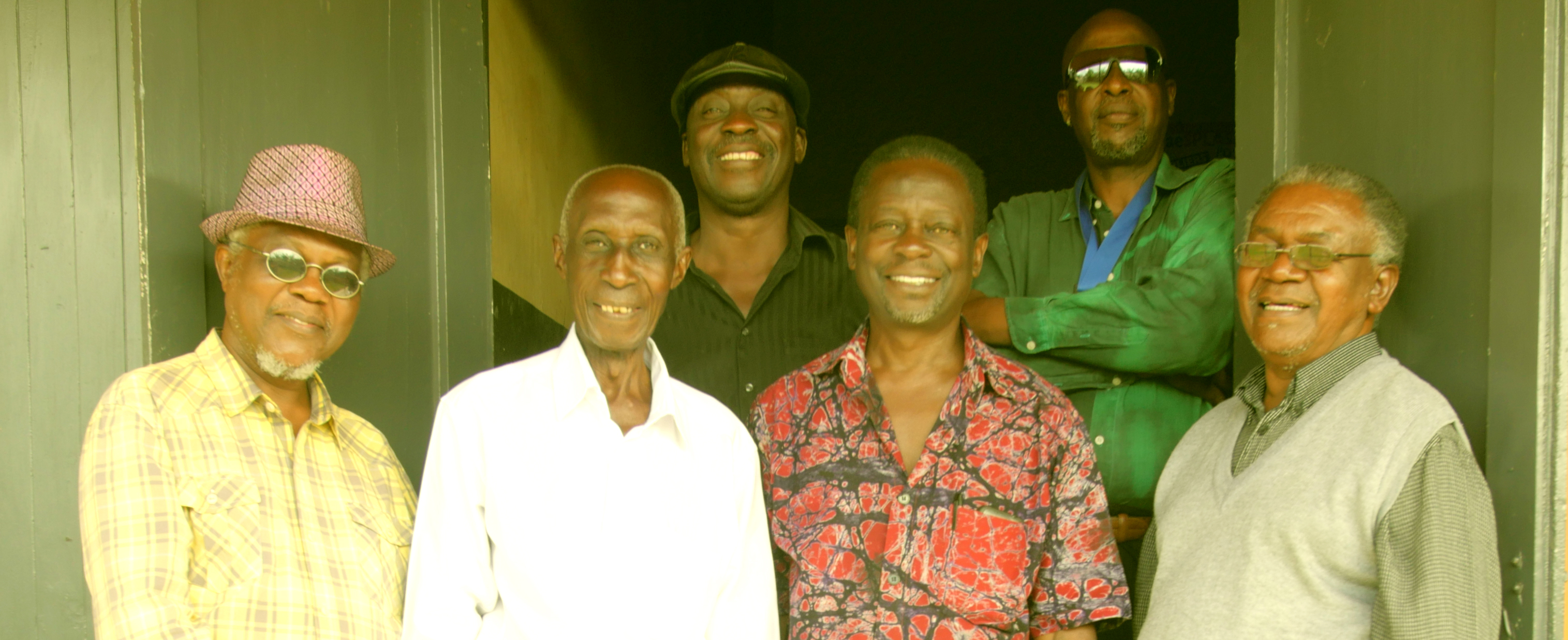
The Cranes Band Members in a photo dated 2026
At the end of Amin’s reign it had become impossible for most Ugandan artistes to go and record music in Kenya. So one day in mid-1978, Matovu asked Amin if he could allow them to go and record some songs in Kenya and finance the whole endeavour. Amin agreed but insisted that one of the songs should insult and ridicule Tanzanian president Julius Nyerere. Matovu came up with the song Amin Simba Kali (Amin is a strong lion) and when Amin walked into a rehearsal and heard the song being played and sung by Matovu, he was very happy.
Amin is a strong man, like a lion.
He is the lion of Africa.
He is ready to fight.
Especially the imperialists
But he will also fight Nyerere,
the woman whom Amin will take as his wife
A few months later, in October 1978, Amin invaded Tanzania. Soon Nyerere mobilised his own army and went on the offensive. Because of the war, Afrigo wasn't able to travel to Kenya and instead recorded the song at Uganda Television (UTV). When Nyerere finally chased Amin from Uganda in June 1979, the song suddenly became a liability. Matovu feared for his life if Nyerere would lay his hands on the recording of Amin Simba Kali. Luckily enough for Matovu, an engineer at UTV destroyed the tape just in time before the liberators entered Kampala.
When I finally had some funding to start filming Bwana Jogoo, I captured Matovu and his old Cranes bandmates in the prime of their lives. They were all above 65 but still strong and healthy. They were eager to participate in a film that would honour their long-lost friend.
One of the first things we filmed was the six surviving Cranes members recording the Senkebejje-penned song 'What's Love' at the Afrigo studio. The lyrics were partly inspired by what happened to Jessy. It was such a happy, joyful day, as the six of them hadn’t been together for a very long time. As a filmmaker, I knew that this togetherness and the spirit of melancholy that prevailed would rub off positively on the documentary. Although the topic was sad – Amin forcefully snatching away an 18-year-old young Sarah Kyolaba from Jessy and then having the musician killed – the strong bond between the musicians brought a remarkable lightness to the documentary.
When I finished the film in 2019, I had a private screening for all those that had been interviewed. It was important to me that they all felt properly represented. When the film finished there was some criticism about how I had incorporated some voices that had spoken of the horrible way in which Jessy had died. But Matovu stood up and called out to me: ‘Don’t change anything. The way you tell the story is exactly the way it happened’. Although I did make some small changes, his remark sounded like a blessing to me.
Of all the people gathered there that day, his opinion - as the musical kingpin of Uganda - prevailed and made me feel assured that I had done the right thing for Jessy and the Cranes. On the July 16, 2019 we had the premiere of Bwana Jogoo at the National Theater and some months later it received a golden Crane award at the Uganda Film Festival.
When I heard of the demise of Matovu early last Thursday morning, my head tumbled. I was right back at that 2019 premiere of Bwana Jogoo at the National Theater. He and his Crane brothers energetically doing an acoustic set of four of their 70’s hits, as an introduction to the film. One of the songs, many told me, had brought about the demise of Jessy, the intriguing Byetulaba. A song that talks about how men and women fool each other and get each other in trouble. And now that had happened again.
I had always imagined Matovu would play music well into his 80s and finally get the well-deserved honorary doctorate at Makerere University that journalist Robert Serumaga had pleaded for during the premiere of Bwana Jogoo. Serumaga was right. Matovu deserved it for all the innovation and inspiration he had brought to the modern music scene in Uganda.
Then the image of John Lennon flashed through my mind. His senseless killing in 1980 in New York. A musical legend for many bazungu. But I also knew Matovu and his Cranes brothers admired the man who sang ‘imagine all the people, living life in peace’. Then I had to think of poor Jessy and how he got entangled in a love triangle. And now the same thing had happened to Matovu. Possessiveness and jealousy showing its ugly face again. Then I knew that today would be a very sad day for Uganda. A day of introspection. Why is there so much violence?
Matovu was a unifying force, who brought us together with songs of love, freedom, happiness and peace. Now we salute you as you go to your everlasting peace, brother Moses.
The writer is the author of The Soul of Uganda Through Song and director of Bwana Jogoo: The Ballad of Jessy Gitta