
King Saha wants ‘Wewe’ at the top of Bebe Cool’s annual list
The singer is so confident about his prospects that he claims he has already taken control of this year’s selection, leaving Bebe Cool with what sounds like a consolation slot.
King Saha wants ‘Wewe’ at the top of Bebe Cool’s annual list
Ugandan musicians have started handing out musical report cards ahead of the release of Bebe Cool’s annual music list, and King Saha is already making demands as though he has been appointed the chief examiner.
Saha wants his hit song. Wewe not merely to appear on the Bebe Cool List but to occupy the top position, with his name written in capital letters to ensure nobody misses his contribution to Uganda’s music industry.
The singer is so confident about his prospects that he claims he has already taken control of this year’s selection, leaving Bebe Cool with what sounds like a consolation slot.
“I control this year’s list, and I have allowed him to choose that one to add, and I have also picked Kakebele to be there,” Saha said humorously.
The singer has already picked Kakebele, Bebe Cool’s song, for inclusion, suggesting that the annual exercise should not be a one-man show in which the compiler gets to blow his own trumpet while other musicians are left wondering whether their instruments were switched off.
Saha believes his own Wewe deserves the recognition, and he is not shy about saying so. And he is not stopping at one song.
“I will top the list. I’m sure I have like six songs there,” he declared.
Bebe Cool’s list becomes a musical courtroom.
Published annually on January 1, the Bebe Cool List has become one of Uganda’s most discussed music reviews.
The compilation ranks songs and artistes that Bebe Cool believes have made an impact over the preceding year. It is a personal assessment, but one that regularly triggers debates across the entertainment industry.
For some artistes, making the list is a badge of honour. For others, missing out can feel like receiving a school report with several subjects marked “needs improvement”.
The list often generates lively public debate, media analysis and online exchanges, sometimes attracting more attention than formal music awards. Its supporters see it as a useful industry barometer, while critics question its subjectivity, selection criteria and the research behind the rankings.
It has also attracted criticism from rival commentators, including Eddie Ssendi, as well as musicians who believe their work has been overlooked.
That is what makes Saha’s latest remarks particularly entertaining. Instead of waiting until January 1 to discover whether his music has survived Bebe Cool’s selection process, he has decided to campaign in advance.
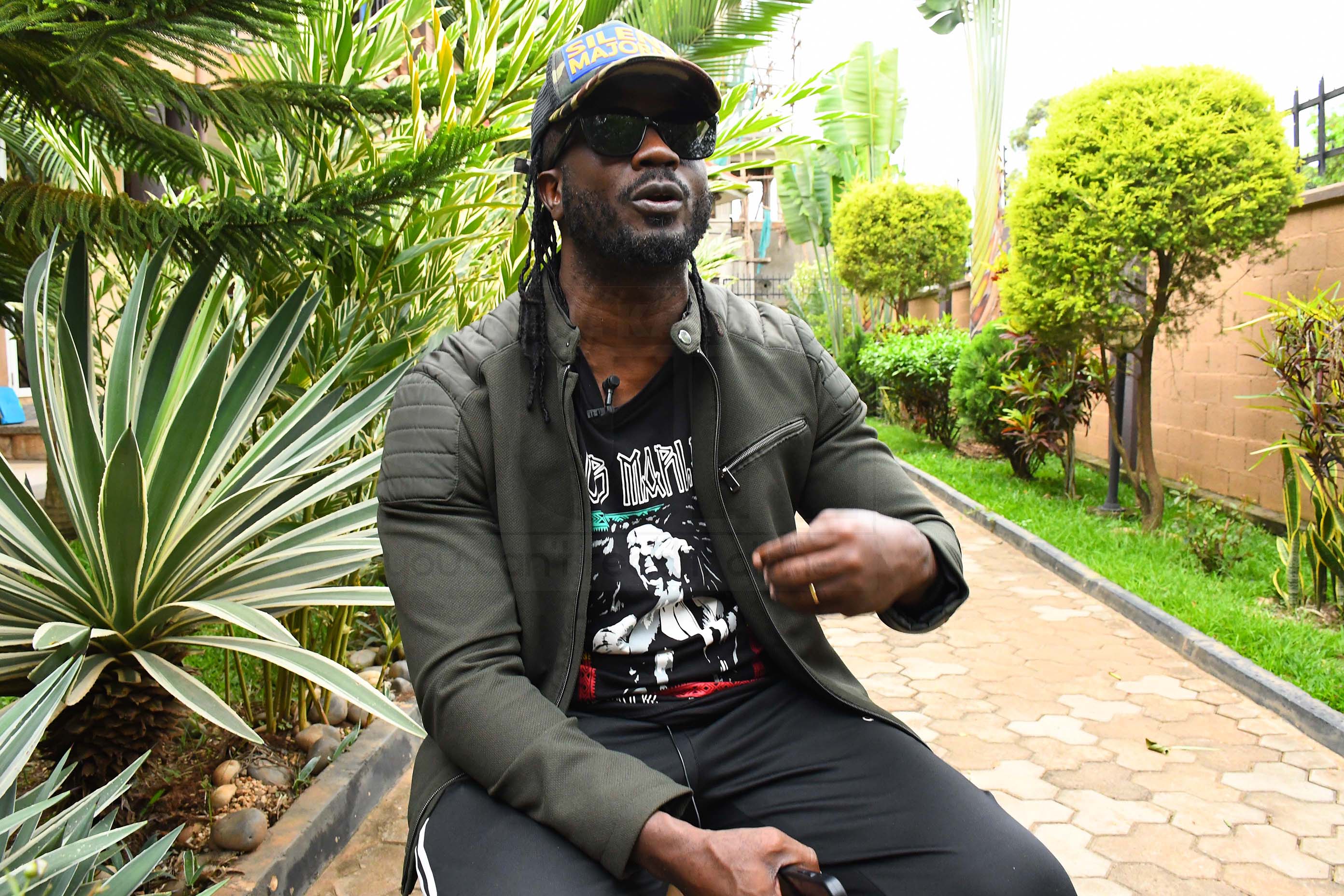
Bebe Cool's annual list continues to cause controversy: File Photo
Saha also accused Bebe Cool of being selfish and suggested that the singer sometimes fails to recognise people he believes deserve credit.
Including both Wewe and Kakebele, he argued, would offer a fairer arrangement, with each musician acknowledging the other’s work.
Whether Bebe Cool will accept Saha’s generous offer to select a song for him remains another matter. After all, handing over control of one's own annual list is rather like asking a football coach to let the opposing team pick the starting eleven.
While Saha is busy campaigning for recognition, Swangz Avenue singer Priscilla Zawedde, popularly known as Azawi, has been less generous in her assessment of some of the music coming from King Saha.
Azawi has openly criticised some of the recent releases by Saha describing songs such as TikTok and P.2 as music she does not enjoy.
“I don’t like the songs he is releasing currently—songs like ‘P.2’ and ‘TikTok.’ I don’t like such crap,” she said in an interview with a local television station.
Her comments are a reminder that the Ugandan music industry is not short of opinions, even when artistes disagree about what constitutes a hit.