
How well can you sing the anthem? Sh100 million is up for grabs
To bridge the digital divide for upcountry contestants without reliable internet access, organisers have avoided exclusive online registration; applicants can mail or drop off completed registration forms, or submit them directly at the National Theatre in Kampala.
The Sauti Ya Uganda competition is encouraging citizens to learn, interpret, and perform all three stanzas of the Uganda National Anthem and the East African Community Anthem. (Credit: Uganda Media Centre)
__________________
Government, through the Uganda Media Centre and the Ministry of ICT and National Guidance, has launched Sauti Ya Uganda (Voice of Uganda), a nationwide anthem contest with a hefty grand prize: sh100 million.
The contest is aimed at combatting significant civic crisis and reducing tribal divisions.
It is also encouraging citizens to learn, interpret, and perform all three stanzas of the Uganda National Anthem and the East African Community Anthem in any style and language they choose.
The initiative reveals a sobering truth about Uganda's civic awareness: many citizens can only sing the first verse of their national anthem, and most have no knowledge of the regional EAC Anthem.
To handle the financial and logistical challenges of such a large-scale project, organisers stated that Sauti Ya Uganda is partially funded by an AFCON organising partner through the regional "Pamoja" framework.
The regional anthem is a strategic effort to boost East African identity, helping Ugandans to better understand and value regional unity before the continental tournament that Uganda will co-host with neighbours Kenya and Tanzania in 2027.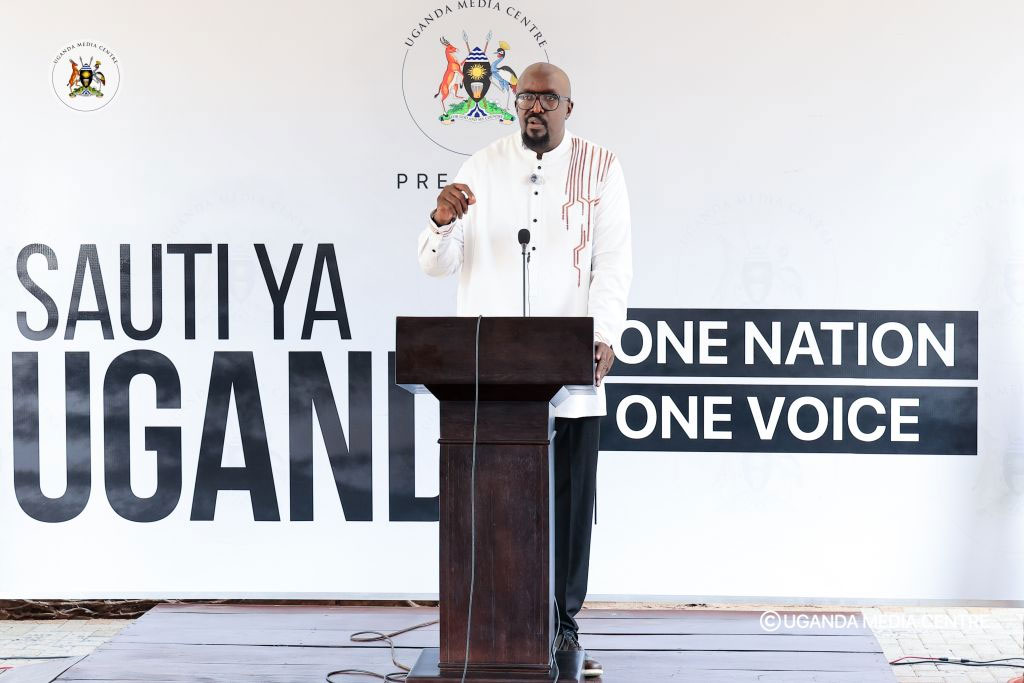
Uganda Media Centre executive director Alan Kasujja says the contest isn’t asking participants to simply memorize words. (Credit: Uganda Media Centre)
During the launch at the Uganda Media Centre in Kampala on Friday, Alan Kasujja, the executive director of the Uganda Media Centre, emphasised that the initiative goes far deeper than a standard television talent search.
“Sauti Ya Uganda isn’t asking you to memorise words.
“It is asking you to bring back to life — in your own voice, your own language- and choose unity over division and region over tribe.
"This is not just a talent search. It is an invitation to every Ugandan, in English or in your mother tongue, to reinterpret our national anthem and East African Anthem in your own voice, style, and creativity.”
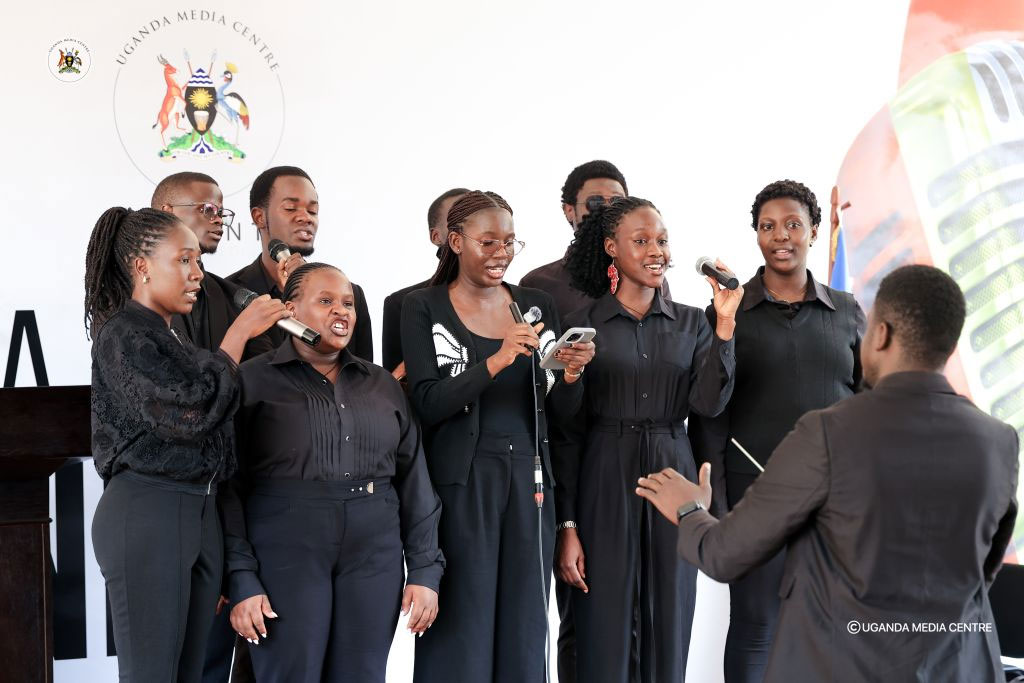
The competition is open to solo performers, local choirs, musical bands, and cultural groups. (Credit: Uganda Media Centre)
To bridge the digital divide for upcountry contestants without reliable internet access, organisers have avoided exclusive online registration; applicants can mail or drop off completed registration forms, or submit them directly at the National Theatre in Kampala.
Mobile judging system
Registration opened on Friday (July 10) and will run until August 8.
(Forms can be downloaded from https://tinyurl.com/sautiyauganda).
It is understood regional desks are being set up.
To guarantee full transparency and fairness, a panel of professional judges will travel to different regions for live knockout rounds.
This mobile judging system reduces travel expenses for rural contestants, allowing those performing in indigenous languages or using unconventional traditional and folk arrangements to be judged fairly in their home areas.
The competition will culminate on the grand national stage on October 9, 2026, during the Independence Day Anniversary celebrations.
To engage youth, the campaign also features a digital component: four weeks of weekly TikTok challenges, with the most creative song winning sh1 million each week.
Meanwhile, prominent academic and cultural leaders have rallied behind the campaign, framing it as a vital intervention for nation-building.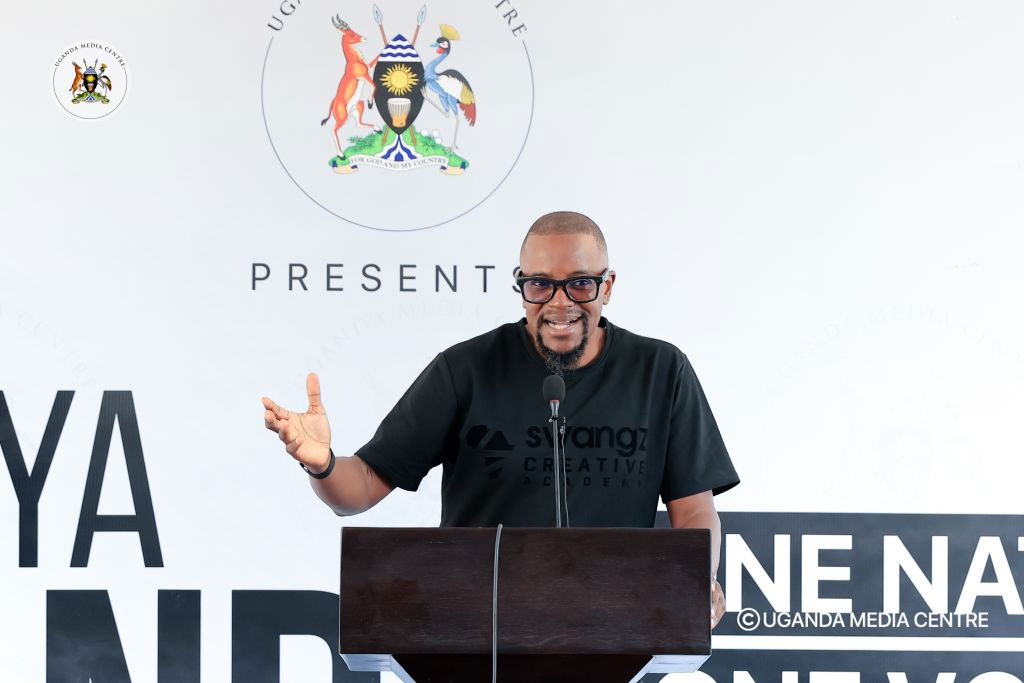
Dr Benon Kigozi of the African Music Council says the initiative is very important in promoting patriotism and nationalism. (Credit: Uganda Media Centre)
Dr Benon Kigozi of the African Music Council noted that a shared understanding of these anthems offers a systematic solution to national fragmentation.
He said the contest is very important in promoting patriotism and a general sense of nationalism and belonging.
'For me and my country'
For the project's celebrity brand ambassadors, the competition carries immense personal weight.
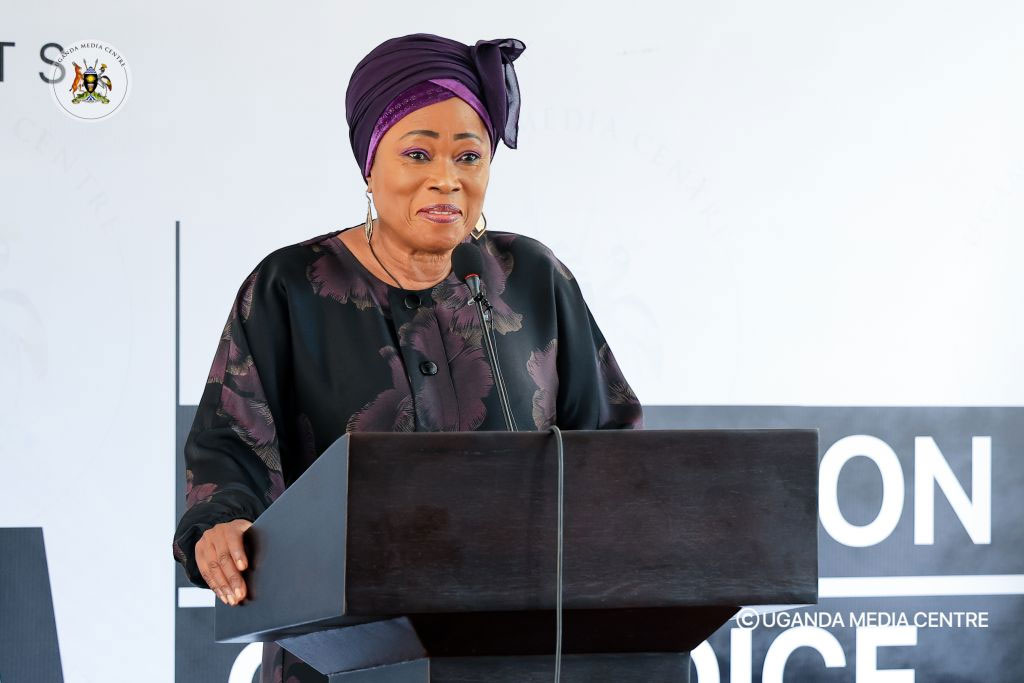
Legendary singer Hajat Halima Namakula is one of the project's celebrity brand ambassadors. (Credit: Uganda Media Centre)
Legendary singer Hajat Halima Namakula expressed her dedication to the civic drive.
"This is something I have always wanted. I am glad that the Uganda Media Centre chose me as one of the ambassadors, and I am going to do the work as they want me to because I am doing it for me and my country.”
Renowned media personality and storyteller Dr Mich Egwang reflected on how the anthem serves as an emotional anchor that defines national identity.
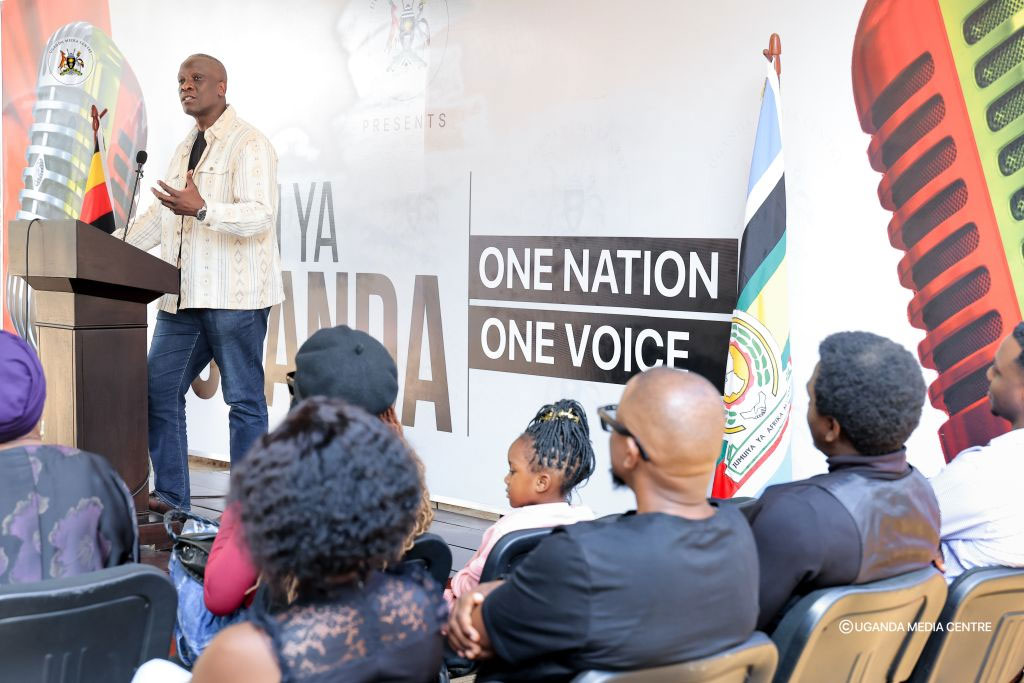
Renowned media personality and storyteller Dr Mich Egwang says he is glad to be part of the project. (Credit: Uganda Media Centre)
“Every time I am on a given platform, I play my national anthem, and it makes me very proud. Sometimes it brings tears to my eyes," he said.
"The question we should all be asking ourselves is who we are. The national anthem gives us our identity. My job is to tell stories, and I am so excited that Uganda Media Centre has organised this competition to promote our anthem, and I am glad to be part of it.”
More than just prize money and viral trends, Sauti Ya Uganda holds vital importance for the nation's socio-political landscape.
In a period marked by regionalism, political division, and tribal prejudices that challenge unity, the government uses the emotional impact of music as a strategic tool for national integration.
By actively encouraging participants to perform in their local dialects and unique musical styles, the program challenges the idea that patriotism requires forsaking cultural traditions.
It instead presents Uganda’s cultural diversity as complementary parts of a single, harmonious song, while also nurturing a future-oriented mindset among youth to see beyond national borders toward a unified East African identity.