
12 teachers making a difference awarded
When Alice Mary Birungi joined Bombo Army Secondary School in Luwero district, enrolment stood at 182 learners. Through innovative approaches, provision of bursaries and offering an all-round education, she restored confidence in the school, raising enrolment to over 4,000 learners today.
12 teachers making a difference awarded
_________________
Twelve exceptional teachers have been announced as winners of the 2025 Teachers Making a Difference project. Between June and September, 2025, New Vision profiled 70 outstanding educators from across Uganda.
For the second year running, the edition included a special category, the Most Progressive Teachers Making a Difference alumni. In this category, the project honours three past winners who have continued to innovate, inspire learners and transform their communities long after their initial recognition. Jacky Achan writes.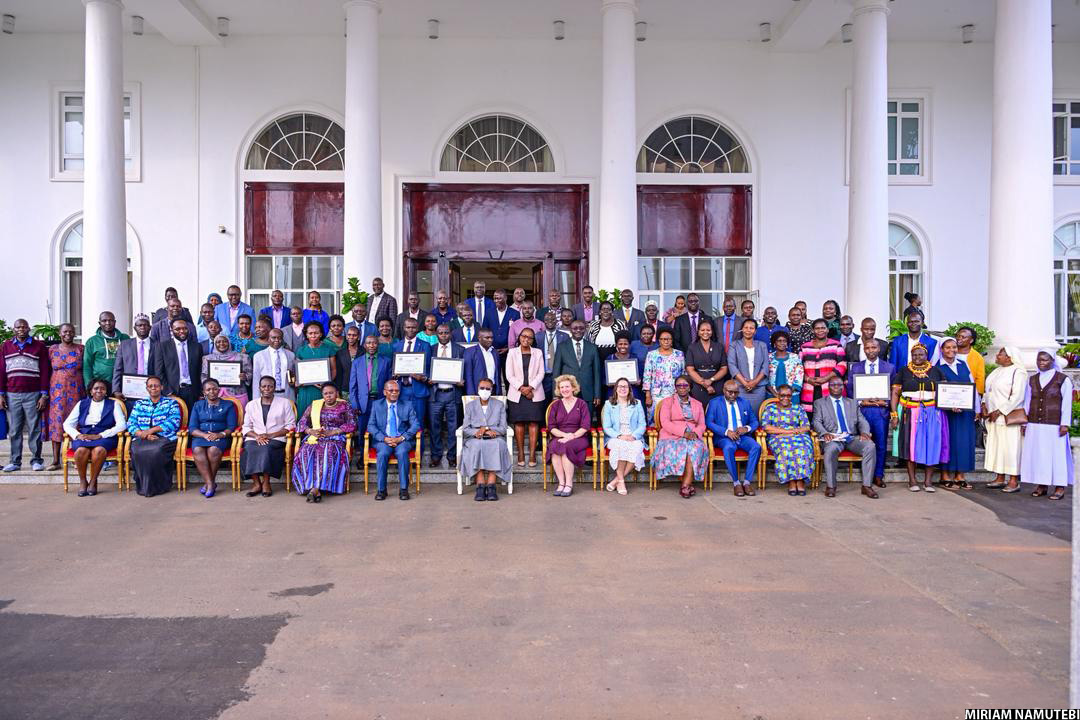
Alice Mary Birungi Baruga — OVERALL WINNER
Bombo Army Secondary School, Luwero
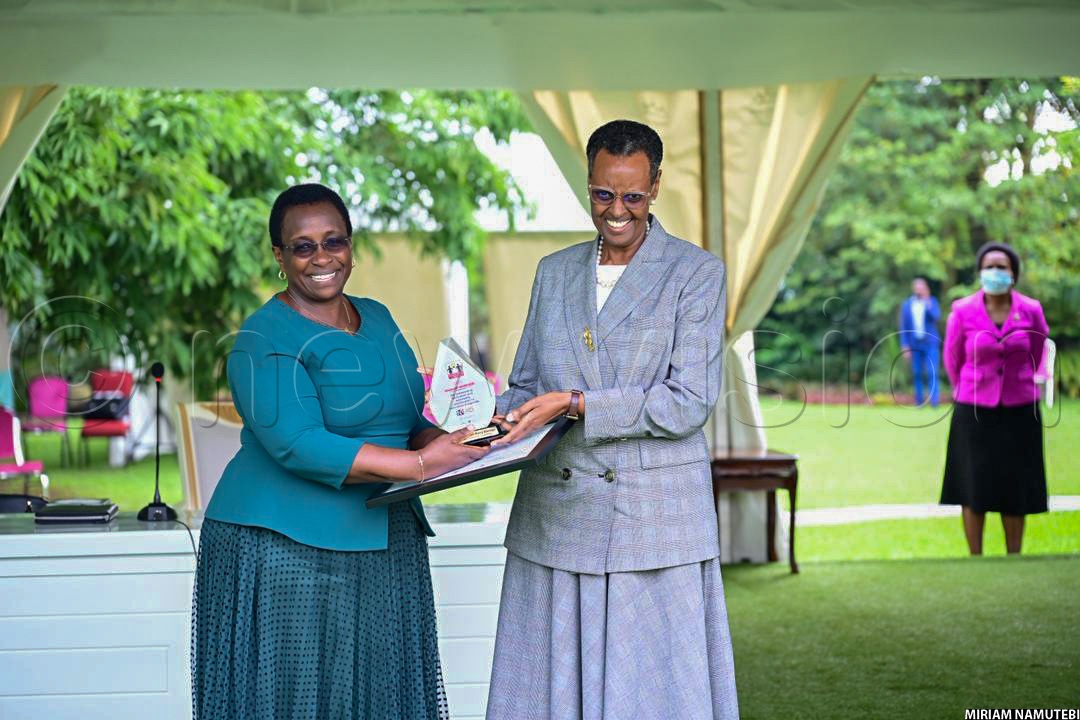
When Alice Mary Birungi joined Bombo Army Secondary School in Luwero district, enrolment stood at 182 learners. Through innovative approaches, provision of bursaries and offering an all-round education, she restored confidence in the school, raising enrolment to over 4,000 learners today.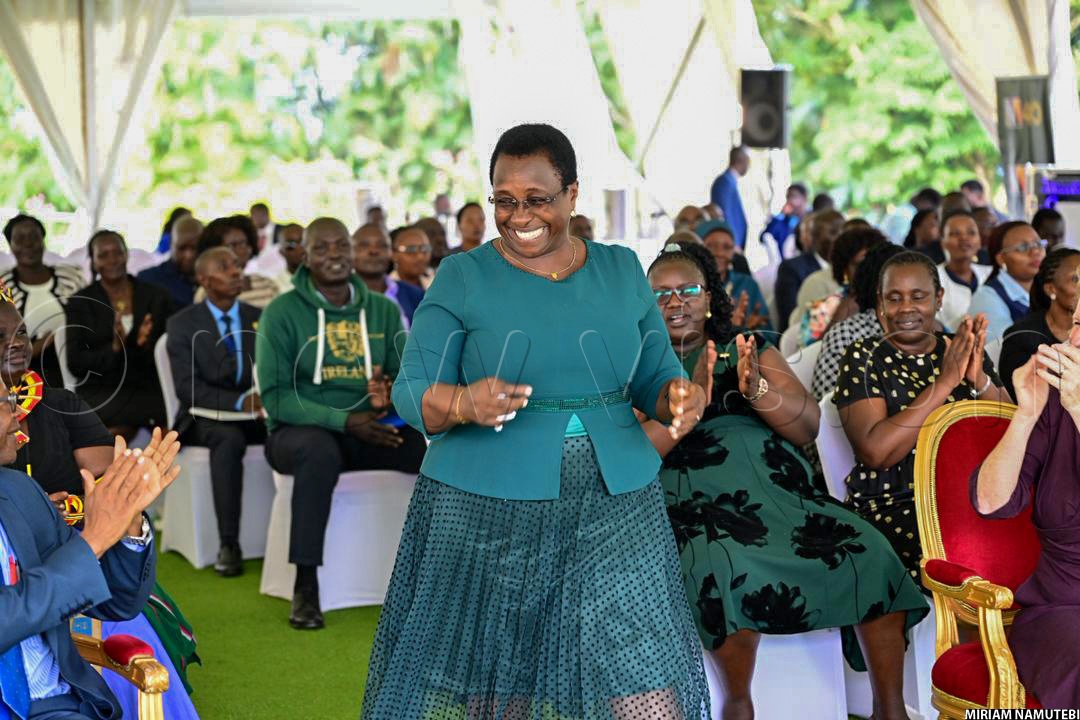
Birungi began with a vegetable project and expanded to snail farming, mushrooms, poultry, black soldier fly farming, rabbitry, fishing and a dairy farm.
She set up an agriculture bursary, and by 2025, 250 students had benefited from working on school projects to pay tuition fees. Another 500 high-performing students have benefited from an academic bursary.
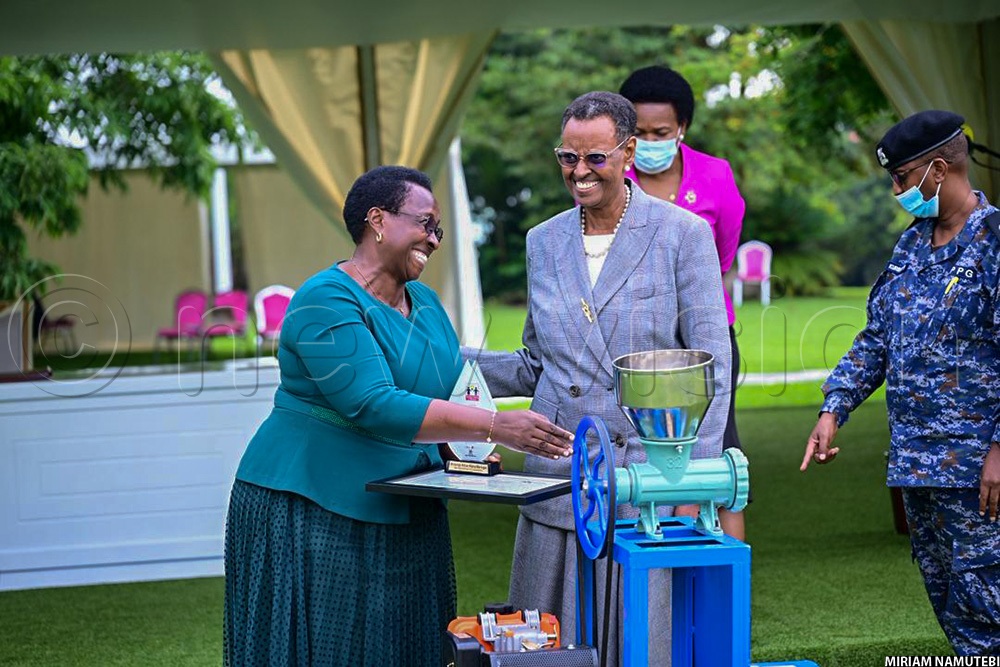
The school teaches tailoring, textbook printing, soap-making and lab rat rearing. Additionally, every week, three to five schools visit to learn best practices.
Through her efforts, the school also excels in co-curricular activities including netball, football, handball, lacrosse, chess and debates.
Arafat Ndiwa Chemasuet — Kalas Girls Primary School, Amudat
He joined Kalas Girls Primary School in 2019. He set out on a mission to develop talent, offer all-round education and mobilise the communities to green the environment in the semi-arid sub-region of Karamoja.
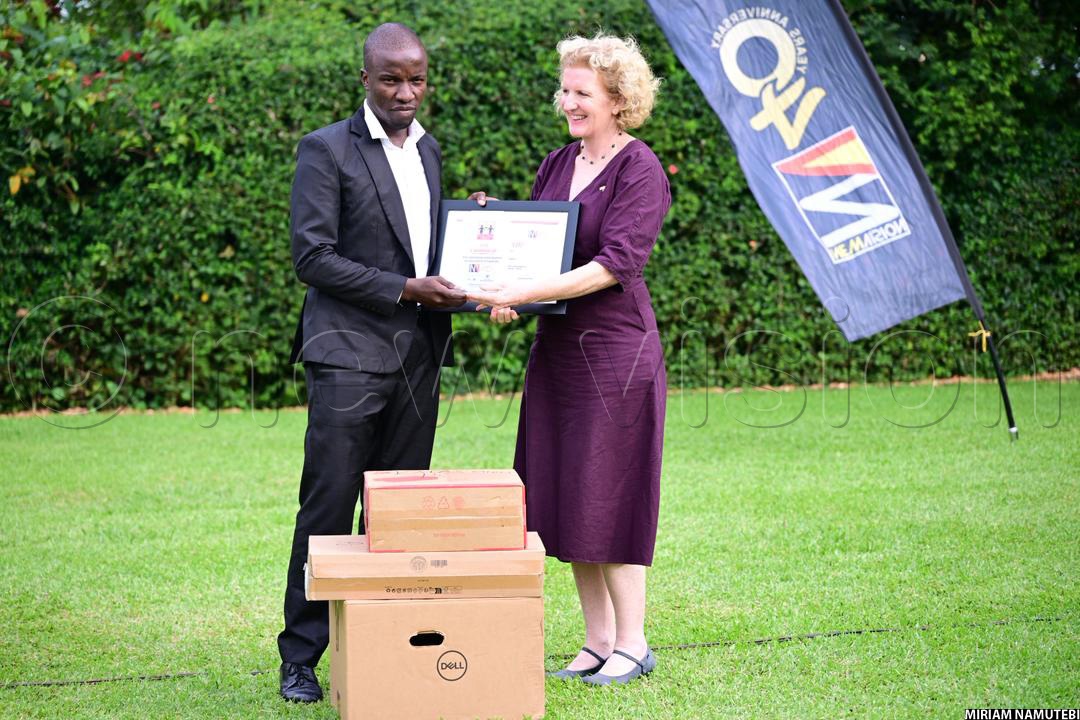
Through his mobilisation skills, he raised funds to establish fruit-tree nurseries of mangoes, guavas, oranges and pawpaws. By 2025, over 1,500 trees had been planted.
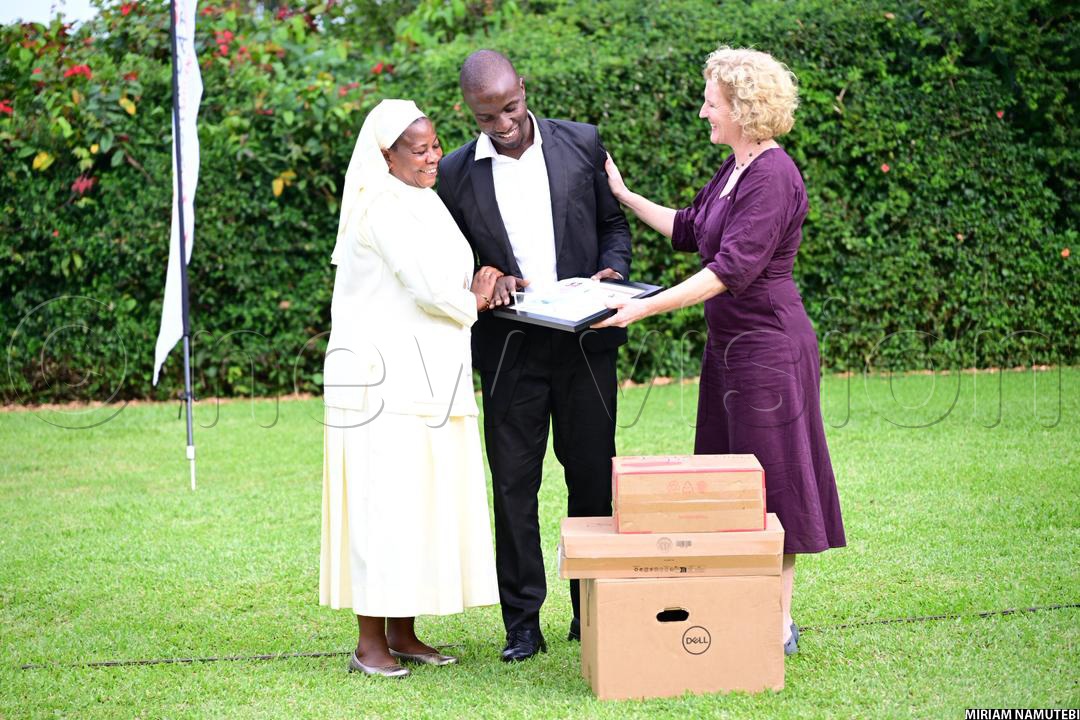
Arafat Chemasuet also revitalised talent development through co-curricular activities such music, dance and drama, table tennis, volleyball and netball. He organises bi-weekly community clean-up drives. He also shares seedlings and water with neighbouring communities. Both moves have endeared the communities to the school.
John Bosco Loibok — Karenga Boys Primary School, Karenga
Since assuming leadership at the school in 2022, John Bosco Loibok has used agriculture to keep pupils fed, skilled and motivated to learn. He established a six-acre school garden in which pupils grow onions, tomatoes, sweet potatoes, mushrooms and eggplants.
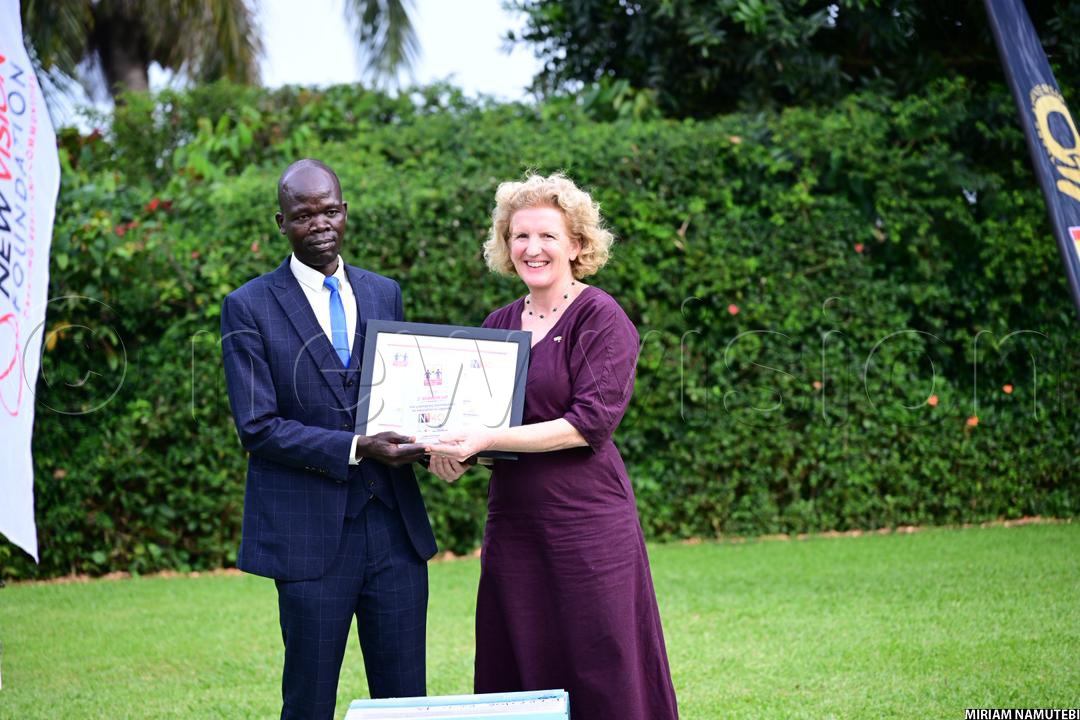
The school feeding programme raised enrolment from 1,200 to over 1,700 pupils in 2025 and reduced dependence on World Food Programme rations.
Academically, the school performance has improved, with pupils scoring D2 and C3 grades in Mathematics and English, which Loibok attributes to extra lessons and teacher motivation.
To ensure talent and skills development, Loibok encourages sports, music, dance and drama. The learners also receive vocational training in catering, soap-making, saving and producing reusable sanitary pads.
Richard Begura — Immaculate Heart Girls’ School, Rukungiri
Since his posting to the school in 2020, the teacher of English language and literature has turned ordinary learners into confident leaders, authors and innovators.
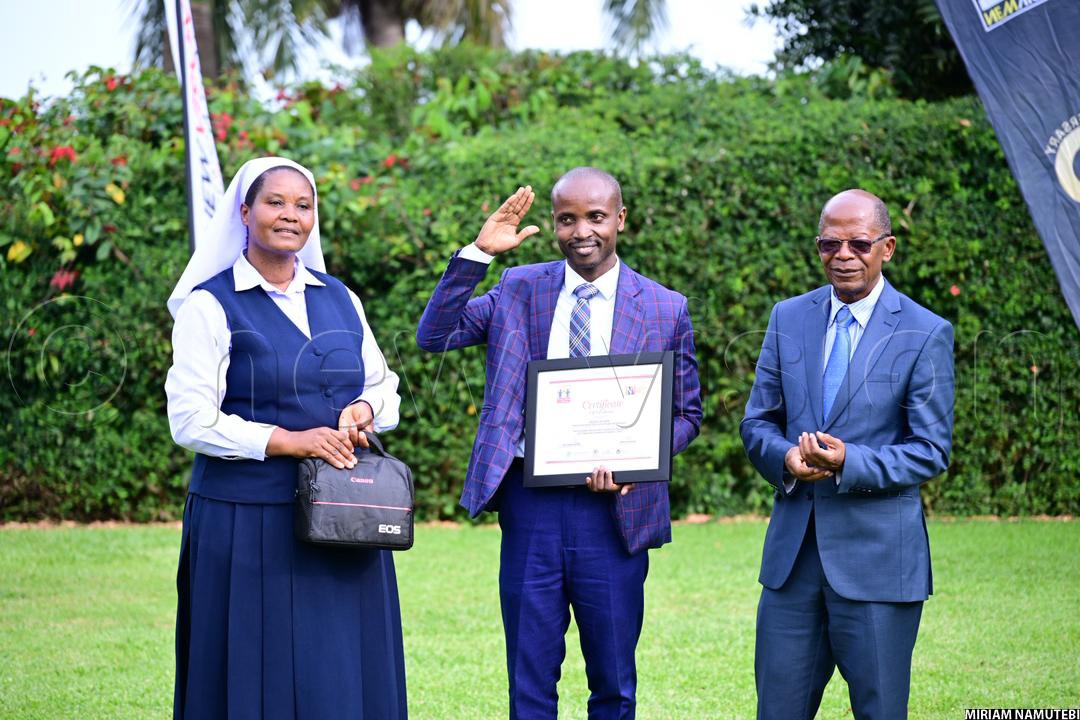
Richard Begura integrates debates, mock meetings and drama that build communication, teamwork and critical thinking skills.
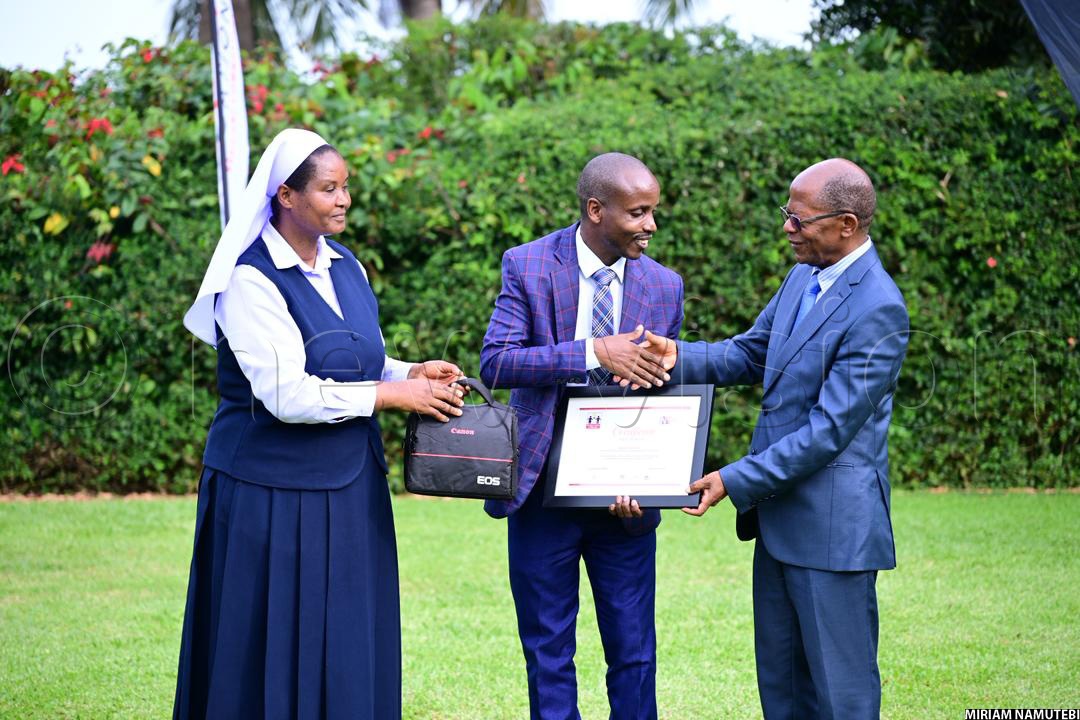
Besides using his salary to support needy students, Begura organises mobilisation drives with alumni and friends to support students who would have otherwise struggled to pay tuition fees at the school.
Tairi Fungaro — Yumbe Primary School, Yumbe
When appointed acting head teacher of Yumbe Primary School in March 2022, the first obstacles Tairi Fungaro had to address were limited physical infrastructure, no power, as well as lack of a reliable water source for the school.
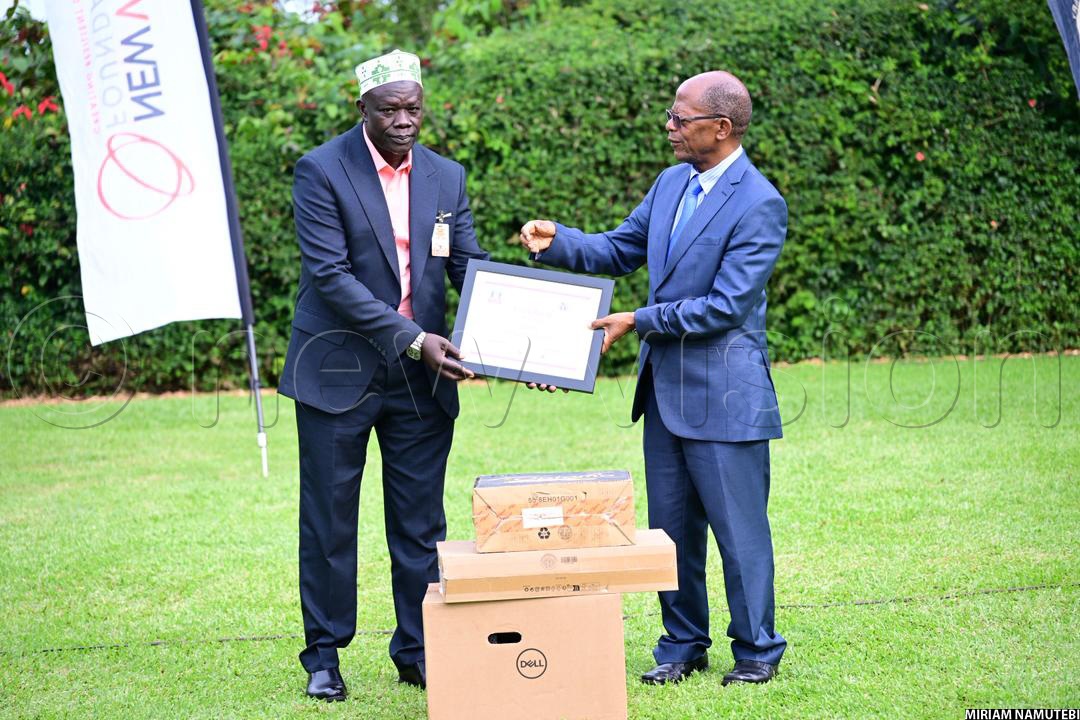
Using his mobilisation skills, he spearheaded the construction of a sh80m girls’ dormitory, facilitated the drilling of a borehole for clean water and installation of classroom lighting for night study. To boost the school revenue and enhance security, he built 102 lock-up shops for rent along the school perimeter fence.
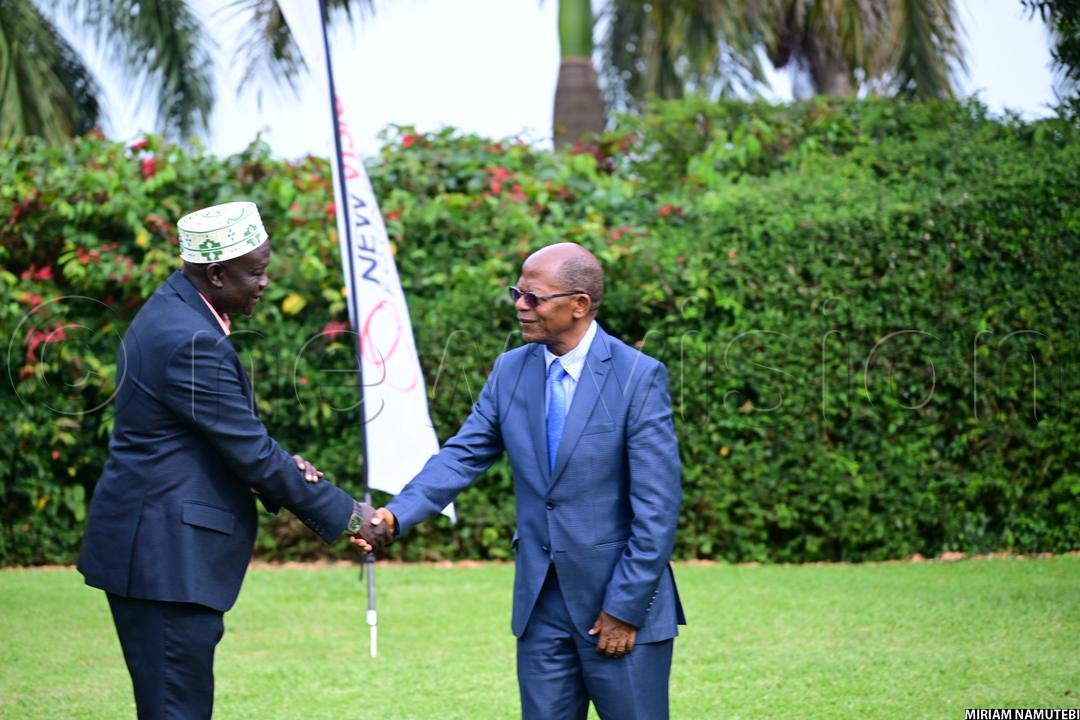
To strengthen academics, Fungaro implemented teacher accountability measures and acquired computers with Internet access for research and exam preparation. This has had a positive impact on the school performance. Because he encourages co-curricular activities, the school excels in sports, music, dance and drama as well as skills development.
Aisha Mbeya — Nalubaale Secondary School, Bugiri
When Aisha Mbeya became headteacher in 2020, enrolment stood at 49, and the school had never produced a First Grade in O’level since 1987 when it was established.
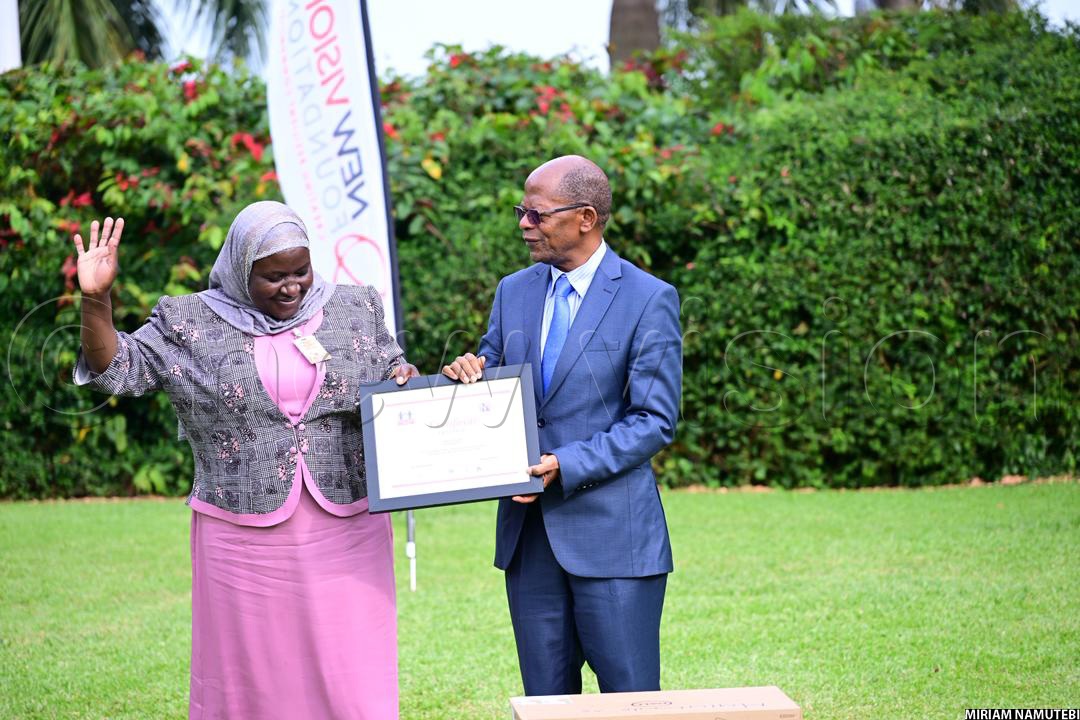
The other challenges the school faced included lack of meals, learning resources and demotivated staff.
To address these challenges, in 2021, Mbeya introduced a feeding programme by mobilising parents to contribute maize and beans to provide meals for their children.
On the academic front, she has partnered with 10 top-performing schools from Kampala, Wakiso and Jinja to share revision materials.
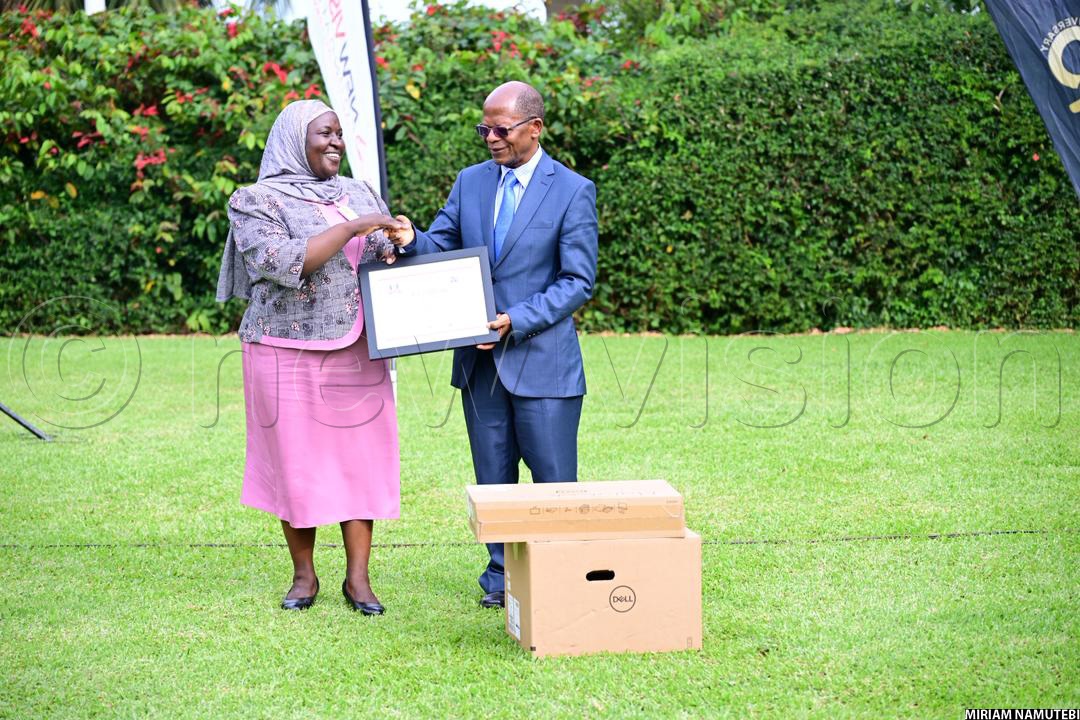
This improved academic performance, restored confidence in the school, raising enrolment to 1,567 learners in 2025.
Through alumni, she is raising funds for an administrative block. She has revived co-curricular activities, partnered with non-governmental organisations to fence the school, drill a borehole and to provide free reusable sanitary pads to keep girls in school.
Anna Lomonyang — Kangole Boys Primary School, Napak
She is credited with supporting children with learning challenges in a region where education is not highly valued.
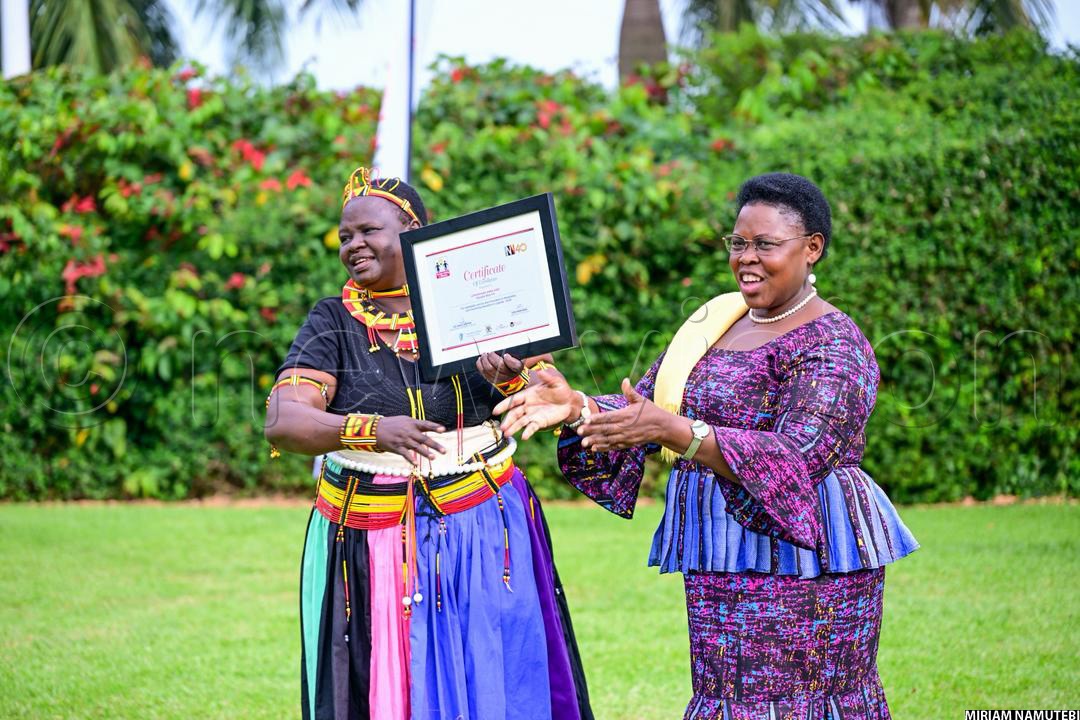
In 2004, she helped establish the first deaf and blind department in the sub-region at her school in partnership with Save the Children International, enrolling 48 special needs pupils.
In 2020, Anna Lominyang founded the Karamoja Special Children’s Hope Initiative, which today supports 124 beneficiaries.
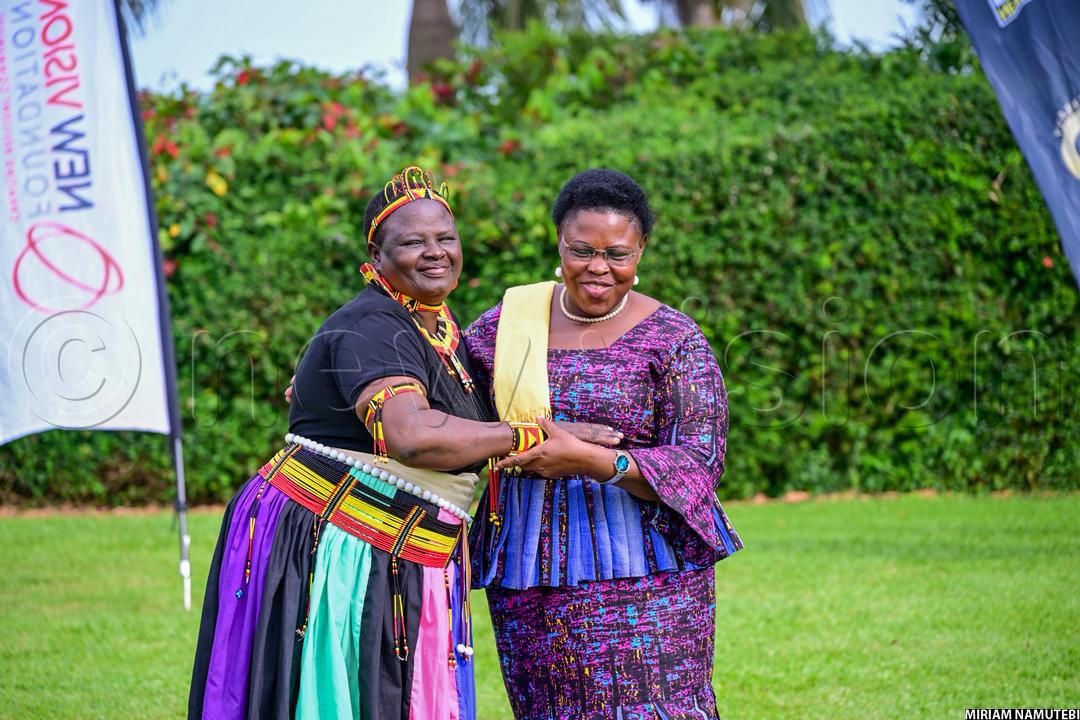
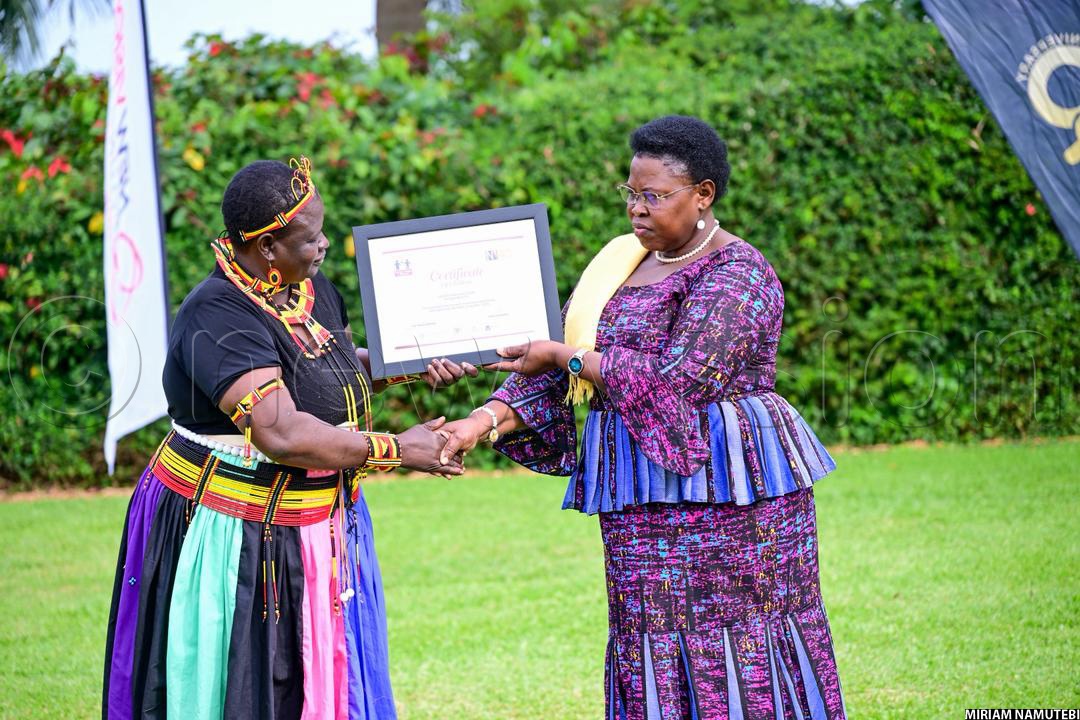
Through the initiative, she provides sign-language training to community members, adult education classes and support to learners with disabilities.
Lomonyang promotes inclusion through sports, music, dance and drama.
Job Afeku — Yoro Primary School, Adjumani
When Job Afeku became the deputy headteacher in 2020, enrolment was low at just 300 learners. He began community dialogues with male parents and, in 2022, launched the Baba Club, a group of 30 fathers championing education.
Through home visits and regular meetings, the club mobilised families to enrol children, and the school population rose to over 500 learners in 2025.
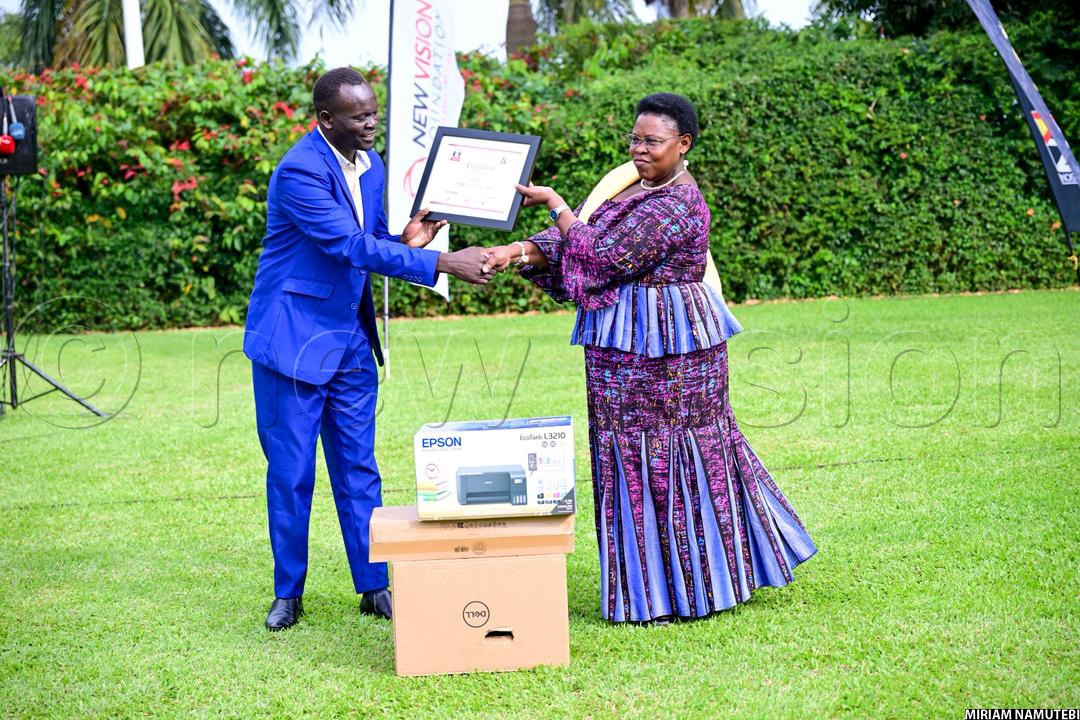
Afeku also established a savings scheme within the Baba Club, where members contribute twice a month so they can easily pay school fees and buy scholastic materials.
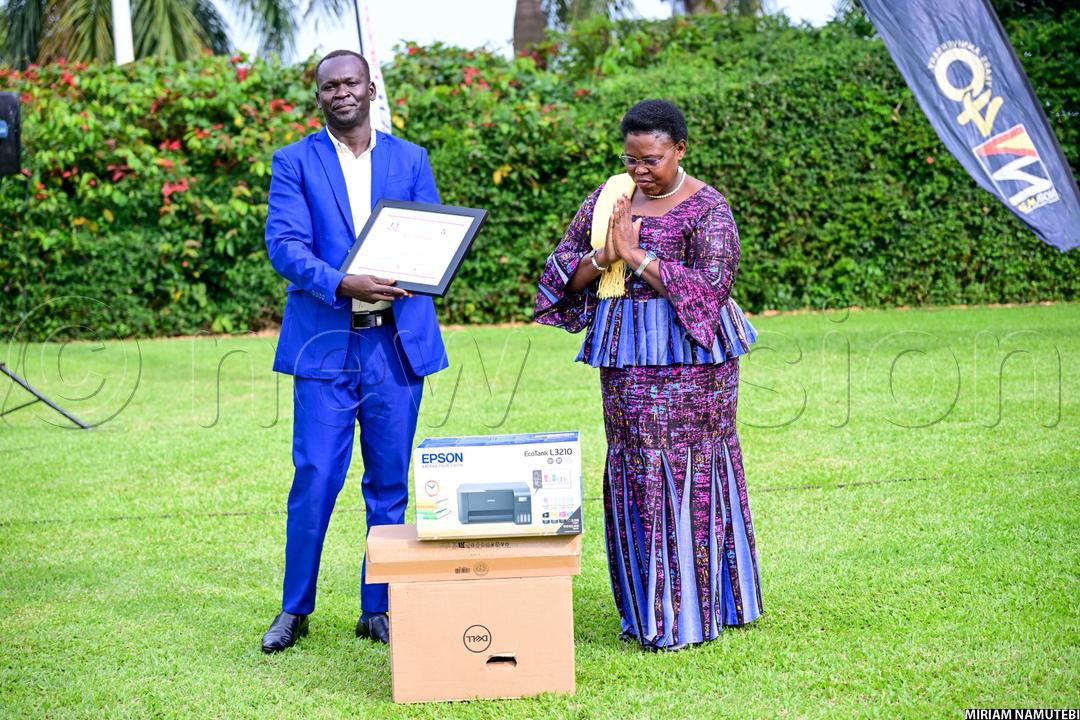
He started a feeding programme where each parent contributes maize and beans to feed learners daily. Between 2022 and 2025, the school was the best-performing in the sub-county.
Elisa Mfitundinda — Muramba Seed Secondary School, Kisoro
Elisa Mfitundinda took over as acting headteacher of Muramba Seed Secondary School in December 2022. Frequent strikes, both teacher and student absenteeism, as well as poor academic performance, were the norm.
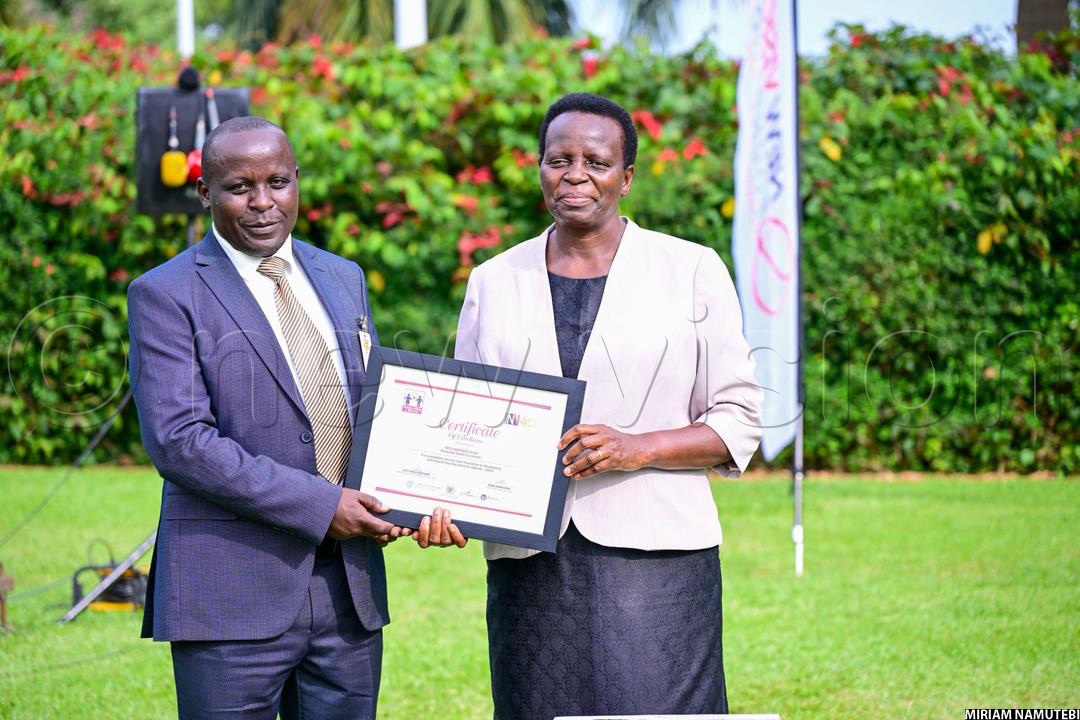
To restore discipline, he introduced a sh5,000 fine for teachers who miss lessons without valid reasons. He also set up student counselling sessions and engaged the community through radio sensitisation and at local gatherings.
Bursaries for bright learners and labour or in-kind contributions from needy students further encouraged participation. As a result, enrolment grew from 310 in 2022 to 400 students in 2025. In 2024, all 39 candidates passed the national examinations.
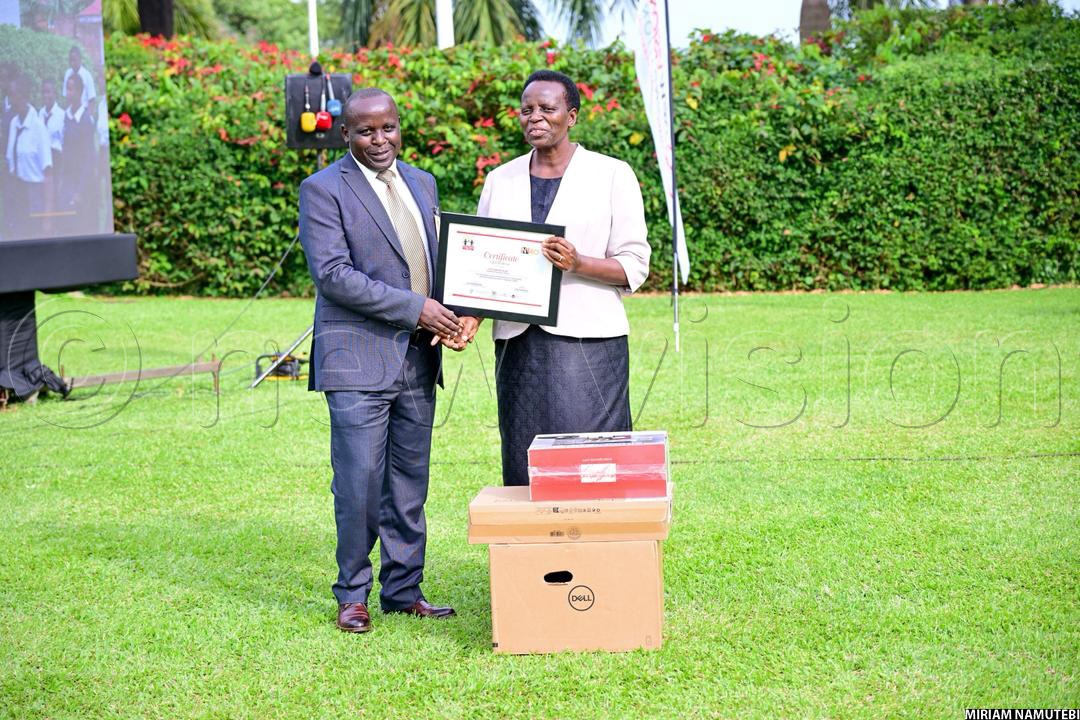
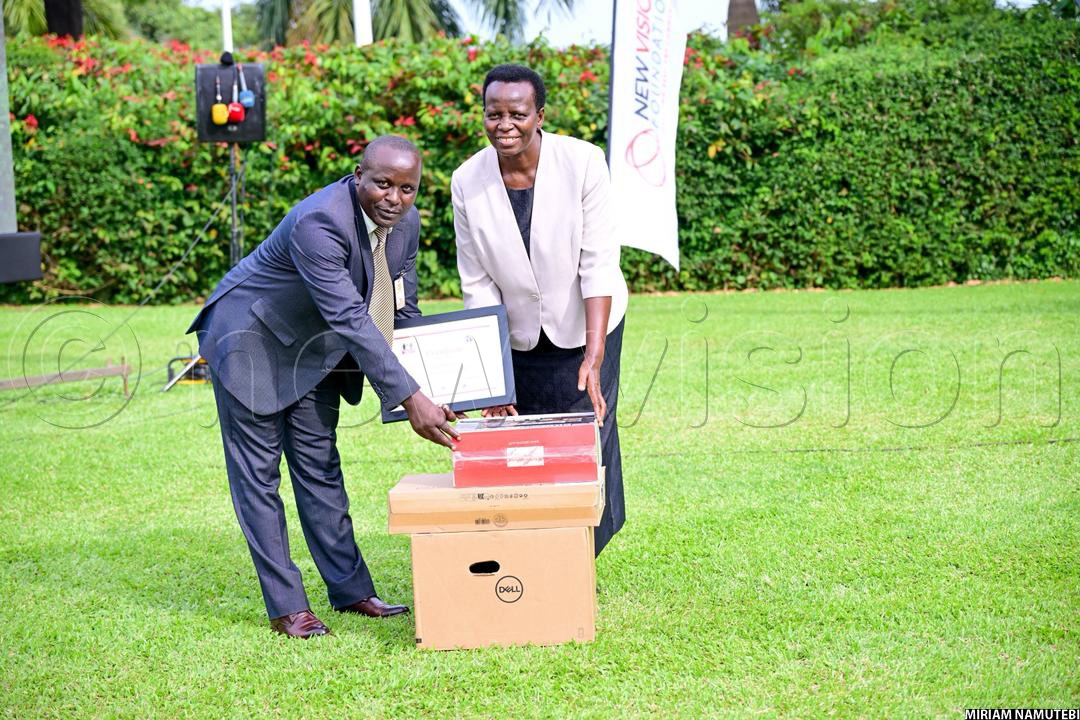
Mfitundinda completed staff houses, roofed the students’ common room, built a new pit latrine and connected the school to electricity. Students excel in sports and vocational projects.
Morris Wamuwaya — Nabumali Boarding Primary School, Mbale
When posted to the school in 2015, Morris Wamuwaya discovered that many learners could not afford scholastic materials, practical subjects were ignored, and girls had a challenge accessing sanitary pads.
His first move was to start a pupils’ savings club, where pupils save part of their pocket money to buy books, pens and snacks. By 2025, the club had 678 members, each saving an average of sh15,000 per term.
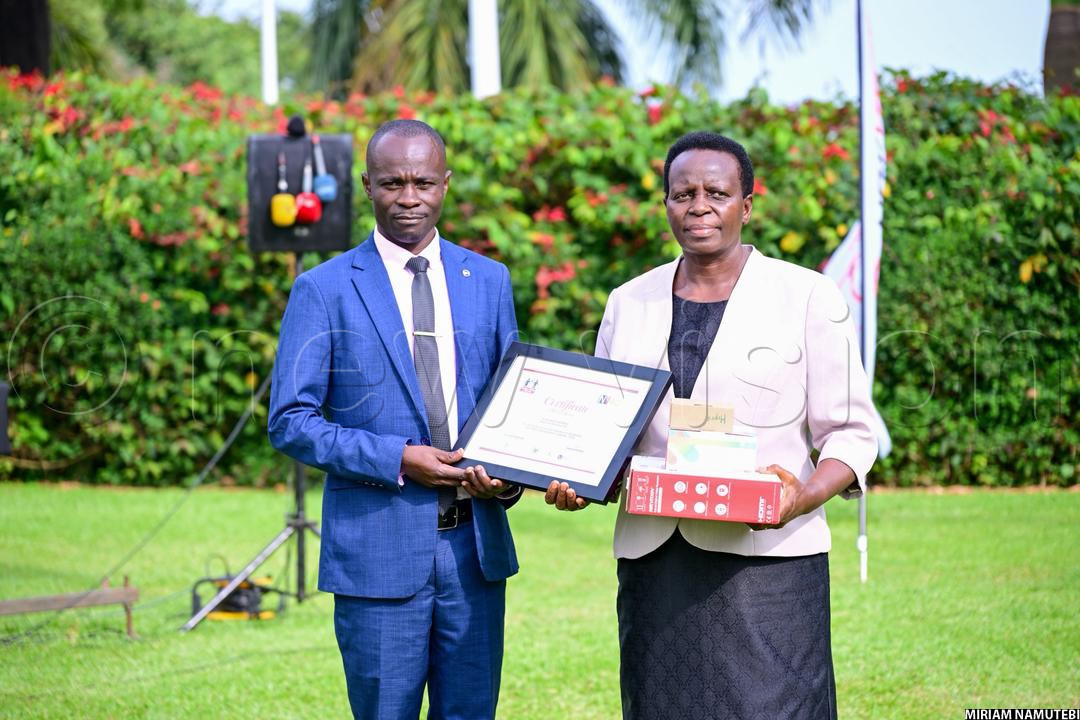
Wamuwaya started the Nabumali Young Farmers Club, where pupils grow bananas and vegetables. The produce supplements school meals, while surpluses are sold and profits added to the savings club.
He also mobilised parents to buy a sh250,000 water tank for irrigation, guaranteeing year-round farming.
Wamuwaya conducts regular counselling sessions and, with support from a non-government organisation, Friends of Christ, provides reusable sanitary pads.
He secured three sewing machines for pupils and mobilised alumni to raise sh2.5m to construct a kitchen. He trains and supports the school’ football and netball teams; which were Mbale champions in 2024 and 2025.
Florence Nabasumba — St Peter’s Nantabulirwa Pri. Sch, Mukono
When Florence Nabasumba took over as the headteacher of St Peter’s Nantabulirwa Church of Uganda Primary School in February 2013, the physical structures were in a sorry state, classrooms had been turned into a chicken house, and the school lacked piped water.
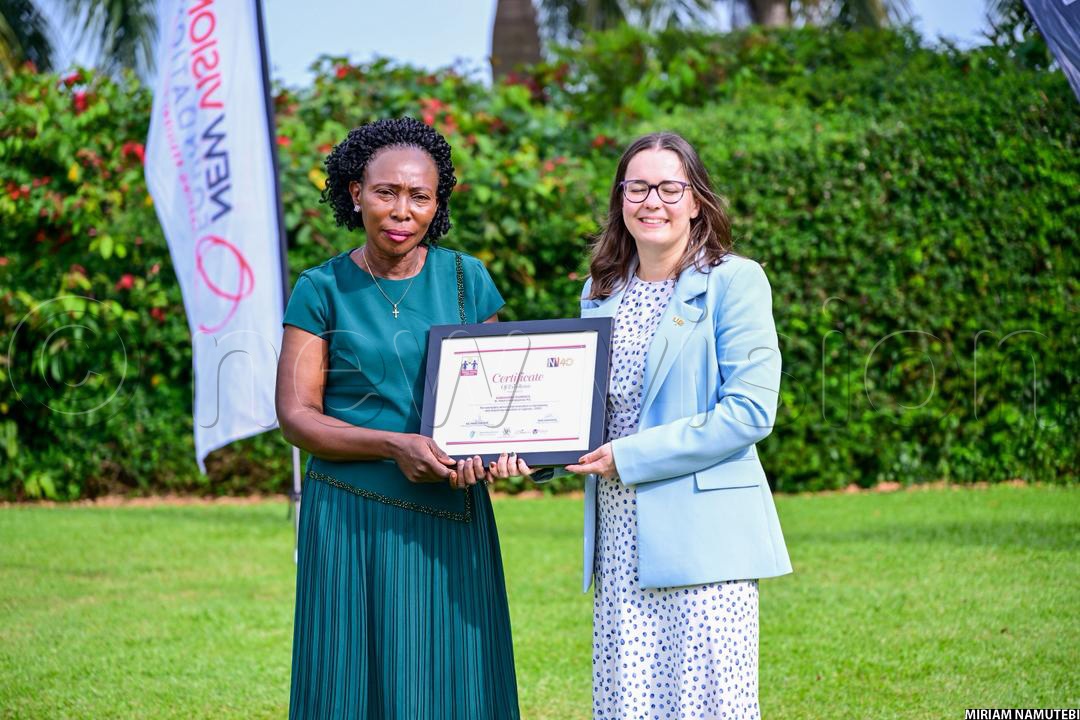
Her first move was to involve Mukono municipal authorities to reclaim the premises. In 2014, Nabasumba secured funding from Roofings Group, which invested sh500m to renovate buildings and extend piped water. In 2024, with support from Roofings Group, the church and parents, she launched the construction of a sh800m three-storeyed block that has 16 classrooms, a hall and offices.
She mobilised parents to enrol their children, increasing enrolment from 149 to 1,495 pupils in 2025. She strengthened academics by introducing weekly tests. Academic performance has since soared from 10 first grades out of 37 in 2013 to 24 out of 60 in 2019. She also raised sh11m from alumni and used it for the installation of cameras to beef up security, started a teachers’ saving scheme and boosted sports.
Stella Ejang — St Katherine Secondary School, Lira
When Stella Ejang joined St Katherine Secondary School in Lira city in 2018, the debate club lacked exposure, structure and consistency.
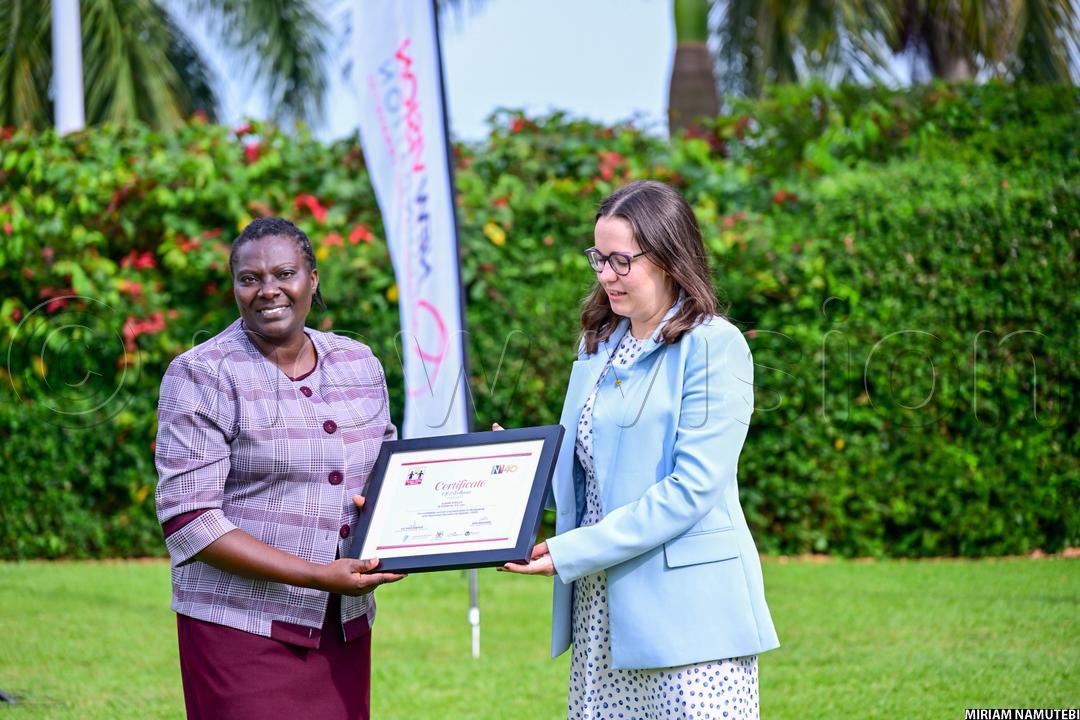
Ejang, a teacher of English and Literature, organised inter-class and inter-school competitions and dedicated her evenings to training students. By 2025, the school had won over 20 debate trophies and was a national powerhouse in public speaking.
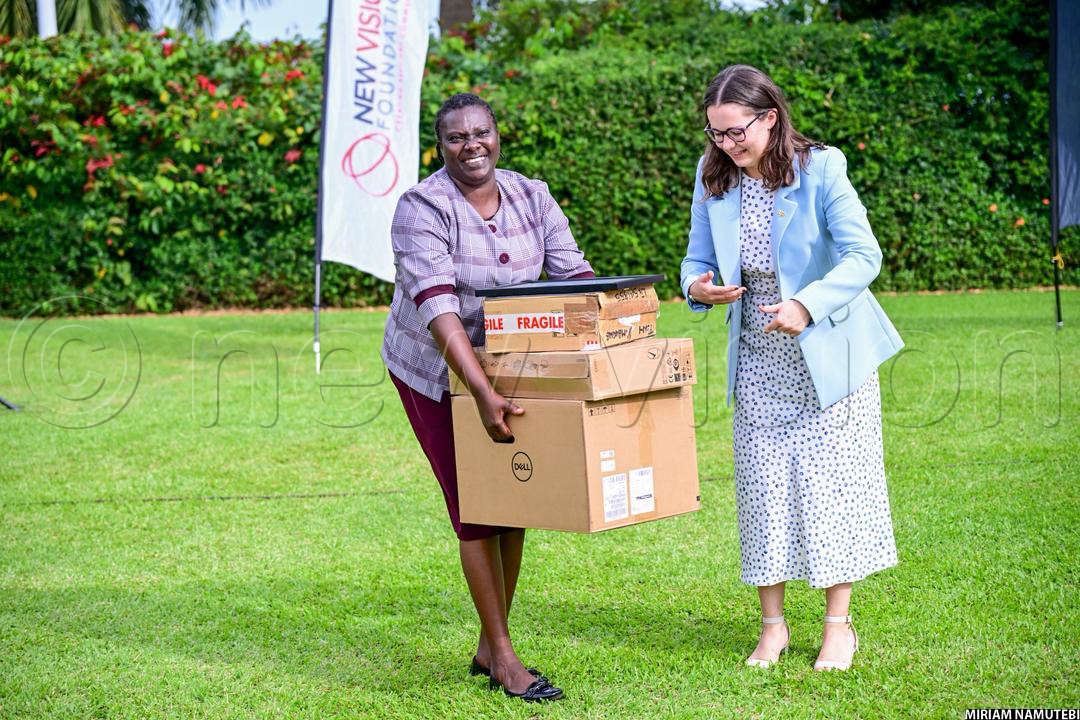
Ejang’s approach has improved not only oratory skills, but also academic performance, with top students excelling both in class and in the debate arena. She also spearheaded a greening project that re-purposes plastic waste.
Who are the most progressive alumni?
To encourage continuous innovation, past winners of the Teachers Making A Difference were also assessed to find those who have made the most progress in implementing the lessons learnt. The alumni were requested to make submissions on the implementation of the ideas they acquired from the CPD programmes in Ireland or on improvements they have made since winning the awards.
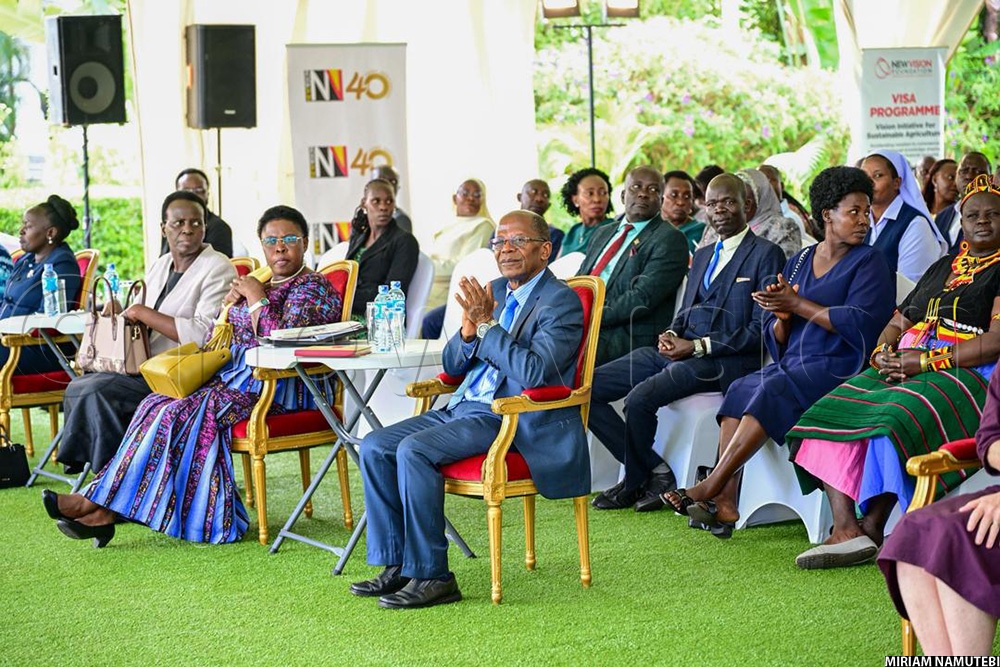
A team of New Vision journalists went to the ground to verify the information, and the most deserving Alumni were profiled in New Vision. An independent jury of eminent educationists evaluated the ideas, and the three most impressive Alumni were selected for recognition.
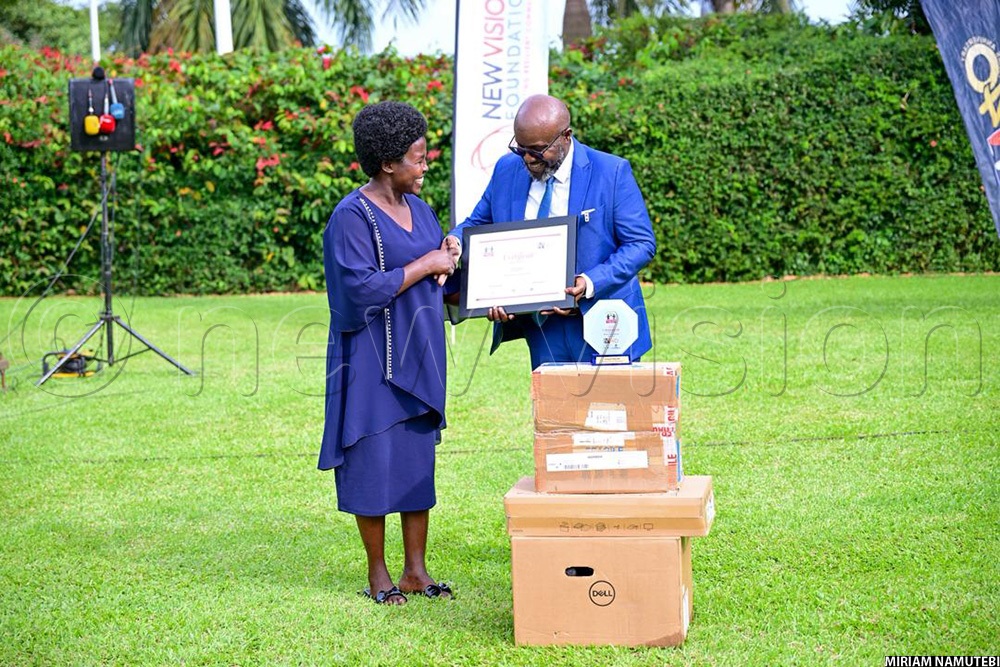
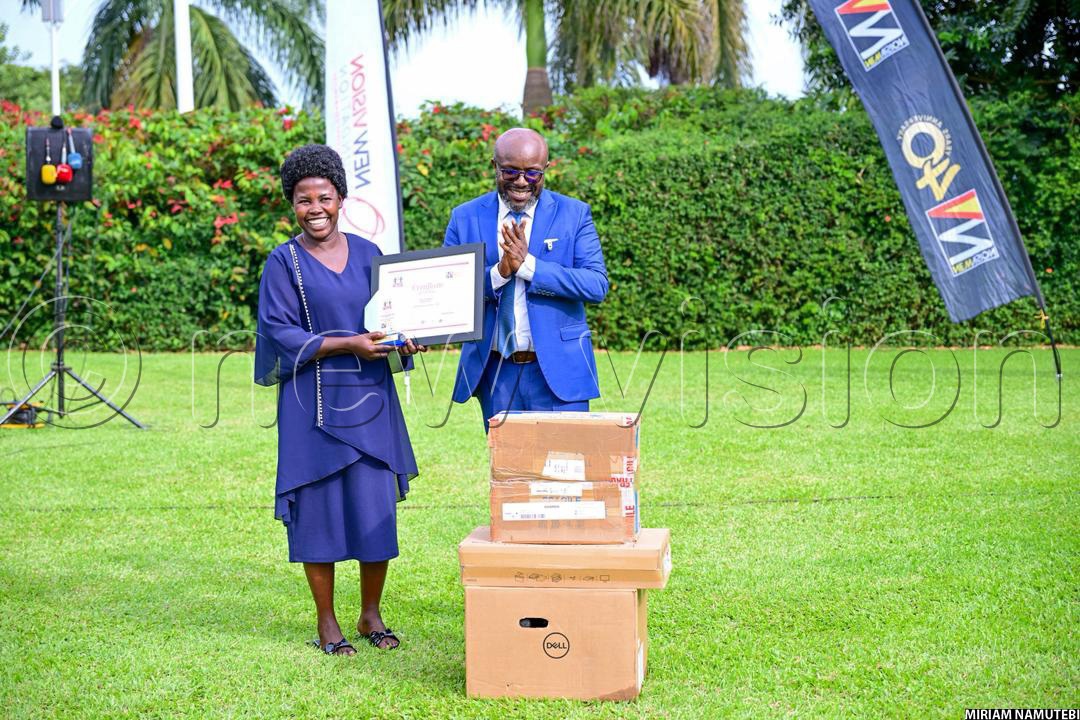
Norah Anyait — Katekwan Primary School, Bukedea
A winner of the 2020 Teachers Making a Difference competition, Norah Anyait has transformed her school from a dilapidated institution into a hub of innovation and excellence.
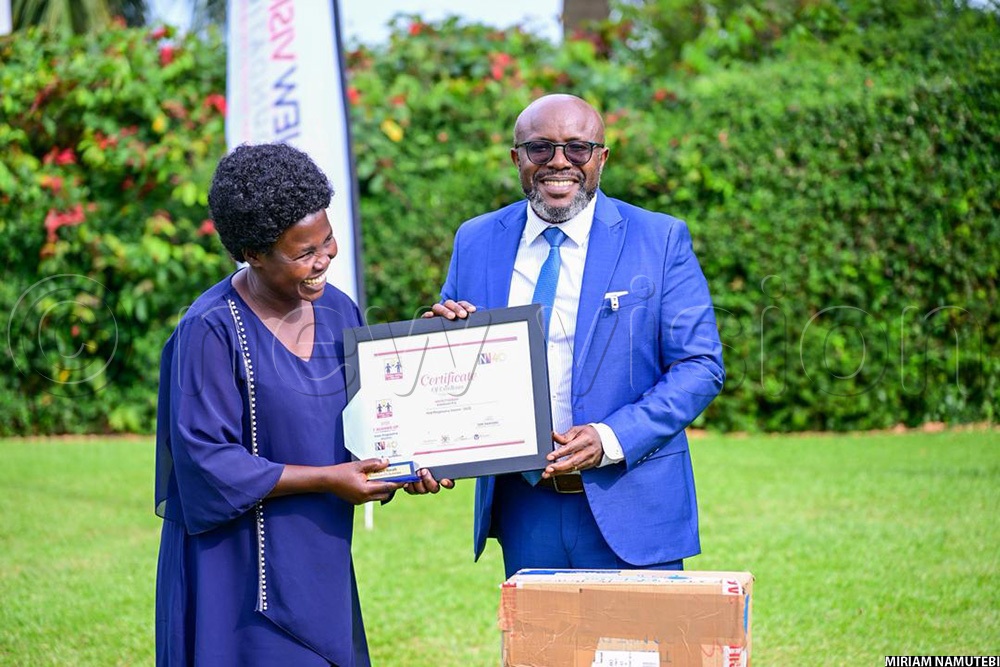
Anyait isn’t just a head teacher — she’s a force of transformation. From rebuilding dilapidated classrooms to pioneering digital literacy in remote schools, her journey is a testament to resilience, innovation and the power of one educator to spark lasting change.
Her posting Chepkararat to Katekwan has already made a significant impact, shifting the school’s focus from academics alone to a broader vision of excellence.
Upon arrival, she found the school in a dilapidated state and immediately resolved to change that.
“I wrote to the education office, which led to the allocation of renovation funds,” she said.
She also introduced agricultural activities on the school’s single acre of land to support the feeding programme.
Courtesy of these developments, parents rallied behind her efforts. They helped construct staff houses, while old boys and old girls fundraised for a two-stance pit latrine, now nearing completion.
She mobilised parents and alumni to contribute to staff housing, latrines, a kitchen and a school store. Anyait also mobilised support for classroom renovations, boarding section and a kindergarten.
As part of the Teachers Making a Difference award, Anyait earned a 10-day educational trip to Ireland in 2022. There, she observed inclusive learning, digital integration and effective student management.
Applying these lessons, she improved learning environments and helped reduce the school dropout rate, especially of teenage mothers.
“My initiatives included improving learning environments, following up on school dropouts — especially child mothers — who later excelled in PLE, and raising Chepkararat’s academic performance to second-best in 2023 and best in 2024.”
She introduced digital tools like computers and printers, mobilised communities to build seven teacher houses and latrines, and lobbied for classroom renovations, a modern kitchen, and a boys’ dormitory.
“My philosophy is to have a positive impact wherever I am posted,” she said.
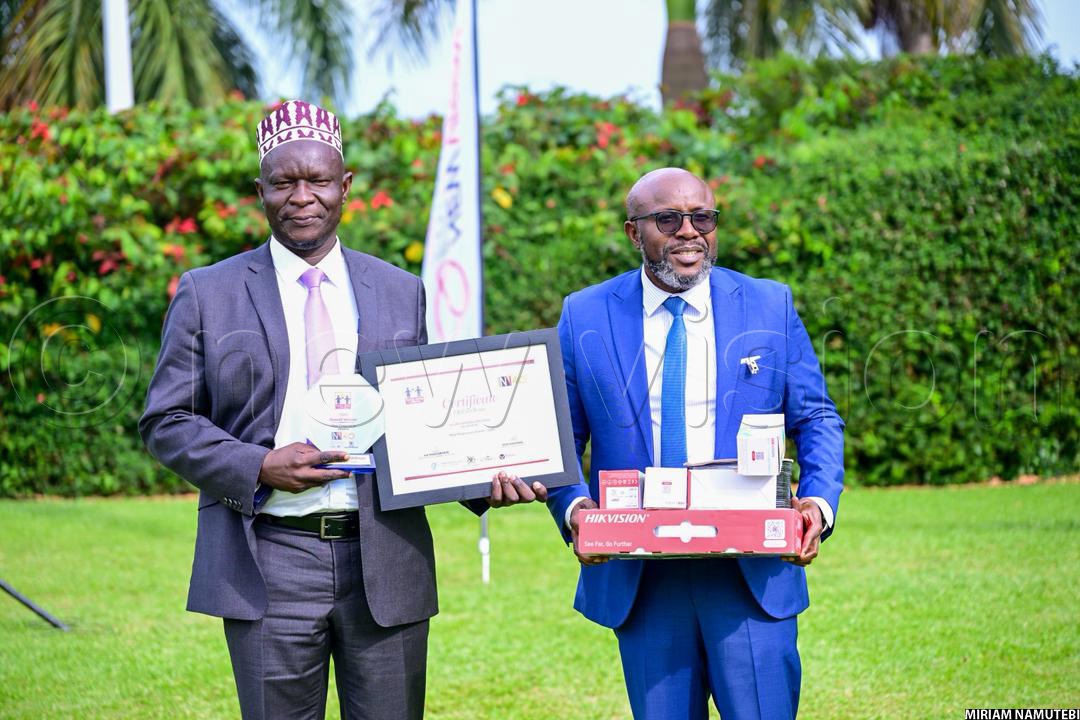
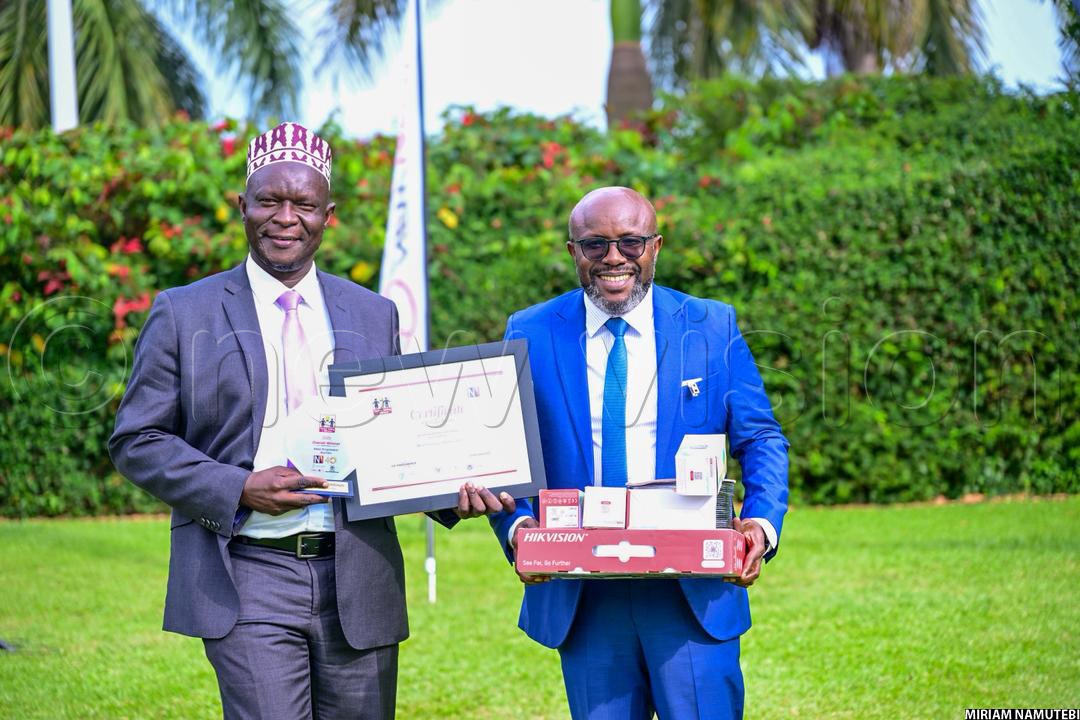
Baduru Siliman Aluma — Kei Seed Secondary School, Yumbe
From teaching one student under a tree in 2016, Baduru Aluma grew Kei Seed Secondary School into a thriving institution of 813 learners by 2025.
A 2024 study trip to Ireland under the Teachers Making a Difference project inspired him to implement inclusive and skills-based education. Aluma enrolled 38 learners with special needs and sign language teaching in Senior One and Senior Two.
He established vocational training, acquiring 30 sewing machines and hairdressing equipment.
In 2022, Aluma, headteacher of Kei Seed Secondary School in Yumbe district, emerged as the fourth-best teacher, winning a trip to Ireland. Last October, he joined his colleagues on the journey — his first time on a plane and his first trip outside Africa.
Upon his return, Aluma documented his findings and presented them to key stakeholders, including teachers, the Board of Governors, and the Yumbe district education department.
“At Rosary College, I saw learners with special needs studying alongside others in the same class, taught by the same teachers. It was amazing,” he recalled.
Back home, he organised training for teachers on supporting learners with disabilities. Today, the school accommodates 38 learners with special needs, including those with sight and hearing impairments. He also introduced Ugandan Sign Language in Senior 1 and 2, with plans to extend it to higher levels.
Aluma lobbied for a braille machine from the National Union of Disabled Persons of Uganda (NUDIPU) and hired an instructor to support a student with a sight impairment. These initiatives have fostered a culture of inclusivity and interaction among all learners.
In Ireland, Aluma observed how students are equipped with practical skills to become job creators. Inspired, he secured support from COMESS Uganda, which provided 30 sewing machines, hairdressing materials and equipment for electronics and mechanics training.
The school now runs vocational classes after hours and on weekends, helping over 15 dropouts return to school. Kei Seed also partnered with Teach a Man to Fish, a non-governmental organisation which trained students in bakery, horticulture, and soap-making and provided seed capital.
Joel Mukose — Namagonjo Primary School, Bugiri
In October 2024, Joel Mukose, the headteacher of Namagonjo Primary School in Bugiri district, travelled to Ireland as a Teachers Making a Difference awardee, returning with practical strategies that have reshaped the school.
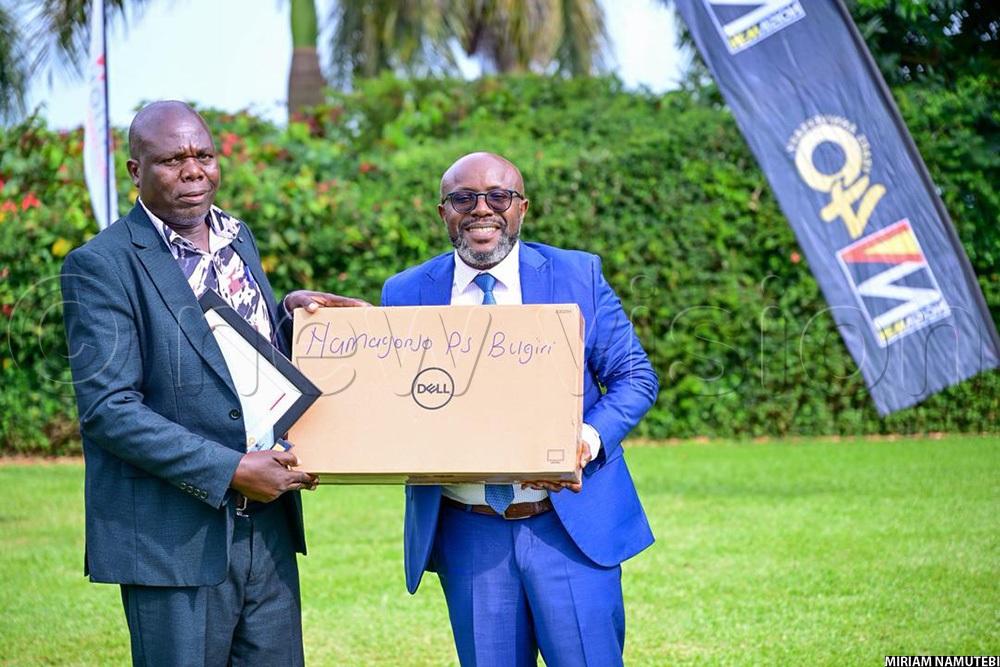
On the trip, one of the teachers, Innocent Masanja from Namalu Mixed Primary School in Nakapiripirit gave tips for a school feeding programme.
“He shared how he was cultivating orange-fleshed sweet potatoes and that the increased food supply not only improved nutrition, but also attracted more learners to school,” Mukose recalls.
Inspired by this, upon return, Mukose allocated part of the capitation grant in March to cultivate an acre of sweet potatoes on school land.
“Today, both pupils and the 20 teachers regularly enjoy sweet potatoes from our garden. The pupils also acquire agricultural skills as they tend the crops,” he says.
The initiative has significantly reduced the school’s expenditure on maize flour for school meals.
David Samanya, the chairperson of the school management committee, notes that improved feeding has led to increased enrolment.
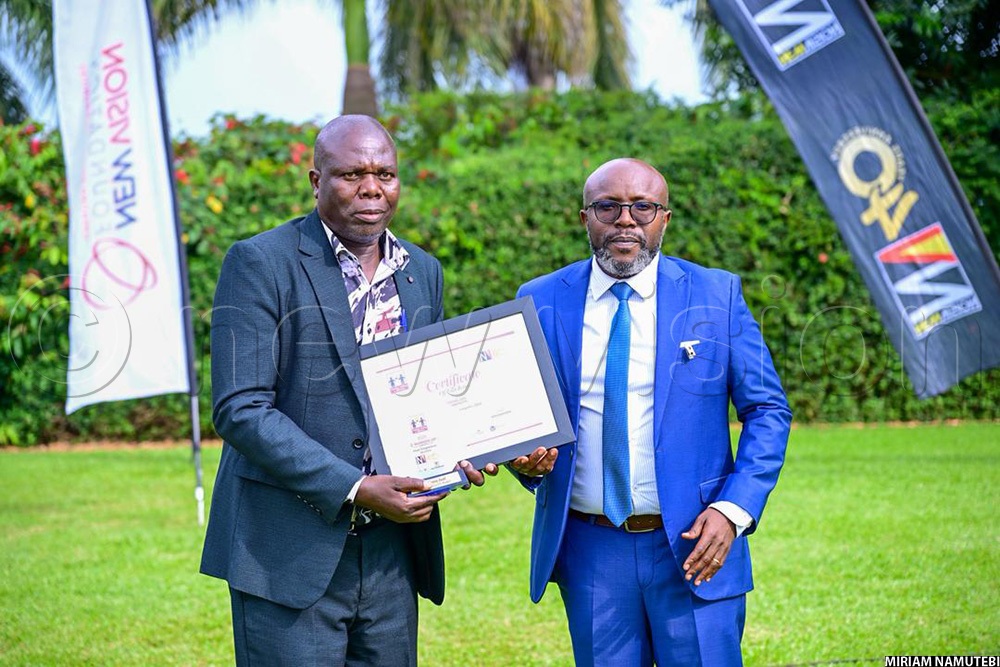
“When Mukose returned from Ireland, the school had 1,100 learners. That number has since risen to 1,231,” Samanya says.
Dennis Wanyama, chairperson of the parents-teachers association (PTA), partly attributes the rise in enrolment to the new fence erected around the school.
“Mukose engaged parents during a PTA meeting in the first term, and they supported the fencing project. We feel reassured knowing our children are safe,” Wanyama explains.