
Understanding Uganda's Tenfold Growth Strategy
Uganda's Tenfold Growth Strategy is anchored on four key sectors, collectively referred to as “ATMS”, which are crucial for driving economic growth and achieving the set targets.
Dr Patrick G. Wakida, the author, is the MP-elect for Kabweri Constituency, Kibuku district
______________________________
TRANSITING FROM PRECONDITION TO TAKEOFF STAGE
✍️🏾 By Dr Patrick G. Wakida
_________________________________
Launched in 2023, Uganda's Tenfold Growth Strategy aims to expand the economy from $50 billion in FY 2023/24 to $500 billion by 2040, achieving a 10-fold increase over 15 years.
▪️Key objectives:
- Long-Term Vision: Position Uganda as a competitive player in the global economy by 2040
▪️Strategic Focus Areas:
- Investment in Infrastructure: Improving transportation, energy, and technology infrastructure to support economic activities.
- Enhancing Agriculture: Modernizing agricultural practices to boost productivity and food security.
- Promoting Industrialization: Encouraging manufacturing and value addition to local products.
- Fostering Innovation: Supporting startups and innovation to drive economic diversification.
Encouraging value addition to local products is a key focus area
THE TARGET & MATH
To achieve the ambitious goals set out in Uganda's Tenfold Growth Strategy, several key targets and mathematical benchmarks have been established:
▪️Economic Growth Targets
▪️Per Capita Income
- Current Per Capita Income: $1,039
- Target Per Capita Income by 2040: $7,000
▪️Export Goals
- Merchandise Exports: Increase from 13% to 50% of GDP
- Medium/High-Tech Manufactured Exports: Increase from 21% to 50% of GDP by 2040
▪️Savings and Foreign Direct Investment (FDI)
- Domestic Savings: Increase from 21% to 40% of GDP
- Foreign Direct Investment (FDI): Increase from approximately $3 billion to $50 billion per year
▪️Taxation Goals
- Tax-to-GDP Ratio: Raise from 13% to over 25%
These targets provide a clear framework for measuring progress and ensuring that Uganda is on track to meet its economic growth objectives by 2040.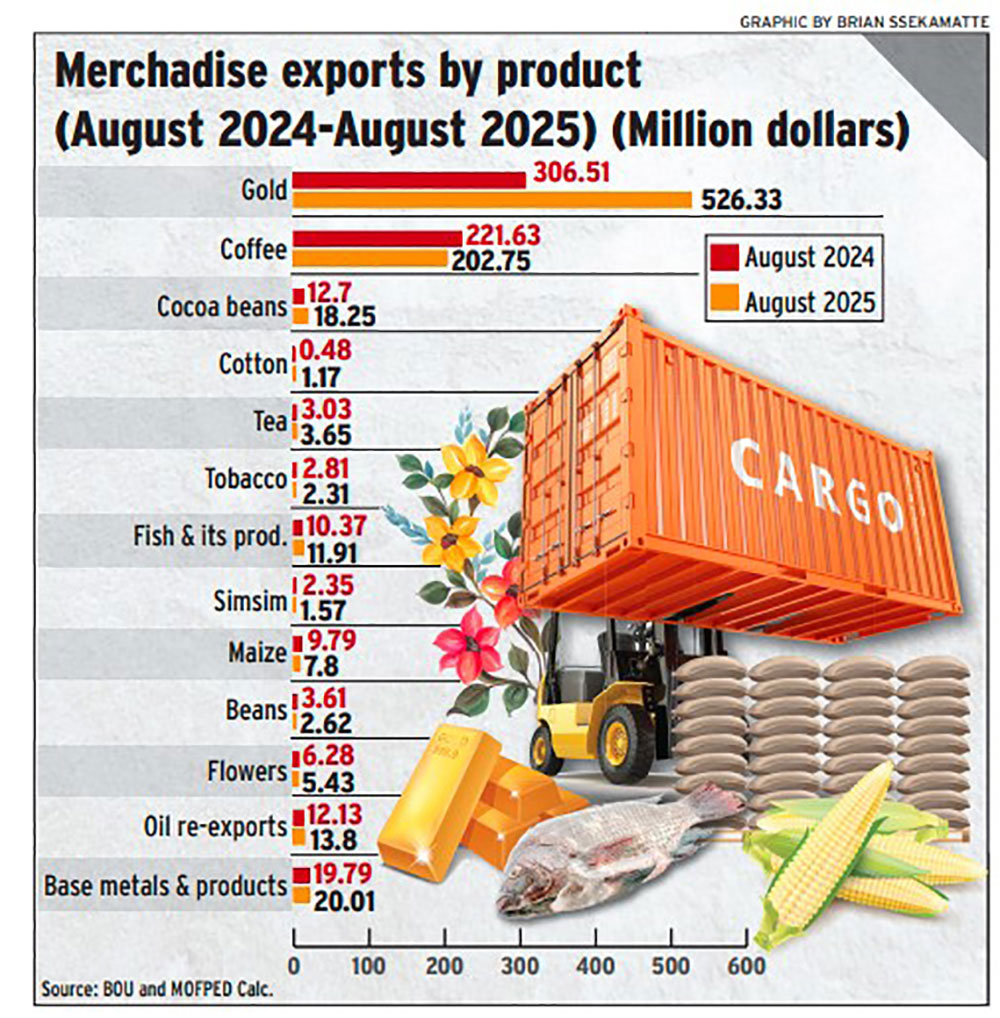
FOUR LEADING SECTORS
Uganda's Tenfold Growth Strategy is anchored on four key sectors, collectively referred to as “ATMS”, which are crucial for driving economic growth and achieving the set targets:
▪️Agro-Industrialization with the objective of commercializing farming and focus on value addition. The key initiatives are:
- Production of processed goods such as flour, juices, roasted coffee, and packaged honey.
- Shift from exporting raw agricultural products to finished goods to enhance profitability and create jobs.
▪️Tourism Development with the objective of increasing tourist arrivals and enhance visitor experiences. The Key initiatives are:
- Aim to 5x the number of tourist arrivals
- Encourage longer stays and higher spending by improving infrastructure, marketing, and service delivery in the tourism sector
▪️Mineral-Based Industrial Development with the objective of leveraging Uganda's mineral resources for industrial growth. The key initiatives are:
- Focus on the domestic refining and smelting of resources such as oil & gas, gold, tin, and iron
- Develop petrochemical industries to add value to mineral resources and create jobs
▪️Science, Technology & Innovation (STI) with the objective of fostering innovation and high-value manufacturing. The key initiatives are:
- Invest in the development of vaccines and diagnostics
- Promote advancements in information and communication technology (ICT) and high-value manufacturing sectors
These sectors are designed to work synergistically, driving economic growth, creating jobs, and improving the overall quality of life for Ugandans as the country strives towards its 2040 Vision.

HOW IT LINKS TO ROSTOW'S 'TAKEOFF'
Uganda's Tenfold Growth Strategy serves as a blueprint for Stage 3 of Rostow’s Stages of Economic Growth, known as the "Take-off" stage. This strategy explicitly targets several key components essential for achieving this phase:
Key targets of the Strategy
▪️Investment over 10% of GDP:
- The strategy aims to achieve an investment level exceeding 10% of GDP, which is crucial for catalyzing economic growth
- This requires a significant increase in domestic savings and a surge in foreign direct investment (FDI) to fund these investments
▪️Leading Sectors (ATMS):
- The chosen sectors—Agro-industrialization, Tourism Development, Mineral-Based Industrial Development, and Science, Technology & Innovation (STI)—are designed to act as engines of growth
- These sectors are expected to drive economic activity and pull along other sectors of the economy, facilitating broader economic development
▪️Structural Transformation:
- The strategy emphasizes the need for a structural transformation of the economy, which involves shifting labor from subsistence farming to more productive sectors such as industry and services
- This transition is vital for increasing productivity, creating jobs, and enhancing overall economic resilience.
By aligning with Rostow’s framework, Uganda’s strategy not only outlines a path for economic growth but also provides a structured approach to transitioning into a more industrialized and service-oriented economy.

PROGRESS UPDATE
The execution of Uganda's Tenfold Growth Strategy is underway, with the following key milestones achieved:
▪️Budgetary Disbursements
- In the first quarter of FY2025/26, UGX 17.18 trillion was released, covering 23.7% of the strategy's total budget allocation
▪️Sector-Specific Funding (Q1)
- Transport: sh1.076 trillion
- Agro-Industry: sh215.28 billion
- Science, Technology & Innovation (STI): sh139.13 billion
- Minerals: sh26 billion
- Tourism: sh20.5 billion
▪️Export Trends (2024-25)
- Total exports reached USD 13.4 billion. Merchandise exports accounted for USD 10.6 billion, primarily fueled by coffee, gold, cocoa, sugar, and fish
▪️Economic Performance
- Current Growth: Uganda’s economy expanded by 6.9% over the first three
quarters of 2024/25
- Future Outlook: Growth is forecasted at 7% for 2025/26, with the potential for double-digit expansion once oil production begins
These preliminary results highlight a dedicated approach to the strategy, creating a solid foundation for long-term economic advancement.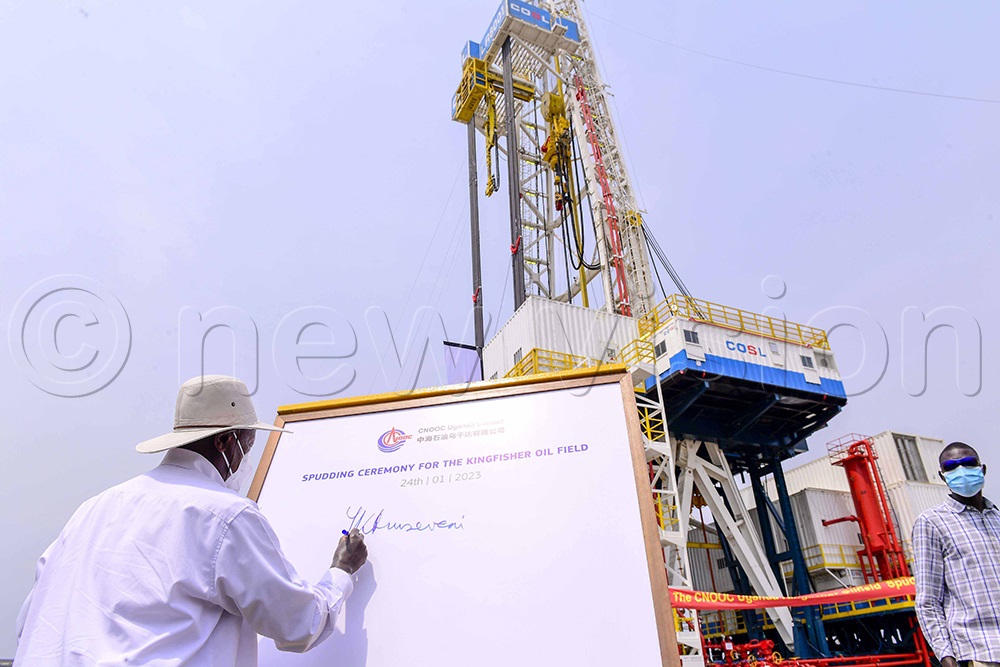
WHAT IT WILL TAKE/CHALLENGES
Uganda's Tenfold Growth Strategy requires addressing five key challenges:
▪️ Fiscal Discipline: Improve spending efficiency, curb corruption, and increase tax collection.
▪️Investment Efficiency: Prioritize productive assets like machinery and factories over non-productive construction.
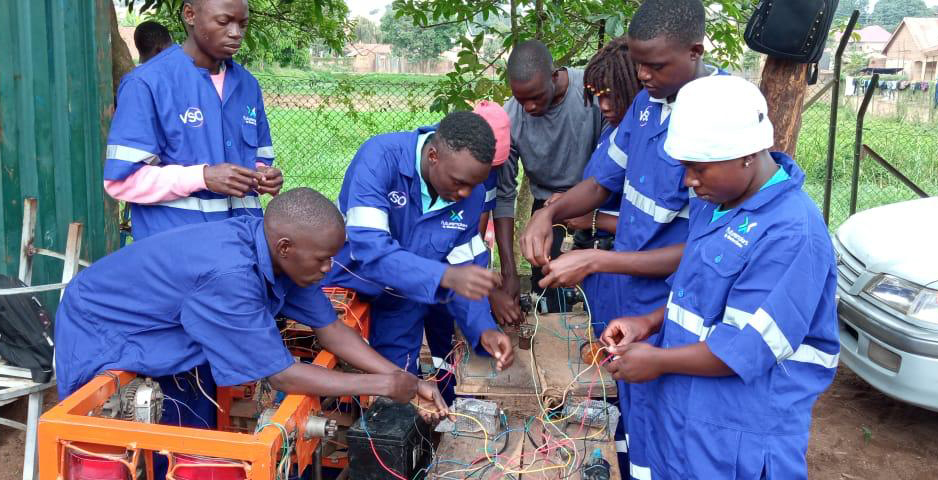
▪️Human Capital: Enhance STEM education and vocational training in STI, minerals, and agro-processing.
▪️Business Environment: Ensure reliable infrastructure, strengthen contract enforcement, and attract $50 billion in annual FDI.
▪️Youth Employment: Foster labour-absorbing growth and entrepreneurship to support the country's large young population.
BOTTOM LINE
The Tenfold Growth Strategy represents Uganda’s official plan to catalyze a Rostow take-off. This comprehensive strategy outlines a clear path for economic transformation, focusing on the following key elements:
Key Components of the Strategy
- Identified Sectors: The strategy explicitly names the leading sectors—Agro- industrialization, Tourism Development, Mineral-Based Industrial Development, and Science, Technology & Innovation (STI)—that are expected to drive growth and development.
- Mathematical Targets: It sets ambitious economic targets, including significant increases in investment, exports, and GDP growth rates, all aimed at achieving a robust economic transformation.
- Execution Timeline: FY2025/26 marks the first year of execution, indicating a commitment to implement the strategy effectively and monitor progress.
Government's vision
- Trade as the Main Driver: The government envisions trade as the primary engine of economic growth, leveraging Uganda's resources and strategic position.
- ATMS as "ATMs": The identified sectors (Agro-industrialization, Tourism, Minerals, and STI) are referred to as the “ATMs” that will unlock wealth and prosperity for the nation.
In summary, the Tenfold Growth Strategy is a strategic framework designed to propel Uganda into a new era of economic growth, with a clear focus on targeted sectors and measurable outcomes to achieve a successful take-off.

HOWEVER...
The success of Uganda's Tenfold Growth Strategy relies not only on the identified sectors (ATMS) but also on critical enablers that need to be prioritized in the budget. The identified five key enablers that must be funded to ensure the strategy's effectiveness in FY2025/26.
▪️Fiscal Discipline & Revenue Mobilization: Aims to raise the tax-to-GDP ratio from 13% to 25%. The budget allocates sh42.694 trillion for debt servicing and provides ring-fenced funding for ATMS sectors (Agro, Tourism, Minerals, and STI).
▪️Infrastructure: sh1.076 trillion is allocated for transport, energy, and industrial parks (e.g., Namanve, Mbale) to lower manufacturing costs and improve competitiveness.
▪️Human Capital & Skills: sh3.304 trillion is designated for TVET, industrial hubs, and the Parish Development Model to create a skilled workforce for the STI and oil sectors.
▪️Investment Efficiency: sh3.534 trillion is allocated to governance, security, and anti-corruption to boost FDI from $3 billion to $50 billion and improve the business climate.
▪️Trade & Export Competitiveness: Focuses on increasing exports from 13% to 50% of GDP through the National Export Development Strategy and regional market access (EAC/AfCFTA).
By aligning these budget priorities with Rostow’s requirements—including investment exceeding 10% of GDP, technological spread, and institutional stability—Uganda aims to facilitate a successful national economic take-off.
(The writer is the MP-elect for Kabweri Constituency, Kibuku district)