
Low poultry and commodity sales hit Gulu city traders on Independence Day
Vendors selling live chickens were particularly hit hard, leaving many with cages full of unsold birds.
A chicken hawker selling chicken along Layibi Road in Gulu City on Independence Day. (Photos by Claude Omona)
________________
Gulu City traders faced an unusually quiet Independence Day holiday, with sales of live poultry and basic food commodities dropping sharply across major markets.
Despite the national celebrations, normally bustling commercial centres, including Gulu Main Market, Cereleno, Layibi, and Olayo-ilong, reported low customer turnout on Friday as rising living costs forced local families to cut back on festive spending.
Vendors selling live chickens were particularly hit hard, leaving many with cages full of unsold birds.
High poultry feed and transport costs have pushed prices up, leaving many shoppers unable to afford traditional holiday meals.
"I would have sold over 40 birds but today it was not possible," said Francis Okot, a local poultry trader at Gulu Main Market.
"Today, buyers are coming in small numbers, and many walk away after hearing the prices," explained Joel Okello, a chicken trader at Cereleno market.
"Feed prices remain high, which forces us to sell a full-grown local chicken between sh35,000 and sh50,000, but households simply don't have that disposable income right now."
The decline in sales extended beyond individual shoppers to local hospitality businesses and bulk buyers.
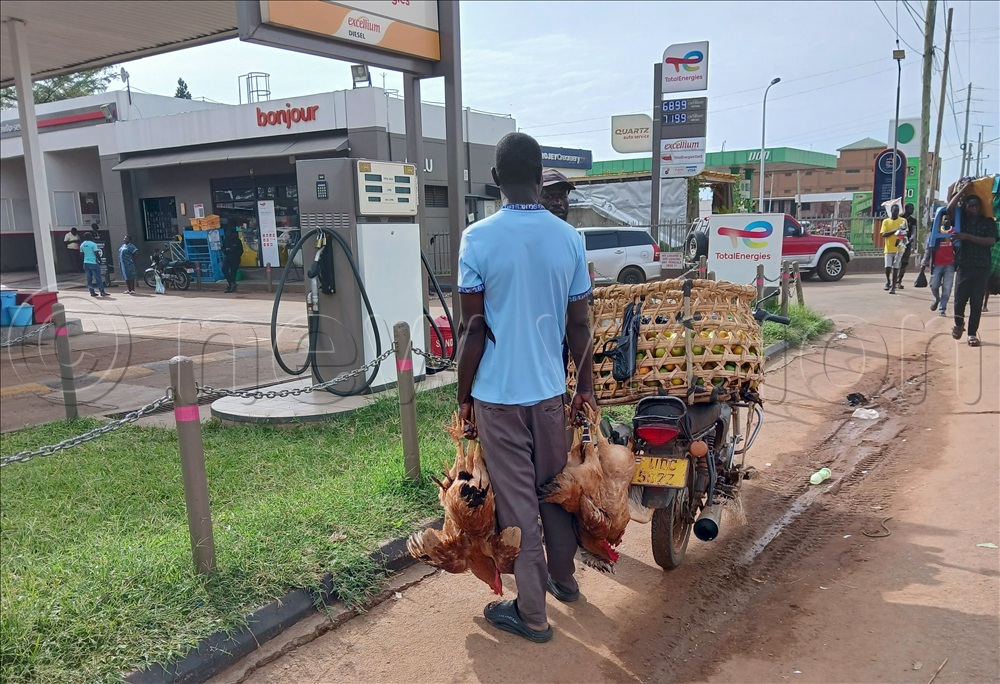
Most of the chicken traders decided to move and find their buyers in different places in Gulu city
For instance, in Olayo-ilong market in Bardege-Layibi division, Grace Akello, who specializes in broilers and off-layer birds, noted a major drop in commercial interest.
"Usually, local hotels, restaurants, and event caterers place bulk orders days before Independence Day. But this year, those bulk orders dropped by almost a half," she said.
"Even broilers priced at sh22,000 to sh26,000 are moving very slowly because people are prioritizing basic school and household expenses over holiday feasts."
"Bringing birds from other districts now costs more due to local transport fares. We cannot lower our prices without making a loss, but the buyers in town simply do not have the cash flow right now," he said.
"Many customers are buying half a kilo of beef instead of a whole live chicken."
The quiet market trend also affected sellers of everyday staples like rice, beef, goat meat, and cooking oil.
A kilogramme of beef retailed between sh18,000 and sh20,000 in major meat shops, while goat meat sold for sh20,000 to sh21,000 per kilogramme.
Super Rice went for sh5,000 per kilogramme, with other rice varieties priced between sh3,500 and sh4,500.
Cooking oil prices continued to fluctuate between sh7,500 and sh9,000 per litre, further dampening consumer spending across the Acholi sub-region.
Despite widespread liquidity pressures following recent school term expenses and general inflation, local traders remain resilient.
Business owners anticipate that buying activity will pick up over the weekend following the holiday, while remaining hopeful about mid-term economic recovery as city development projects and regional agricultural initiatives roll out under the Gulu City commercial plan.