
How Uganda can tap into China's growing market
At the ninth China International Import Expo (CIIE) in Shanghai, 10 Ugandan companies are showcasing their products, seeking buyers, partnerships and opportunities to grow exports.
Genevieve Nakyambadde Kimco, a coffee roaster, quality controller and Roastery Manager in Shangai
China's growing appetite for coffee and other quality products presents opportunities for Ugandan businesses looking to expand into the Chinese market.
At the ninth China International Import Expo (CIIE) in Shanghai, 10 Ugandan companies are showcasing their products, seeking buyers, partnerships and opportunities to grow exports.
Speaking at the expo, Shen Shiwei, a journalist and anchor at CGTN Digital and founder of The China Briefing newsletter, says Uganda's coffee industry is well positioned to benefit from China's growing coffee consumption, particularly given the popularity of Robusta coffee.
He says Ugandan businesses can strengthen their presence through partnerships with Chinese companies, collective participation in trade exhibitions and stronger product branding.
Shen also highlights the importance of digital platforms, particularly short videos, in reaching China's younger consumers and building awareness of Ugandan products.
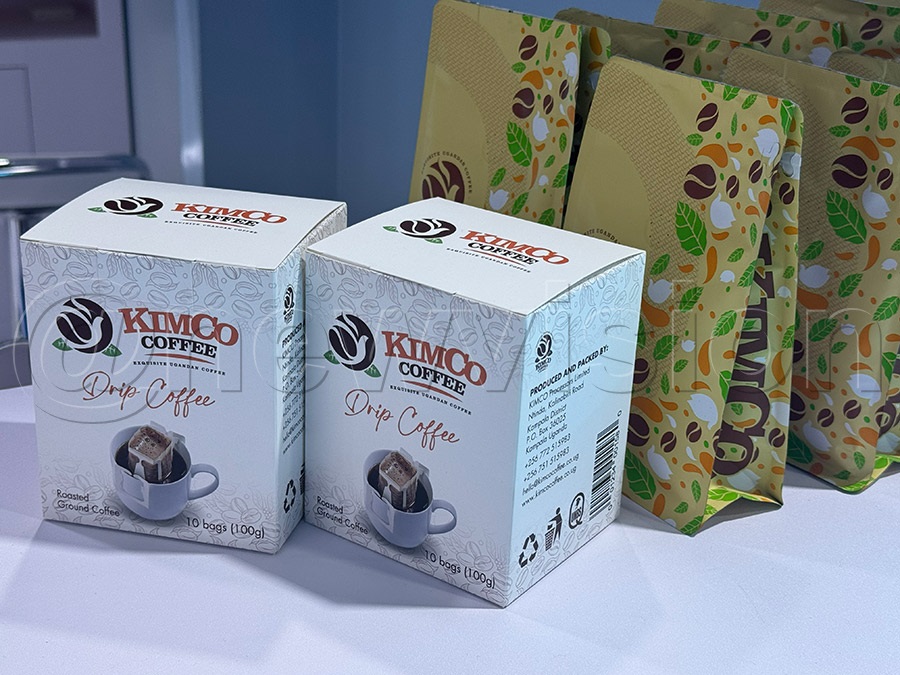
Beyond coffee, Ugandan products such as honey, fish, tea, spices, herbs and processed agricultural produce also have potential in the Chinese market.
The opportunities come as China implements zero-tariff treatment for eligible imports from 53 African countries, including Uganda, offering further market access for African exporters.
However, the opportunity comes against the backdrop of an uneven trade relationship. Bilateral trade between Uganda and China reached approximately $2.1 billion in 2025, but Uganda's exports to China accounted for just $118.52 million, compared to approximately $1.96 billion in Chinese exports to Uganda.
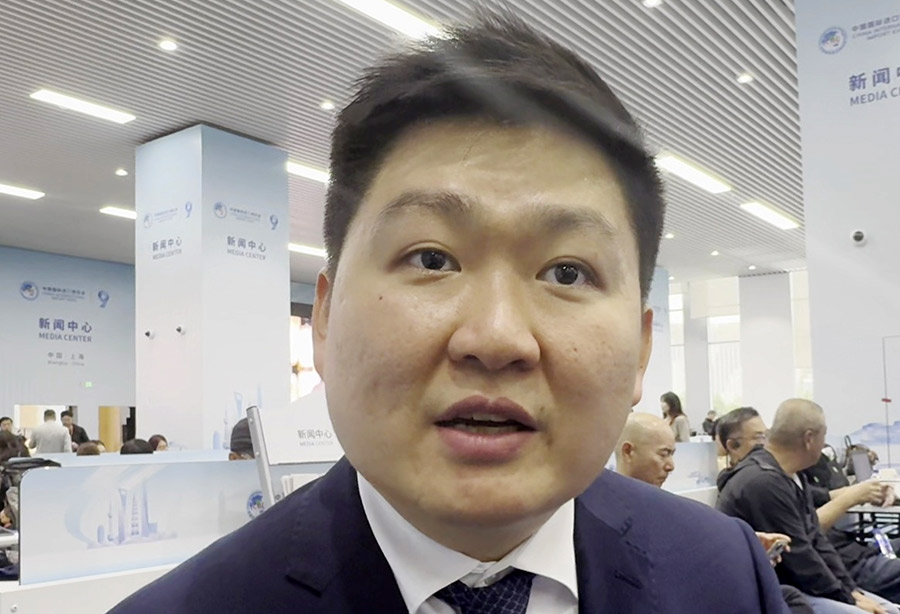
Shen Shiwei, a journalist and anchor at CGTN Digital and founder of The China Briefing newsletter
For Ugandan businesses, according to Shen the challenge is to turn this market access into sustained export growth through quality products, consistent supply, stronger branding and lasting commercial partnerships.
He says this year's CIIE theme, New Era, Shared Future, reflects China's growing focus on imports and stronger trade relationships with countries such as Uganda, creating opportunities for both sides to benefit from increased trade. /ENDS