
FUSE launches Uganda’s first social enterprise certification system
Mugerwa said the system would also help tackle “social washing”, where businesses make misleading claims about their social or environmental contributions to attract funding or public support.
Timothy Mugerwa, speaking at the press launch of the certification system at Kampala Club on Thursday, October 29, 2026, said the initiative would help social enterprises gain recognition and access new markets.
The Federation of Uganda Social Enterprises (FUSE) has launched a national certification system aimed at helping businesses that address social and environmental challenges attract investment and access new markets.
The system was launched on Thursday, October 29, 2026, at Kampala Club. FUSE president Timothy Mugerwa said it would help distinguish social enterprises from conventional businesses focused primarily on profit.
Mugerwa said social enterprises have struggled to gain recognition and access finance because their contributions to communities and the environment are not always easy to distinguish from those of traditional businesses.
He said the certification would provide credible recognition for businesses that demonstrate social impact and help them compete in regional and international markets.
“Social enterprises are businesses formed to solve either cultural, environmental, or social challenges. They do business, but they look beyond their profits,” Mugerwa said.
He added that the certification was intended to help genuine social enterprises demonstrate their impact and attract investors interested in businesses that deliver social value.
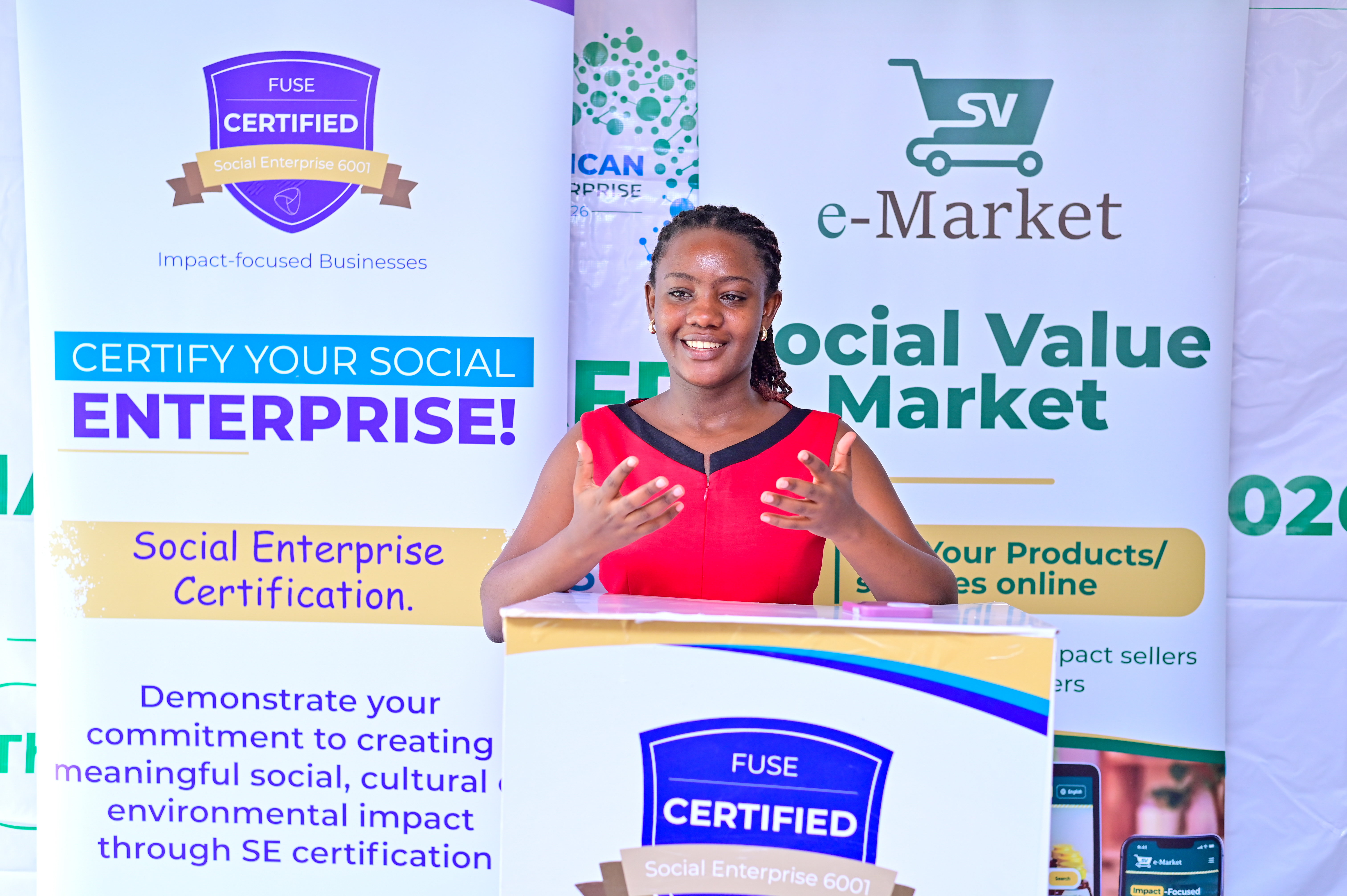
“This is not just a badge that is going to be shown or represented on your products or websites. It is a badge of credibility that is going to unlock new opportunities for your businesses,” he said.
Mugerwa said the system would also help tackle “social washing”, where businesses make misleading claims about their social or environmental contributions to attract funding or public support.
He said businesses would have to meet established requirements before receiving certification and would be expected to report their social impact annually.
How the certification will work
Under the new system, businesses will apply online through the FUSE website and answer about 60 questions relating to their social value and impact. They will also submit supporting documents, including registration certificates and constitutions.
A team of experts will assess applications and may visit the businesses to verify their operations before making recommendations.
Successful applicants will receive a certificate and an official “FUSE Certified” badge with a unique identification number and QR code to verify its authenticity. The certificates will be renewed annually, with fees determined by each enterprise’s annual turnover.
Mugerwa said the certification process would be voluntary, but encouraged social enterprises to embrace it to improve their access to funding and markets.
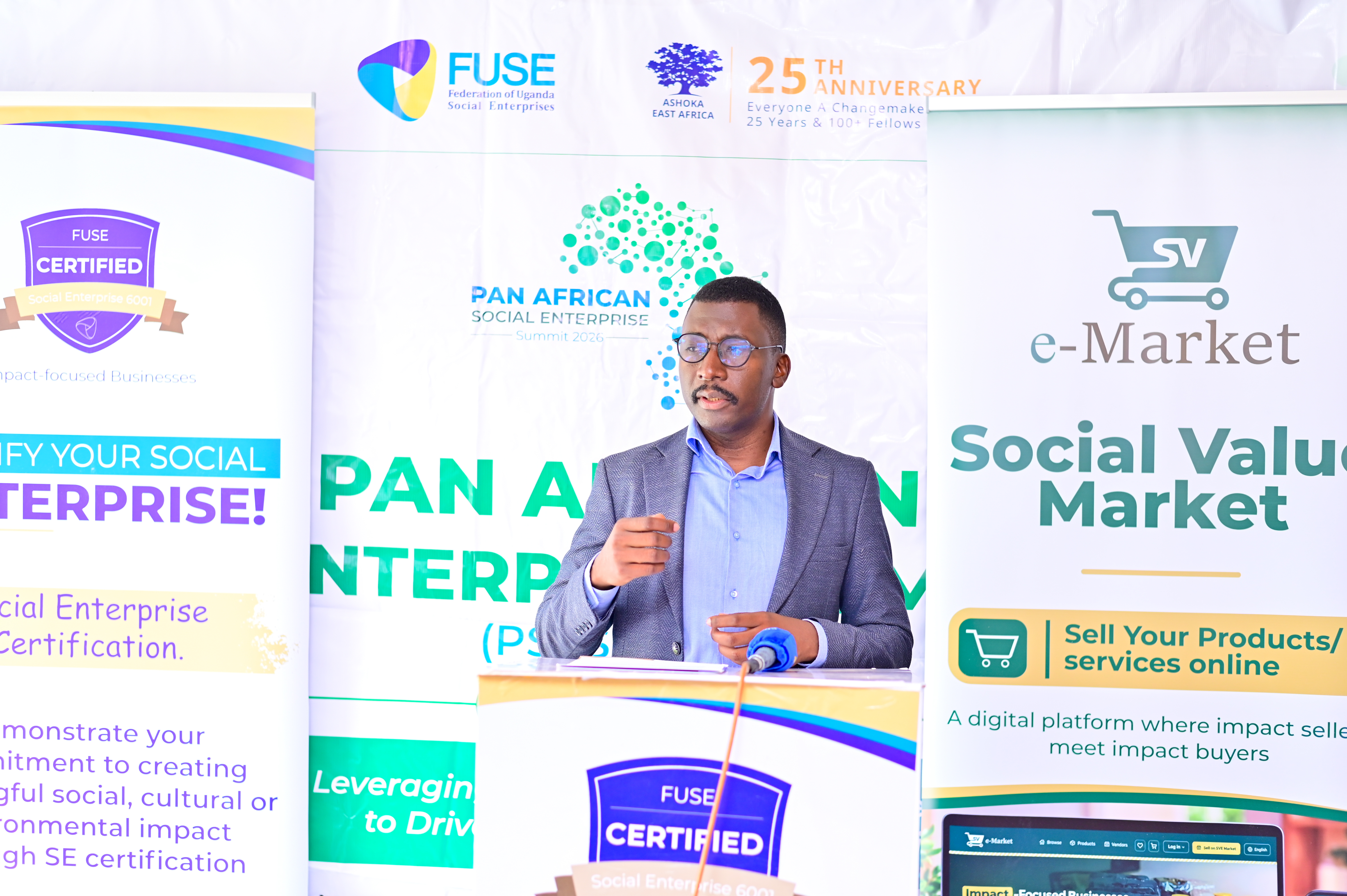
FUSE president Timothy Mugerwa speaks during the launch of Uganda’s first national social enterprise certification system at Kampala Club in Kampala on Thursday, October 29, 2026.
He said the framework had been developed through consultations with stakeholders in the sector and was informed by international research while taking Uganda’s needs into account.
Certified enterprises will also be able to sell their products and services through the Social Value Marketplace, a digital platform designed to connect impact-focused sellers with buyers seeking products and services that deliver social benefits.
Supporting social enterprise growth
According to figures cited by Mugerwa from the World Economic Forum, Uganda has more than 20,000 enterprises operating in sectors including health, education, information and communication technology, and agriculture.
Mugerwa said these enterprises contribute to inclusive economic growth, create jobs for disadvantaged groups and support sustainable development.
One example highlighted at the launch was Eco Bricks, a Masaka-based enterprise that recycles plastic waste into building materials while providing employment opportunities for young people.
FUSE said the certification system followed a nationwide survey and consultations intended to map the social enterprise sector and establish a verified national database.
The organisation serves as Uganda’s national umbrella body for social enterprise development, providing business coaching, advocacy and strategic support to help purpose-driven organisations expand their impact.