
CIIE opens new chapter in global trade, but what does it mean for Uganda, Africa?
African countries are participating with agricultural produce, natural resources, manufactured goods and processed products as businesses seek to expand their presence in international markets.
Officials during the ninth China International Import Expo (CIIE) which opened in Shanghai, bringing together governments, businesses and international organisations in a renewed effort to strengthen global trade, investment and economic cooperation. (Credit: Jacky Achan)
_________________ Ding Xuexiang, a member of the Standing Committee of the Political Bureau of the Communist Party of China Central Committee and Vice Premier of the State Council. (Credit: Jacky Achan)
The ninth China International Import Expo (CIIE) has opened in Shanghai, bringing together governments, businesses and international organisations in a renewed effort to strengthen global trade, investment and economic cooperation.
Running from November 5 to 10, 2026, at the National Exhibition and Convention Centre, the expo comes at a time when countries are seeking new markets, stronger trading relationships and ways to navigate uncertainty in the global economy.
African countries are participating with agricultural produce, natural resources, manufactured goods and processed products as businesses seek to expand their presence in international markets.
China's growing invitation to the world
Since its launch in 2018, the CIIE has developed into one of China's major platforms for international trade and investment. What began as an initiative to encourage imports into China has grown into a gathering where governments and companies meet, showcase products and explore commercial partnerships.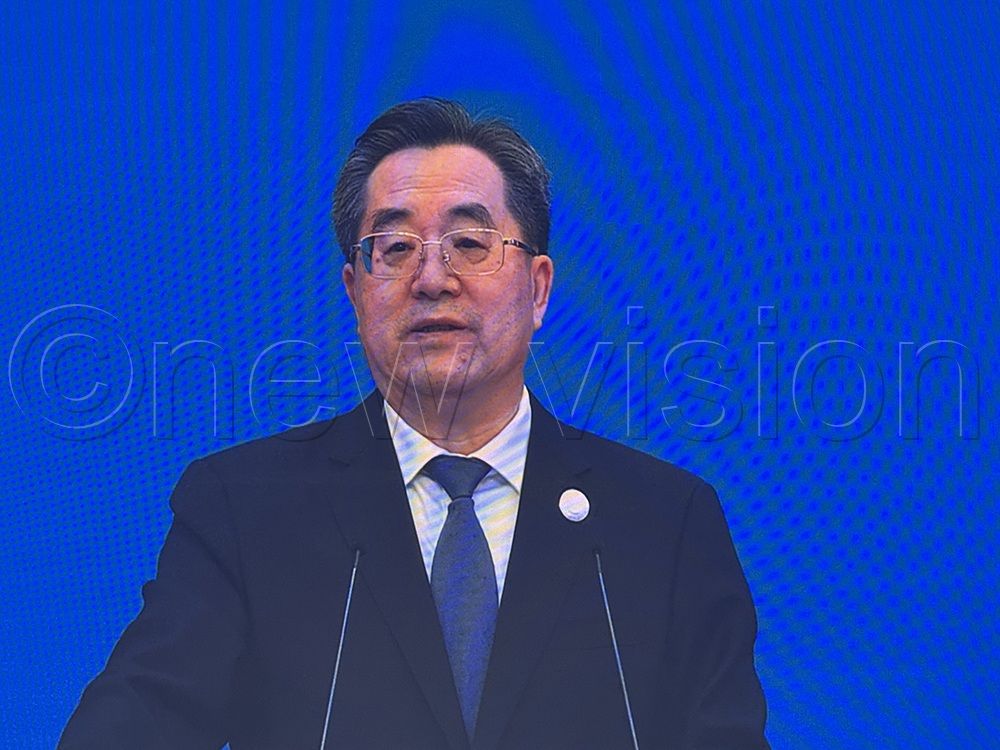
At the opening, Ding Xuexiang, a member of the Standing Committee of the Political Bureau of the Communist Party of China Central Committee and Vice Premier of the State Council, said the expo had evolved from a Chinese initiative into a shared commitment with the international community.
He noted that President Xi Jinping had repeatedly used the platform to reaffirm China's support for the multilateral trading system, free trade and a more open global economy.
The value of intended deals increased from $57.83 billion in 2018 to $83.49 billion in 2025. The number of Fortune Global 500 companies and industry-leading enterprises participating also grew from about 70 in 2018 to 290 in 2025.
This year's edition has attracted 162 countries, regions and international organisations. Sixty-five countries and four international organisations are participating in the Country Exhibition, while more than 4,100 exhibitors are taking part in the Business Exhibition.
Ding said China had continued to lower trade barriers and expand access to its market. He pointed to a reduction in China's overall tariff level to 7.3 per cent and the introduction of zero-tariff treatment for eligible least-developed countries in Africa with which China has diplomatic relations.
He also said restrictions on foreign investment access in China's manufacturing sector had been removed.
Trade is about more than buying and selling
One of the central issues raised at this year's expo is how international trade can become more balanced and beneficial to more countries.
Ding acknowledged that trade imbalances had attracted growing attention but argued that the answer should not be to restrict trade. Instead, countries should expand markets, deepen investment, encourage innovation and resolve disagreements through dialogue.
He outlined four priorities: growing shared markets, strengthening investment cooperation, using innovation to improve industrial competitiveness and reducing barriers through greater international understanding.
China, he said, is both a major manufacturing centre and a major consumer market. Its goods imports have ranked second globally for 17 consecutive years, making it an important export destination for many countries.
In the first three quarters of 2026, China's imports grew by 22.3 per cent, nearly six percentage points faster than exports, according to figures presented at the opening.
Ding also highlighted the contribution of foreign companies to China's economy. In 2025, foreign-funded enterprises accounted for 27 per cent of China's total exports and 16 per cent of its overall trade surplus.
Africa's opportunity goes beyond the exhibition stand
For African countries, access to the Chinese market presents opportunities for agricultural producers, manufacturers and small businesses.
Alexander De Croo, Administrator of the United Nations Development Programme (UNDP), described trade as a powerful tool for economic development, poverty reduction and inclusive growth.
He said international market access was only the beginning and that countries also needed to build the productive capacity to take advantage of those opportunities by strengthening domestic industries, developing skills and creating employment.
De Croo pointed to China's economic transformation as an example of how investment in infrastructure, technology, skills and industrial development could support growth.
"That generation needs more than just trade and the promise of economic growth. They need real opportunities that not only provide income, but also provide dignity, security, and real hope for the future," he said.
De Croo further stressed that economic growth must be environmentally sustainable, noting that green technologies were increasingly important to both environmental protection and economic competitiveness.
He said partnerships with developing countries should strengthen their capacity to compete and prosper.
Uganda takes its products to Shanghai
Uganda is among the African countries participating in the CIIE to showcase products and explore commercial relationships with Chinese businesses.
Ten Ugandan companies are listed as participants in this year's expo.
Among those with exhibition stands on the opening day were Mac Bee Honey Harvest Company, Busaino Herbs and Fruits, and Kimco Processors.
Other participating businesses and organisations include Pelere Group Limited, Joy Horn Crafts, Elyon Organics Limited, Rahami Agri Group Ltd, Kalahari Exports Ltd and Najulu Women Environment and Agricultural Care Initiative, which showcases crafts and carvings.
Daphine Ampaire, Chief Executive Officer of Mac Bee Honey Harvest, emphasised the importance of the Chinese market, describing it as one of the biggest markets any entrepreneur would want to access.
Ugandan businesses are showcasing products that include honey, herbs, fruits, processed agricultural products, crafts and carvings.
The participating companies are seeking to introduce their products to potential buyers and explore opportunities for commercial partnerships.
The trade imbalance remains a challenge
Trade between Uganda and China has continued to expand, although the figures show a significant imbalance in favour of China.
According to the supplied trade figures, total bilateral trade reached approximately $2.1 billion in 2025, an increase of 43.5 per cent compared with the previous year.
Chinese exports to Uganda amounted to approximately $1.96 billion in 2025, while Ugandan exports to China stood at $118.52 million, according to UN COMTRADE data reported through Trading Economics.
Uganda's leading export categories to China include coffee, tea, mate and spices, valued at $65.15 million. Fish and crustaceans accounted for $11.18 million, miscellaneous chemical products $10.89 million, oil seeds and grains $8.41 million, and wood and wood charcoal $7.26 million.
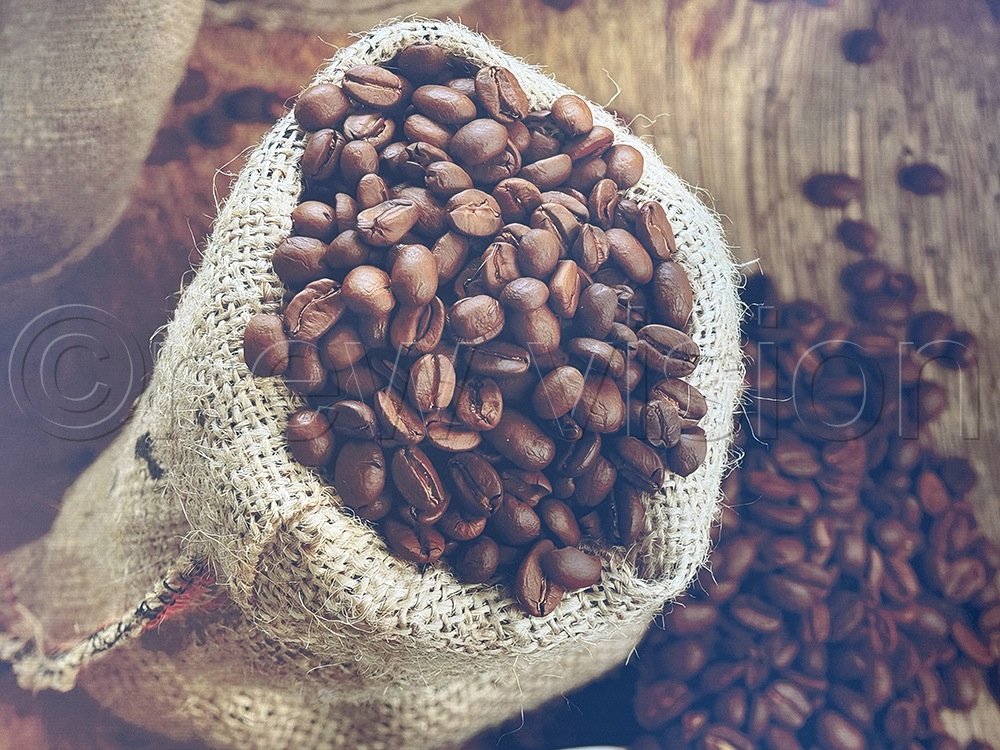
Ugandan coffee. (Credit: Jacky Achan)
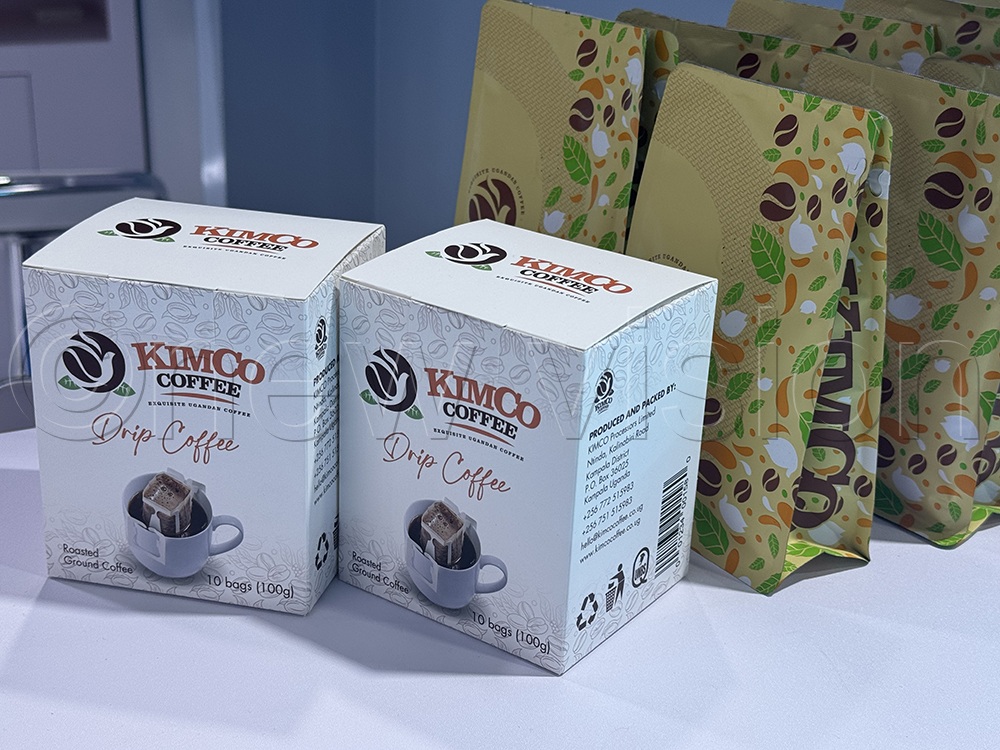
(Credit: Jacky Achan)
In August 2026, China exported $207 million worth of goods to Uganda, a 39.3 per cent increase compared with August 2025. Uganda's exports to China during the same month were valued at $13.4 million.
These figures were reported by ChinaData and the Observatory of Economic Complexity, alongside other cited trade sources.
Zero tariffs create an opening for African exporters
China's zero-tariff treatment for 53 African countries with which it has diplomatic relations took effect on May 1, 2026. The measure is intended to improve market access for African exports.
For Uganda, the policy covers opportunities to expand exports of agricultural products and processed goods.
Ugandan businesses seeking to export to China must also meet market requirements covering product standards, food safety regulations, certification, packaging and delivery arrangements.
The country is exploring financial arrangements that allow direct transactions between the Ugandan shilling and the Chinese yuan, potentially reducing dependence on the US dollar and lowering foreign exchange and transaction costs.
What other countries can learn
The experience of other exhibitors offers examples of businesses that have expanded through participation in the Chinese market.
Ding cited the example of a Swedish medical technology company that exhibited a radiotherapy system at the CIIE before establishing its regional headquarters in Shanghai.
The system subsequently completed clinical trials and regulatory approval and is now used to treat more than 40 types of cancer.
He also highlighted Peruvian alpaca artisans whose access to the Chinese market helped increase their orders from US$10,000 a year to $50,000 a month, benefiting more than 200 local families.
The examples were presented as illustrations of the commercial opportunities available to international businesses participating in the CIIE.
Partnerships built on mutual benefit
The importance of cooperation was also emphasised by Gabon's President, Brice Clotaire Oligui Nguema.
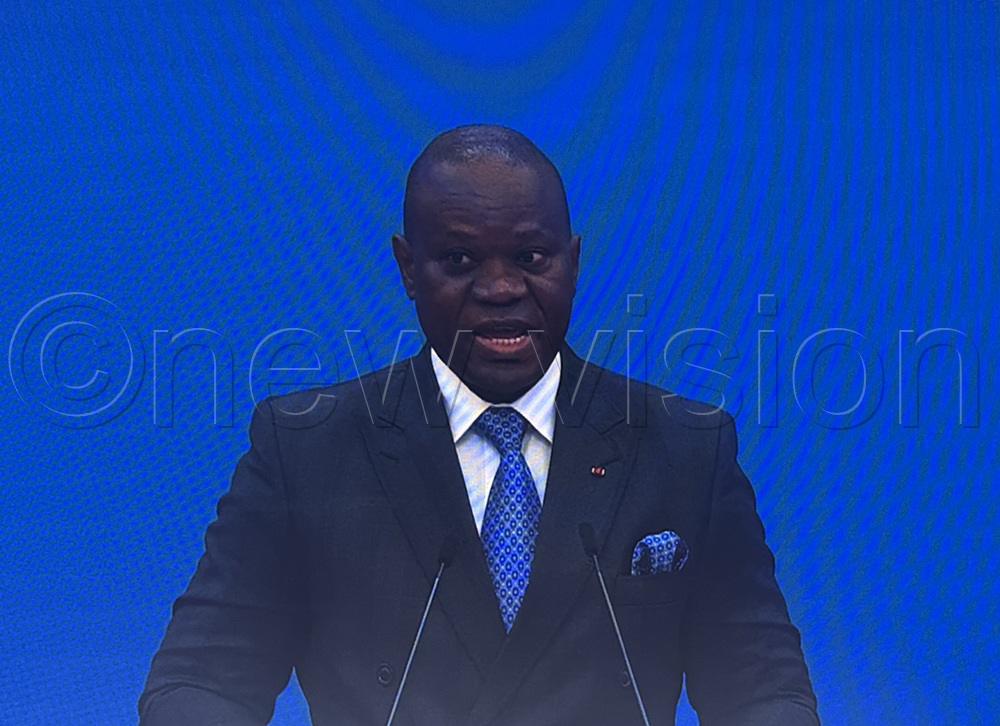
Gabon's President, Brice Clotaire Oligui Nguema. (Credit: Jacky Achan)
He described the CIIE as more than a symbol of China's opening-up, saying it also represented the world's opening-up to China.
"It stands as evidence that trade can be an instrument of peace, solidarity and shared prosperity," he said.
He also welcomed China's zero-tariff treatment for African countries, saying the measure was conducive to building a community with a shared future for humanity.
Austria's Chancellor Christian Stocker stressed the importance of open economic relations, saying successful partnerships should provide fair competition and create value for both sides.
He said economic exchange created opportunities, prosperity and mutual understanding, adding that dialogue was necessary to address challenges and differing perspectives.
Stocker said international relationships should focus on cooperation and turning innovation into shared progress.
China's expanding market
Ding outlined China's longer-term economic ambitions, saying that by the end of the 15th Five-Year Plan period, China's annual retail sales of consumer goods were projected to reach approximately RMB60 trillion, while its services sector was expected to exceed RMB100 trillion.
The expo will also introduce a Report on Capacity for Exporting to China for the first time, providing countries with information to assess their ability to supply the Chinese market.
Other activities include 23 themed forums and 80 supporting events.
According to Wang Wentao, China's Minister of Commerce, this year's edition is being held under the theme "New Era, Shared Future" and provides a platform for countries and regions to share opportunities generated by Chinese-style modernisation.
The programme includes the launch and international seminar of the World Openness Report 2026.
Uganda's ten participating companies are among the businesses using the Shanghai exhibition to present their products and engage with international buyers.
The ninth CIIE runs until November 10, with participating countries and businesses continuing exhibitions, trade discussions and investment promotion activities.