
Cashless Fintech project management model extended to refugee settlements
The launch coincides with the announcement of the program’s expansion to the refugee settlements of Rwamwanja, Nakivale, and Kyaka, along with their host communities, with implementation commencing on May 20, 2026.
Dr Shamim Nabuuma speaking during the event at the Four Points by Sheraton Kampala on Sunday. (Courtesy photo)
________________
The Dettol Hygiene Quest Uganda has rolled out an Innovative Cashless Fintech Project Management Model (PMM) in selected refugee settlements.
The initiative officially launched its groundbreaking during the event at the Four Points by Sheraton Kampala on Sunday.
The launch coincides with the announcement of the program’s expansion to the refugee settlements of Rwamwanja, Nakivale, and Kyaka, along with their host communities, with implementation commencing on May 20, 2026.
The initiative is a strategic partnership between Reckitt and Chil AI Lab, which first launched the Dettol Hygiene Quest in November 2024. Following the successful completion of Phase One, largely focused on school-based hygiene interventions, the programme is now scaling into refugee settings as part of its second phase.
Speaking at the launch, Dr Shamim Nabuuma from the Dettol Hygiene Quest team said the model demonstrates how technology can bridge the gap between financial transparency and public health impact.
“By launching this cashless PMM as we extend our reach to refugee settlements, we are demonstrating that technology can effectively bridge the gap between financial transparency and public health impact,” she said.
“Starting May 20, we enter a new chapter where every shilling spent and every hand washed is tracked and verified in real time. This sets a new standard for impactful innovation in Uganda.”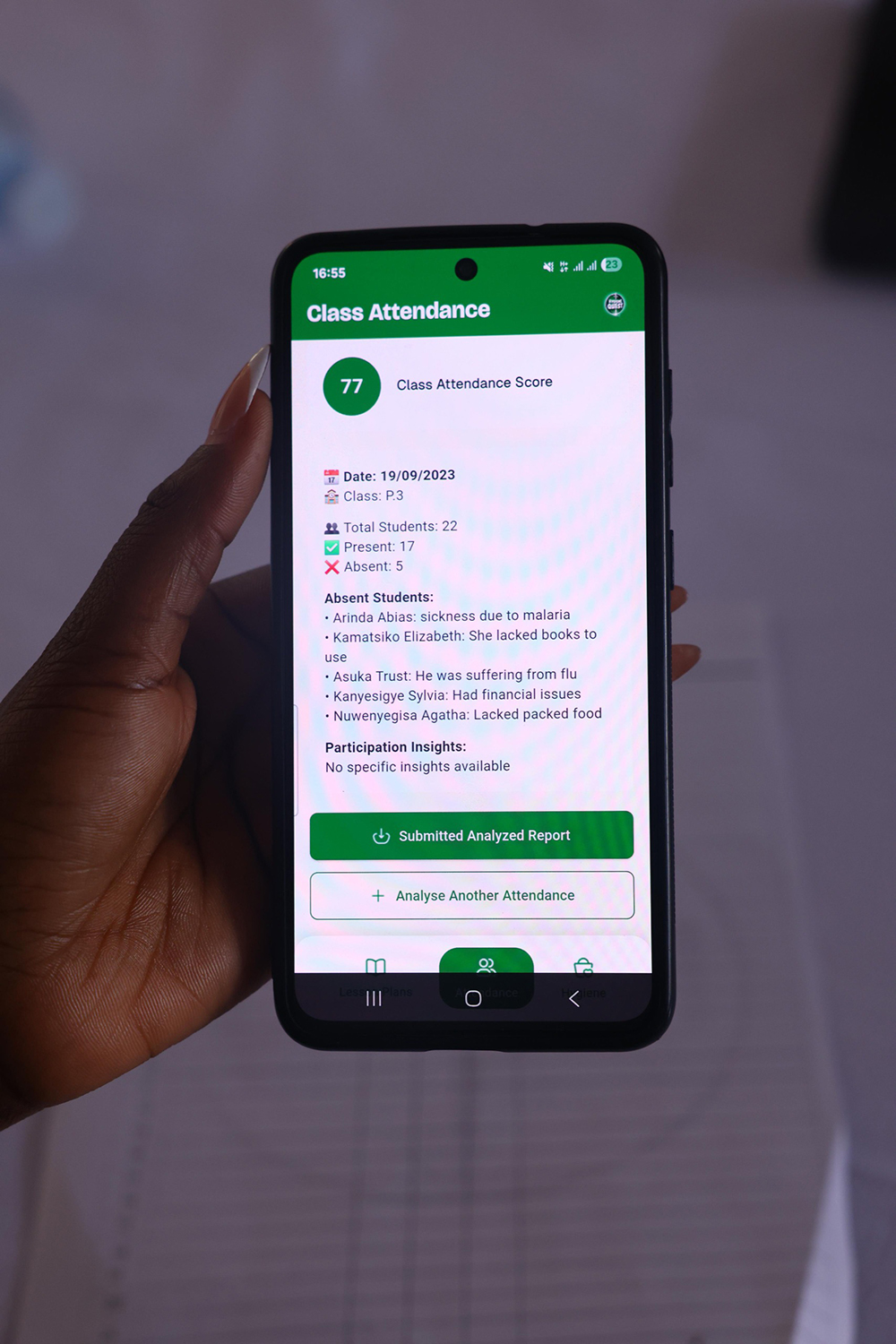
Dr Shamim Nabuuma displaying how the app works. (Courtesy photo)
The rollout is expected to deliver critical hygiene infrastructure and education to some of Uganda’s most vulnerable populations, while setting a precedent for the use of fintech solutions in humanitarian programme management.
Nabuuma says, the expansion has been made possible through the backing of an additional development partner, who, after assessing the programme’s initial impact, committed financial support specifically targeting refugee communities.
At the core of the expansion is a proprietary fintech-enabled PMM that fully digitises both financial flows and operational processes. The system eliminates the use of physical cash in field operations, replacing it with secure, automated digital payments to vendors, construction teams, and field educators through encrypted digital wallets.
This cashless approach is designed to enhance accountability, reduce risks associated with cash handling, and provide a fully transparent audit trail for every transaction.
Beyond financial management, the platform integrates real-time monitoring tools that allow project managers and implementing partners to track progress across all stages of implementation, from infrastructure development to hygiene education outcomes.
The system also enables instant reporting, ensuring that every activity and expenditure is visible and verifiable as it happens.
A key feature of the model is an AI-powered attendance chatbot, which captures participation data among beneficiaries, particularly students. This data is directly linked to the system, triggering milestone-based digital disbursements and strengthening results-based financing mechanisms.