
2026 PAKASA forum to climax Global Entrepreneurship Week
Uganda gears up for Global Entrepreneurship Week as Enterprise Uganda and Vision Group prepare to host the Pakasa Forum on November 21, bringing together entrepreneurs, investors and policymakers to explore business growth opportunities, market access and enterprise development.
Mary Odong, managing director of the Global Entrepreneurship Network, addresses participants during the launch of Global Entrepreneurship Week at Enterprise Uganda on October 14, 2026. (Photo by Nancy Nanyonga)
___________________
Various Ugandan groups of entrepreneurs have launched preparations for the Global Entrepreneurship Week activities, which usually take place every third week of November every year.
Speaking at the launch of the Global Entrepreneurship Week celebrations at Enterprise Uganda today (14th October), Ronald Mukasa, the Enterprise Uganda Chief Operations Manager, said the engagements would recognise entrepreneurs’ contribution to economic growth while equipping them with knowledge and connections to expand their enterprises.
“Entrepreneurs have a big part to play in Uganda’s 10-fold growth ambition. Through the Pakasa Forum, we want to celebrate their achievements, recognise their contribution to the economy and help them explore opportunities to grow and expand their businesses,” Mukasa said.
He said this year’s engagements would have a broader focus, including how Ugandan products can access regional and international markets.
Pakasa Forum
During the launch, Vision Group’s Senior Business Editor Moses Mulondo announced that just as it was last year, the 2026 Pakasa Forum that is scheduled to take place on 21st November will be the climax event of the Global Entrepreneurship Week.
Mulondo said the Pakasa Forum would comprise presentations about ideas and opportunities for growing businesses from experts, policymakers, and progressive entrepreneurs.
The Pakasa Forum, scheduled for November 21 at Enterprise Uganda’s training facility in Butabika, will follow the Global Entrepreneurship Week workshops on November 19 and 20, bringing together entrepreneurs, investors, policymakers and business support organisations.
Global Entrepreneurship Network Uganda
Mary Odongo, the managing director of the Global Entrepreneurship Network Uganda, urged organisations and individual entrepreneurs to actively participate in the celebrations by showcasing businesses, mentoring young entrepreneurs and sharing success stories.
“Global Entrepreneurship Week puts entrepreneurship into focus so that we can recognise what entrepreneurs do for us, appreciate their importance and celebrate them,” Odongo said.
She said the campaign, celebrated in more than 200 countries, was guided by four pillars: celebrate, support, connect and understand, which aim to strengthen the environment in which businesses operate.
Odongo added that entrepreneurs need coordinated support to overcome challenges related to financing, markets, mentorship, technology and regulation.
Government reviews MSME policy
Meanwhile, Johnson Abitekaniza, the Assistant Commissioner for Business Skills Development at the Ministry of Trade, Industry and Commerce, said the Government was reviewing the micro, small and medium enterprises (MSME) policy to address the needs of different players in the entrepreneurship ecosystem.
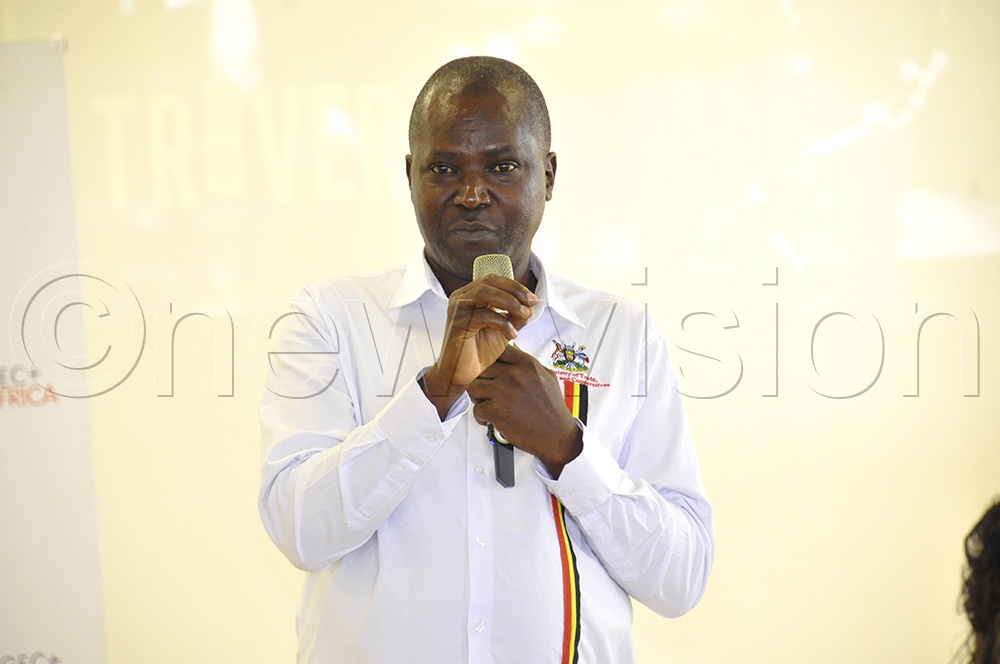
Johnson Abitekaniza, Assistant Commissioner for Business Skills Development at the Ministry of Trade, Industry and Cooperatives, addresses participants during the launch of Global Entrepreneurship Week at Enterprise Uganda on October 14, 2026. (Photo by Nancy Nanyonga)
Abitekaniza, who closed the launch meeting, said the review would seek to strengthen business support services, particularly consultancy, to ensure entrepreneurs receive the knowledge and guidance needed to sustain and grow their enterprises.
“We believe that you are the missing link in the business ecosystem. Businesses have continued to collapse despite the training offered to entrepreneurs. They need the right software, which is knowledge, to help them manage and grow their businesses,” he said.
He said the Government plans to develop a policy framework for business consulting services, including guidance on the quality and formalisation of services provided to entrepreneurs.
“We still need a policy on business consulting services. We want to see how we can guide you on quality and formality to ensure that businesses receive the support they need to survive and grow,” Abitekaniza said