
Why drying food on the ground is risky
“Aflatoxins can cause both short-term and long-term health problems. In severe cases, they can lead to serious illness and even death,” Naluwende says.
According to Sharon Naluwende, a nutritionist, drying food directly on the ground creates conditions that encourage contamination and the growth of harmful moulds and fungi. (Photos by Umar Nsubuga)
________________
For many farmers, sun-drying food is an important step in preserving harvests and reducing post-harvest losses. However, agricultural and nutrition experts are warning that the common practice of drying food on bare ground, roadsides, or rooftops can expose consumers to serious health risks and reduce the quality of produce.
According to Sharon Naluwende, a nutritionist, drying food directly on the ground creates conditions that encourage contamination and the growth of harmful moulds and fungi.
She explains that these moulds produce poisonous substances known as mycotoxins or aflatoxins, which are among the most dangerous food contaminants affecting both humans and animals.
“Aflatoxins can cause both short-term and long-term health problems. In severe cases, they can lead to serious illness and even death,” Naluwende says.
She adds that regular consumption of contaminated food has been linked to certain cancers and can contribute to stunted growth among children under five years of age.
Foods that are particularly vulnerable include cereals and legumes such as maize, groundnuts, wheat, sorghum, millet, cassava, sweet potatoes, and coffee because they often retain moisture during the drying process.
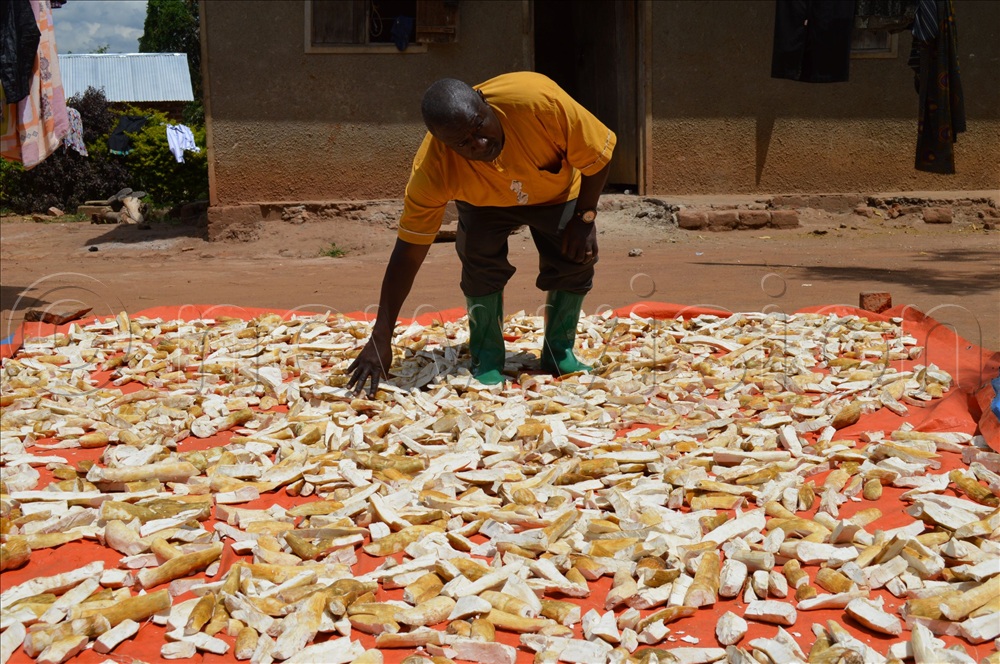
Consolata Acayo, the Assistant Commissioner for Communications at the Ministry of Agriculture, Animal Industry and Fisheries (MAAIF), says drying food on the ground exposes it to various forms of contamination that can compromise both safety and quality.
“When food is spread on bare ground, it easily comes into contact with contaminants that may not be visible to the eye but can have serious consequences for human health,” Acayo explains.
She notes that physical contaminants may include soil, stones, pieces of wood, glass, metal fragments, animal droppings, bones, feathers, and animal hair.
“These materials can accidentally mix with food during drying, handling, or storage. Apart from reducing quality, some of them can cause injuries or introduce harmful microorganisms into the food,” she says.
Acayo further warns that chemical contamination is another major concern.
She adds that biological contamination remains one of the most common threats.
“Biological contaminants are germs such as bacteria, viruses, and fungi. Many of these originate from human and animal waste and can easily contaminate food that is left exposed during drying,” Acayo explains.
Acayo recommends using raised drying racks or drying yards. They also encourage farmers to use clean tarpaulins, canvas sheets, papyrus mats, or polythene sheets when drying food.
“Farmers should avoid placing food directly on the soil. Using clean drying surfaces greatly reduces the risk of contamination and helps maintain product quality,” Acayo advises.
The experts also discourage drying food on rooftops because roofs often trap moisture, creating favourable conditions for mould growth.
Proper storage is equally important. Naluwende advises farmers to store food in cool, dry, and well-ventilated stores that do not leak.
“Food stores should be kept clean and protected from insects, rodents, and other pests. Farmers should inspect stores regularly and ensure there is enough space between food stacks and walls to allow proper air circulation,” Acayo adds.
The experts also caution against keeping animals such as cats inside food stores because hair and droppings can contaminate produce.