
What the Ssentamus' four-acre model farm means for Mityana farmers
Kisanja acknowledged the challenges and pledged to work with district leaders to strengthen the demonstration farm and develop it into a centre of excellence where other four-acre model farmers can acquire practical knowledge and skills.
Speaking during the launch on Wednesday, Kisanja said the demonstration farm aligns with President Yoweri Kaguta Museveni's four-acre model initiative, which seeks to transform smallholder farming into profitable commercial enterprises through modern and sustainable agricultural practices.
"Many people have practised farming for years without escaping poverty because they have not treated it as a business. The President introduced the four-acre model to help Ugandans maximise productivity and earn income throughout the year."
Those are the words of Dr Hillary Emmanuel Musoke Kisanja, the senior presidential advisor on agribusiness and value addition.
This was while he launched the SENTFARM Agribusiness Hub "Awaka", a model demonstration farm in Ssebobo village in Mityana District, as part of efforts to promote commercial agriculture and household wealth creation.
Speaking during the launch on Wednesday, Kisanja said the demonstration farm aligns with President Yoweri Kaguta Museveni's four-acre model initiative, which seeks to transform smallholder farming into profitable commercial enterprises through modern and sustainable agricultural practices.
He reaffirmed the government's commitment to promoting modern farming, increasing household incomes, and accelerating socio-economic transformation through agriculture.
The demonstration farm is owned by Robert Ssentamu and his wife, Racheal Birabwa Ssentamu.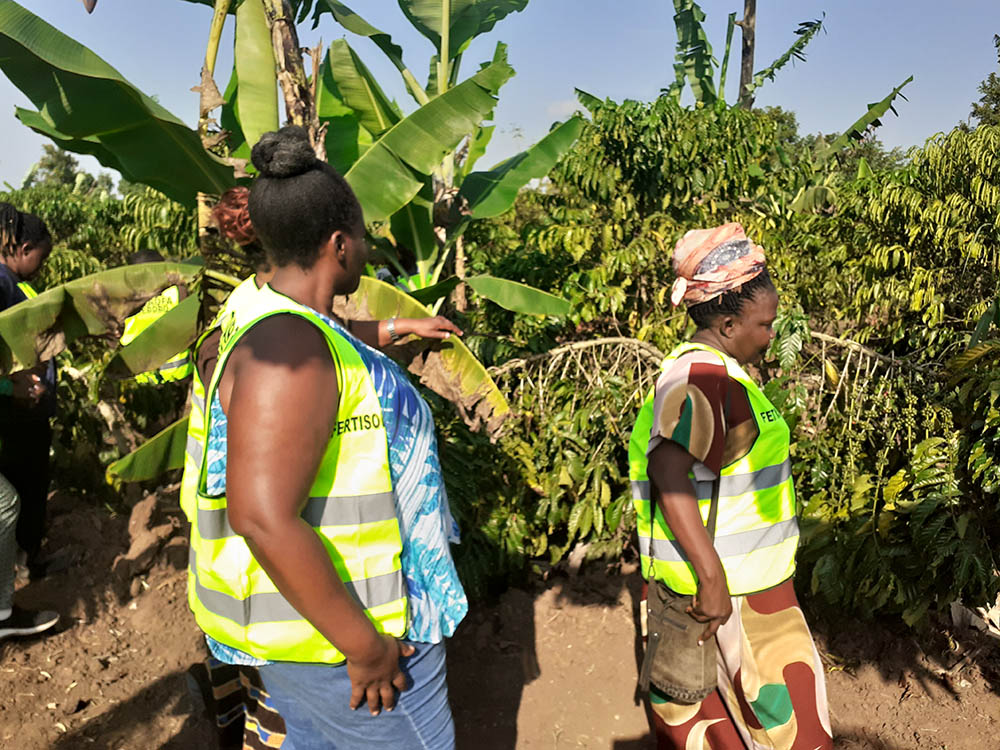
Under the model, farmers are encouraged to dedicate one acre to food crops, another to fruits, a third to high-value enterprises such as dairy farming, poultry, piggery or fish farming, while the remaining acre is reserved for pasture production.
Kisanja encouraged farmers to embrace the four-acre model as a business-oriented approach capable of generating sustainable income even on small land holdings.
Under the model, farmers are encouraged to dedicate one acre to food crops, another to fruits, a third to high-value enterprises such as dairy farming, poultry, piggery or fish farming, while the remaining acre is reserved for pasture production.
He added that households with less than four acres can also adapt the model to maximise productivity.
The farm owners commended President Museveni for championing agriculture as a pathway to wealth creation.
They said the initiative inspired them to transition from operating a hardware business in Kampala's Nakasero Market to commercial farming following the economic disruptions caused by the COVID-19 pandemic.
While appreciating the government's continued support for agriculture, the Ssentamus highlighted water scarcity and limited access to agricultural extension services as key challenges affecting productivity.
They appealed for increased investment in irrigation infrastructure, mechanisation and extension services to enable more farmers to benefit from commercial agriculture.
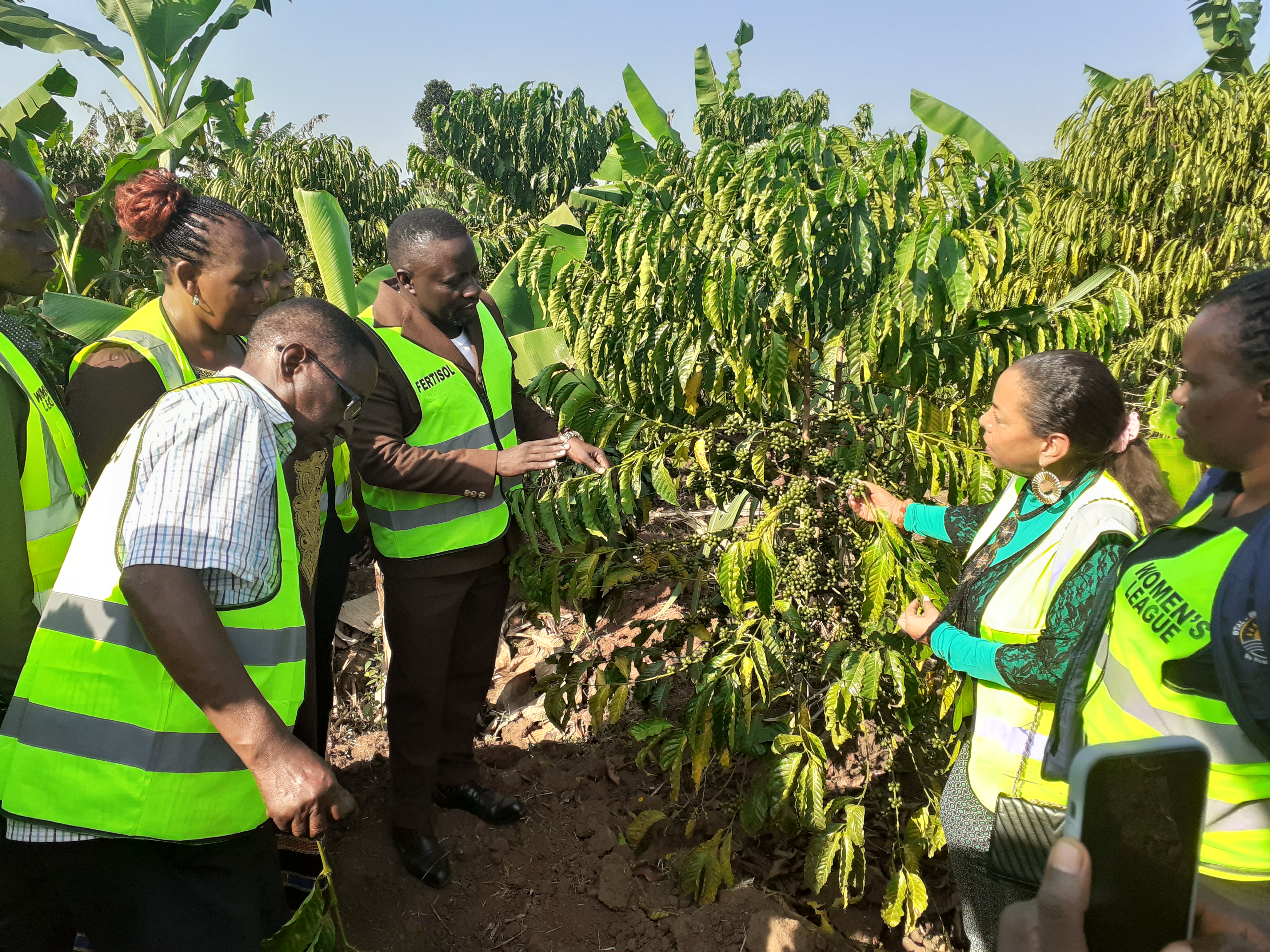
Kisanja acknowledged the challenges and pledged to work with district leaders to strengthen the demonstration farm and develop it into a centre of excellence where other four-acre model farmers can acquire practical knowledge and skills.
He also urged farmers to organise themselves into groups to improve their access to government programmes, noting that organised farmer associations are better positioned to benefit from government support and agricultural services.
The senior presidential advisor further encouraged Ugandans to take full advantage of the country's fertile soils and abundant natural resources, describing agriculture as one of the strongest drivers of household wealth creation and national economic transformation.
He also called on farmers to preserve indigenous seed varieties while embracing modern farming technologies, improved seedlings, organic fertilisers and better post-harvest handling practices to enhance productivity and competitiveness.
The launch attracted local leaders, farmers and development partners, including African-American Pan-Africanist Queen Nina Womack from Los Angeles, California, who is visiting Uganda under an agro-tourism programme.
Womack praised Uganda's vast agricultural potential and described Africans as hardworking, innovative and passionate about agriculture.
She encouraged stronger partnerships between Africa and the African diaspora to unlock investment opportunities in agribusiness and value addition.
Kisanja, in turn, called upon African Americans and other international investors to explore Uganda's enormous agricultural potential, particularly in irrigation, agricultural technology, value addition and modern storage facilities, noting that the government remains committed to supporting genuine investors.