
Uganda joins Africa’s digital plant health revolution to protect food, exports and farmers’ future
Joab Tugume, the Head of Plant Quarantine at the Ministry of Agriculture, Animal Industry and Fisheries, said Uganda’s participation in the programme is addressing one of the country’s major challenges, weak plant pest surveillance systems.
Leaders, development partners and agricultural experts gathered in Addis Ababa, Ethiopia, to strengthen partnerships for expanding the Africa Phytosanitary Programme. (Courtesy photo)
________________
The journey of Uganda’s agricultural products from farms to global markets now depends on an invisible line of defence, the ability to detect and control plant pests before they cross borders.
As threats to food security increase worldwide, Uganda is embracing digital technology, stronger surveillance systems and scientific data to protect crops, safeguard farmers’ livelihoods and strengthen confidence in its agricultural exports.
Through the Africa Phytosanitary Programme, Uganda has joined a continent-wide effort to transform plant protection, improve market access and build resilient agricultural systems capable of responding to emerging pest threats.
Through the Africa Phytosanitary Programme (APP), Uganda is using digital tools to monitor plant pests, collect real-time information from farms and strengthen the country’s ability to negotiate access to international markets.
Group photo of participants of the Africa Phytosanitary Programme (APP) Phase 3 Regional train-the-trainer workshop held in Addis Ababa, Ethiopia.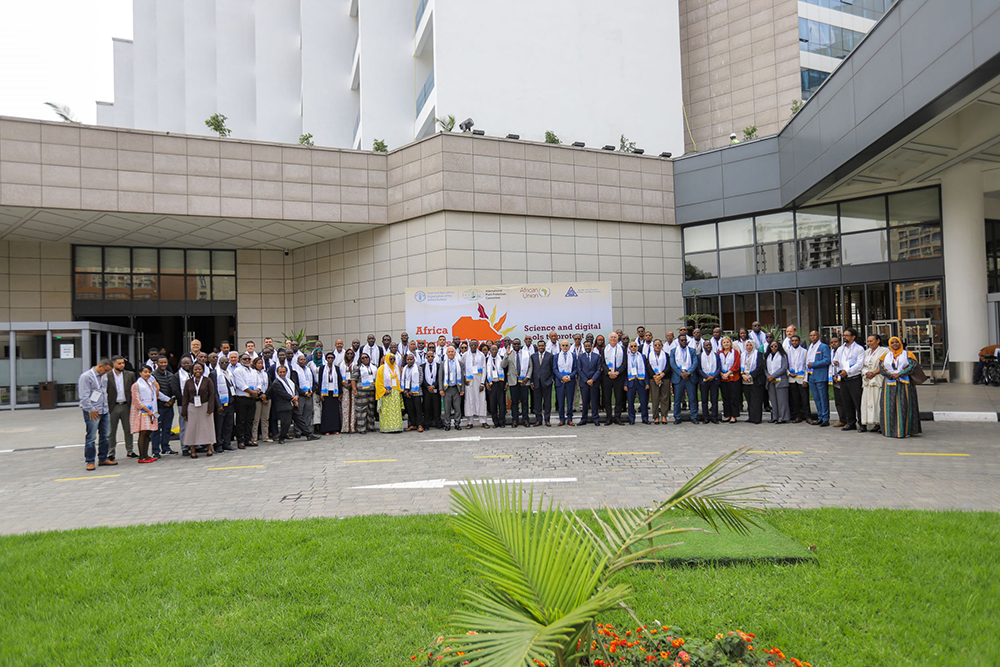
Joab Tugume, the Head of Plant Quarantine at the Ministry of Agriculture, Animal Industry and Fisheries, said Uganda’s participation in the programme is addressing one of the country’s major challenges, weak plant pest surveillance systems.
“One of the phytosanitary challenges that Uganda has been facing is the weak surveillance system. The e-phytosanitary system is coming in to digitise our surveillance activities so that we have ready data that can be used in our trade negotiations and market access,” Tugume explained.
Digital tools
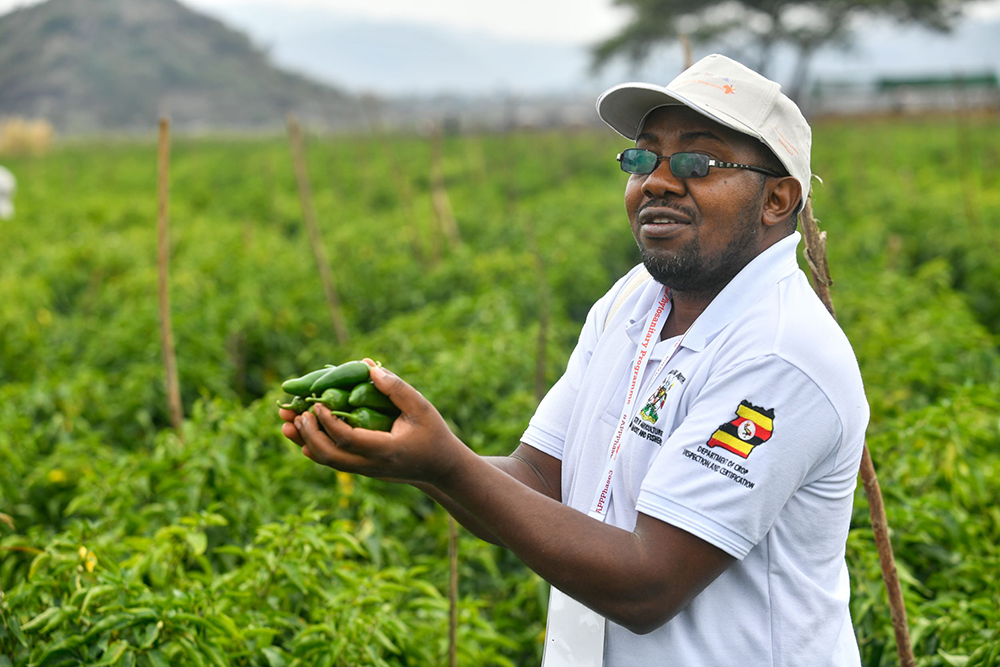
The technology is being used across the country to monitor dangerous plant pests, including Xylella fastidiosa, a bacterial disease that threatens several important crops worldwide.
With digital surveillance tools, plant health officers can collect information from different locations, map pest risks and respond faster before outbreaks spread.
Uganda is among countries benefiting from APP, which has introduced digital equipment, standardised survey procedures and training for plant health officers.
The programme is designed to ensure that countries have reliable evidence about their plant health status, a key requirement when exporting agricultural products to international markets.
Africa strengthens its defence
The expansion of Uganda’s digital plant surveillance efforts comes as leaders, development partners and agricultural experts gathered in Addis Ababa, Ethiopia, to strengthen partnerships for expanding the Africa Phytosanitary Programme.
The Strategic Partnership Forum brought together ministers, national plant protection authorities, international organisations, donors and regional institutions to mobilise support for stronger plant health systems across Africa.
Launched in 2023, APP is a joint initiative of the International Plant Protection Convention (IPPC) Secretariat, the Food and Agriculture Organisation of the United Nations (FAO), and the African Union Department of Agriculture, Rural Development, Blue Economy and Sustainable Environment.
The programme helps countries detect, manage and prevent plant pest threats through digital technologies, training and harmonised surveillance systems.
From its initial 11 pilot countries, APP has expanded rapidly, with nine additional countries joining in 2025 and 18 more expected to join in the latest phase.
The vision is to ensure that every African country has access to modern plant protection systems capable of protecting farmers, biodiversity and agricultural markets.
Protecting food security and international trade
Experts warn that plant pests remain one of the greatest challenges facing global agriculture.
Every year, about 40% of global crop production is lost to pests, causing economic losses estimated at more than USD 220 billion.
Africa faces a particularly serious challenge, with plant pests contributing to major crop losses, reduced rural incomes and increased food insecurity.
“Plant pests wipe out 30 to 60 percent of the continent’s crops each year, causing losses, hunger, biodiversity loss and barriers to international markets,” he said.
According to Perotti, investing in phytosanitary systems is not simply about protecting plants but also about protecting economies, farmers and future generations.
Uganda among countries integrating modern systems
Uganda is among countries that have formally integrated APP into their national phytosanitary systems alongside Cameroon, the Democratic Republic of Congo, Egypt, Guinea-Bissau, Mali, Sierra Leone, Zambia and Zimbabwe.
The programme has already trained more than 600 plant health specialists, deployed hundreds of digital tablets for field surveillance and developed geographic information systems to support evidence-based decisions.
Through the APP Geographic Information System (GIS) Hub, countries can store and analyse pest surveillance information, creating a common platform for monitoring threats across borders.
This is especially important because many pests do not respect national boundaries and can spread quickly through trade, climate change and movement of agricultural products.
Building Africa’s agricultural resilience
African leaders say protecting plant health is essential as the continent works to increase agricultural production, create jobs and expand trade under initiatives such as the African Continental Free Trade Area.
Dr Fikru Regassa, Ethiopia’s State Minister for Livestock and Fishery Resources Development Sector, said agriculture transformation must go hand-in-hand with stronger plant protection systems.
“Effective phytosanitary systems are fundamental to safeguarding agricultural investments, ensuring food security, protecting natural ecosystems, facilitating safe and competitive trade, and strengthening the resilience of our food systems,” he said.
He added that investing in plant health is ultimately an investment in Africa’s economic success and the wellbeing of its people.
A model attracting global attention
The success of APP is attracting interest beyond Africa, with other regions looking at how the digital surveillance model can support plant health protection.
The programme’s next phase aims to strengthen national ownership, expand training and ensure that African institutions gradually take greater responsibility for managing plant health systems.