
Study exposes risks facing young environmental defenders
The findings pointed to a shrinking civic space in Uganda, where young activists face restrictions on peaceful assembly, arrests and other forms of intimidation while advocating for environmental protection.
Study exposes risks facing young environmental defenders
Young environmental defenders in Uganda face widespread threats, harassment and inadequate protection, with more than half of those surveyed reporting at least one threat linked to their work, a study has found.
Derrick Sebaka, the founder and coordinator of Habitat Defenders Africa (HDA), a youth-led regional non-profit network, says young people advocating for environmental protection face different risks depending on their gender, ethnicity, disability, income and geographical location.
On Wednesday (October 21), Sebaka presented the findings of the study at Kolping Hotel in Makerere Kavule in Kampala.
Conducted by Fridays for Future Uganda (FFU) in partnership with HDA, the study examined the intersectional vulnerabilities, security challenges and protection needs of young environmental defenders across central, northern and western Uganda.
It sought to establish how these factors influence the safety of young people involved in environmental advocacy and their access to protection mechanisms.
The findings pointed to a shrinking civic space in Uganda, where young activists face restrictions on peaceful assembly, arrests and other forms of intimidation while advocating for environmental protection.
Women and marginalised groups face greater risks
Using an intersectional approach, the researchers found that 44% of the women surveyed reported gender-based violence or harassment, compared with 6% of men.
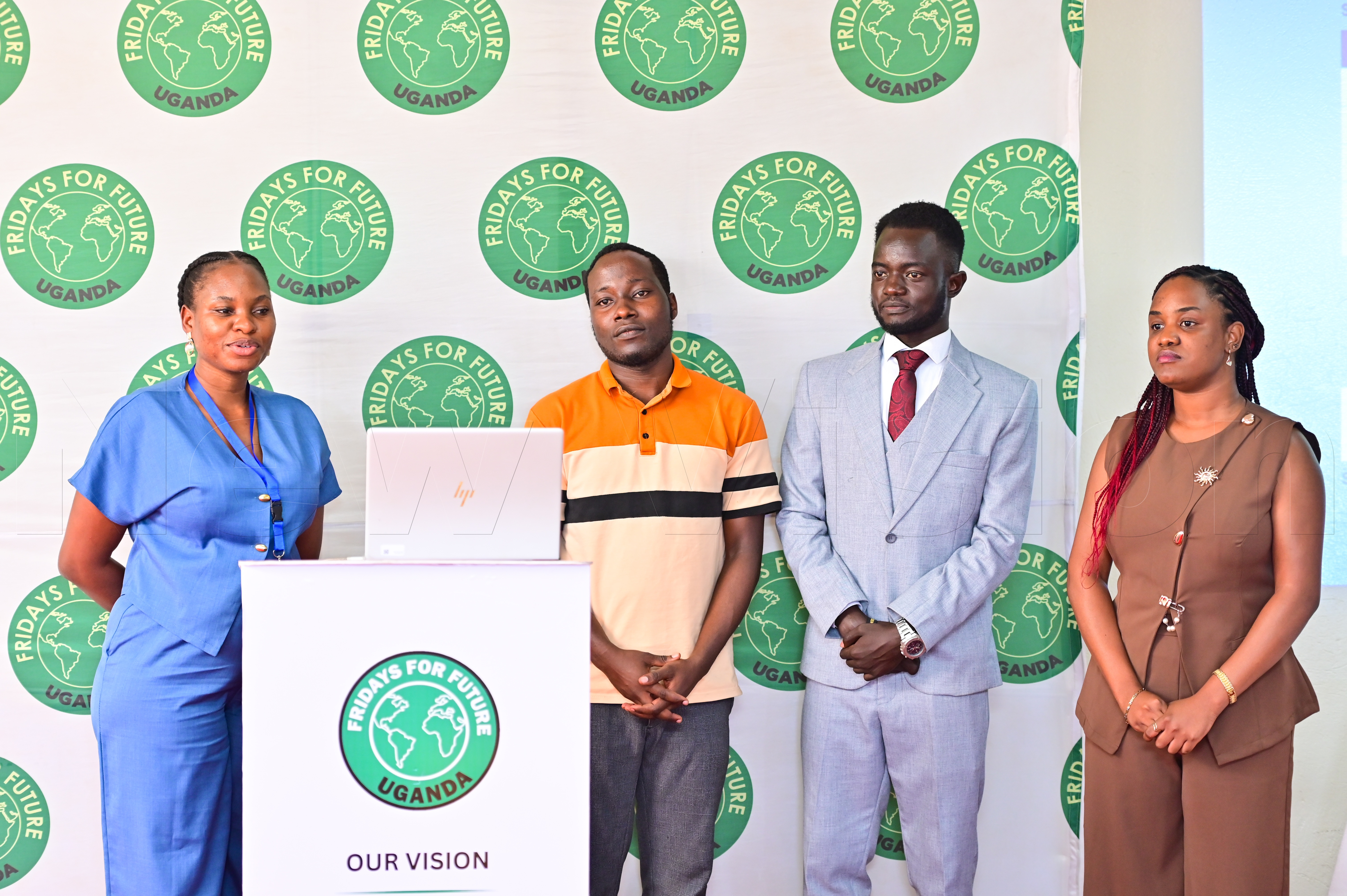
From the left: Hilda Nakabuye, Executive Director of Fridays for Future Uganda, and her team during the research presentation at Kolping Hotel, Makerere-Kavule.
Women environmental defenders also face stigma, exclusion from leadership and other gender-related barriers that can limit their participation in environmental advocacy.
The study further found that more than 80% of the indigenous environmental defenders surveyed reported surveillance or monitoring, while 38% of respondents with disabilities said they had no access to protection mechanisms.
According to Sebaka, these findings demonstrate that environmental defenders do not experience threats equally, with marginalised groups often facing additional barriers when seeking assistance or protection.
The study also highlighted concerns about the use of the Public Order Management Act in regulating public assemblies, alongside reports of young activists being arrested during their advocacy activities.
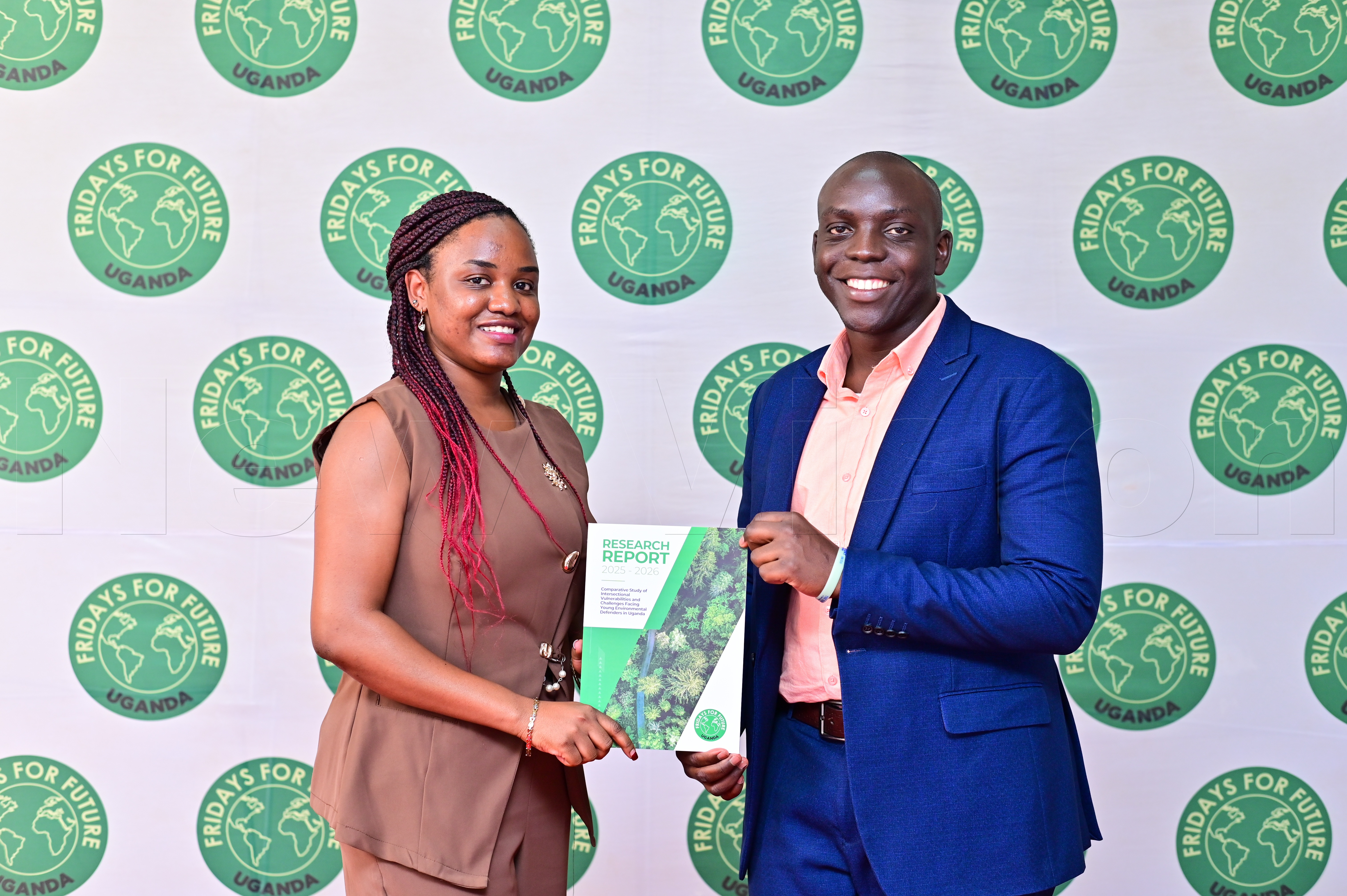
Resty Mubiiwa Ndholorwa of Fridays for Future Uganda and Derrick Sebaka of Habitat Defenders Africa (HDA) display the research report on young environmental defenders in Uganda.
More than half report threats
Beyond restrictions on civic space, the research documented several forms of threats and harassment directed at young environmental defenders.
These included verbal abuse, online harassment, intimidation, forced eviction, surveillance, legal harassment and physical violence.
Sebaka said the threats did not originate from government actors alone.
The sources included local community members, private companies, government officials and security personnel, community and traditional leaders, unknown individuals, and family members or intimate partners.
The findings also raised concerns about whether reporting violations leads to meaningful action.
Among respondents who reported incidents to authorities, 59% said no action was taken, 17% did not know the outcome, while 25% said action had been taken.
The figures point to challenges in obtaining redress even after environmental defenders report incidents to the relevant authorities.
Personal accounts collected during focus group discussions further illustrated the consequences of the threats.
One participant reported being detained for a month in Hoima, beaten and warned against reporting on the oil pipeline. Another described experiencing psychological distress following imprisonment and said they had not received assistance to recover.
The researchers cautioned that the findings were indicative rather than statistically representative because of the small sample size.
The study drew on surveys, key informant interviews, focus group discussions and a review of existing literature.
Western records lowest access to protection
The study also identified regional disparities in access to protection mechanisms.
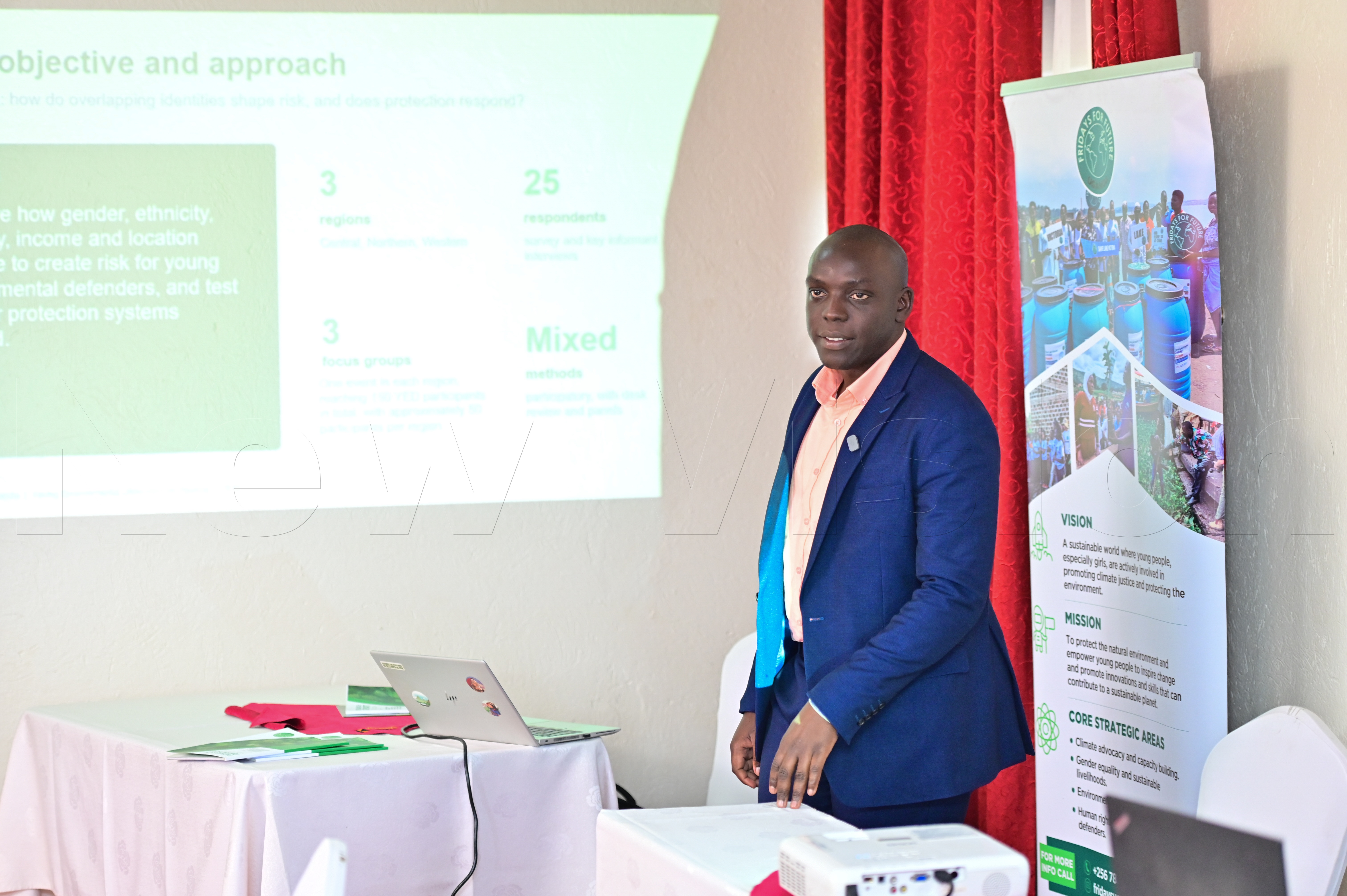
Derrick Sebaka of Habitat Defenders Africa (HDA) presents the research report
Central Uganda recorded the strongest access to protection, followed by northern Uganda, while western Uganda had the lowest.
The disparities suggest that young environmental defenders in some regions face greater difficulties accessing the support they need when threatened.
Way forward
The report recommends that the Government establish a national protection framework that recognises the specific risks facing young environmental defenders, including gender-related threats and the vulnerabilities of indigenous communities and people with disabilities.
It also calls for investigations into reported threats, prosecution of perpetrators and stronger enforcement of existing rights.
Human rights institutions are urged to establish dedicated desks for environmental defenders, document violations and publish reports to strengthen accountability.
Civil society organisations and youth movements are encouraged to improve digital security and legal awareness, strengthen peer-support networks and provide psychosocial assistance to affected defenders.
The study further recommends flexible, long-term funding from donors and development partners to support protection programmes and integrate defender safety into climate action initiatives.
Collaboration
Hilda Flavia Nakabuye, the executive director of Fridays for Future Uganda, said the organisation would engage different stakeholders, including the Ministry of Water and Environment, to ensure the study's findings inform efforts to protect young environmental defenders.
She emphasised that the research was intended to identify challenges and propose solutions, rather than portray FFU as working against the Government.
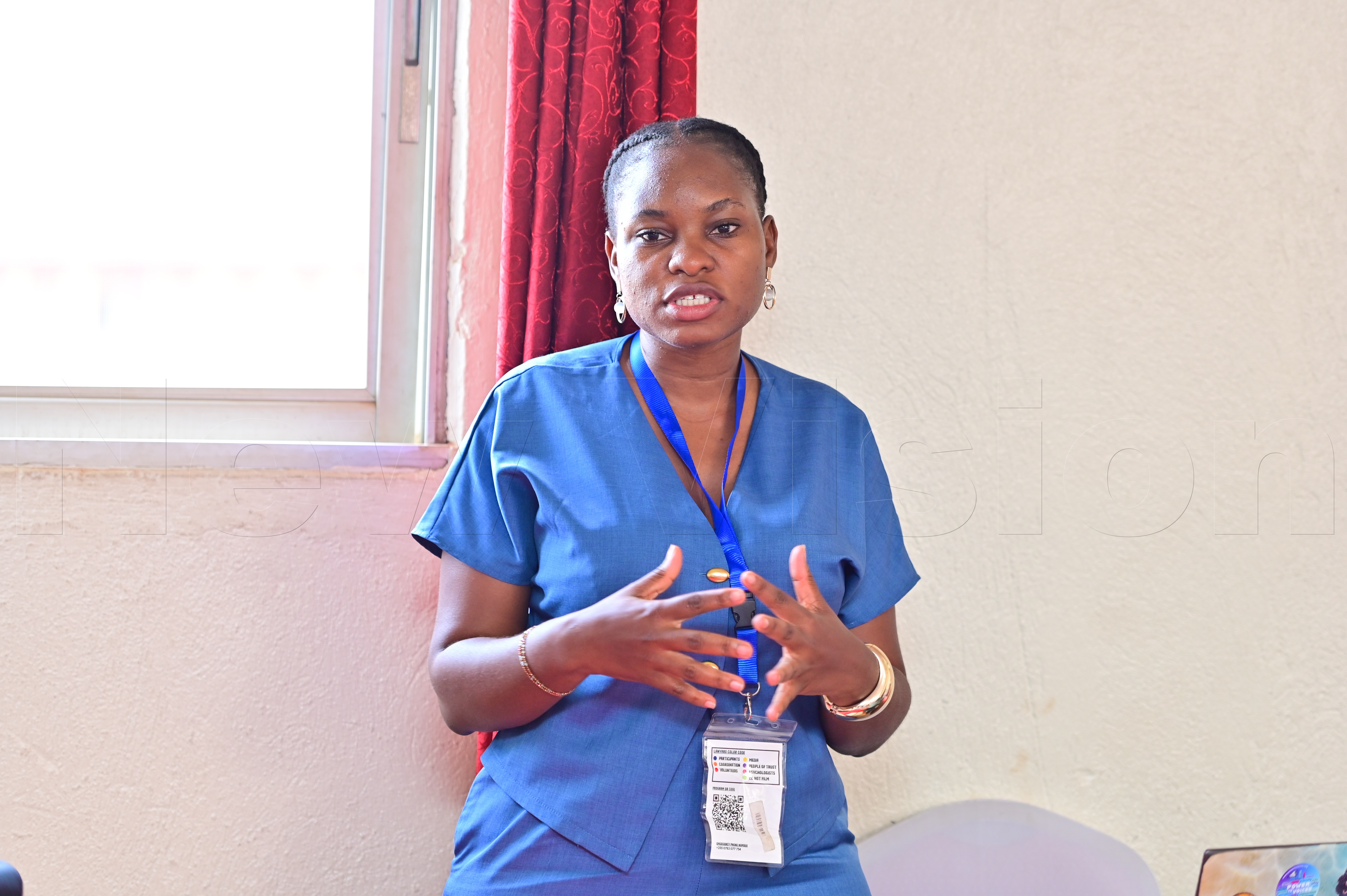
Hilda Flavia Nakabuye, the Executive Director of Fridays for Future Uganda
Nakabuye said the organisation had a responsibility to disseminate the recommendations to government agencies and other stakeholders who could help address the challenges identified.
She added that some partners had already expressed willingness to take up the recommendations, although their implementation was not guaranteed.
According to her, the recommendations could inform policy-making processes or help organisations strengthen existing structures through which they provide support to environmental activists.
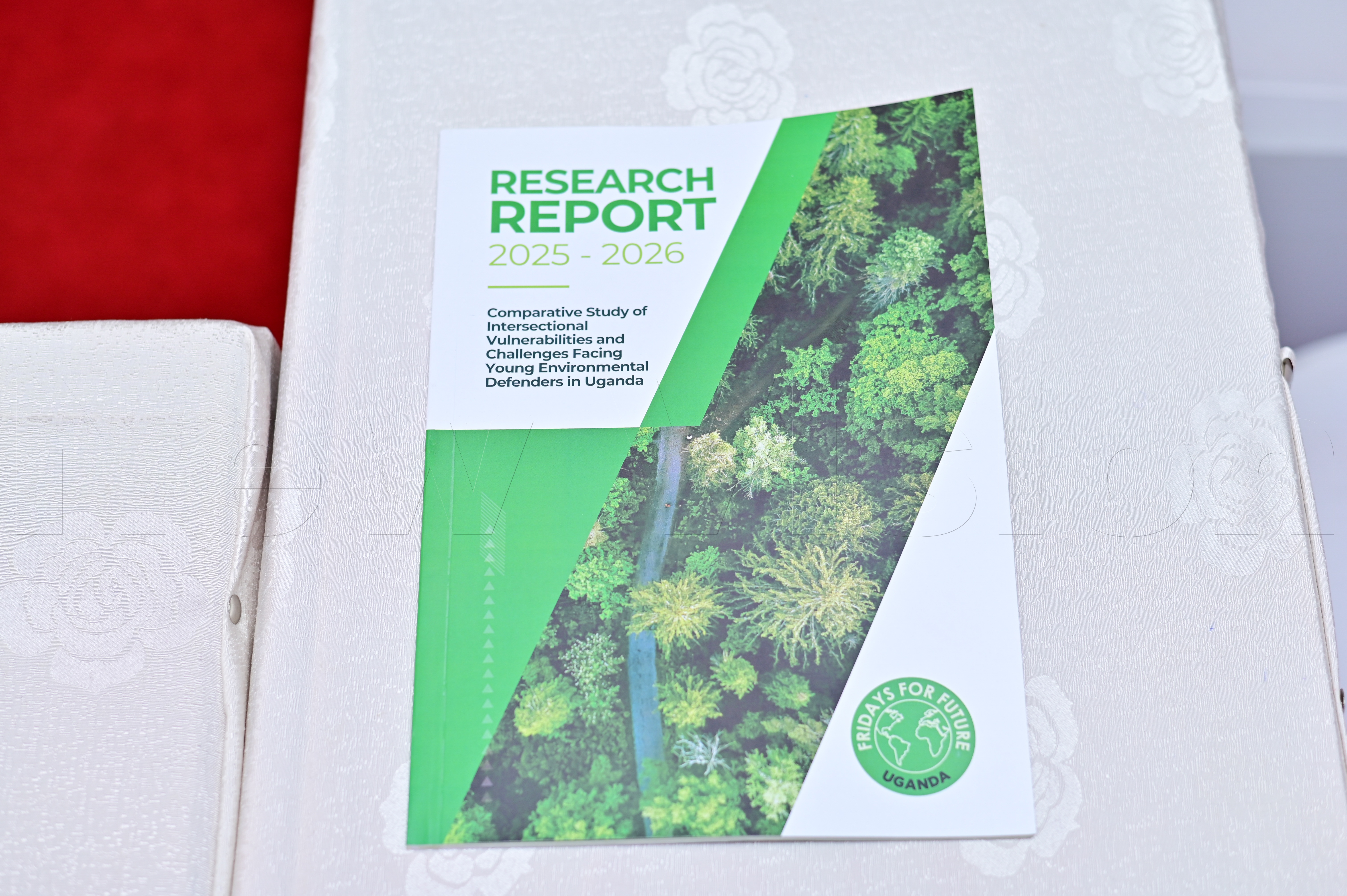
The research report by Fridays for Future Uganda (FFU) and Habitat Defenders Africa (HDA) examines the vulnerabilities, security challenges and protection needs of young environmental defenders in Uganda, highlighting the urgent need for stronger safeguards and coordinated action.
She said the report would also be shared with climate movement organisations to widen engagement with the findings and encourage coordinated action.
The study calls for a shift from fragmented, crisis-driven interventions towards preventive protection, coordinated support and improved access to justice for young environmental defenders.
Resty Mubiiwa Ndholorwa, programme manager at Fridays for Future Uganda, said environmental defenders face pressure ranging from domestic violence to intimidation, affecting their mental health and participation in community development.
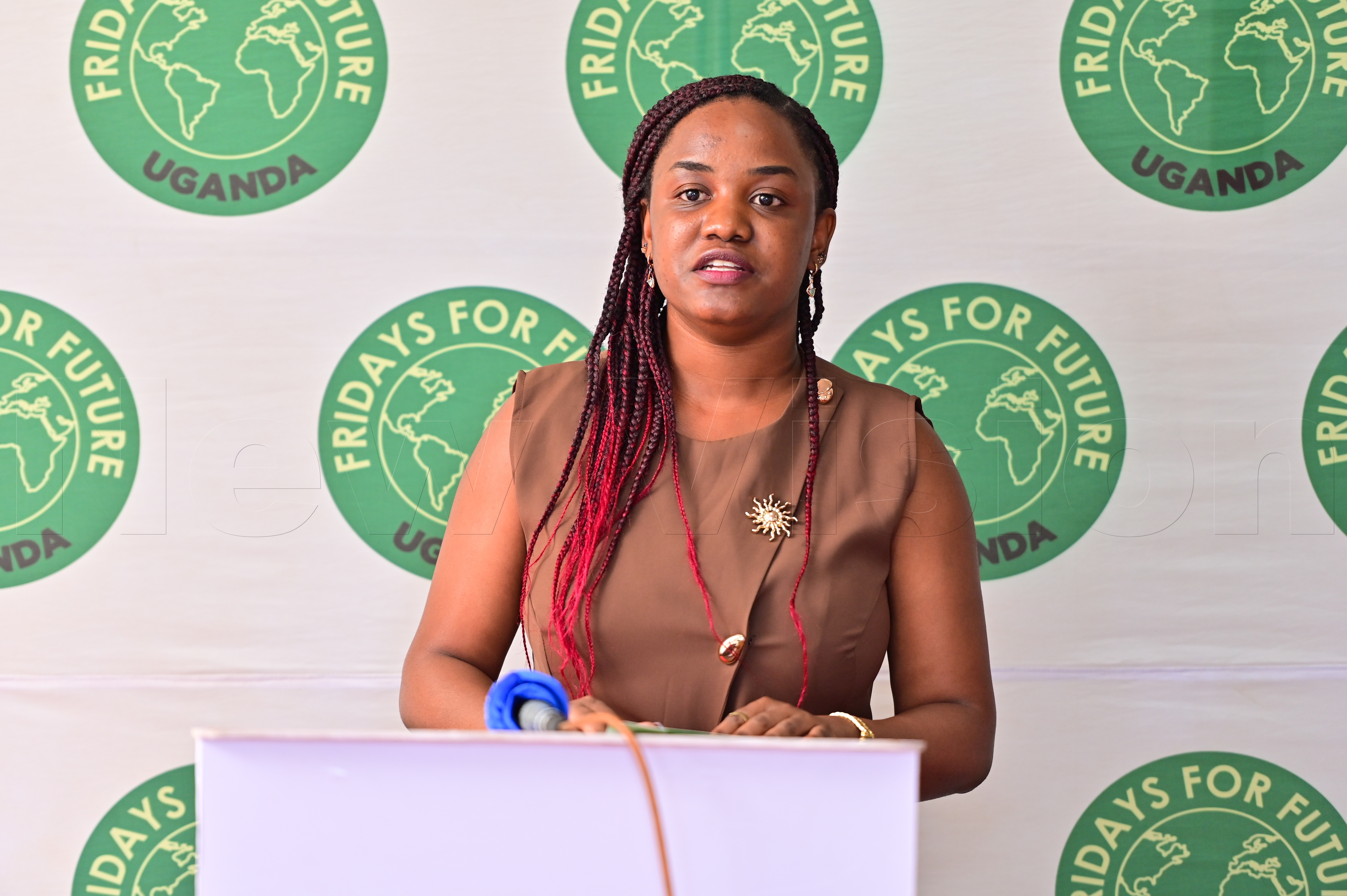
Resty Mubiiwa Ndholorwa, programme manager at Fridays for Future Uganda
She noted that women were particularly vulnerable to gender-based violence for speaking out on environmental issues, while men also faced pressure when challenging projects they considered harmful to their communities.
Fridays for Future Uganda (FFU) is a youth-led climate organisation that brings together young people and professionals to advocate for climate justice, influence climate policy, promote environmental protection and drive community action, while championing the safety and protection of environmental defenders.