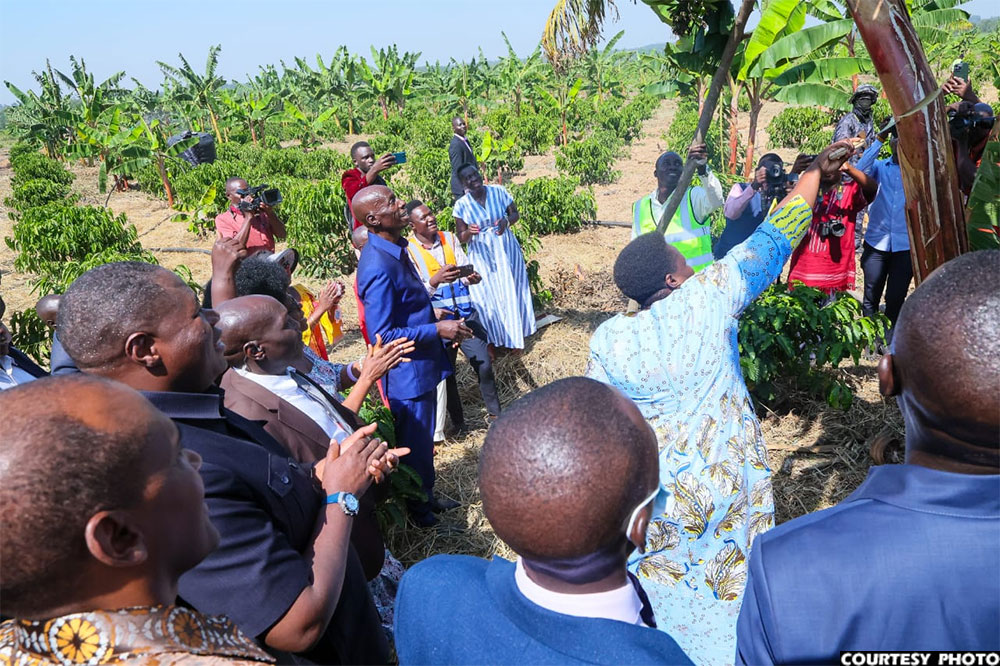
Speaker Oboth roots for coffee and cocoa to fight poverty in Bukedi
Local leaders and development partners are optimistic that Bukedi sub-region is now strategically positioned to transition from subsistence farming to a prosperous, market-driven agricultural economy.
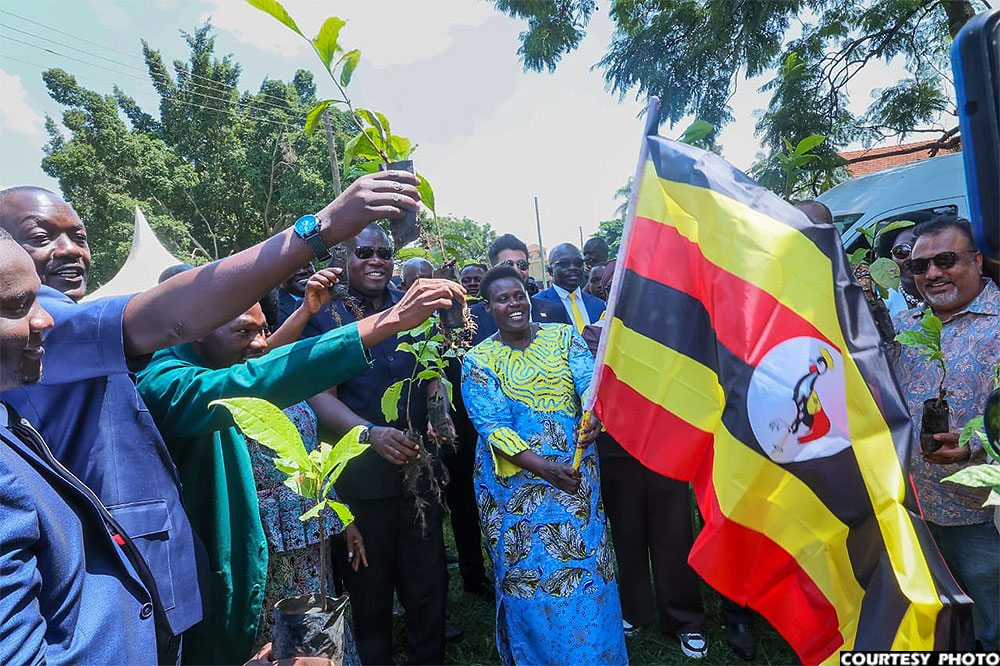
Speaker of Parliament Jacob Marksons Oboth graced the official launch of the Coffee and Cocoa Household Poverty Eradication Initiative in Tororo district on June 26, 2026. (Courtesy photo)
______________________
AGRICULTURE
The Speaker of Parliament, Jacob Marksons Oboth, has urged communities in the Bukedi sub-region to seize the economic potential of coffee and cocoa production to break the cycle of household poverty.
Speaking at the official launch of the Coffee and Cocoa Household Poverty Eradication Initiative in Tororo district on Friday (June 26), Oboth declared the project a vital turning point for a region historically rich in agricultural potential but continuously challenged by high poverty rates.
The high profile event was officiated by the Vice President, Jessica Alupo, and attended by Cabinet ministers, Members of Parliament, local government authorities, cultural and religious leaders, and local farming communities.
Agriculture minister Frank Tumwebaze was present.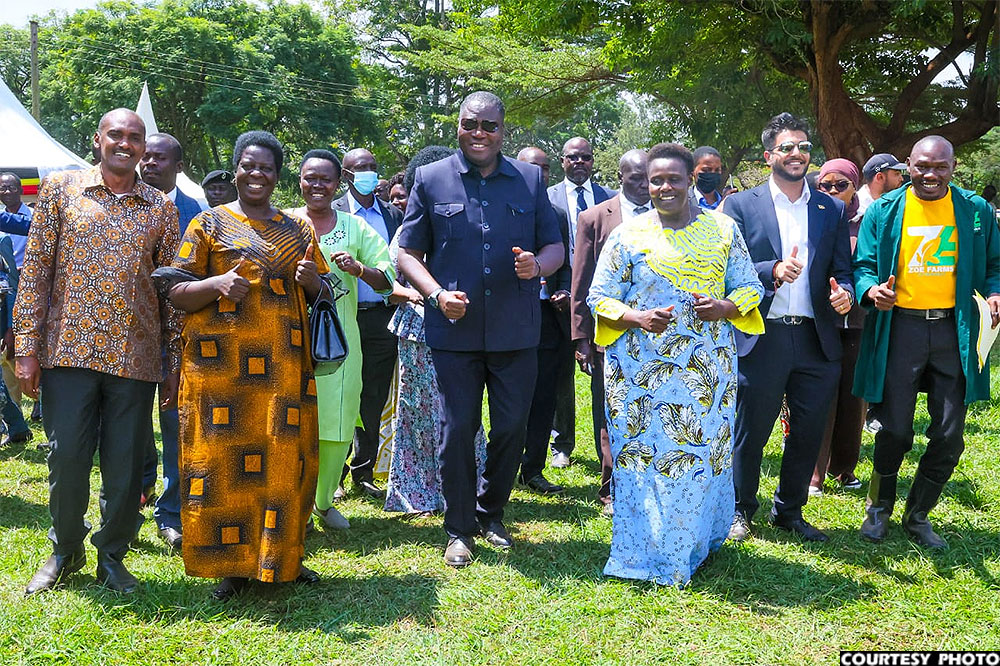
In his address, Speaker Oboth emphasized that the initiative is more than a standard agricultural distribution programme, calling it a beginning of a renewed journey towards wealth creation, economic empowerment, and improved household incomes.
Pointing to Bukedi's highly fertile soils and favorable weather, the Speaker pointed to coffee and cocoa as Uganda's leading export commodities to boost household income.
"Agriculture is no longer subsistence farming alone, it is a business capable of creating sustainable jobs and wealth when approached with the right mindset and technologies," he said.
He urged local farmers to abandon traditional, low-yield methods in favour of modern practices, urging them to utilize quality planting materials, protect the environment, and organize themselves into formidable cooperatives to increase their collective market bargaining power.
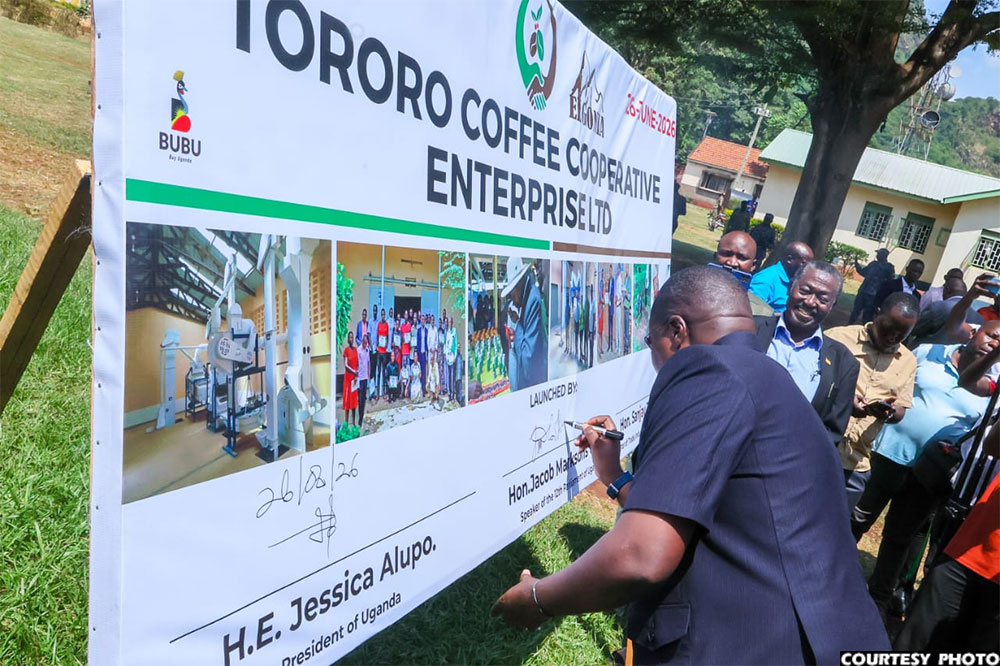
Aligning the new initiative with existing government wealth-creation blueprints like the Parish Development Model (PDM), Oboth reassured the public of Parliament’s unwavering commitment to the agricultural sector.
He pledged that the legislature will prioritize increased budget allocations and protective policies aimed at upgrading rural infrastructure, expanding extension services, and driving agro-industrialization.
The Speaker warned against improper use of resources meant for agriculture, emphasizing that the success of the initiative hinges on transparency and accountability.
"As Parliament, we will continue to provide oversight to ensure that public resources reach the intended beneficiaries," he said, appealing to local government leaders to maintain absolute fairness during the mobilization of communities, leaving no household behind.
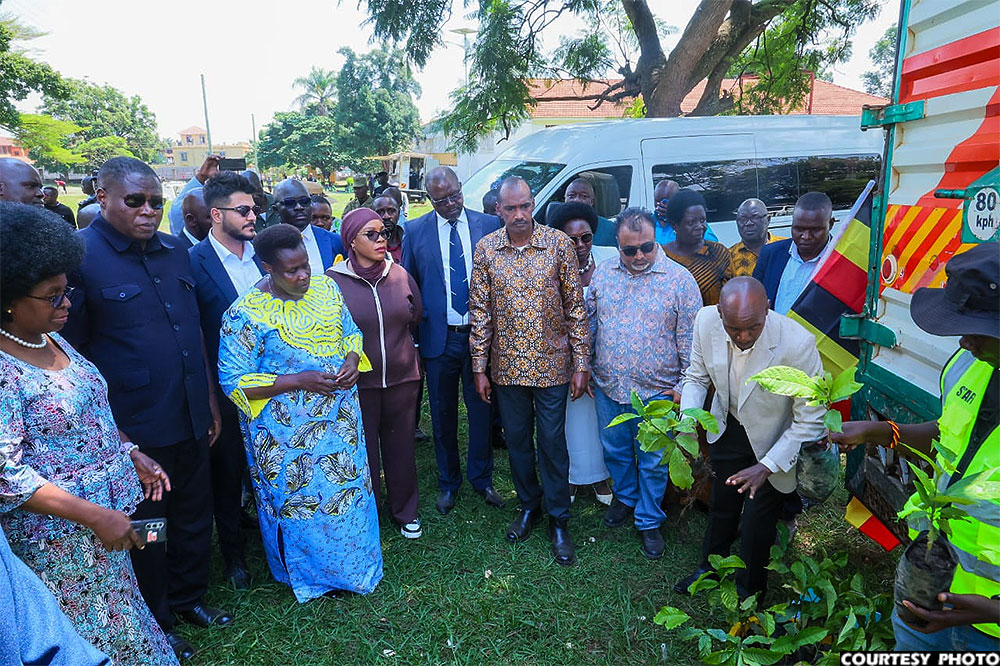
Speaker Oboth hailed President Yoweri Museveni for his persistent leadership in national poverty alleviation strategies and commended Vice-President Alupo for her dedication to championing developmental programs in rural communities.
On her part, Alupo raised a concern on the need for irrigation infrastructure, calling on the agriculture ministry to expedite water for production interventions.
"Coffee and cocoa require adequate moisture, especially during establishment and flowering stages," she said, calling for the adoption of small scale irrigation systems, water harvesting technologies, valley tanks and dams, community water reservoirs, and sustainable watershed management practices.
In the same spirit, the Vice-President encouraged farmers to diversify into coffee and cocoa alongside existing commercial enterprises in the region, including fruits, fish, dairy, poultry, and piggery, while cautioning them not to neglect food crop production.
With the launch of the Coffee and Cocoa Household Poverty Eradication Initiative, local leaders and development partners are optimistic that Bukedi sub-region is now strategically positioned to transition from subsistence farming to a prosperous, market-driven agricultural economy.