
Igara tea factory halts operations as workers strike over unpaid salaries
Workers at the factory in Kyamuhunga town council on March 16, 2026, laid down their tools, bringing activities to a standstill and triggering fears of disruption in the region’s tea supply chain.
A worker at Igara Tea factory demands for his salaries after months without pay. (Photo by Bruno Mugizi)
______________
Operations at Igara Growers Tea Factory Limited in Bushenyi district have ground to a halt after workers went on strike over four months of unpaid salaries, raising concern among thousands of tea farmers who depend on the facility.
Workers at the factory in Kyamuhunga town council on March 16, 2026, laid down their tools, bringing activities to a standstill and triggering fears of disruption in the region’s tea supply chain.
The employees say they have not received salaries since November last year, leaving many unable to pay rent, service bank loans, or meet basic household needs.
Joseph Barugahare, one of the affected workers, said the situation has pushed many employees into financial distress.
“Landlords have chased some of us out, and banks are threatening to seize our property. Yet tea continues to be loaded for market sale,” he said.
Some workers also said their children have failed to report back to school for the new term due to a lack of school fees.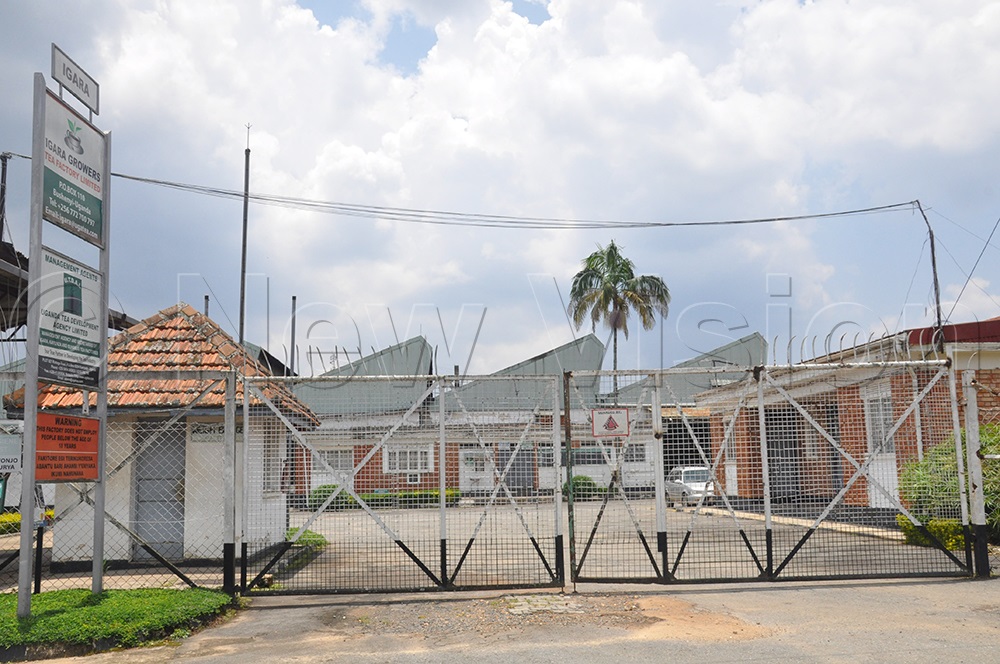
Gates of Igara Tea factory closed. (Photo by Bruno Mugizi)
NSSF arrears
The labour dispute extends beyond unpaid monthly salaries.
Paddy Twesigomwe, the trade secretary in charge of the tea sector, said the factory has not remitted workers’ contributions to the National Social Security Fund (NSSF) since 2022.
“We have given the management and the board a 14-day ultimatum to meet workers and present a clear roadmap on how these arrears will be cleared,” Twesigomwe said.
The protest has drawn staff from several departments, including senior employees.
Dickson Tumukunde, an information technology officer attached to the factory’s Buhweju branch, said workers have lost confidence in the factory’s leadership.
“Management seems uncertain about the direction of the company. Many of us have loans to service, but banks are now hunting us. Government needs to intervene urgently,” he said.
Labour office intervenes
Bushenyi district labour officer Loyce Atukwasa said her office held a meeting between workers and management, but no immediate solution was reached.
“It is very unfortunate because this violates employment laws. Management told us they currently have no money to pay the workers,” Atukwasa said.
She added that since the factory has temporarily halted processing due to the strike, workers have become redundant.
“The next step is to convene a high-level meeting with the board of directors within two weeks to discuss the way forward,” she said.
Factory facing financial crisis
Recent stakeholders’ meetings indicate that the company is struggling under a debt burden estimated at over sh25b, with liabilities to banks, suppliers, and service providers.
The factory also reportedly owes money to firewood suppliers, transporters, and medical service providers, while some farmers have gone months without payment for green leaf supplied to the factory.
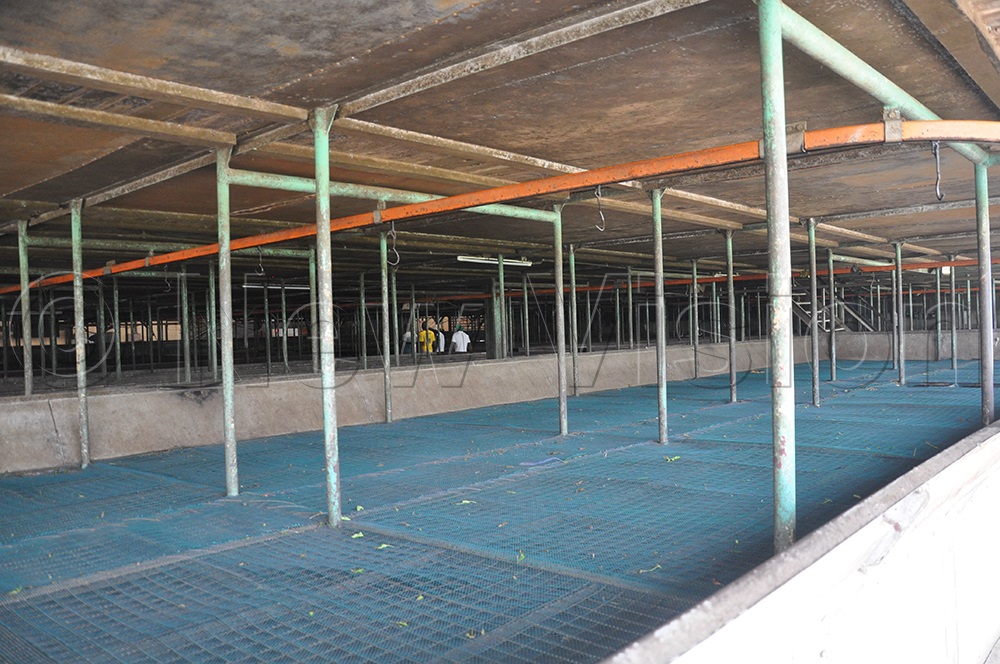
Empty troughs at Igara Tea factory with no tea leaves. (Photo by Bruno Mugizi)
Lifeline for farmers
Established in the 1970s, Igara Growers Tea Factory is one of the largest farmer-owned tea processing plants in western Uganda.
The factory processes tea from thousands of smallholder farmers in Bushenyi, Buhweju, Sheema, Mitooma, and Rubirizi districts, making it a key pillar of the Greater Bushenyi economy.
However, its future has become uncertain amid boardroom disputes and falling tea prices on the international market.
Across Uganda, the tea sector has also been affected by declining prices at the Mombasa Tea Auction, where tea has in recent years sold for less than one US dollar per kilogramme.
Political pressure
The crisis is also generating political pressure in the region, with some workers accusing leaders from the Greater Bushenyi area of remaining silent despite the factory’s financial challenges.
Franco Turyahabwe said, “We have leaders from this region, but when we are suffering, they are nowhere to be seen,” warning that workers may vote against leaders they accuse of neglecting their concerns unless urgent intervention is made.