Agric. & Environment
📸 Experts identify 58 high-risk threats to trade in four priority crops across East Africa
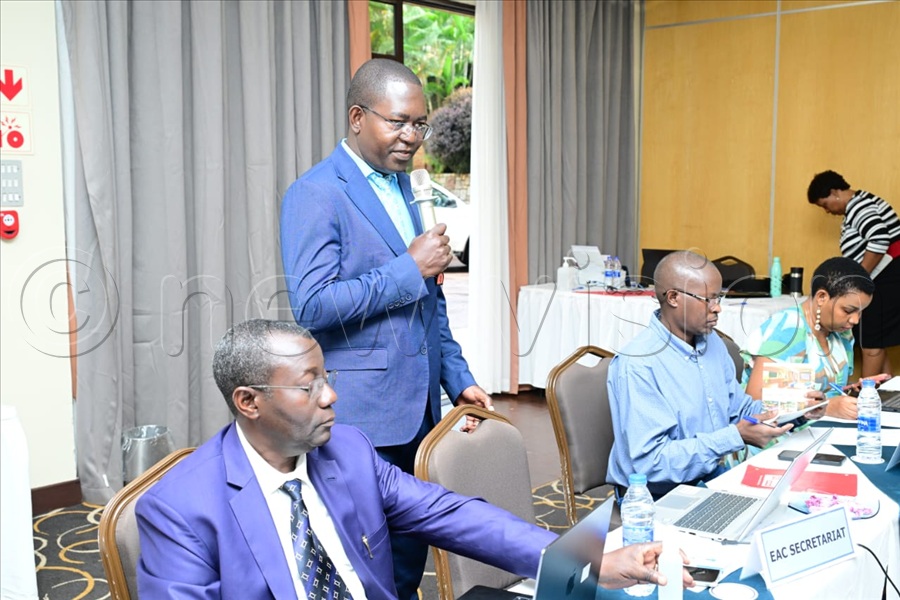
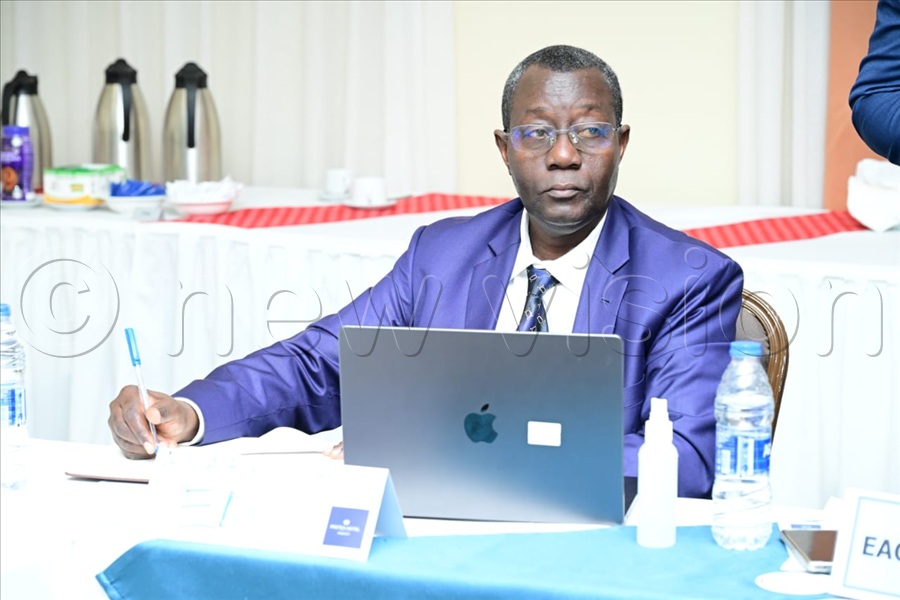
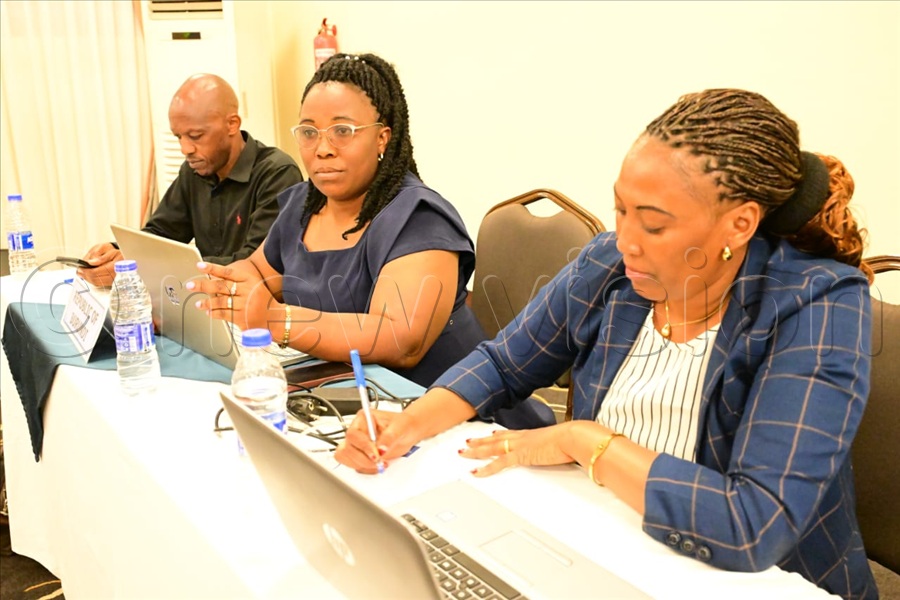
The agronomists, entomologists and plant pathologists who formed a technical working group from the eight East African states are working towards eliminating non-tariff trade barriers as well as safeguarding agriculture across the region.
📸 Experts identify 58 high-risk threats to trade in four priority crops across East Africa
By: Eddie Ssejjoba, Journalist @New Vision
KAMPALA - Technical experts in agricultural crop pests from the East African Community (EAC) have identified 58 high-risk threats to trade in four priority crops across East Africa.
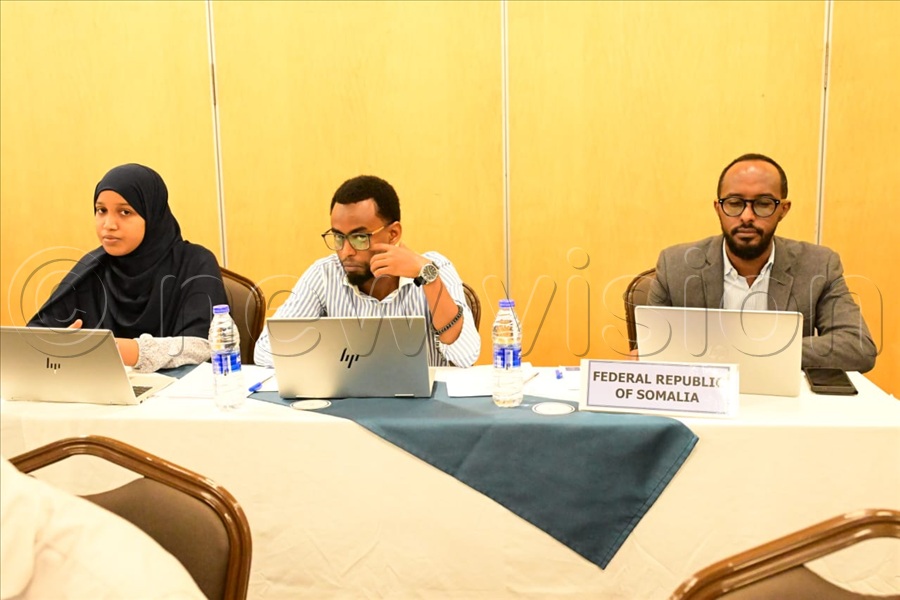
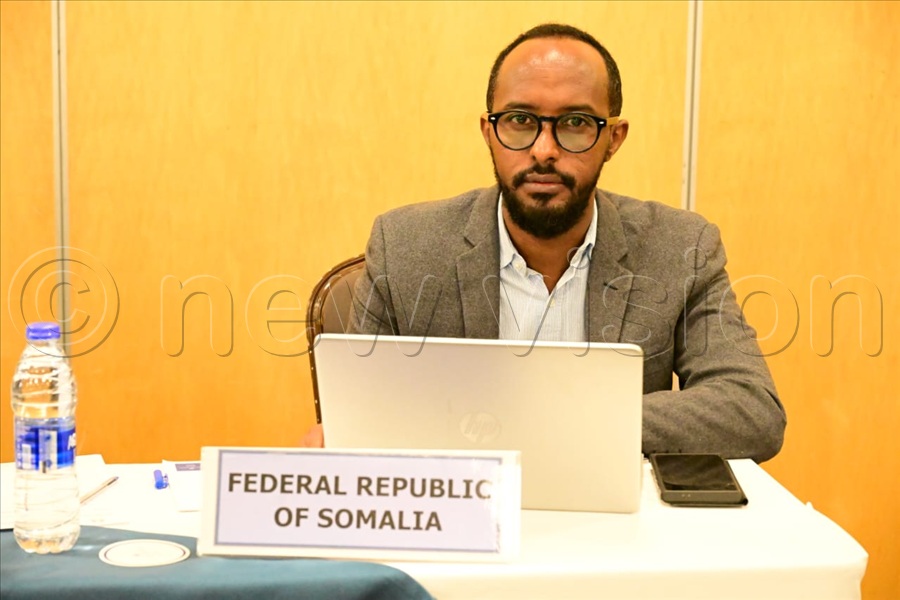
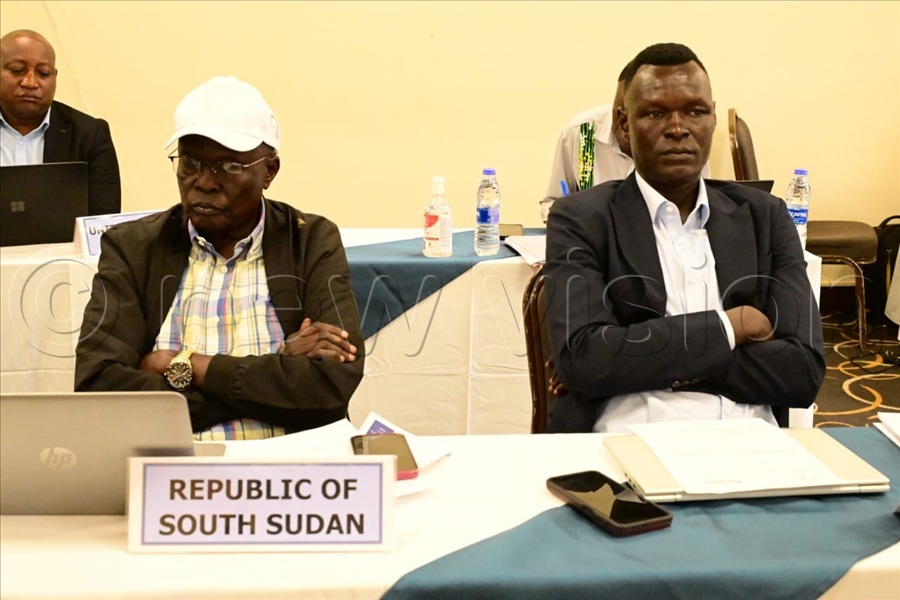
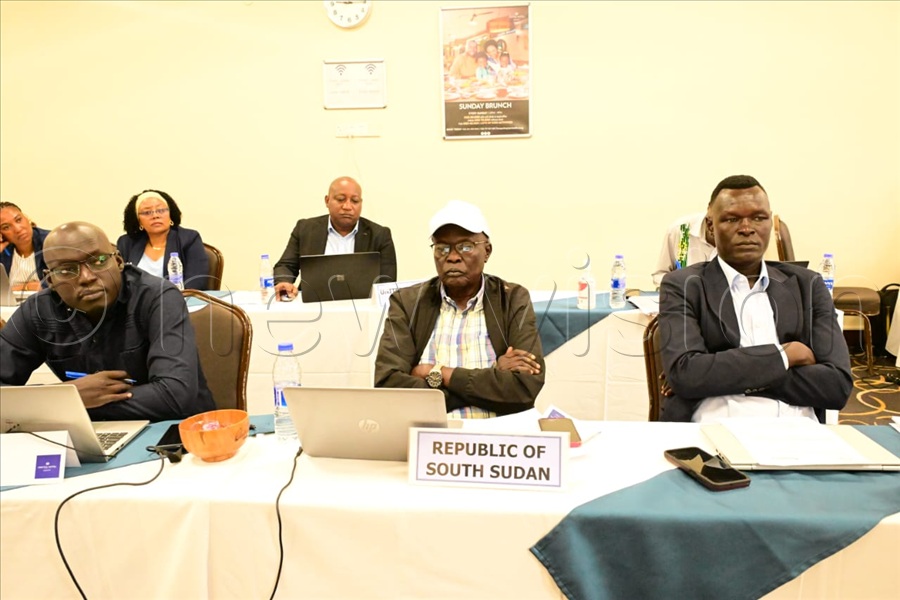
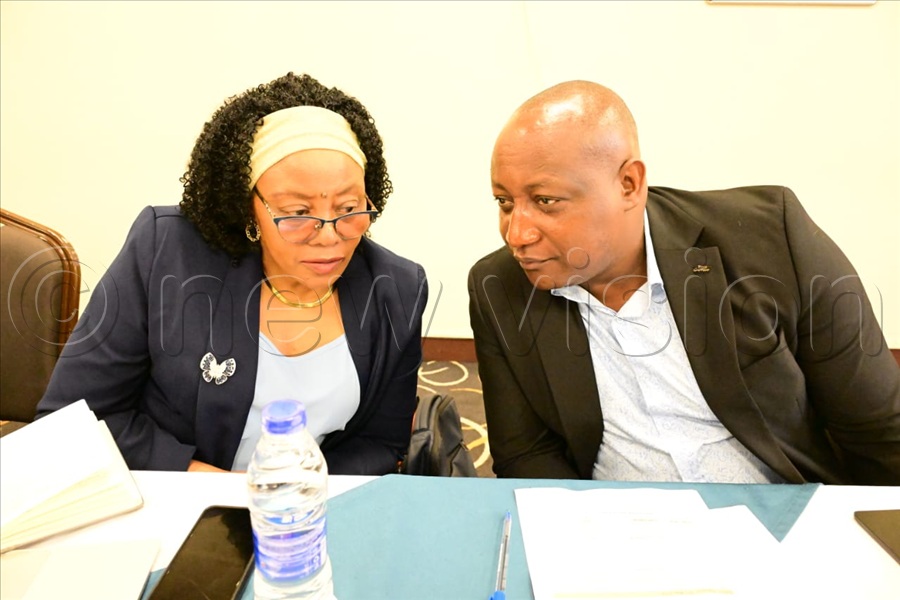
The agronomists, entomologists and plant pathologists who formed a technical working group from the eight East African states are working towards eliminating non-tariff trade barriers as well as safeguarding agriculture across the region.
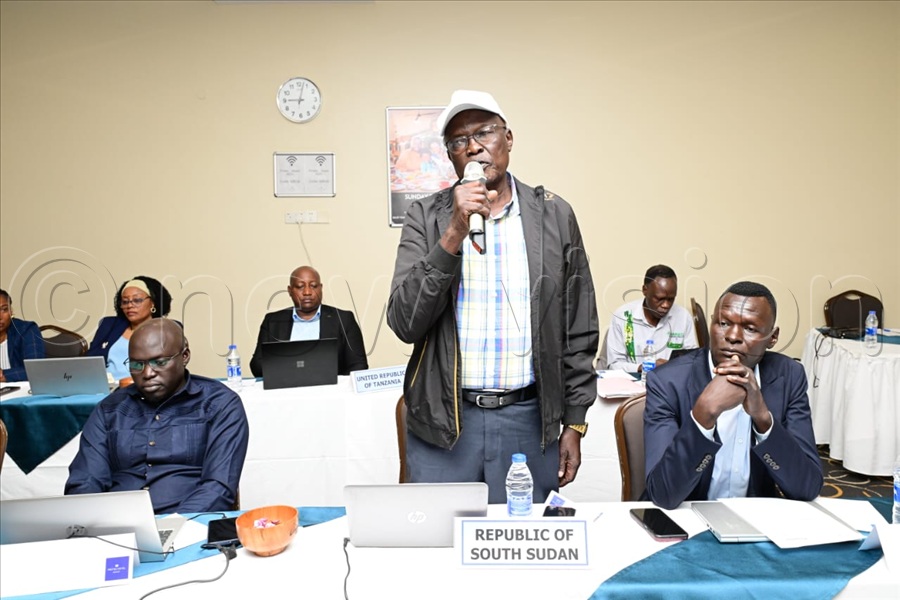
The EA states include Uganda, Kenya, Burundi, Rwanda, South Sudan, Tanzania, DR Congo and Somalia.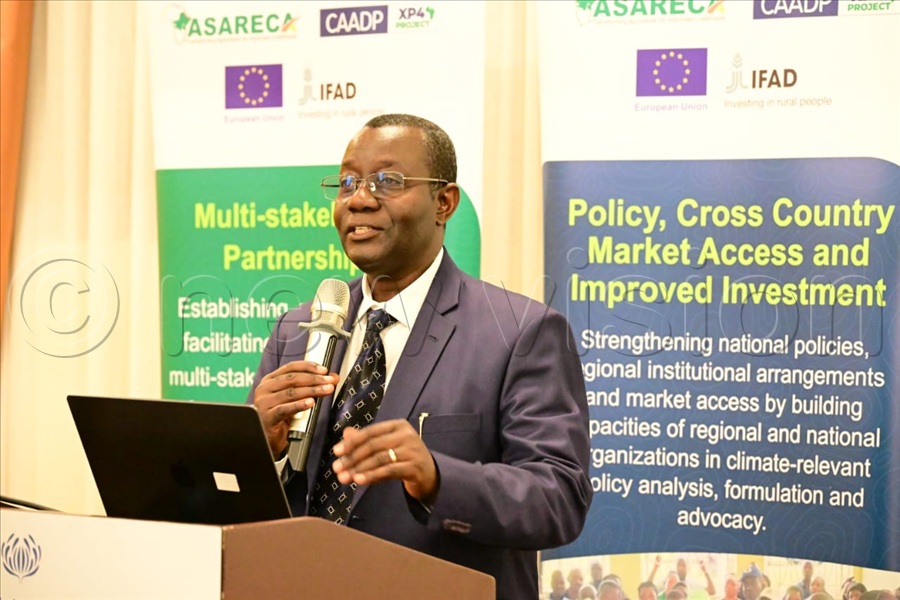

The group successfully isolated the specific biological threats facing avocado, pineapple, groundnut, and soybean trade.
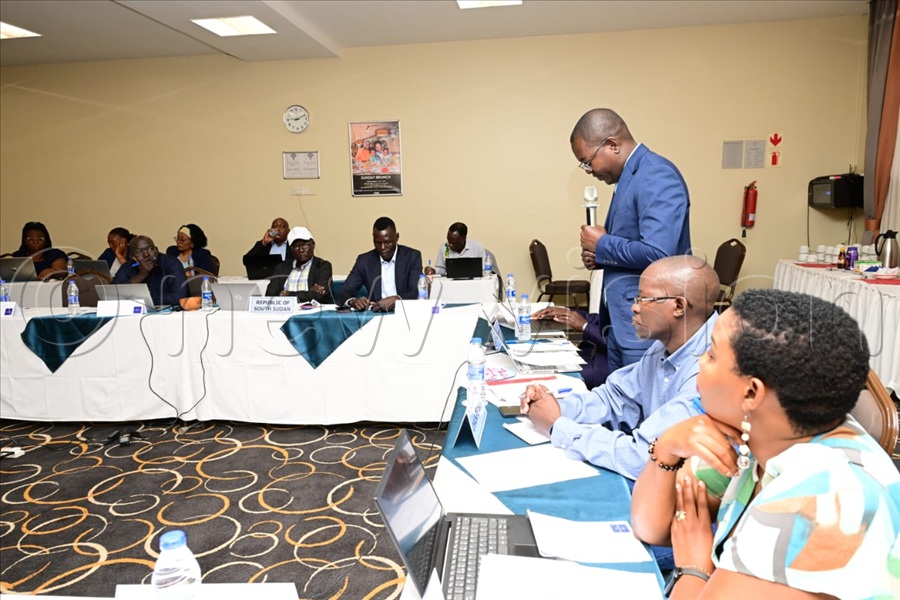
During a four-day high-level regional write-shop held at Protea Hotel, Kololo in Kampala city, the experts identified six pests for avocado (Persea americana) crop, 15 in the groundnut crop and 21 pests in the pineapple.
They also established 16 fungi, insects and viruses in the soybean seed.

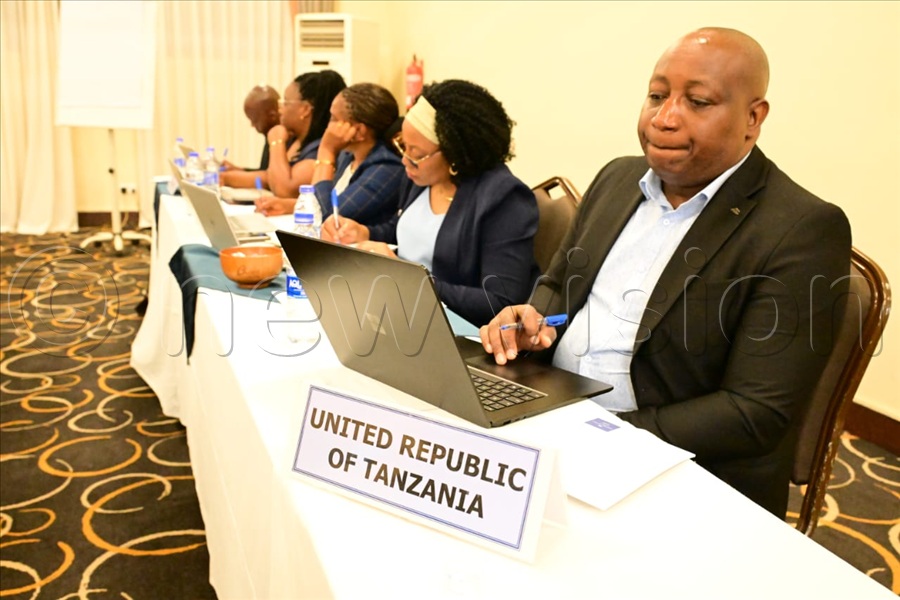
Their findings, also termed as critical Pest Risk Analyses (PRAs), were accompanied by harmonised Standard Operating Procedures (SOPs) targeting high-risk threats to the plants, which they termed as the most vital priority crops in the region.
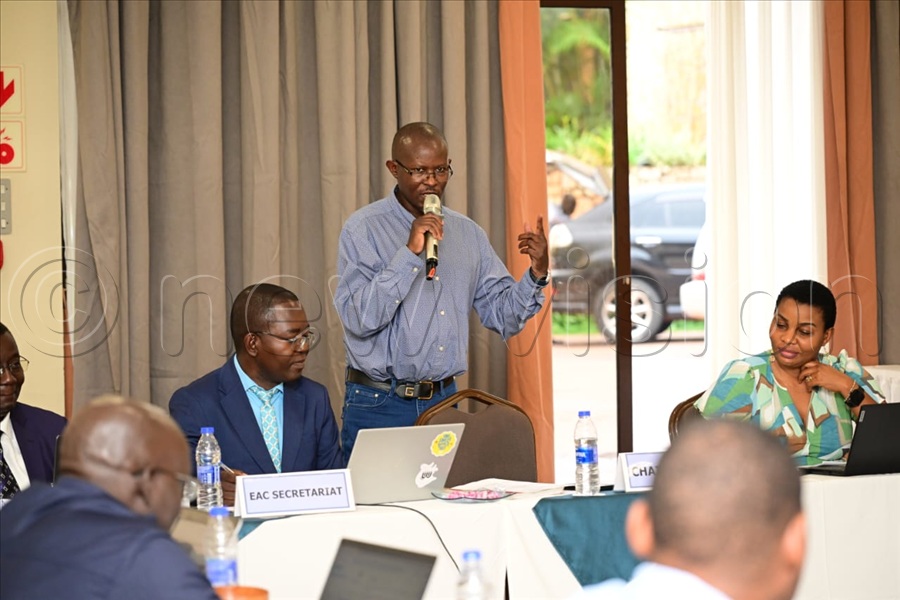
The write-shop was organised by the Association for Strengthening Agricultural Research in Eastern and Central Africa (ASARECA) and the EAC Secretariat, and funded by the European Union through IFAD under the CAADP-XP4 Programme.
Among the guests were the ASARECA executive director, Dr Sylvester Dickson Baguma, the Comprehensive Africa Agriculture Development Programme (CAADP) Coordinator, EAC, David Wafula, among others.
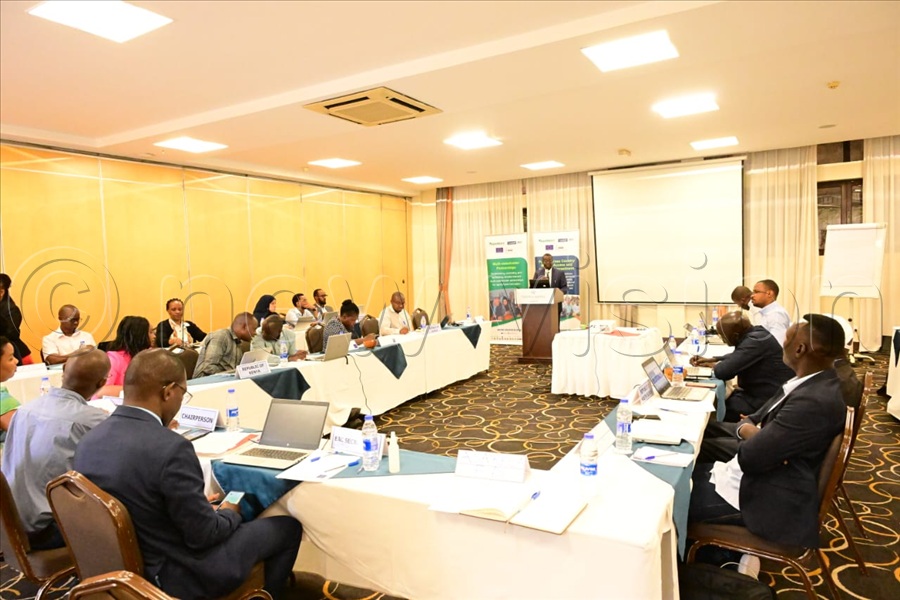
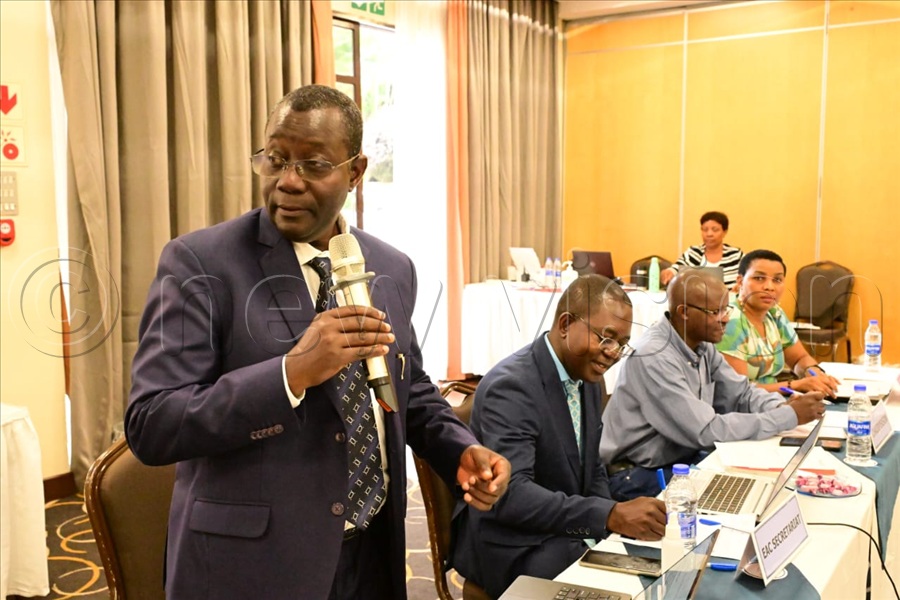
Terming their outcomes as core breakthroughs, the experts outlined specific high-risk pests being targeted for strict regional phytosanitary (health of plants and plant products) management as well as SOPs to ensure expediency, accountability and transparency at the border posts.
Avocado
During their ‘in-depth analysis’ of the avocado fruit, the experts categorised 118 associated pests, including 73 insects, 25 fungi, 11 nematodes, 4 bacteria, 2 viruses, and 1 alga.
Of these, according to the report, 24 fruit-associated pests with limited regional distribution underwent a detailed risk assessment, which considered the mode of introduction, establishment, spread, and economic impacts.

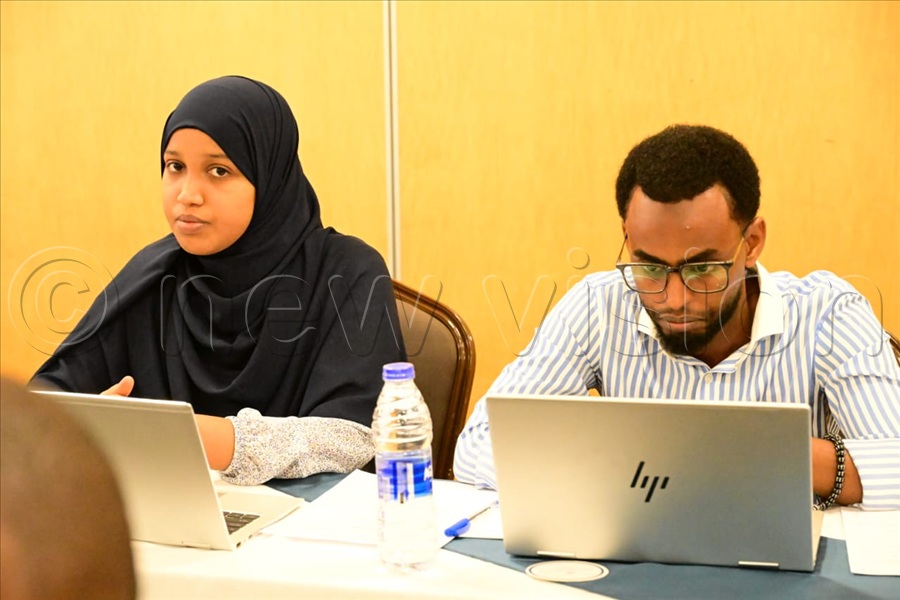
Six high-risk pests were identified as requiring strict regional phytosanitary management and mitigation measures to protect plant health and facilitate safe trade.
They include two fungi, Colletotrichum acutatum and Sclerotinia sclerotiorum and four insects including Ceratitis capitata, Ceroplastes rubens, Ferrisia virgata, and Planococcus citri.
The experts addressed phytosanitary risks associated with cross-border trade of avocado planting materials among member states to ease the movement of secure, certified avocado seed and planting materials.
Their analysis, according to the report, determined that nursery seedlings and grafted bud-wood (scions) pose a high risk due to latent invisible infections and a lack of uniform regional certification.
Initial screening evaluated 16 insects, six fungi, five oomycetes, three nematodes, two viroids, one bacterium, and one mite. Finally, 23 critical pests, including Avocado sunblotch viroid, various scale insects, mealybugs, and root pathogens, were categorised as requiring strict phytosanitary management.
Pineapple
The experts identified 61 pests associated with pineapples in East Africa. During their categorisation, 41 pests were selected for detailed risk assessment, ending with 21 specific pests, including bacteria, fungi, insects, a mollusc, and a virus designated for strict phytosanitary measures.
They identified several major threats, such as bacterial wilt (Dickeya chrysanthemi) and Phytophthora cinnamomi, as holding high risks for regional establishment and spread due to warm tropical climates, high reproductive potential, latent detection profiles, and informal trade pathways.

Groundnuts
The report indicated that groundnuts cover 2.5 to 3m hectares in the EAC, generating $1.2 to $1.5b annually, with grain comprising up to 90% of production. The report indicated that the EAC secretariat conducted a qualitative Pest Risk Analysis to standardise and facilitate regional groundnut (seed and grain) trade while protecting
against agricultural threats.
At least 15 high-risk pests were prioritised for phytosanitary regulation and management after being evaluated for their likelihood of introduction, establishment, spread, and potential to cause severe economic losses, such as post-harvest value reduction and aflatoxin contamination.
Soya bean seeds
Several potential quarantine pests likely to follow soybean seeds for planting and soybean grain for consumption pathways include seven fungi, two insects and seven viruses.
If introduced or further spread within the EAC region, the above pests were considered capable of causing significant impacts on soybean production, seed quality, trade, storage, and regional food security.

The experts proposed new guidelines to establish a rigorous, multi-layered inspection process to ensure safe trade for the soya bean.
They include verification of phytosanitary permits, certificates of origin, and analysis certificates to confirm consistency and consignment integrity, precise, statistically driven sampling intensities for all shipment sizes, ranging from small packages under
100 kg to bulk lots exceeding 20,000 kilograms.
Others are visual and laboratory checks targeting medium-to-high risk insects, viruses and fungi, plus looking for signs like frass, boring holes, mottling, and mold.


They recommended referrals of unidentifiable pathogens to accredited laboratories, and a definitive post-inspection decision matrix that leaves no room for ambiguity, mandating that shipments either be released, treated, rejected, re-exported or destroyed based on risk level.
On behalf of ASARECA, Baguma reminded delegates that their intense work would yield transformative economic tools rather than just technical paperwork.
“When completed and implemented, these outputs will contribute to improved enforcement of Sanitary and Phytosanitary (SPS) measures and harmonised inspection procedures, reduction of non-tariff barriers related to plant health, and increased cross-border trade,” he explained, adding that their work is about unlocking market opportunities for farmers, enhancing regional food security, and strengthening economic resilience.


He urged the experts to maintain a shared commitment to regional harmony over national differences.
On his side, Wafula stated that completing the framework fulfils the EAC Protocol on Sanitary and Phytosanitary (SPS) measures. “These Pest Risk Analyses provide the scientific basis necessary for identifying and evaluating pest risks associated with cross-border trade.”
________________________
Experts speak out