
Busoga youth hooked into fish farming
“I learned to budget for stock and feeds, keep financial records and estimate sales. I used the skills to make a business plan and to identify a market,” Wambi shares. Similarly, female trainees Kamuyat Tugane and Esther Nawandije learned to grade fish and build cages, and are now saving to launch.
Young farmers received start-up kits for fish farming.
When young farmers produce quality fish, access markets and generate sustainable incomes, it translates into economic progress for households and communities.
Kamuli district chairperson Kaloli Dhizaala recently lauded 68 young fish farmers in Kamuli and Jinja districts whose lives were transformed through aquaculture.
To launch their businesses, the youths received 120,000 fingerlings [young fish] and feeds. The start-up kits were procured through Cordaid Uganda’s “Strong Young People - Strong Companies” funding under the WeWork Green and Decent Jobs for Youth project.
Supported by the Belgian Government, Enabel, Rikolto, Kamos Agro Fish Farming Ltd and the Care and Empowerment of the Vulnerable in Action (CAEVA), the consortium trained the 68 youth in pond preparation, fingerling selection, water quality monitoring, harvesting and cage production over a period of four months.
“When young people learn to test water quality, calculate the right stocking levels and identify problems before fish are lost, they gain skills that have real value,” says CAEVA executive director Eric Biguyi.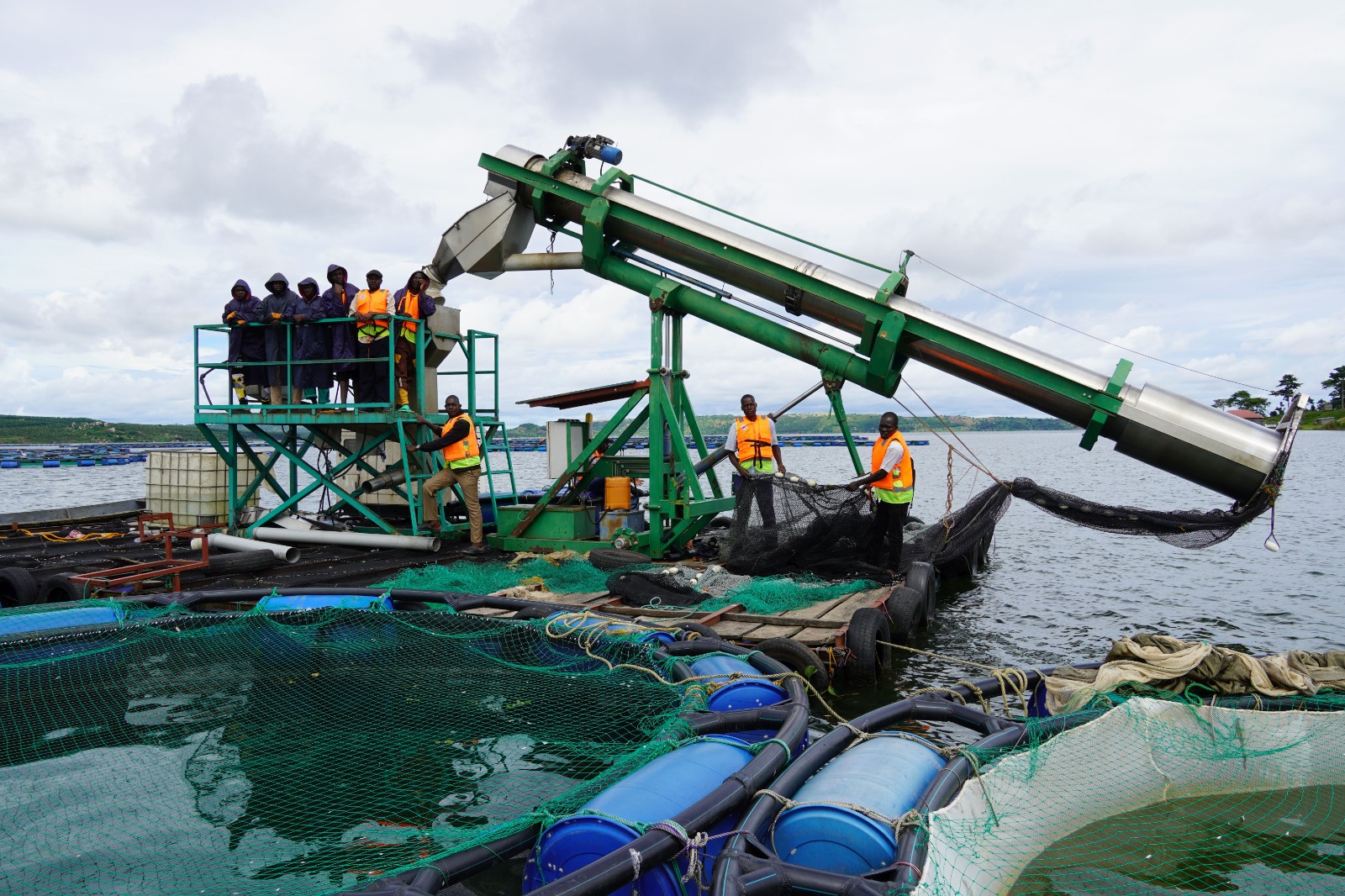
Significance
The hands-on experience prepares trainees for formal assessment by the Uganda Vocational and Technical Assessment Board, with 36 undergoing practical evaluations at ponds in Namwendwa and Masese.
Lincoln Opio, the programme manager at Cordaid Uganda, explains that the project allows supervisors to evaluate a trainee’s work ethic, stock handling and record-keeping on commercial farms.
“The first sale may be months away, but feed costs and keeping fish healthy start immediately,” Opio says.
He adds that the project mitigates initial hurdles by providing inputs and follow-up support. Four trainees were recently hired by the Masese Co-operative as fish feeders, while six others secured jobs at Kamos Agro Fish Farm.
“We expect 10 former trainees to be employed at Kamos by the end of 2026,” Opio adds.
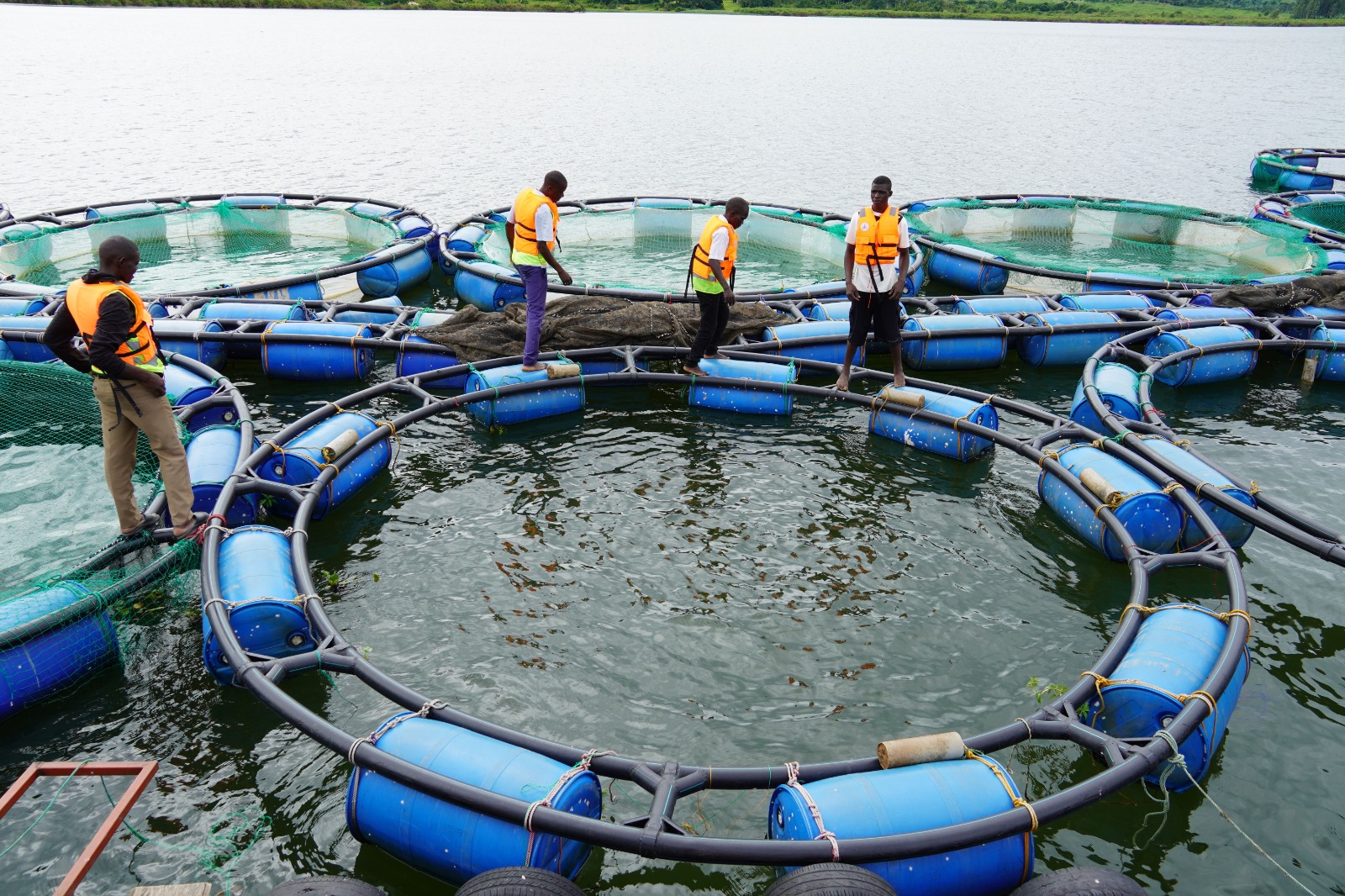
Trainee’s take
Joel Wambi, a trainee who struggled to earn a steady income from crop farming, commended the programme.
“I learned to budget for stock and feeds, keep financial records and estimate sales. I used the skills to make a business plan and to identify a market,” Wambi shares. Similarly, female trainees Kamuyat Tugane and Esther Nawandije learned to grade fish and build cages, and are now saving to launch.
Plans
The project targets 500 vulnerable youths across the fish, poultry and piggery sectors. It enforces strict gender equity and reserves 12% of its slots for persons living with disabilities. To ensure long-term viability, project co-ordinator RoseJoel Wambi, a trainee who struggled to earn a steady income from crop farming, commended the programme.
“I learned to budget for stock and feeds, keep financial records and estimate sales. I used the skills to make a business plan and to identify a market,” Wambi shares.
Namutebi says the team continuously guides farmers through harvest and market dynamics. Moving forward, the consortium aims to help young entrepreneurs access credit.