
Have a budget for your spending spree
Spending on Christmas is not a problem if you plan your money and have a budget. A budget also helps one avoid unnecessary expenses.
CHRISTMAS|BUDGET|SHOPPING
Experience is always the best teacher and January blues are real.
The unnecessary expenditures during the festive season tend to leave many people panting for breath as they renegade on their payment promises to the creditors and landlords, fail to afford the needed amenities, run into further debt and other embarrassing situations.
Somehow, they do not learn and the cycle continues the following festive season. But, Tim Abaho learnt his lesson.
He narrates a Christmas season where he spent so much money that he had nothing left for his rent, taxes, transport to work and food.
By the time of his next salary, he was sinking into debt.
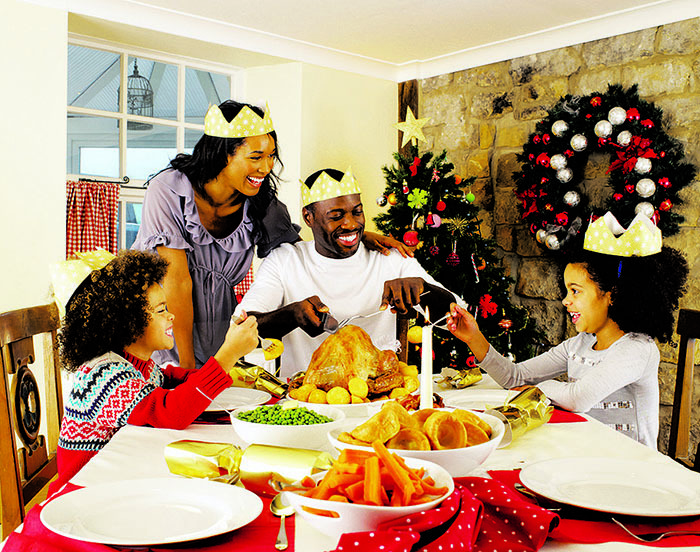
"It really hit me hard after that Christmas. I learnt my lesson and I always have two strategies. I always have a budget and avoid spending out of excitement," he says.
Spending on Christmas is not a problem if you plan your money and have a budget. A budget also helps one avoid unnecessary expenses.
True, such a season comes with the temptation of innovations, low prices, luring items and seasonal commodities. There are also gifts to give, travels, leisure and church dues.
Simon Wafubwa, the managing director of Enwealth Financial Services, says it is important to understand that December pay cheques are largely meant to take care of the January bills.
"It is unfortunate that many vibrant pleasure-driven people spend the entire paycheque within the last 10 days of the year.
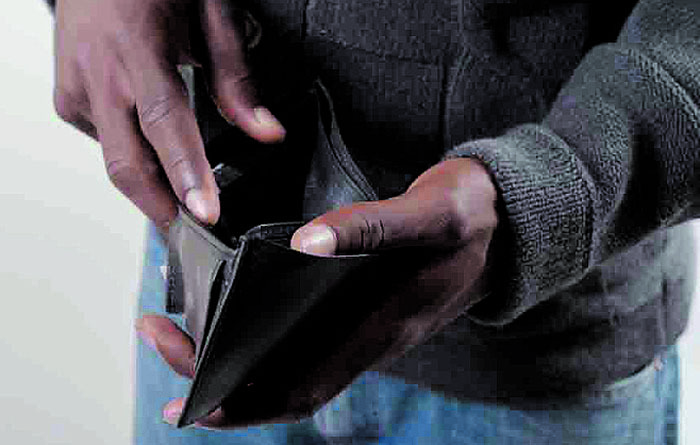
This leaves them with nothing for the January bills. Therefore, it is advisable that January bills be paid at the time of earning the December paycheque. Where discipline is an issue, standing order agreements can be made with the payees and saving companies," he says.
He adds that planning to spend on what is needed and not wanted helps one to keep within your limit.
Escape debt
On how to spend less, Wafubwa advises that people should do shopping according to a list and in bulk.
"Avoid peer pressure where one is coerced into attending everything they have been invited to. Also, do not take debts for consumption purposes," he says.
Wafubwa says where possible, buy items on a cash basis - no credit purchases or credit cards.

"Identify items that are absolutely necessary and dispense the rest. Watch out for offers/discounts, compare prices before making a purchase, create home-made gifts and pass on unwanted gifts," he explains.
At this time of the year, it may also be difficult to identify unnecessary expenditures.
But you should probably be looking out to avoid things like organising parties that you did not budget for, unnecessary travels, buying new decorations when you could use the ones you already have and spending less on relatives and friends.
During this time, one has to plan the amount for holiday spending and develop a savings plan for expected budget to spend in December.
Avoid the last-minute shopping rush; buy items earlier when the prices are quite fair and set travel limitations and costs based on your budget and make bookings early enough.
Prepare a budget and stick to it. Set priorities and review past mistakes; what went wrong last year and how can I avoid a repeat? He also says it helps to itemise how money is spent, track your spending and draw lessons for next year.
MONEY TIPS FOR CHRISTMAS:
Change your mental perspective
Most of the pressure felt around Christmas is the result of the societal expectation to have fun, give gifts and shop on instinct.
You need to stay away from mindless buying and giving.
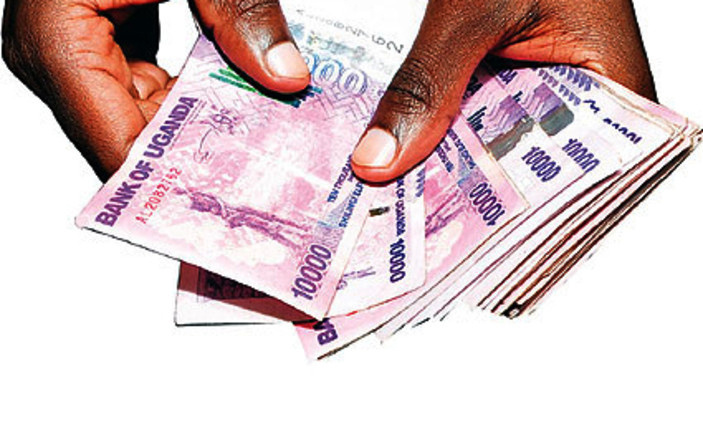
Make a list and check it twice
Make lists of the things you need for the festive season. It will help you plan your spending and keep you on track.
Begin with the must haves, food, then presents, entertainment expenditure and travel if you must.
Check your resources
Compare this with the money that you have. This will involve cancelling out some items according to your pecking order.
Improvise where you can and cut out the avoidables.
Reserve for incidentals
Make sure you leave 10% of your total spending as miscellaneous. It will cater for unexpected expenses such as sickness, car break down or any emergencies.
Scan online prices
Look for ways to save every shilling you can. There could also be Christmas offers and discounts, so you need to check out options on internet. Then compare with actual prices in shops. Things are often much cheaper online than in a shop.
Set a time limit on shopping
Get in, get it done and get out so you are not tempted to spend more than you want to.
Buy less expensive stuff first - If you buy larger and costlier items first you can lose perspective on what is a good price, so set your budget, buy small first, and then tackle the big stuff so you stick to your gift budget.
Be creative
Think outside the box and considering experiences as gifts. It could be movie or theatre tickets, travel or concert vouchers.
Since the majority of us have our physical needs covered, consider anything new as bonus that is dispensable.

Go for group gifts
If you find your list of gift recipients growing long—and over budget—consider going for group gifts instead.
This can mean getting together with a group of family members to buy one gift for someone and splitting the costs, or putting together a Secret Santa gift exchange, in which each participant is just giving to one other, instead of to all those in a family or at a gathering.
Start now
In the meantime, start planning for the next Christmas by learning from the mistakes of not stocking early, for example, starting to save now, looking out for shop sales and keeping what can be reused next Christmas.
Once Christmas is out of the way, consider the inconveniences you went through and learn from them to manage the financial consequences of next Christmas even more effectively!