
COVID-19: Crisis deepens in refugee camps
Uganda stands out in refugees’ hospitality, hosting over a million refugees in Africa.
HEALTH|COVID-19|REFUGEES
KYEGEGWA - Lack of facemasks, water and soap pushes COVID-19 infections' risk high in the refugee camps, the Kyegegwa district leaders have revealed.
They made the revelation ON Monday (December 14, 2020) during the dissemination of research findings code-named "Knowledge, adherence and the lived experiences of refugees in COVID-19: A comparative assessment of urban and rural refugee settings in Uganda", at Kyaka II refugee settlement in Kyegegwa district.
Sifa Mubalam, the women Councilor, said lack of essential items has prompted some refugees to stop adhering to the Standard Operating Procedures (SOPs) crafted by the Ministry of Health (MOH) to prevent the spread of COVID-19 pandemic.
"Each refugee was given only one mask and yet a person is supposed to wash it every day and reuse it. Sometimes the masks get torn," she explained.
Mubalam disclosed that some of the community members in the refugee settlement have not been consistently washing hands because they do not have enough water and soap.
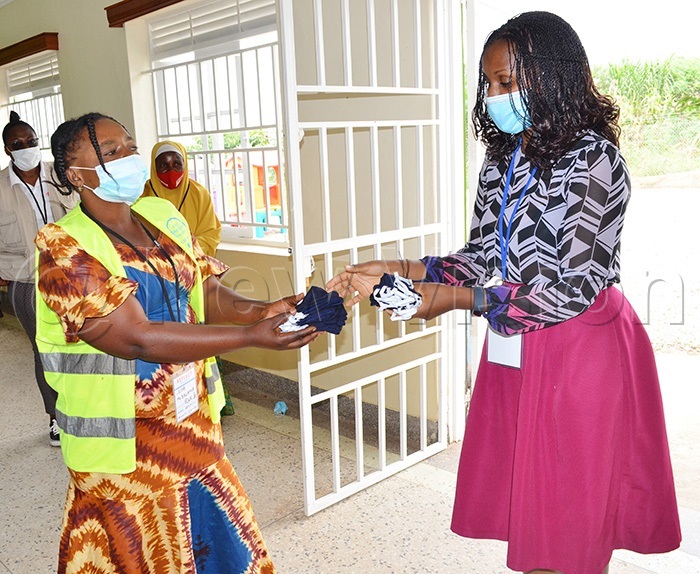
Amina Mukamana, one of the Village Health Team (VHT) leaders said police should enforce MOH SOPs because most refugees believe there is no COVID-19.
Uganda stands out in refugees' hospitality, hosting over a million refugees in Africa.
In March, this year, when President Museveni declared a lockdown due to Covid-19, the borders remained open for refugees.
However, groups of refugees entering the country received life-saving aid and protection, demonstrated through quarantines, health screenings and other measures to make sure those in the country did not have Covid-19.
Happy Peter Christopher, the speaker of Kyegegwa Sub County said ever since the lockdown restrictions were eased, refugees stopped following the COVID-19 guidelines like social distancing, wearing masks, sanitising or frequent washing of hands with soap.
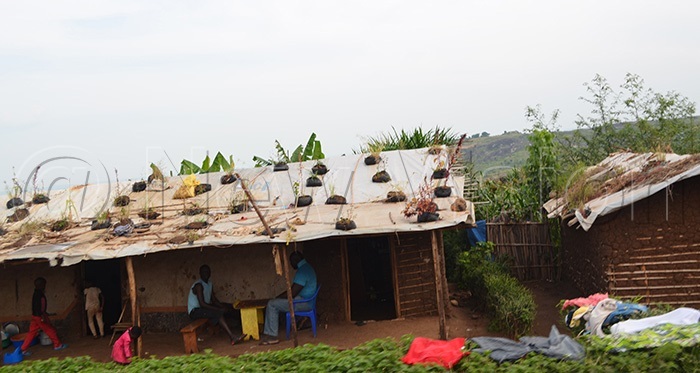
Patrick Nsengiyumba, one of Kyaka II residents, said, "We lack containers to store water fetched from far, and this limits most of the refugees to wash hands all the time."
He said a family has between 5 to 15 members.
Kyegegwa district assistant Resident District Commissioner Aldrine Jethro said they are disseminating information on MOH SOPs in order to mitigate the spread of the pandemic.
"As the COVID-19 district task force, we move from door to door to sensitise people on Covid-19," he disclosed.
Study findings
The study entitled Refugee Lived Experiences, Compliance and Thinking (REFLECT) that was conducted in various refugee settlements including Kisenyi, Kampala, Kyaka II in Kyegegwa, and eleven Adjumani Refugee settlements in West Nile, revealed that majority of the refugee community members are well informed about COVID-19, although up to 40% were found to have knowledge gaps on the nature, transmission, symptoms and dangers of COVID-19.
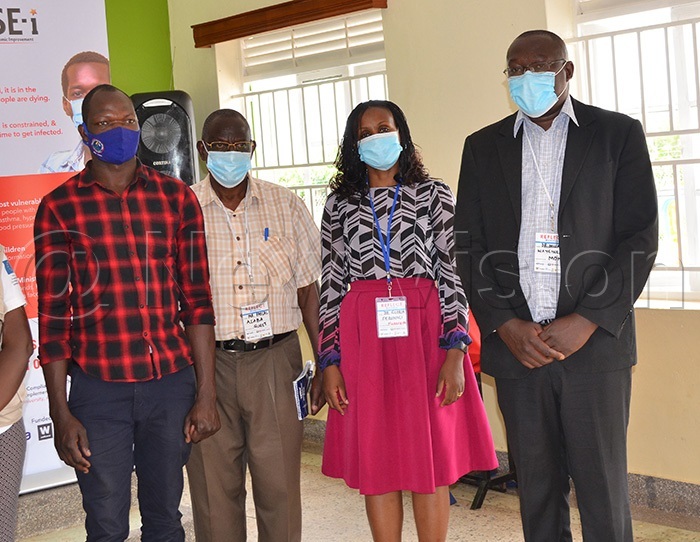
Presenting the findings, the principal investigator of the study Dr Gloria Seruwagi highlighted that there was a mismatch between the high knowledge levels and levels of compliance with the recommended COVID-19 preventive measures.
Most refugees were not fully complying with government measures despite their knowledge.
At least a total number 2,092 refugees participated in the study which was conducted by Makerere University, Gulu University, Lutheran World Federation (LWF) Agency for Cooperation and Research in Development (ACORD) ministry of health and National Association of Social Workers of Uganda, was funded Research for Health in Humanitarian Crises supported by UKAID, Wellcome and National Institute for Health Research (NIHR).
The study also revealed that compliance levels had declined over time, unfortunately coinciding with an increasing number of COVID-19 cases and deaths.
Enforcement of guidelines was also found to be on the decline, although the declining trend was not as steep as the observed non-compliance.
The study further highlighted that inappropriate use of masks was found in some of the study sites, including sharing of masks, and only wearing them when the refugees meet police.
Culture and deeply entrenched socio-cultural norms remain a key barrier to compliance among refugee communities.
The study recommended that leaders, implementers and enforcers of COVID-19 guidelines should be consistent and walk the talk. More profiling of COVID-19 trends and cases should be undertaken for behavioral change impact and local leaders, cultural leaders and grassroots organisations should be recognised and engaged more in behavioral change campaigns.
Dr Misaki Wayengera the Chair of Scientific Advisory Committee Ministry of Health National Task Force said, "People need to appreciate that wearing a mask or washing hands with soap and social distancing does not stop them from working, they must understand that this is a new normal for us and we have to work within this framework until we have a vaccine."