
Young people living with HIV launch the 4th Y+ Summit
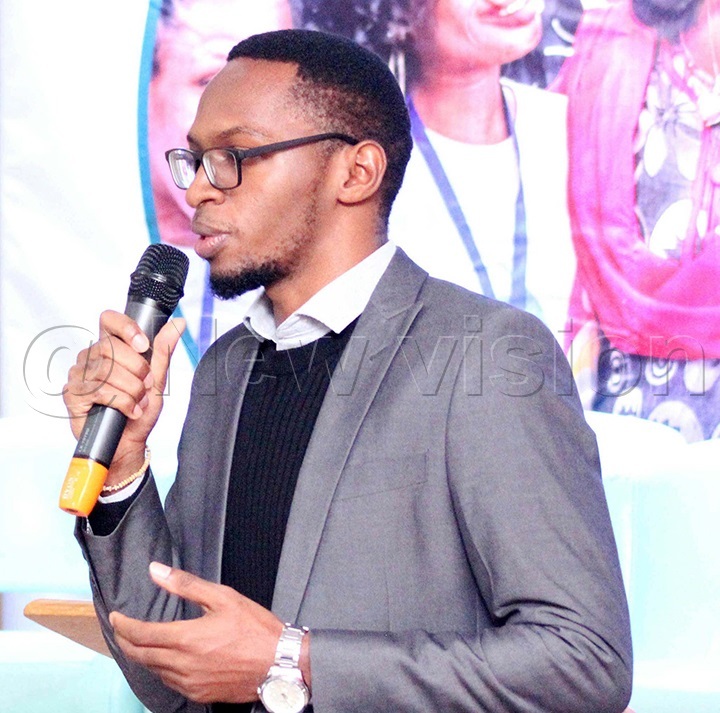
Nicholas Niwagaba, UNYPA executive director, says the theme is intended to define a young person living with HIV as a formidable leader who lives a positive and productive life.
HEALTH | HIV/ AIDS
All the concertation is on COVID-19 since its emergence in December 2019, almost sending the HIV/ AIDS epidemic into oblivion. But the struggle to fight the HIV pandemic continues this time around being led by young people living with HIV.
If you have been following events, you will agree that for the past three years, HIV positive young people in Uganda have been dynamic in the way they work.
Structured under Uganda Network of Young People Living with HIV/AIDS (UNYPA), these young people have been doing things uniquely.
The contest, dubbed "The Y+ Beauty pageant" is a case in point, where they celebrate beauty with zero discrimination and they are currently at the top of this game.
Recently, UNYPA launched the 4th Y+ Summit in Kampala under the theme, "Changing the narrative for young people living with HIV 2020."
The Y+ summit is an annual assembly which precedes the Y+ Beauty pageant, and it is aimed at fighting stigma against young people affected and infected with HIV and AIDS.

Nicholas Niwagaba, UNYPA executive director, says the theme is intended to define a young person living with HIV as a formidable leader who lives a positive and productive life.
"Some people define an HIV positive person by his positive status, which is wrong. He is able to contribute and build the economy inspite of his positive status. In some communities, like in Karamoja, some parents still believe young HIV positive people should not go to school, believing they can die anytime. This is deplorable," he says.
Niwagaba says these misconceptions are not heard of here in Kampala but they still happen in some rural communities, the reason they are changing the narrative to say that young people living with HIV are employable, can go to school, can be advocates and they can be leaders in the community.
He says the Y+ summit is a safe space for people living with HIV to participate in activities that help them to gain skills, information and knowledge on how to overcome the barriers that limit them from developing due to their HIV status.
The three days assembly attracted young people living with HIV from over 30 districts who are peer leaders in their communities and clinics, front liners of service delivery, Y+ ambassadors, HIV/SRHR youth champions and advocates.
Since its inception in 2017, the Y Plus summit has brought together over 500 young people living with HIV.
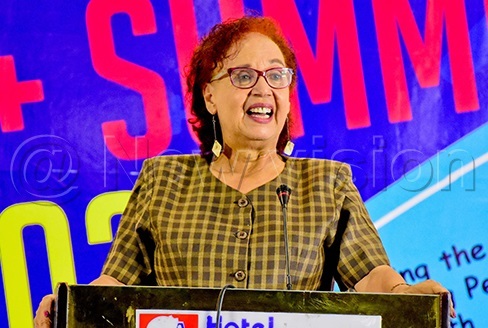
Dr. Maggie Kigozi, the guest of honour said: "While they are living with HIV, we need to recognize they are heroes."
She said she was impressed by their firm resolution to die of old age and not AIDS.
She encouraged them not to underestimate the cost of health, saying, "No one can be rich without good health. Your life is in your hands and so is your health if you want to live."
Amy Cummingham the Country Coordinator President's Emergency Plan for AIDS Relief (PEPFAR) said PEPFAR has supported Uganda for the last 17 years (along with Global Fund, the GOU and civil society) to end the HIV epidemic, with contribution of over sh1.471 trillion.
"Next year alone, we will provide nearly sh150 trillion for HIV prevention, care and treatment. We are nearing epidemic control with only approximately 100,000 individuals left to find which is great news. The main focus for the US government is retaining the 1.2 million HIV positive people on treatment and averting new infections," she said.
She hailed the government of Uganda for stepping up to meet the challenge for sustainability, noting this year they have committed to nearly sh191.3 trillion for HIV commodities and ARV medicines.
She applauded the Ministry of Health and communities for taking strong steps to ensure sustainability as US government resources begin to decline.
She also revealed that this year and next year ( 2020/2021) the US government will support an independent community led monitoring program - led by Uganda civil society groups - and youth like UNYPA, directing more than 70% of their resources to Ugandan institutions, faith and non-governmental groups, government and parastatal.
"We will work closely with the government of Uganda to ensure the major health systems needed to end the epidemic and sustain the HIV response are powerful," she said.
Elaborating on this year's theme, Cummingham observed that most of them are too young to remember the deaths on a daily basis, the fear from not knowing.
"It was a lot like what we are experiencing now with COVID-19. People were ignorant, science was catching up and people living with HIV back then struggled. Thanks to them, and thanks all of you - who are part of the NEW generation of HOPE and HEALTH - you are changing that narrative every day," she said.
Adding," Today we understand the disease, we know how to prevent it, we know how to treat it, we know how to have relationships without passing it on, we know how to have babies without passing it on, and ultimately, we know how to truly live with it. We are hopeful, we live life …. We are life."
She advised that everybody needs to help young people set the shame, fear and stigma aside, making it part of the past and work to rewrite the story of today and the future, which story should be of living---growing up healthy.
"With a suppressed viral load, experiencing the joy and wonder of being a child, finishing school, fulfilling careers, delving into honest and meaningful relationships with others leading to lifelong partnerships, marriage, and healthy families," she said.
She adds that: This should be the new narrative for every young person living with HIV…but it is up to all of us to make that narrative the safe celebration of life that should be.