
Why Museveni triumphed in Buganda
Data shows that while the National Unity Platform (NUP) candidate Robert Kyagulanyi remained strong in several urban areas, his overall support declined, even as Museveni posted gains in many of the same districts.
President Museveni (second-left) with NRM MPs-elect; Judith Nabakooba, the Mityana District Woman MP (left); Haruna Kasolo of Kyotera County (second-right) and Muhamad Kibedi Nsegumire of Mityana County North. This was during a rally in Mityana on December 17, last year. (Credit: Emma Ssekago)
KAMPALA - President Yoweri Museveni registered a marked improvement in his electoral performance across Buganda and parts of eastern Uganda in the 2026 general election, reversing losses recorded in 2021, according to a comparative analysis of district-level results.
Data shows that while the National Unity Platform (NUP) candidate Robert Kyagulanyi remained strong in several urban areas, his overall support declined, even as Museveni posted gains in many of the same districts.
Political analysts and party officials attribute the shift to government programmes, campaign strategy, grassroots mobilisation and divisions within the opposition.
Across 13 districts where Kyagulanyi had a strong showing in the 2021 elections, his performance declined by an average of 12.567% in 2026.
Over the same areas, Museveni improved his performance by an average of 12.224%, winning back support in 10 Buganda-leaning districts and three districts in eastern Uganda of Jinja, Mbale and Mayuge.
The figures suggest a significant shift in voting patterns in a region that had posed one of the stiffest challenges to the ruling National Resistance Movement (NRM) in the previous election cycle.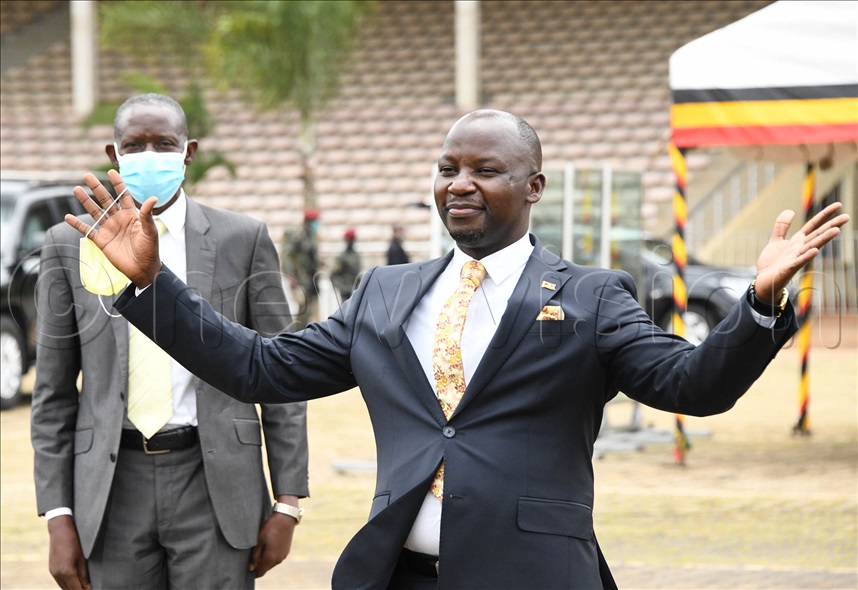
Kiwanda: NCF chairperson.
NRM’s lens
National Resistance Movement (NRM) officials credit the improved performance to organisation, messaging and resources. Godfrey Kiwanda Ssuubi, the chairperson of the National Consultative Forum (NCF), cited the party’s grassroots structures from the lowest local council upwards, and the party’s ability to fully resource the campaign. NRM director of communication Emmanuel Dombo said the results reflected voter disappointment with opposition promises.
“It’s a statement that people of Buganda are tired. Someone came and promised them heaven, he did not get them heaven. People want better services, and they decided to vote for the leaders who deliver,” Dombo said.
NRM secretary general Richard Todwong said the party was encouraged by gains in areas previously considered opposition strongholds.
Opposition gaps
Makerere University political analyst Prof. Ndebesa Mwambutsya attributed Museveni’s gains partly to targeted interventions on local issues and to weaknesses within the opposition.
“This time around, President Museveni ensured that people with land issues were addressed and outstanding pledges were addressed. This contributed to the support he got,” Ndebesa said.
On the opposition, he said they were divided and likened them to grasshoppers placed on a calabash, which end up turning on each other.
Political and security analyst Charles Rwomushana echoed similar views, arguing that Museveni’s message resonated with voters because it was tied to specific programmes.
“Museveni remains endeared to many Ugandans because of programmes such as the PDM, which directly relate to the people. He acknowledges that there is a problem, proposes a solution, and takes time to explain it,” Rwomushana said.
He contrasted this with what he described as a lack of coherence in the opposition, saying there was no organised group mobilising the population around clear issues.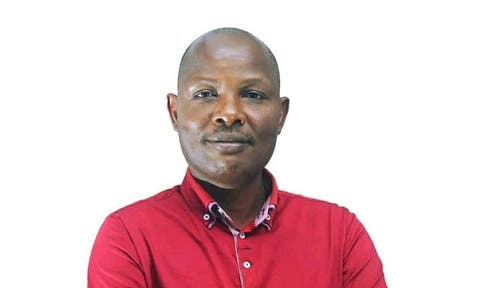
Rwomushana: Political analyst
District by district shifts
In several districts, Kyagulanyi still led Museveni in absolute vote totals in 2026, but with reduced margins compared to 2021.
In Mukono, Kyagulanyi obtained 58,972 votes, representing 65%, while Museveni garnered 30,168 votes, or 33.25%.
This was, however, a sharp drop from 2021, when Kyagulanyi secured 71.98% and Museveni 25.71 % in the same district. In Kayunga, the race tightened considerably.
Kyagulanyi received 30,363 votes (49.82%), narrowly ahead of Museveni’s 29,560 votes (48.50%). In 2021, Kyagulanyi had won Kayunga with 62.60% against Museveni’s 35%. Other districts saw Museveni overtake Kyagulanyi.
In Buvuma, Museveni won with 8,831 votes (54.77%) compared to Kyagulanyi’s 6,958 votes (43.16%), reversing a 2021 outcome where Kyagulanyi garnered 64.45%.
In Kiboga, Museveni secured 30,264 votes (62.19%) against Kyagulanyi’s 17,985 votes (36.96%), an improvement from the near tie in 2021. Similar trends were recorded in Bukomansimbi, Butambala, Kalungu and Kyotera, where Kyagulanyi maintained ranges in some cases but with notable declines, while Museveni narrowed the gap or improved substantially.
Urban centres remained more favourable to Kyagulanyi, though even there his margins shrank. In Masaka city, Kyagulanyi won 31,166 votes (64.68%) against Museveni’s 15,936 votes (33.07%), compared to a commanding 77.18% in 2021.
In Jinja city, Kyagulanyi led with 58.49%, down from 64.31% he recorded in 2021, while Museveni improved from 31.04% to 38.73%.
In Mbale city, Museveni overtook Kyagulanyi, securing 33,022 votes (49.77%) against Kyagulanyi’s 24,541 votes (36.99%), reversing a 2021 result where Kyagulanyi had led with 56.08%.
In Mayuge, Kyagulanyi narrowly led with 50.31%, but Museveni closed the gap to 47.72%, improving on his 2021 performance.
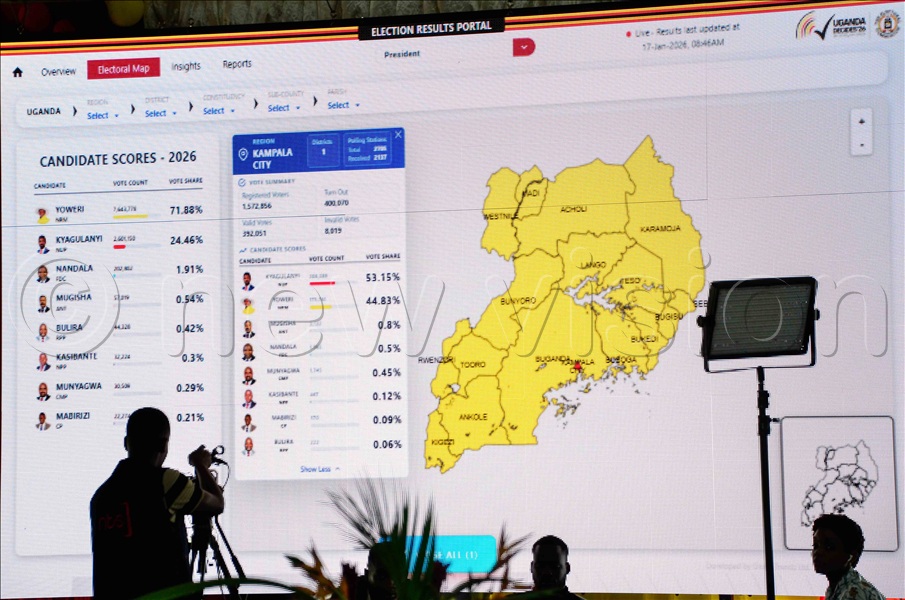
A comparison of results from 2021 and 2026 shows consistent declines for Kyagulanyi and corresponding improvements for Museveni across most districts.
Overall trends
A comparison of results from 2021 and 2026 shows consistent declines for Kyagulanyi and corresponding improvements for Museveni across most districts.
In Mpigi, Kyagulanyi’s support fell by 15.67%, while Museveni’s increased by 16.28%.
In Buvuma, Kyagulanyi declined by 21.29% as Museveni improved by 22.41%.
Overall, Museveni improved his performance by an average of about 7.48% in the 10 Buganda districts analysed and by even higher margins in the three eastern districts at 13.59%.
Kyagulanyi declined by an average of 9.37% in the eastern districts and by double-digit margins in most Buganda districts.
Analysts weigh in
Timothy Chemonges, a legislative and parliamentary affairs expert from Centre for Policy Analysis, said for the President and the NRM in general, there has been a deliberate effort to actively engage the electorate and to deliver on services, thus regaining support.
“However, some issues remain unclear regarding the level of support, especially with several parliamentary seats still highly contested. Despite this, the NRM has made a conscious and sustained effort to woo back the Buganda region and consolidate its support base there,” he said.
Prof. George Ladaah Openjuru said the improvement in Museveni’s performance reflects growing acceptance of the Government’s message on development and stability with more people believing in the gains he is talking about; the fight against poverty, the infrastructure development, including the many kilometres of roads he has done.