
Mukono, Kayunga voters demand roads, jobs, as service delivery gaps persist
“We also want the Government to support Mukono in addressing the problem of garbage and, more importantly, to help in ensuring garbage value addition. If the President supports us with what is needed to add value to garbage, it would be beneficial because the town is littered with filth,” Wamala said.
Mukono, Kayunga voters demand roads, jobs, as service delivery gaps persist
CITIZENS’ NEEDS
With a combined population of over 1.3 million people, according to the 2024 National Population and Housing Census, Mukono and Kayunga districts, like other local governments, are grappling with a litany of challenges in service delivery.
According to voters, civil and political authorities in the two Buganda districts are struggling with issues across sectors such as education, health, road network and transport, agriculture and food security.
Other concerns include water and sanitation, employment, poverty, land management, business and economic issues, environment and domestic confl icts.
“We still have unemployment challenges, especially among the youth. We have about 150 acres of land at Nampanyi near Isimba Hydropower Project in Busana sub-county, Kayunga district. The Government bought it and set up industries to provide employment for our people,” David Mubyaliwo, the Busana town council LCIII chairperson, said.
Mubyaliwo said there is a need for a technical institute to ensure that school dropouts can enrol and realise their potential.
“Some places are not yet connected to the national electricity grid in Kayunga district, including Busana town council and sub-county, as well as villages such as Kawuku, Wampologoma, Lusenke and Kayonjo,” he said.
Mubyaliwo added that as new town councils, they do not have road funds to support maintenance and the opening up of new roads.
“As Busana town council, we also need a well-constructed market to cater for our women and other traders. The market we have has temporary structures, which are unfit for a town council,” he said.
Mubyaliwo said despite the challenges, they have registered positive strides, including the extension of electricity to more villages through the Rural Electrifi cation Agency.
“We have piped water from the River Nile. This project was completed three years ago and serves about 980 households,” Mubyaliwo said.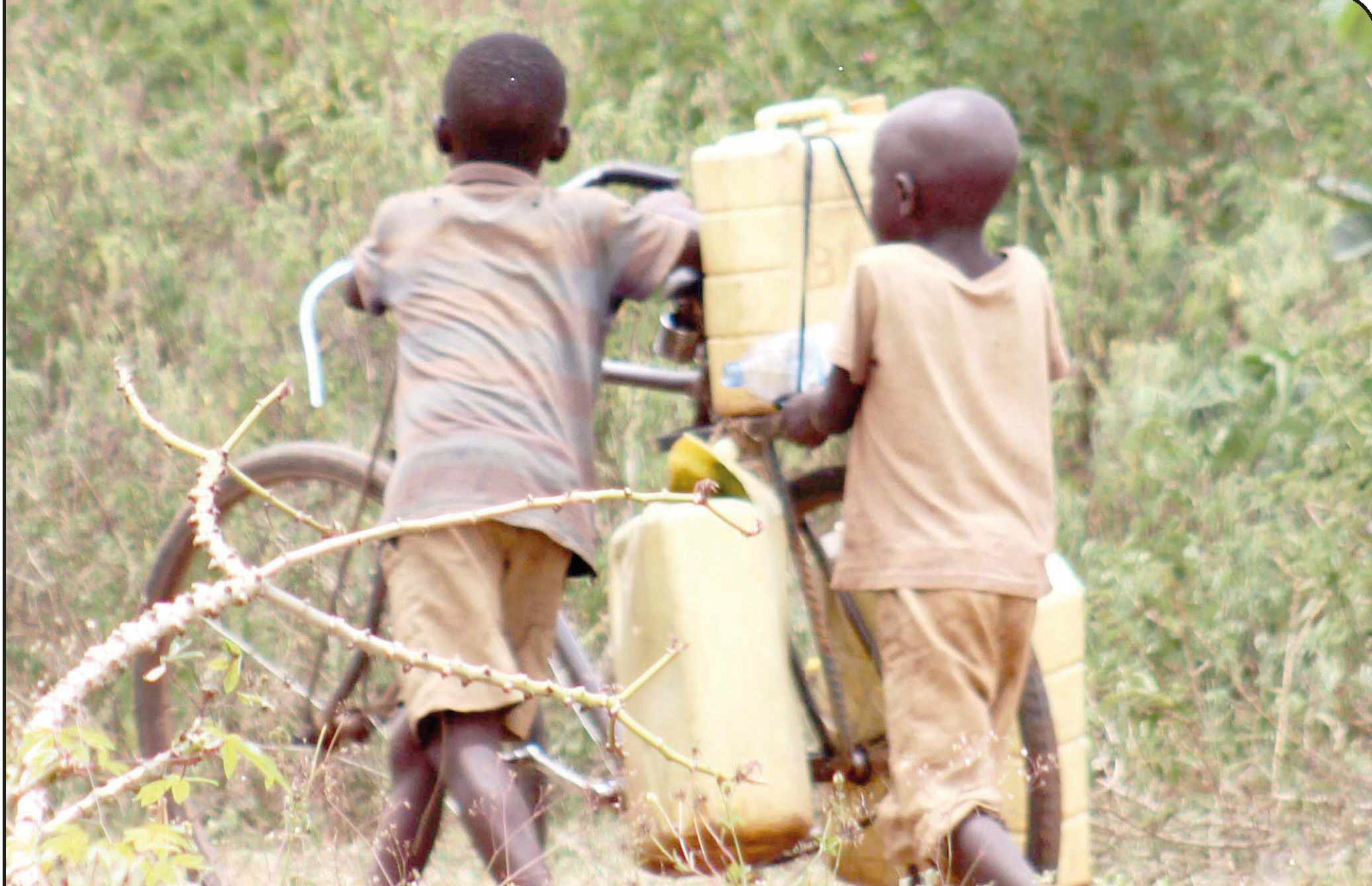
Water scarcity persists in Mukono and Kayunga as residents trek long distances, highlighting an urgent need for safe, reliable water services.
Moses Wambete, a resident of Namutya village in Namunsala parish, Busana sub-county, said the key challenge they face is roads.
“We have a murram road from Wampologoma-Mutukula-Bumali-Namusala?Masembe-Namutya-Busenke farm that needs rehabilitation because it connects us to the Kayunga-Kamuli tarmac road,” Wambete said.
He added that the road from Nabuganyi-Namatogonya?Masembe-Namusala-Isaka also needs to be worked on.
“Currently, the road is impassable since Kabumbuzi bridge was swept away by floods. The bridge connects Busana sub-county to Kitimbwa sub-county,” he said.
He thanked the Government for constructing a number of schools, noting that his parish boasts four schools: Namusala Church of Uganda Primary School, Namusala Roman Catholic Primary School, Namutya Church of Uganda and Kisaka Parents School.
“However, they lack enough teachers and staff quarters. We request the Government to construct a technical school in our parish since the nearest one is far away. Fortunately, we have abundant land where it can be set up,” he said.
Mukono is one of the oldest districts in Uganda. At independence in 1962, it was part of Buganda, but with the abolition of kingdoms in 1967, it became one of the districts carved out of the Buganda kingdom and was named East Mengo.
In 1974, it was renamed Kyaggwe district, and in 1980 it became Mukono district. The district is bordered by Jinja to the east, Kayunga to the north, Luwero and Wakiso to the west and Kampala to the south.
Through parliamentary legislation, Mukono was split in 2000 to create Kayunga and Buvuma districts. Kayunga is bordered by Amolatar to the north, Buyende to the northeast, Kamuli to the east, Jinja to the southeast, Buikwe to the south, Mukono to the southwest, Luwero to the west and Nakasongola to the northwest.
The district is one of the cosmopolitan districts of Buganda. Both Mukono and Kayunga are known for their agricultural potential, with crops such as coffee, bananas, maize and cassava widely grown.
However, Agnes Namugambe, one of the farmers in Mukono, said the state of roads in the district challenges their efforts to access markets.
“Due to the bad roads, it is sometimes hard to get our produce to the market on time. It appears as though the Government has forgotten about us,” she said.
Dr Sarah Daisy Ssonko, the NRM party flag-bearer for the Mukono Woman MP seat, said Mukono, especially the municipality, needs a modern market.
Ssonko said she would use the opportunity to ask the party candidate, President Yoweri Museveni, to provide a modern market.
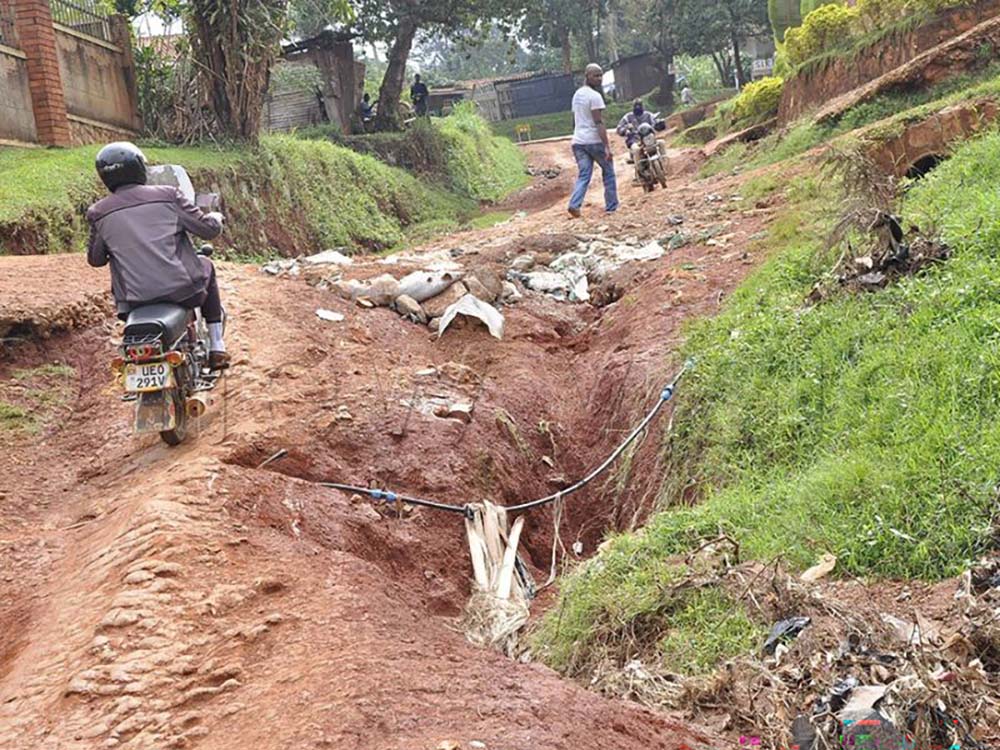
According to voters, civil and political authorities in the two Buganda districts are struggling with issues across sectors such as education, health, road network and transport, agriculture and food security.
The President, on his re-election bid, will campaign in Mukono and Kayunga districts tomorrow, ahead of other campaign rallies in Buikwe and Buvuma on Saturday.
“Mukono has for a long time been asking for a modern market, but because of bickering among district leaders, they have not obtained one, yet places that are just developing, such as Lugazi, already have modern markets and their vendors are happy,” Ssonko said.
“The market leaks whenever it rains, and vendors have nowhere to store their merchandise because of limited space,” she added.
Ssonko said she would also ask the President to commit more support to Mukono in order to improve the road network in the district.
She cited the need to expand the Kampala-Jinja Highway to help address traffic congestion not only in Mukono municipality, but also along the corridor.
Currently, the Government is in advanced stages of implementing the Jinja-Kampala Expressway as part of efforts to decongest the road and ease mobility to the eastern part of the country and to the major regional market of Kenya.
“We also want to see improvement in health services in areas around the lake, such as Koome, by ensuring that health facilities are well equipped with enough medicine, sick beds and medical workers,” she said.
NRM leaders in Mukono, including John Baptist Wamala, the party chairperson for Mukono municipality and Haji Haruna Ssemakula, the district party boss, asked the Government to set up another seed secondary school in Mukono municipality, given that the only one available is congested.
“We also want the Government to support Mukono in addressing the problem of garbage and, more importantly, to help in ensuring garbage value addition. If the President supports us with what is needed to add value to garbage, it would be beneficial because the town is littered with filth,” Wamala said.
Hannington Tamale Kabugo, a resident of Goma sub-county, said the sub-county should be assisted to streamline healthcare services.
“We have two public health facilities in the sub-county, and they are strained because they serve people beyond Mukono, including residents from Kira municipality in Wakiso district,” Kabugo said.
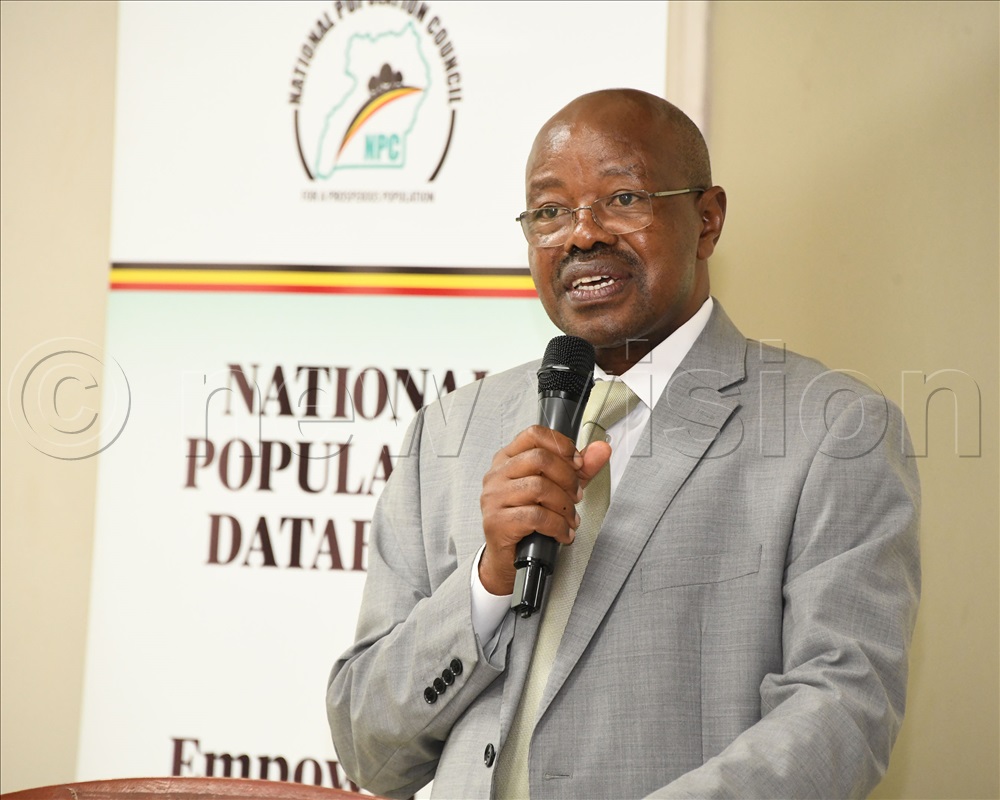
Minister Amos Lugoloobi
He said they want health facilities to be well-equipped to ensure that expectant mothers are not referred to Mulago Hospital due to lack of medical personnel and delivery beds. He added that health centres should be upgraded in the next term.
Kabugo, who is also contesting for the Goma LCIII seat, further asked the Government to strengthen education services by recruiting enough teachers in schools.
On water, he asked the Government to ensure that the sub-county gets clean and safe water to address the problem of waterborne diseases.
He also wants the Government to establish an elderly care facility for older persons without adequate support, in addition to strengthening security to address persistent theft and other crimes.
Manifesto
The voters’ concerns in Mukono, Kayunga and Buganda are also refl ected in the New Vision Citizens Manifesto conducted between March and May 2025, where prospective voters highlighted key bottlenecks undermining service delivery in healthcare, security, roads infrastructure, water and sanitation, poverty, unemployment, power connectivity, education, agricultural services, land management, crime and leadership, among others.
For instance, only about 16.8% of respondents in Mukono endorsed the state of health services, while in the education sector, more than 89% believe that improvements are needed.
Only 19.1% of respondents approved the state of roads and transport, while more than 80% suggested that more needs to be done.
Over 87% of respondents disclosed that poverty was still widespread in the district despite government anti-Poverty programmes aimed at ensuring prosperity for all.
To ensure a national outlook, the Citizens’ Manifesto and Opinion Poll survey involved 6,006 respondents from 58 districts across 17 sub-regions. The respondents were randomly sampled from both rural and urban settings.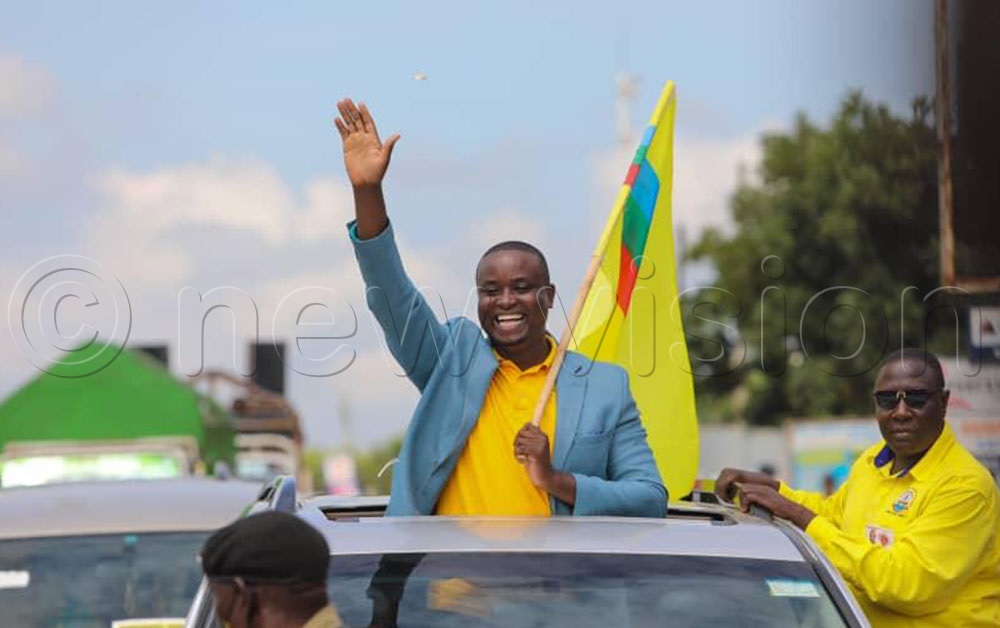
Andrew Muwonge
What others say
Amos Lugoloobi, State minister for planning
President Museveni needs to intensify the war on poverty by addressing low-income levels through commercialising agriculture and industrialising Kayunga district to attract investors.
Andrew Muwonge, Kayunga LC5 chairperson
All presidential pledges made during the last elections have been fulfilled. These include upgrading Kayunga district hospital to a regional referral hospital, tarmacking the Kayunga-Busana road and tarmacking the Kayunga-Bbaale-Galiraya road, which is 89km.
Solome Nalule Mutyaba, LC1 chairperson, Kakaliro Cell, Kayunga Town Council
The President should allocate a monthly salary of at least sh100,000 to all LC1 chairpersons across the country.
Mikidad Mulimira, Resident
I appreciate the Government and President Yoweri Museveni for the many roads constructed and under construction in the Kampala Metropolitan Area.
Umar Sesebuyungo, resident
Security agencies should ensure safety for all during the electioneering period and on polling day.
Abdul Kamanzi, resident
Leaders should present issues related to roads, water, education and markets to the President.
What the experts say
Stephen Ssemutumba, a youth empowerment champion, said the Government should prioritise skills training in its livelihood programmes for beneficiaries, especially young people, to fully maximise available opportunities.
Ssemutumba, who is also the executive director of Kayunga-based Butakoola Village Association for Development, said many young people are not effectively utilising government initiatives because they lack practical skills. Programmes such as the Parish Development Model (PDM) and Emyooga, he said, would have greater impact if beneficiaries possessed hands-on skills.
“We need to skill the youth so that they become productive instead of loitering. When young people acquire skills, they can secure jobs or create their own employment. Skilled youth are also better positioned to embrace government programmes such as PDM and Emyooga in a constructive and sustainable way,” Ssemutumba said.
He added that skills such as mechanics, carpentry, tailoring and other vocational trades would offer tangible employment opportunities and quick income. “We conducted research and discovered that many youth had dropped out of school without acquiring any skills.
Our new approach is to empower them with practical skills so that they are able to fend for themselves. Our appeal is for proper guidance so they can take advantage of well-intentioned government programmes,” Ssemutumba said.
Isha Katwesige, assistant commissioner for forestry at the Ministry of Water and Environment, said there is a need for capacity building in rural and peri-urban areas such as Mukono and Kayunga, where communities can learn sustainable forest management practices.
He said empowering these communities would allow them to replicate successful practices in western Uganda and ensure a steady supply of renewable energy.
“In Uganda’s western region, households are adopting sustainable energy approaches by planting wood banks or woodlots on their land. This allows reliance on renewable energy sources, reduces pressure on natural forests and promotes self-sufficiency in fuel wood, timber and other wood products,” Katwesige said.
He urged authorities to regulate the charcoal and firewood trade and ensure that products are sourced sustainably.
“Before issuing trading licences, authorities should verify that vendors have clearance from the district of origin or the line ministry confirming that supplies are sustainably sourced,” he said.
Additional reporting by Charles Jjuko