
Late starts, low turnout mark Rubaga division mayoral poll
Election officials were seen actively guiding voters, helping them identify their polling stations and directing them to the correct ballot boxes to avoid errors.
A voter casting a ballot during the municipality, city division chairpersons and councillors’ elections. This was at Kampala University polling centre, Mutundwe, Kampala, on January 27, 2026. (Credit: Lawrence Mulondo)
KAMPALA - Polling in Rubaga Division opened under a cloud of uncertainty and quiet frustration on Wednesday as several polling stations failed to begin on time due to low voter turnout, leaving election officials and candidates worried about public confidence in the electoral process.
Across the division, voters arrived periodically, some hopeful, others visibly impatient, only to be told they had to wait until at least ten voters gathered to witness the official unboxing of polling materials, as required by electoral guidelines.
Many did not stay long enough. By midmorning, the slow start had already set the tone for an election day marked by empty queues, long silences, and growing concern.
At Younger Playground polling centre at Lungujja parish, which hosts seven polling stations, polling officers and materials arrived as early as 6:00am, raising expectations of a smooth start.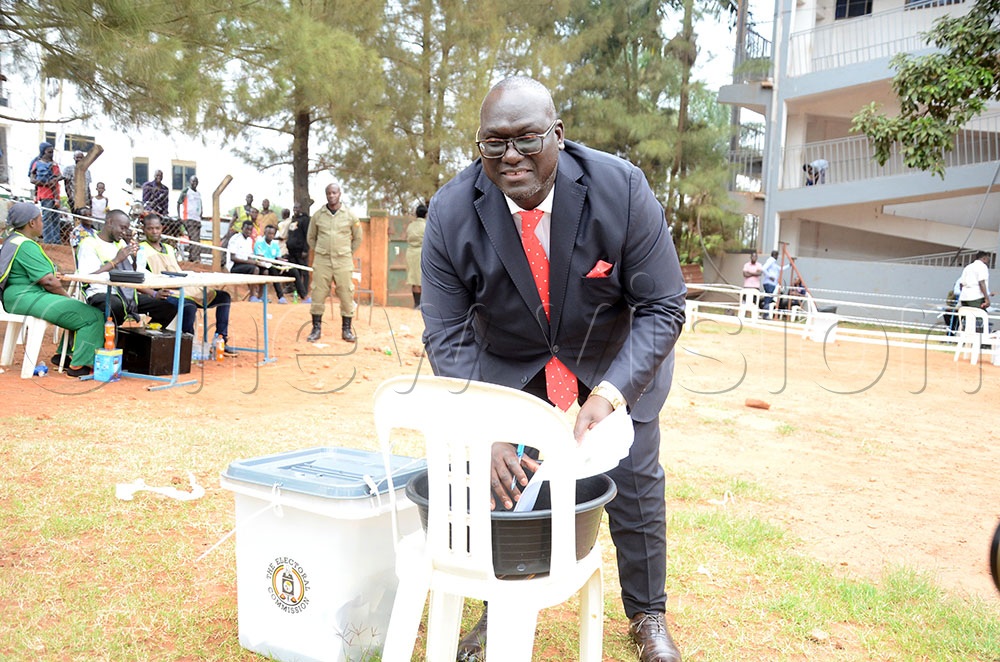
Rubaga division Mayoral seat aspirant and incumbent Zacchy Mberaze Mawula casting his ballot during the municipality, city division chairpersons and councillors elections. This was at Kampala University polling centre, Mutundwe Kampala, on January 27, 2026. (Credit: Lawrence Mulondo)
By 7:00am, several candidates’ agents were already present and ready to oversee the process. However, the exercise could not begin as officials struggled to mobilise the minimum number of voters needed to witness the opening procedures.
At MB-NAJ polling station, voters trickled in one by one. Polling officers repeatedly asked them to wait until ten people were present, but the prolonged waiting tested their patience.
One by one, voters quietly left the premises. It was not until around 9:00am that enough people had gathered, allowing voting to officially begin.
A similar situation played out at other centres, including Kampala University in Mutundwe, where by 10:30am some polling stations were still unable to raise the required number of witnesses.
Polling officials remained seated, watching the clock and scanning entrances for voters who did not come.
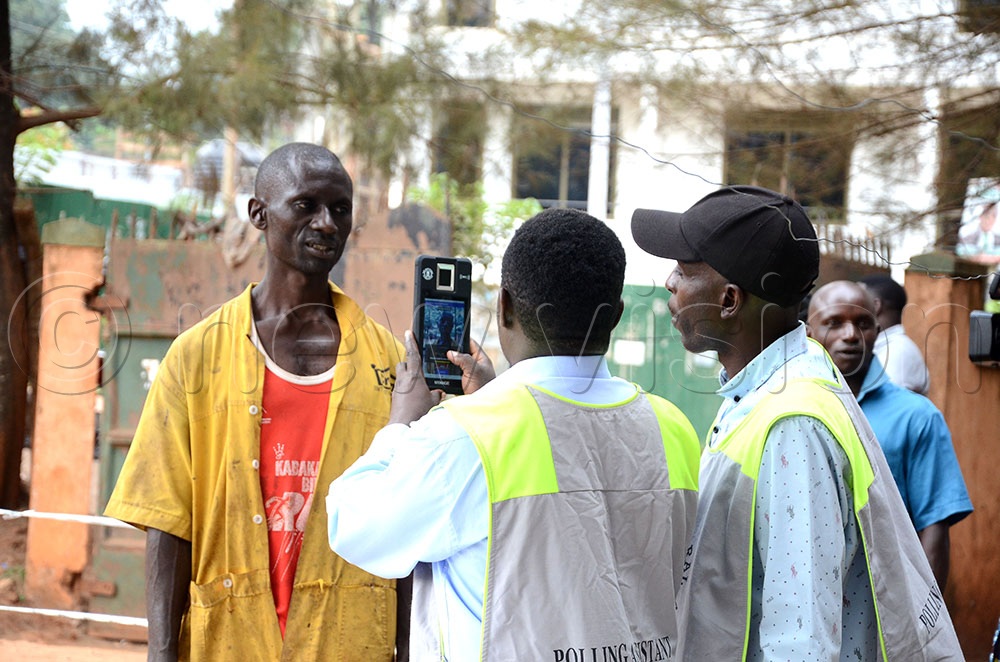
Electoral Commission polling officers using a Biometric Voter Verification machine to verify a voter during the municipality, city division chairpersons and councillors’ elections at Kampala University polling centre, Mutundwe, Kampala on January 27, 2026. (Credit: Lawrence Mulondo)
Quiet polling centres, working machines
The story was largely the same across most of the polling stations visited, with low voter turnout defining the day.
Unlike previous presidential and parliamentary elections, however, the Biometric Voter Verification Machines functioned well across the division.
No major technical faults were reported, a contrast that polling officials and candidates alike noted with cautious optimism.
Election officials were seen actively guiding voters, helping them identify their polling stations and directing them to the correct ballot boxes to avoid errors.
Despite this support, long gaps between voters were common. In many stations, officers received one voter every ten to thirty minutes and spent much of the time waiting.
In a few cases, the machines rejected voters’ fingerprints, prompting officials to assist them by asking them to clean their hands before trying again or scan their faces.
The Rubaga Mayoral race has six contestants that include Zacchy Mberaze Mawula, the incumbent from the National Unity Platform, Moses Kasibante of the Democratic Front, among others.
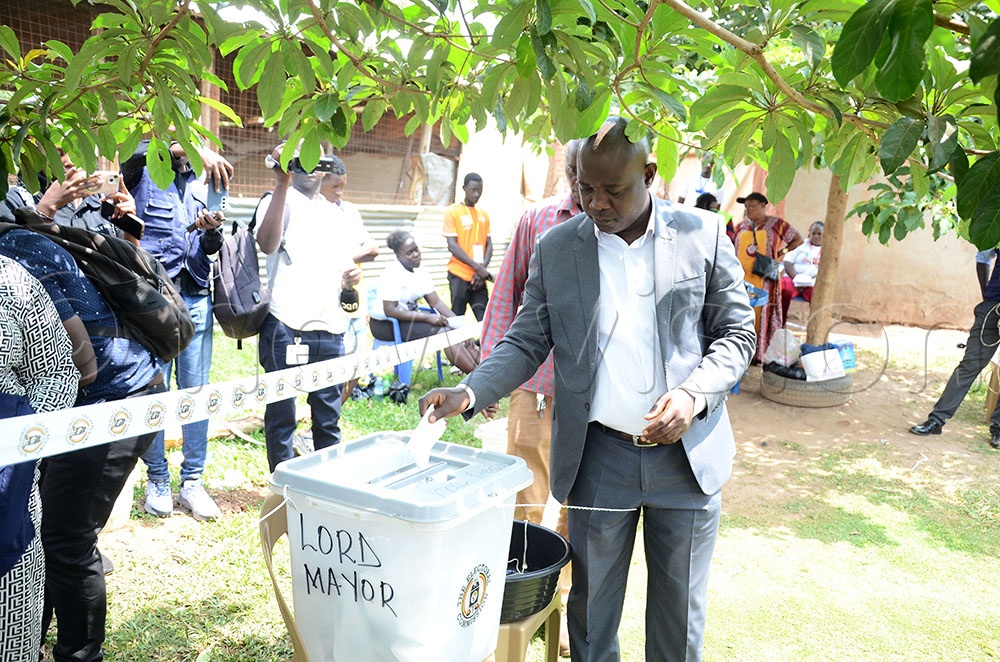
Moses Kasibante, one of the Rubaga division Mayoral seat aspirants casts his ballot during the municipality, city division chairpersons and councilors elections at Wakaliga polling centre, Kampala on January 27, 2026. (Credit: Lawrence Mulondo)
Incumbent expresses confidence, raises concerns
The incumbent mayor, Mberaze, arrived at Kampala University polling centre at about 11:30am and proceeded directly to his polling station to cast his vote. After voting, he expressed confidence in the process, particularly praising the use of biometric technology.
“The machines are easy to use and very fast. With this technology, there is less room for ballot stuffing,” he said, questioning why similar systems had failed during previous national elections.
He urged residents to turn up and vote, saying the process was credible and that he was confident of victory. However, he also raised concerns, citing reports from his agents that some polling stations had received fewer materials than expected, especially ballot paper books.
Mberaze further alleged that groups of unruly youth had invaded some polling stations, assaulting voters and disrupting the process, accusing police of failing to contain the situation.
“We want a free and fair election. No one should tamper with voters or polling officers as the exercise continues,” he said.
Despite his optimism, the mayor acknowledged that turnout was far lower than anticipated, attributing it to voter fatigue and disappointment after candidates supported in previous elections failed to win.
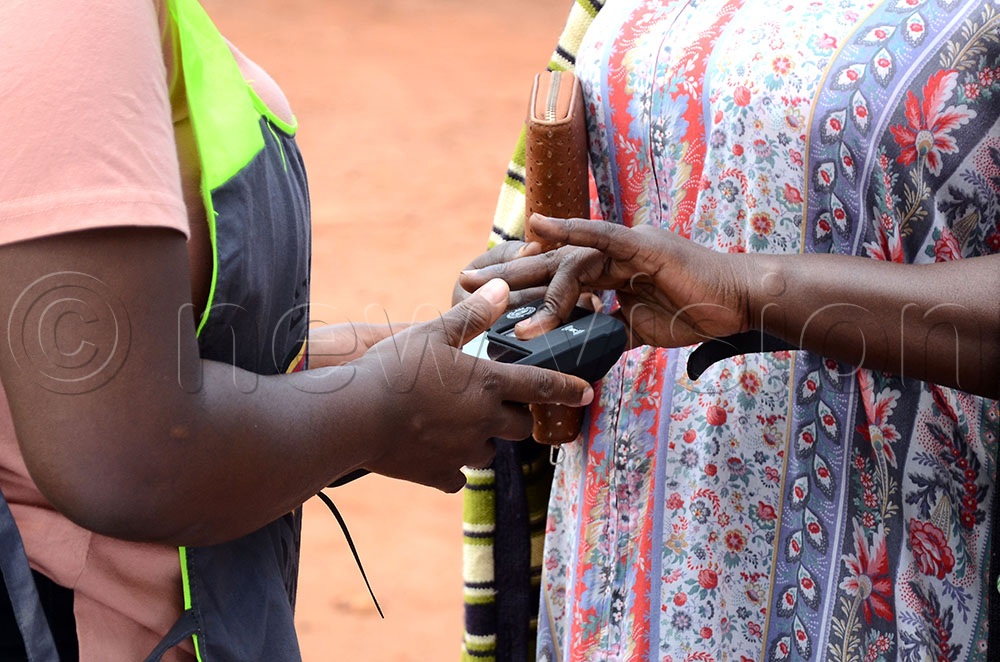
A voter putting her fingerprint on a Biometric Voter Verification Machine during the municipality, city division chairpersons and councillors elections at Younger Play Ground polling centre Lungujja, Kampala, on January 27, 2026. (Credit: Lawrence Mulondo)
Opposition alleges violence and irregularities
Moses Kasibante of the Democratic Front, one of the mayoral aspirants, reported incidents of violence and intimidation, accusing suspected security operatives of disrupting the electoral process.
“There is a group of people believed to be from security organs who took away ballot boxes and ballot papers from a polling station in Nateete, leaving both polling officials and voters shocked,” Kasibante said.
He added that despite reaching out to Electoral Commission officials, no senior officer had come to the ground to assess or resolve the situation, claiming that officials present lacked the authority to intervene.
“As a candidate in this mayoral race, I reject whatever results may come out of this exercise because they will not reflect the will of the voters,” he said.
Kasibante also pointed to low voter turnout, blaming the Electoral Commission for failing to adequately conduct civic education. He argued that many voters underestimate the importance of municipal elections, yet these are the levels of government most directly responsible for service delivery.
“Civic education is not just about teaching people how to tick a ballot paper. It is about helping them understand their role and the responsibility of the leaders they elect,” he said.
By press time, voting was still ongoing across Rubaga Division, but turnout remained low at most of the polling stations visited, leaving lingering questions about the elections.