
Kampala, Wakiso voters want roads, loadshedding, water shortage fixed
Voters called for the upgrading of Wakiso Health Centre IV to a district hospital for improved health care provision. At Namayumba Health Centre IV, Nakyejwe said they are grappling with the challenge of health workers’ absenteeism, on top of some health workers soliciting money from people to offer treatment.
In their push to achieve all the parameters of a modern city, civil and political administrators of Kampala Capital City Authority are grappling with challenges, such as traffic congestion, poor roads, high crime rate and urban poverty in almost all the five divisions of Kampala Central, Rubaga, Kawempe, Makindye and Nakawa.
CITIZENS’ NEEDS
By Nelson Kiva, Peter Ssaava and Vivien Nakitende
With a total of over 5.2 million people, Kampala and Wakiso districts are two of Uganda’s most significant administrative units and the most populous.
Kampala is Uganda’s capital, while Wakiso is a neighbouring district with a wide range of economic potential. Kampala’s economy is driven by commerce, services and industry, attracting people from across Uganda and beyond.
Similarly, Wakiso is home to key industries and a residential area for many Kampala workers. However, Wakiso also practices agriculture, which boosts the economy.
The district has fertile soils, supporting crops, such as coffee, bananas, maize, cassava, sweet potatoes and vegetables.
In their push to achieve all the parameters of a modern city, civil and political administrators of Kampala Capital City Authority are grappling with challenges, such as traffic congestion, poor roads, high crime rate and urban poverty in almost all the five divisions of Kampala Central, Rubaga, Kawempe, Makindye and Nakawa.
According to the Minister for Kampala and Metropolitan Affairs, Hajat Minsa Kabanda, the Government is implementing ambitious road infrastructure, including alternative routes bypassing Kampala, such as the Kampala-Jinja highway and Mukono?Katosi road.
“The Government is also prioritising urban transport reforms, including the introduction of a bus rapid transit system and regulating informal transport services like bodabodas,” Kabanda said.
She said they are also working on improving traffic flow, having removed roundabouts and implemented signalised intersections.
The city authorities are also exploring smart traffic management systems, such as the Japanese MODERATO system, to reduce congestion.
The MODERATO system is a traffic control technology developed by Japan, primarily used for managing traffic flow in urban areas.
According to the minister, the Government is also addressing institutional and governance issues, strengthening the Greater Kampala Metropolitan Area (GKMA) entities and promoting e-governance and revenue collection.
The interventions also include constructing modern markets and upgrading drainage systems to boost urban resilience.
Wakiso, with one of the biggest populations in the country, faces challenges, such as land evictions, persistent loadshedding, water shortages, poor roads, traffic jams, lack of markets, poverty, poor state of health centres and public schools, drug shortages, high crime rate and environmental degradation, among others.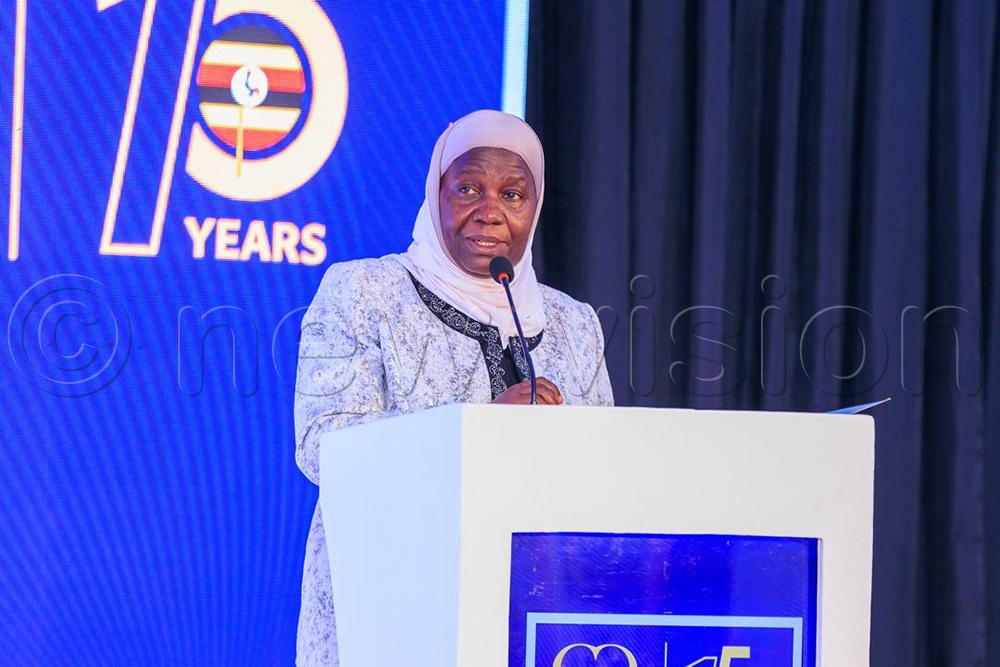
Minister Minsa Kabanda
With elections around the corner, voters and local authorities in Wakiso want all these issues addressed.
Faridah Naggayi, the LC5 councillor representing Nabweru North, Nabweru South and Kazo at the district, said the state of some government primary schools in Wakiso district is appalling, with some of the buildings almost collapsing.
Naggayi said it is concerning that government is implementing free education for children in old buildings, adding that there are also not enough teachers.
This, she said, results in poor performance.
“They tell parents not to pay anything, but when you get to the schools, both teachers and learners go without lunch, and the few available teachers are strained,” she said.
Florence Nakyejwe, a resident of Nansana municipality, said Nabweru Health Centre III is facing a challenge of a few midwives, which results in pregnant mothers being referred to other health facilities, encountering challenges along the way.
“Many women are brought to health facilities for antenatal care without their husbands. When medics at Nabweru fail, they refer them to other hospitals without anyone accompanying them, which is concerning,” Nakyejwe said.
She called for the upgrading of Wakiso Health Centre IV to a district hospital for improved health care provision. At Namayumba Health Centre IV, Nakyejwe said they are grappling with the challenge of health workers’ absenteeism, on top of some health workers soliciting money from people to offer treatment.
“After prescribing drugs, medics ask patients to buy medicine from the neighbouring private clinics,” she said.
Paul Kibalama, the councillor of Kyanuuna parish in Namayumba town council, expressed concern over the poor state of roads in the district, despite being the place where most big people who work in Kampala reside.
He cited Kakiri-Masuliita road, which joins Wakiso to Nakaseke district, saying it remains in a poor state, despite government working on it for the last eight years.
“If this road is tarmacked, I do not expect any business person to use Kawempe to take his or her merchandise to Luwero or Nakaseke. But we are surprised that road construction stopped at the groundbreaking level,” Kibalama said.
Haji Abdul Kaggwa, the Wakiso district male councillor for the elderly, commended the Government for reducing the years of the beneficiaries of Social Assistance Grant for Empowerment from 80 years to 65 and increasing the monthly allowance from sh25,000 to sh35,000.
He, however, noted that old people in the district face a challenge of a lack of healthcare services for old people, who cannot compete with the young ones in conventional health centres.
“Children and women have their hospitals, but older persons encounter challenges when they go to general facilities where they have to stand or sit for long hours,” Kaggwa said.
Jimmy Kabuye, a poultry farmer from Kavumba village in Wakiso, commended the Government for providing them with Parish Development Model money.
However, he said Wakiso should be given special consideration because it has many people. Wakiso has a population of about 3.4 million people, according to the 2024 national census.
“When you distribute the sh100m per parish, you discover that many people are left out. Therefore, the Government should consider increasing the money for not only Wakiso, but also other areas with many people,” Kabuye said.
In his re-election bid, President Yoweri Museveni will today address campaign rallies in Entebbe in Wakiso and Rubaga Division in Kampala.
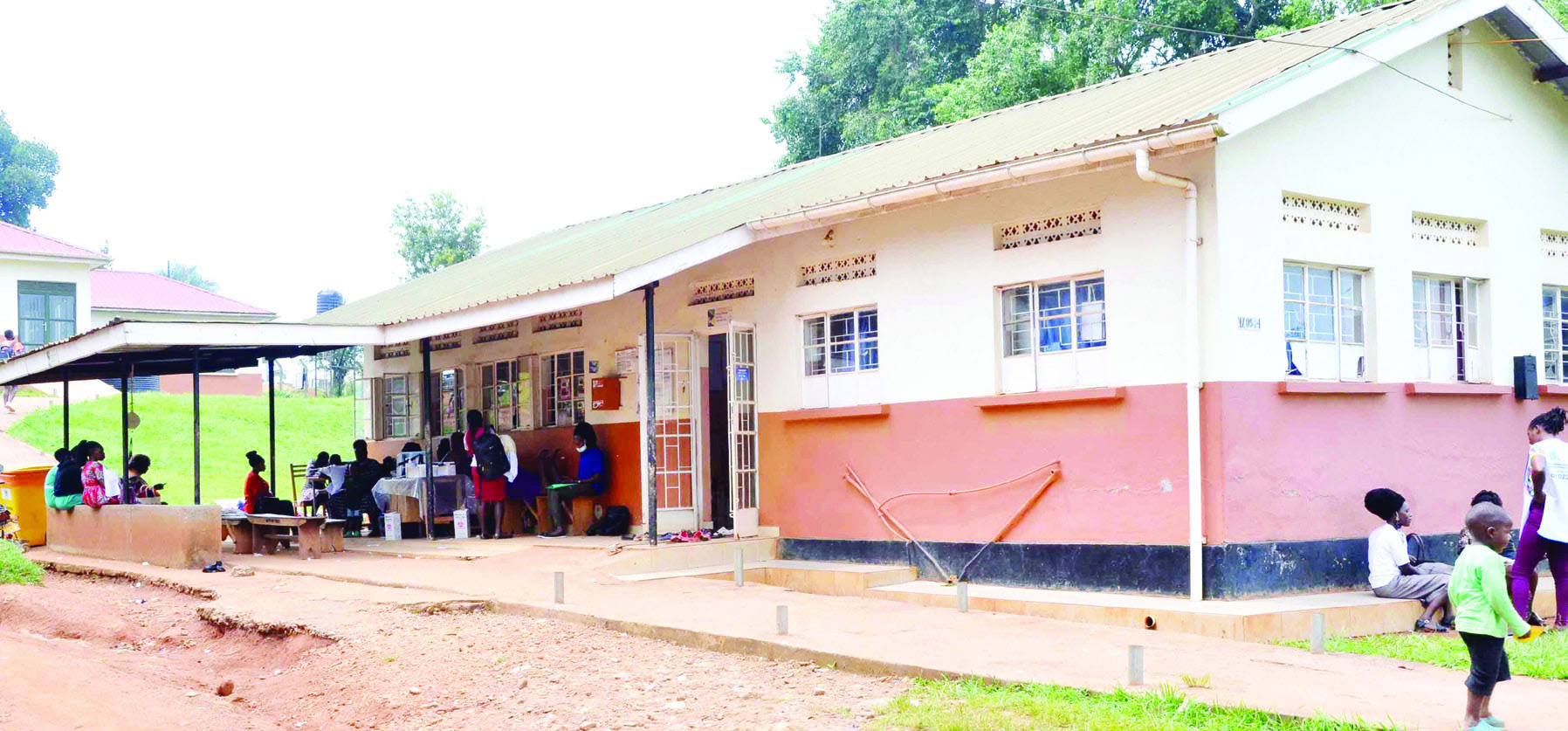
Voters want Wakiso Health Centre IV upgraded to a district hospital.
Manifesto
The voters’ concerns in Kampala and Wakiso are also reflected in the New Vision Citizens Manifesto conducted between March and May last year, where prospective voters highlighted key bottlenecks undermining service delivery in the areas of healthcare, security, roads infrastructure, water and sanitation, poverty, unemployment, power connectivity, education, agricultural services, land management, crimes and leadership, among others.
For instance, only about 11% of the respondents in Kampala endorsed the state of health services, while in the education sector, more than 94% believe something should be done to improve the sector’s performance.
Only 16.6% of the respondents in the district approved of the state of the roads and transport, as more than 83% suggested more needed to be done.
Over 91% of respondents disclosed that poverty was still widespread in Kampala, despite the Government anti-poverty programmes to ensure prosperity for all.
In Wakiso district, 14.3% of respondents endorsed the performance of the health sector, while over 93% suggested a need to improve the performance of the education sector.
More than 86% of the respondents questioned the state of roads, while 89% confirmed poverty prevalence. To ensure a national outlook, the opinion poll involved 6,006 respondents from 58 districts across 17 sub-regions.
The respondents, aged 18 and above, were randomly sampled from both rural and urban setups.
What voters say
Dr Swaib Nsereko Kaggwa, mass communication don at the Islamic University in Uganda
Kampala city needs a revamp of the road infrastructure to address the issue of congestion. It needs an integrated transport system with buses and an inter-linked railway system as it is with other modern cities. For Wakiso, the district needs more funding to empower it to work on its roads.
Ivan Majambere Kamuntu, resident, Rubaga
The Government has done a lot in Kampala and Wakiso. However, special attention needs to be given to improving roads to fight traffic congestion.
Christine Mbabazi, resident, Rubaga
Government should support the education of vulnerable children, especially those being taken care of by single mothers.